H.R. 7380: Internet Reach and Access Now Act
The Internet Reach and Access Now Act, also known as the IRAN Act, aims to enhance internet freedom and access to information for citizens in Iran. The bill intends to address several key issues related to internet connectivity in Iran, primarily in response to the Iranian government's history of disrupting and throttling internet access, especially during emergencies. Below are the main components of the bill:
Key Findings
- The Iranian government has frequently disrupted internet connectivity, affecting citizens' ability to communicate and exercise their rights during emergencies.
- Residents in Iran face high costs and equipment barriers when trying to access alternative communication methods, such as satellite communications or virtual private networks (VPNs), to regain internet access.
- Supporting secure connectivity tools and clarifying U.S. policy can significantly improve internet resilience for Iranian individuals.
U.S. Policy Goals
The U.S. policy, as outlined in the bill, should:
- Encourage the deployment of Direct-to-Cell (DTC) communications, VPNs, eSIM technology, and other secure communications tools to improve internet access in Iran.
- Ensure that sanctions and export controls do not inadvertently restrict access to these tools by the Iranian populace.
Responsibilities of the Secretary of State
The Secretary of State will have the main responsibility for:
- Promoting internet freedom in Iran and enhancing information access for its citizens.
- Coordinating federal efforts relating to digital freedom initiatives in Iran.
- Updating and implementing the strategy required under existing laws aimed at countering threats to Iran and promoting human rights in Syria.
Updates to Current Strategies
The bill proposes several amendments to existing strategies regarding internet access in Iran:
- Evaluate the use of VPNs and DTC technologies by civil society and develop strategies to improve the accessibility of these tools.
- Collaborate with the Departments of Treasury and Commerce to ensure that sanctions do not obstruct the provision of internet access tools to Iran's civilians.
- Assess the Iranian government's capabilities to cut off all internet access and establish measures to bypass such blackouts.
Satellite and DTC Coverage Safeguards
Regulations are included to ensure:
- The Federal Communications Commission (FCC) will require licensees to avoid intentionally disabling or blocking satellite or DTC coverage over Iran, except for specific reasons laid out in the law.
- The Secretary of State, in coordination with the FCC, will advocate against any international proposals that would exclude Iran from satellite or DTC coverage from U.S.-licensed operators.
- Regular reporting will be mandated to track actions taken on such international advocacy efforts.
Cybersecurity Capacity for Civil Society in Iran
The Secretary of State is tasked with establishing programs to:
- Provide cybersecurity training to journalists, human rights defenders, and civil society members in Iran.
- Offer vetted digital safety tools and multilingual educational resources to help individuals avoid regime-controlled applications and phishing attacks.
Funding Authorization
The bill authorizes the allocation of $15 million for each fiscal year of 2027 and 2028 for the Secretary of State to implement the aforementioned programs, particularly focusing on tools that support secure internet access for individuals in Iran.
General Provisions
The bill makes clear that:
- It does not grant new authorities that would contradict existing sanctions or export laws.
- It does not compel any U.S. person to engage in activities that violate sanctions.
Definitions
Important terms are defined in the bill, including:
- eSIM technology: Technology that allows users to activate cellular service remotely without a physical SIM card.
- VPN services: Encrypted connections intended to bypass government censorship and ensure secure access to the internet.
Relevant Companies
- GOOGL (Alphabet Inc.): As a provider of internet services and technologies, any enhancements to internet access tools may impact their service offerings and strategies in Iran.
- AAPL (Apple Inc.): With the potential shift toward eSIM technology and privacy-focused services, Apple may see changes in market demand or regulatory challenges related to providing tech products that support user access in Iran.
This is an AI-generated summary of the bill text. There may be mistakes.
Sponsors
18 bill sponsors
-
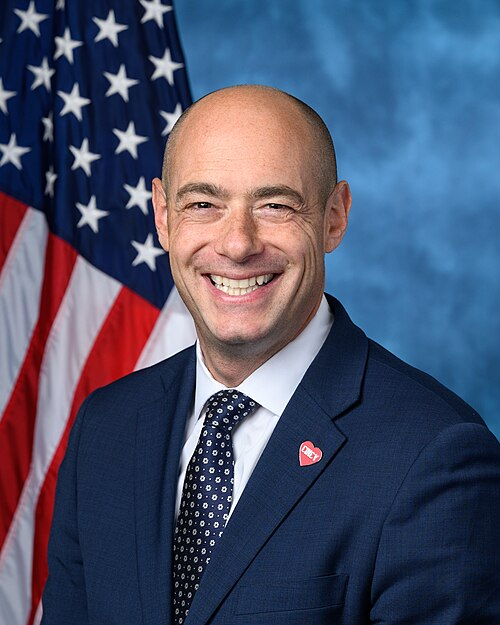
TrackEric Swalwell
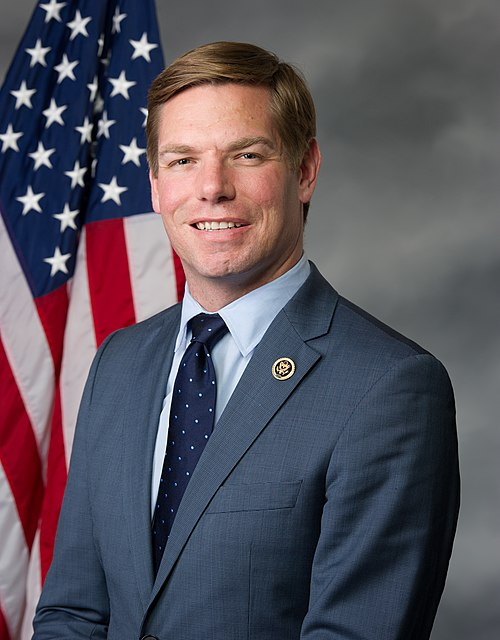
Sponsor
-
TrackYassamin Ansari
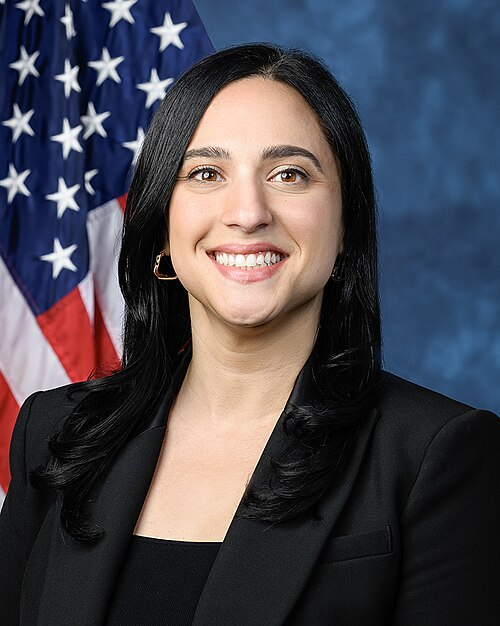
Co-Sponsor
-
TrackJake Auchincloss
Co-Sponsor
-
TrackStephanie I. Bice
Co-Sponsor
-
TrackBrendan F. Boyle
Co-Sponsor
-
TrackBrian K. Fitzpatrick
Co-Sponsor
-
TrackDaniel S. Goldman
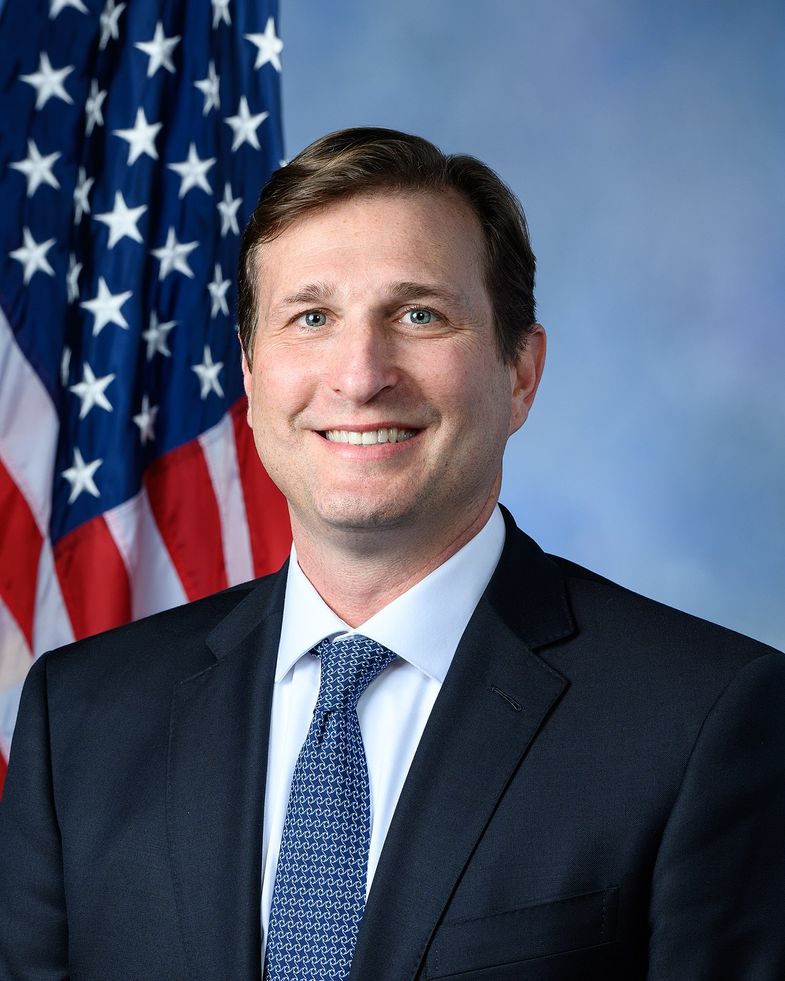
Co-Sponsor
-
TrackJosh Gottheimer
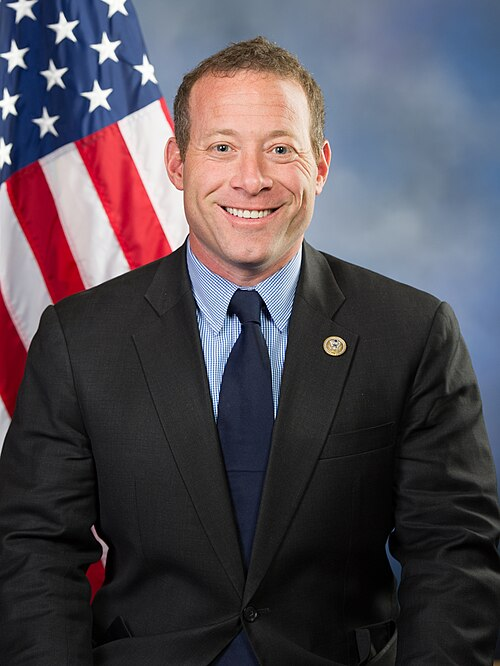
Co-Sponsor
-
TrackMichael Lawler
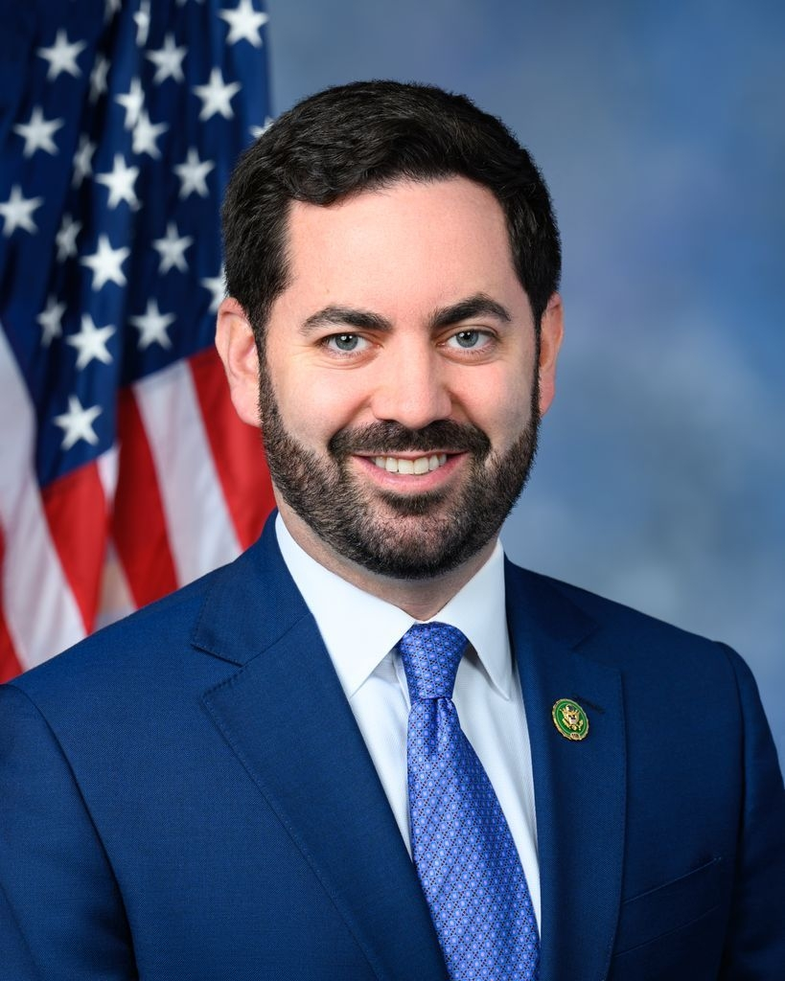
Co-Sponsor
-
TrackNicole Malliotakis
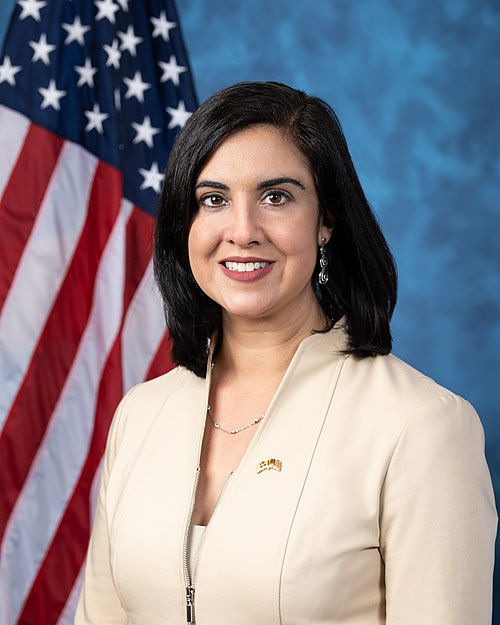
Co-Sponsor
-
TrackDave Min
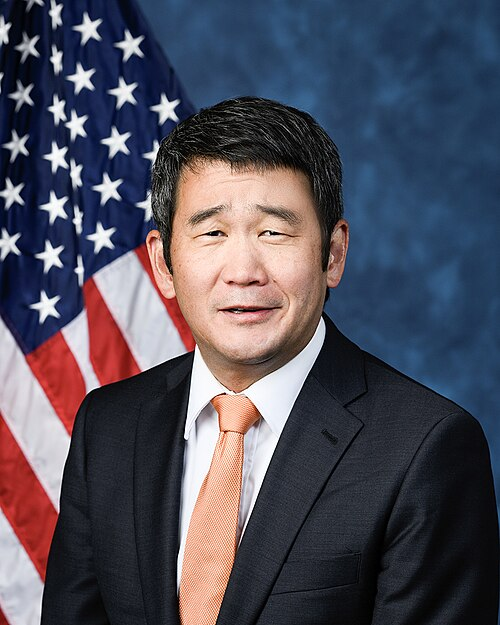
Co-Sponsor
-
TrackIlhan Omar

Co-Sponsor
-
TrackDeborah K. Ross
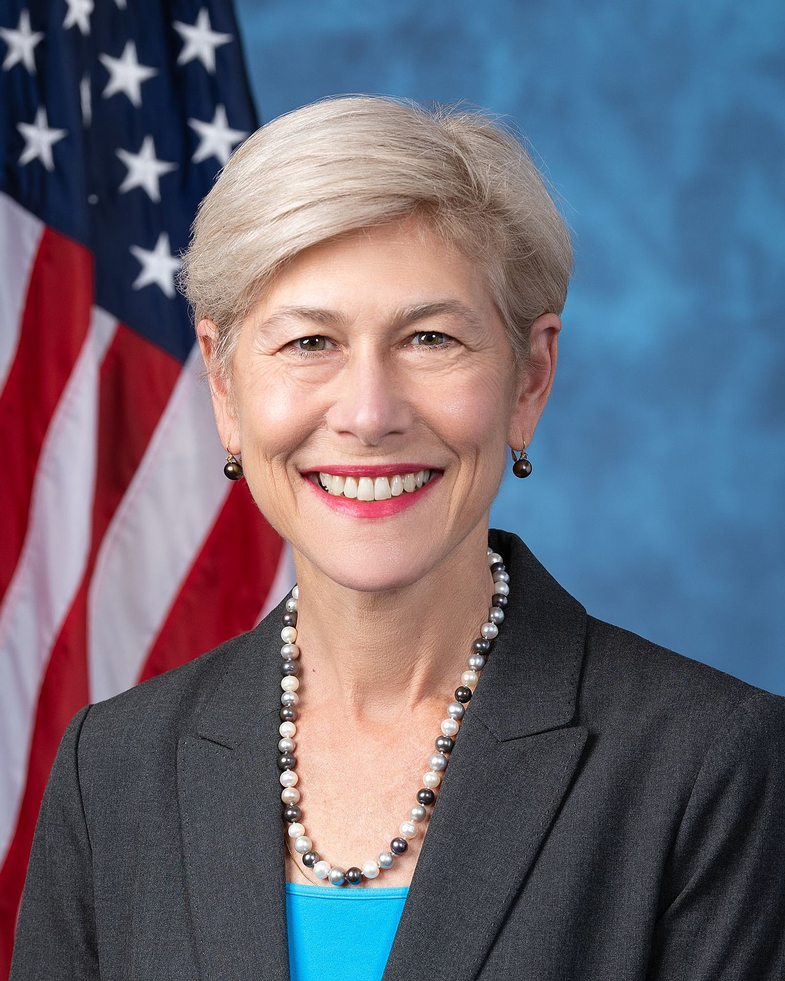
Co-Sponsor
-
TrackMaria Elvira Salazar

Co-Sponsor
-
TrackBradley Scott Schneider
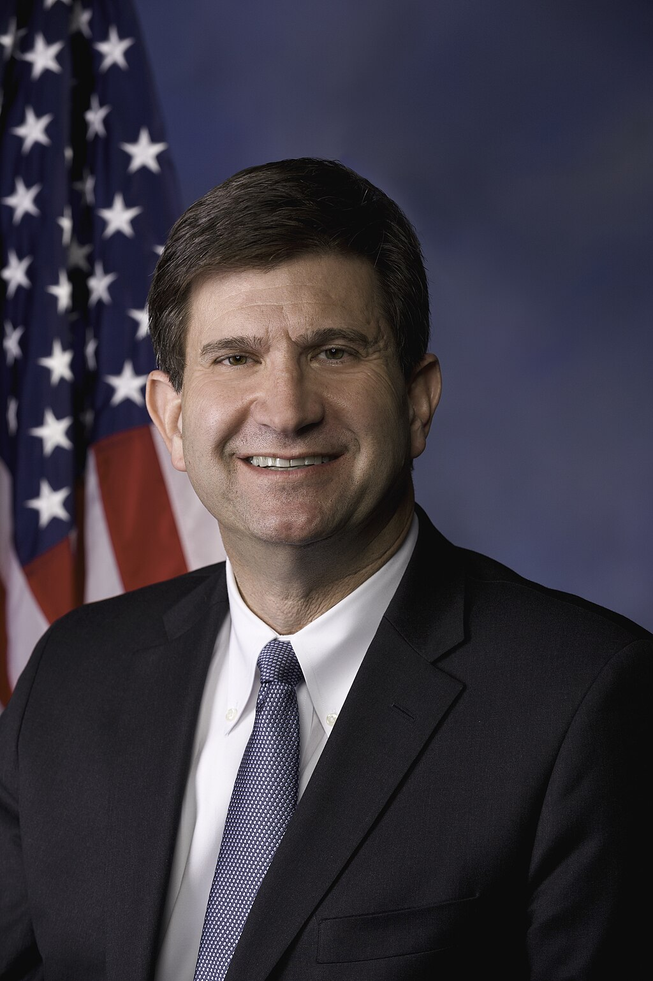
Co-Sponsor
-
TrackSuhas Subramanyam
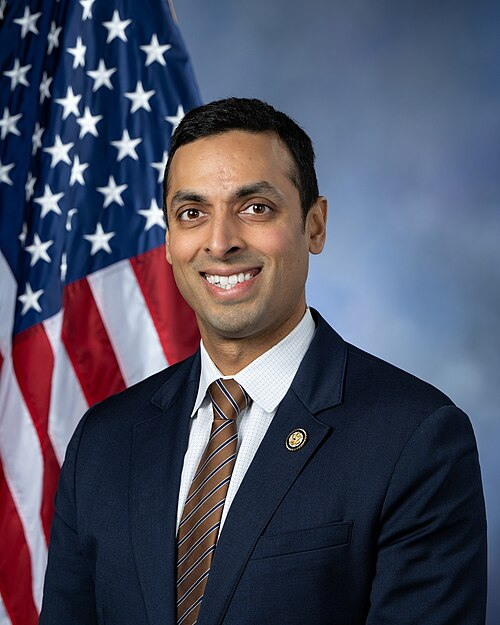
Co-Sponsor
-
TrackClaudia Tenney
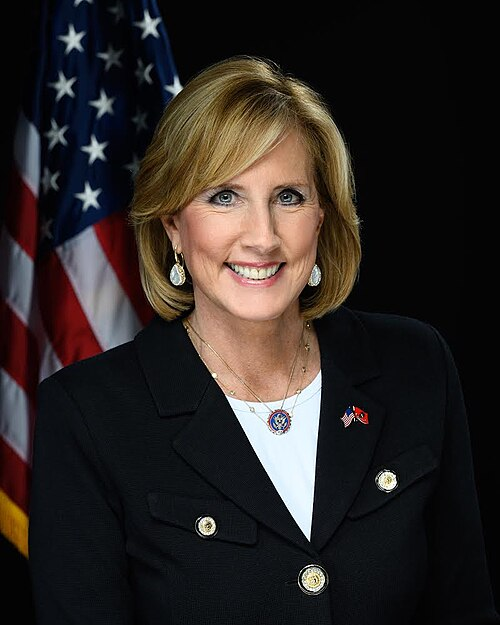
Co-Sponsor
-
TrackJames R. Walkinshaw

Co-Sponsor
Actions
3 actions
| Date | Action |
|---|---|
| Apr. 20, 2026 | ASSUMING FIRST SPONSORSHIP - Ms. Tenney asked unanimous consent that she may hereafter be considered as the first sponsor of H.R. 7380, a bill originally introduced by Representative Swalwell of California, for the purpose of adding cosponsors and requesting reprintings pursuant to clause 7 of rule XII. Agreed to without objection. |
| Feb. 04, 2026 | Introduced in House |
| Feb. 04, 2026 | Referred to the Committee on Foreign Affairs, and in addition to the Committee on Energy and Commerce, for a period to be subsequently determined by the Speaker, in each case for consideration of such provisions as fall within the jurisdiction of the committee concerned. |
Corporate Lobbying
0 companies lobbying
None found.
* Note that there can be significant delays in lobbying disclosures, and our data may be incomplete.