H.R. 6979: Promoting Lifelong Activity for Youth Act of 2026
This bill, known as the Promoting Lifelong Activity for Youth Act of 2026, aims to encourage physical activity among youth and improve access to recreational sports. The major components of the bill include modifications to tax credits, the establishment of a grant program for youth sports, and the definition of youth physical activities for tax purposes.
1. Tax Credit Modifications
The bill seeks to amend the existing child and dependent care tax credit to allow for youth physical activity expenses. This includes:
- Expenses related to youth sports registration, fitness facility memberships, and physical activity instruction for children ages 4 to 17.
- Increased limits on the amount of tax credit available, allowing taxpayers to claim up to $4,000 for one child, or $7,000 for two or more children, beginning for taxable years after December 31, 2025.
2. Dependent Care Flexible Spending Arrangements
The bill also increases the contribution limit for dependent care flexible spending arrangements (FSAs). Key points include:
- Employers can allow employees to contribute up to $10,000 per year to their FSA for dependent care costs, or $12,000 for single parents.
- This change will take effect for taxable years starting after December 31, 2025.
3. Definition and Coverage of Youth Physical Activities
The definition of "youth physical activities" will now include:
- Membership fees for fitness facilities.
- Participation in physical exercise or activity programs.
- Costs related to equipment necessary for physical activities.
These activities are capped at a maximum of $1,000 per taxpayer per year, or $2,000 for joint returns. Importantly, expenses for competitive sports or elite programs are excluded from this coverage.
4. Recreational Youth Sports Grant Program
The bill establishes a grant program under the Department of Health and Human Services to provide funding for organizations that expand access to recreational youth sports. Key features include:
- Grants will be awarded to local governments, non-profits, Tribal and veterans organizations.
- Programs must promote healthy habits and physical activity while reducing costs for families.
- Grants will range from $5,000 to $50,000, with specific restrictions on the use of the funds.
Organizations must apply for these grants, and the program is expected to have a budget of $200 million for fiscal years 2026 through 2030.
5. Reporting and Oversight
The Secretary of Health and Human Services will be required to submit a report within three years after the legislation is enacted, assessing how well the grants have achieved their intended goals.
Relevant Companies
- PFE - Pfizer, which produces health and fitness products and may benefit from increased youth physical activity rates.
- PEP - PepsiCo, known for its investment in community programs promoting youth sports and healthy lifestyles.
- NKE - Nike, a major supplier of sports equipment, might see increased demand due to expanded youth sports participation.
This is an AI-generated summary of the bill text. There may be mistakes.
Sponsors
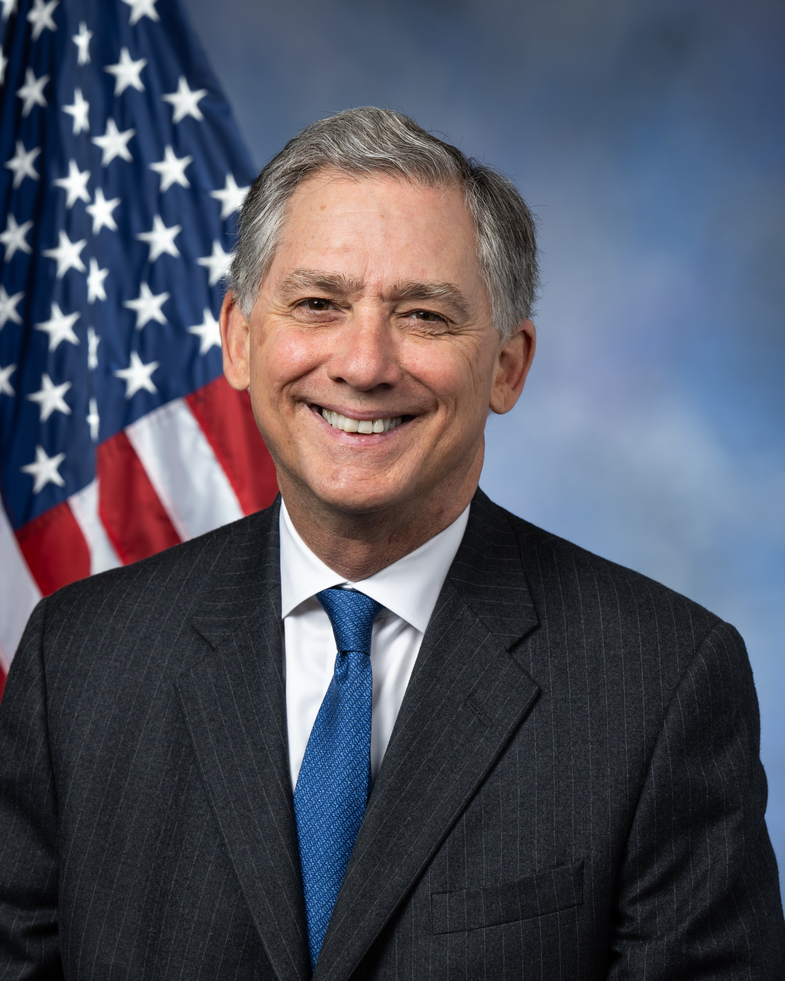
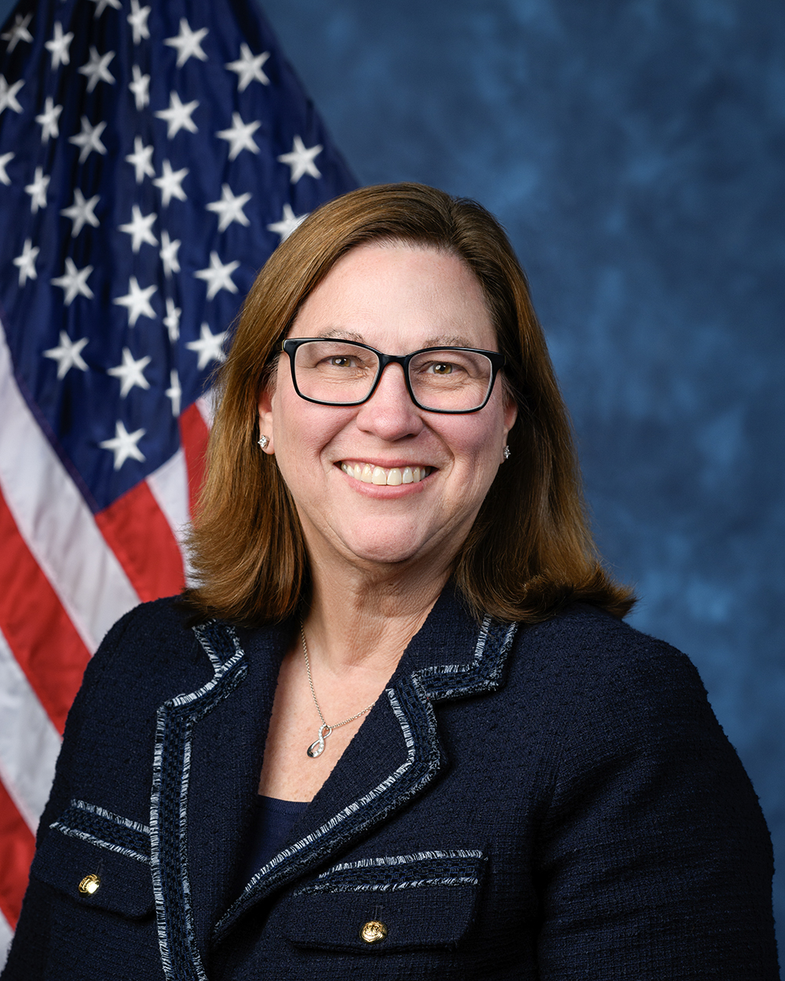
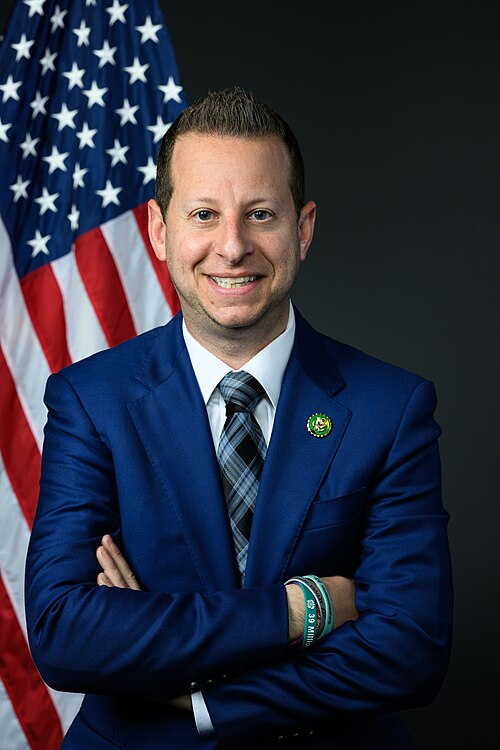
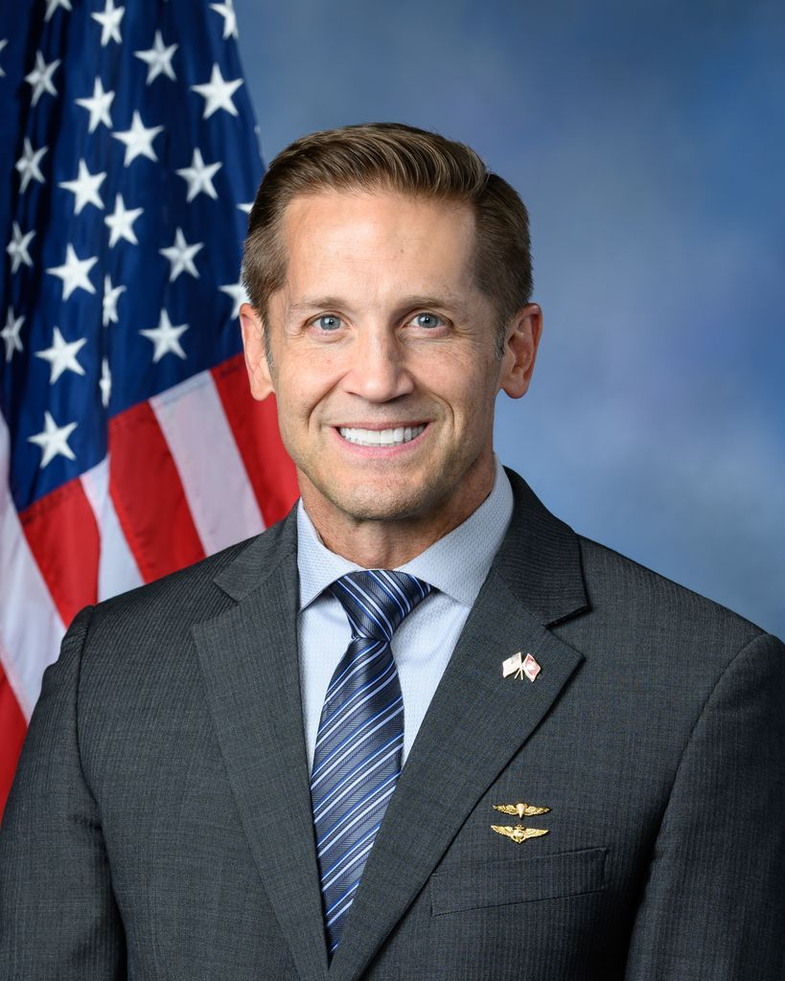
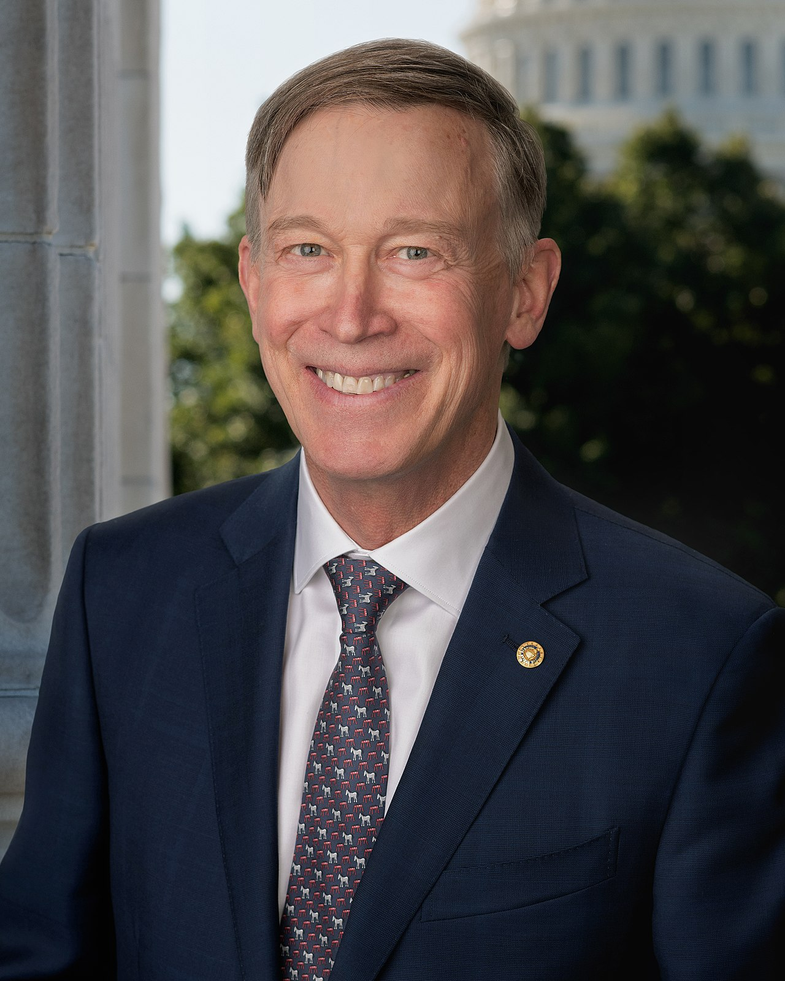
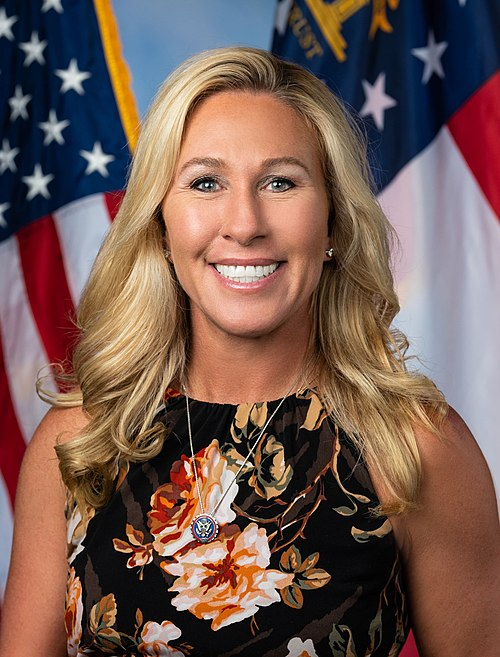
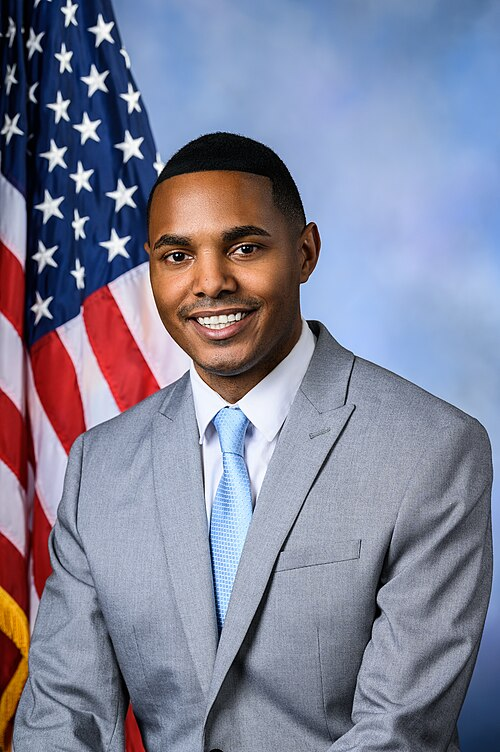
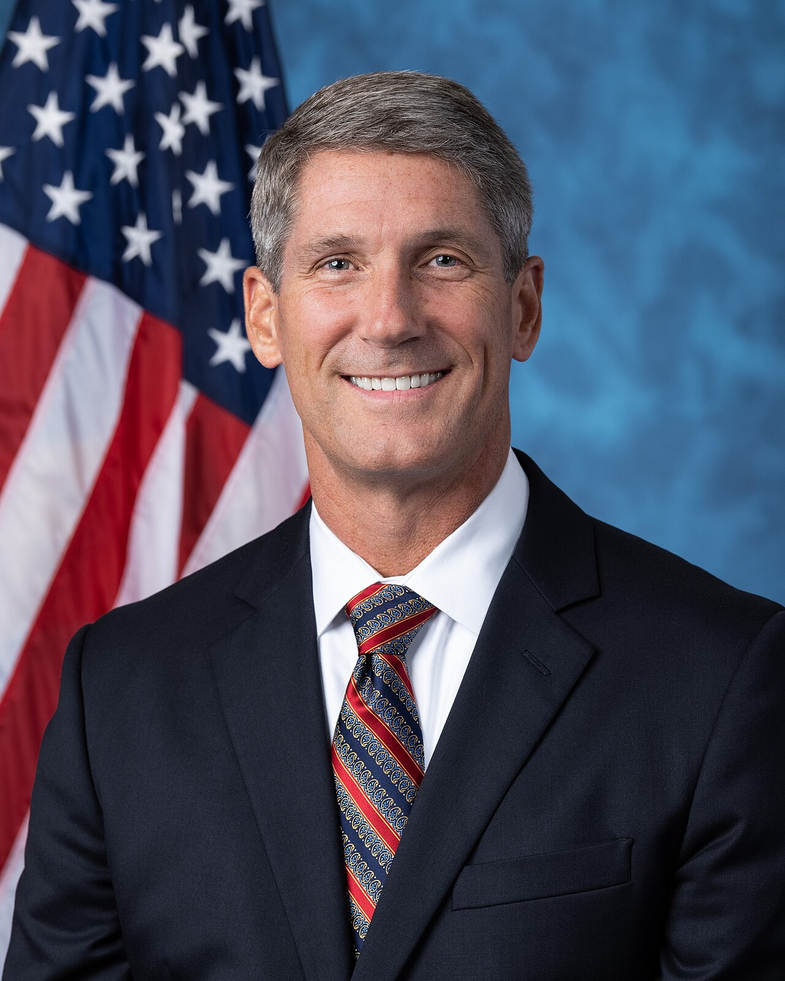
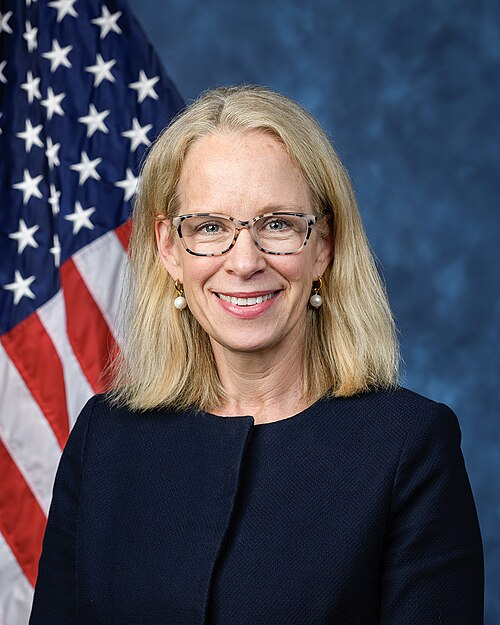
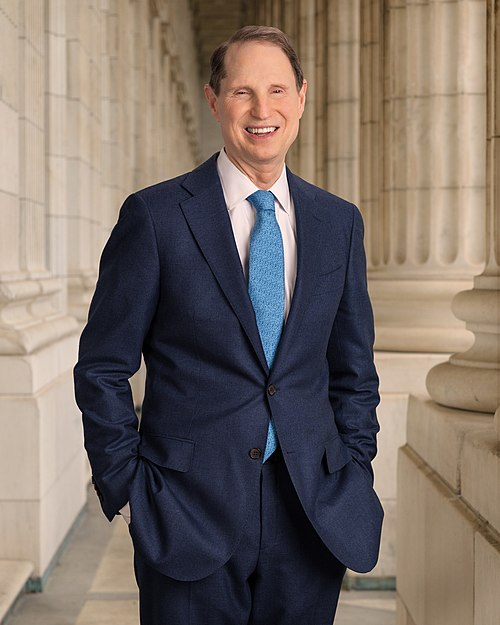
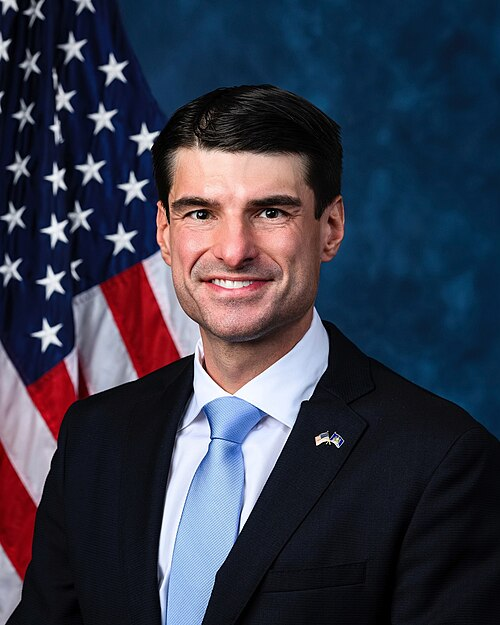
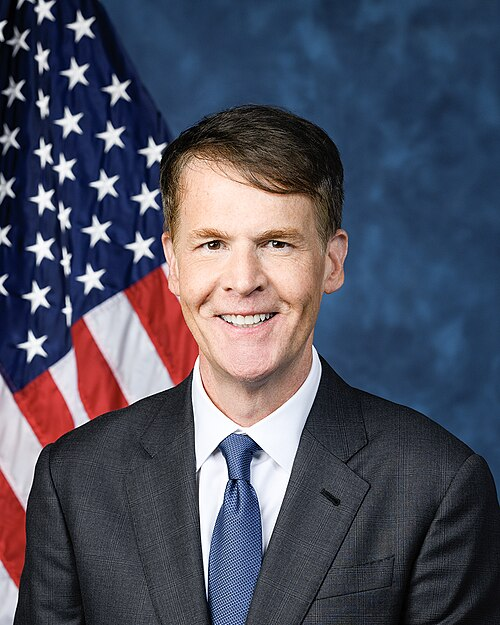
2 bill sponsors
Actions
2 actions
| Date | Action |
|---|---|
| Jan. 08, 2026 | Introduced in House |
| Jan. 08, 2026 | Referred to the Committee on Ways and Means, and in addition to the Committees on Education and Workforce, and Energy and Commerce, for a period to be subsequently determined by the Speaker, in each case for consideration of such provisions as fall within the jurisdiction of the committee concerned. |
Corporate Lobbying
0 companies lobbying
None found.
* Note that there can be significant delays in lobbying disclosures, and our data may be incomplete.