|
Ro Khanna
D / House
|
JPM
JPMORGAN CHASE & CO LINKED TO S&P 500 INDEX
|
Purchase
$100,001 - $250,000
|
Sep 04, 2026
|
Aug 27, 2026
|
+1.44%
|
|
Ro Khanna
D / House
|
C
CITIGROUP INC CMN
|
Sale
$1,001 - $15,000
|
Sep 04, 2026
|
Aug 03, 2026
|
+3.05%
|
|
John Boozman
R / Senate
|
JPM
JP Morgan Chase & Co. Common Stock
|
Sale (Partial)
$1,001 - $15,000
|
Aug 17, 2026
|
Jul 23, 2026
|
-1.72%
|
|
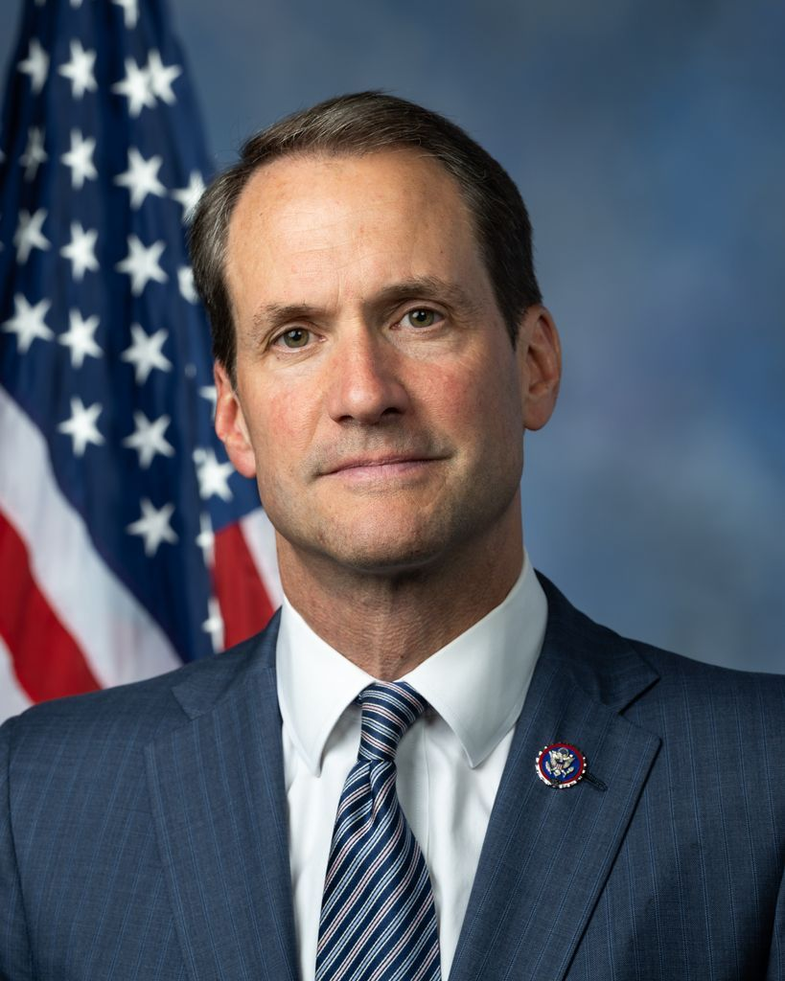
James A. Himes
D / House
|
BAC
BANK OF AMERICA CORPORATION COMMON STOCK
|
Sale
$1,001 - $15,000
|
Jul 20, 2026
|
Jul 20, 2026
|
+0.77%
|
|
Ro Khanna
D / House
|
BAC
BANK OF AMERICA CORP CMN
|
Purchase
$15,001 - $50,000
|
Aug 07, 2026
|
Jul 07, 2026
|
+2.47%
|
|
Ro Khanna
D / House
|
C
CITIGROUP INC. CMN
|
Purchase
$1,001 - $15,000
|
Jul 06, 2026
|
Jun 30, 2026
|
-3.11%
|
|
Ro Khanna
D / House
|
BAC
BANK OF AMERICA CORP CMN
|
Sale
$1,001 - $15,000
|
Jul 06, 2026
|
Jun 17, 2026
|
+7.79%
|
|
Ro Khanna
D / House
|
JPM
JPMORGAN CHASE & CO CMN
|
Sale
$1,001 - $15,000
|
Jul 06, 2026
|
Jun 05, 2026
|
+10.42%
|
|
Ro Khanna
D / House
|
JPM
JPMORGAN CHASE & CO CMN
|
Sale
$1,001 - $15,000
|
Jul 06, 2026
|
Jun 02, 2026
|
+17.75%
|
|
Ro Khanna
D / House
|
C
CITIGROUP INC. CMN
|
Purchase
$1,001 - $15,000
|
Jul 06, 2026
|
Jun 02, 2026
|
+5.14%
|
|
Ro Khanna
D / House
|
BAC
BANK OF AMERICA CORP CMN
|
Sale
$15,001 - $50,000
|
Jul 06, 2026
|
Jun 02, 2026
|
+18.84%
|
|
Laurel M. Lee
R / House
|
BAC
BANK OF AMERICA CORPORATION COMMON STOCK
|
Sale
$1,001 - $15,000
|
Jul 19, 2026
|
Jun 02, 2026
|
+18.84%
|
|
Ro Khanna
D / House
|
JPM
JPMORGAN CHASE & CO. HYBRID PERPETUAL
|
Purchase
$1,001 - $15,000
|
Jul 06, 2026
|
Jun 01, 2026
|
+19.36%
|
|
Ro Khanna
D / House
|
JPM
JPMORGAN CHASE & CO. HYBRID PERPETUAL
|
Purchase
$1,001 - $15,000
|
Jul 06, 2026
|
Jun 01, 2026
|
+19.36%
|
|
Ro Khanna
D / House
|
JPM
JPMORGAN CHASE & CO CMN
|
Purchase
$1,001 - $15,000
|
Jun 09, 2026
|
May 27, 2026
|
+17.20%
|
|
Ro Khanna
D / House
|
C
CITIGROUP INC. CMN
|
Sale
$15,001 - $50,000
|
Jun 09, 2026
|
May 27, 2026
|
+8.88%
|
|
Ro Khanna
D / House
|
BAC
BANK OF AMERICA CORP CMN
|
Purchase
$1,001 - $15,000
|
Jun 09, 2026
|
May 27, 2026
|
+20.85%
|
|
Ro Khanna
D / House
|
JPM
JPMORGAN CHASE & CO. HYBRID PERPETUAL
|
Purchase
$1,001 - $15,000
|
Jun 09, 2026
|
May 18, 2026
|
+14.97%
|
|
Ro Khanna
D / House
|
JPM
JPMORGAN CHASE & CO. HYBRID PERPETUAL
|
Purchase
$1,001 - $15,000
|
Jun 09, 2026
|
May 18, 2026
|
+14.97%
|
|
Ro Khanna
D / House
|
BAC
BANK OF AMERICA CORP CMN
|
Purchase
$1,001 - $15,000
|
Jun 09, 2026
|
May 15, 2026
|
+22.56%
|
|
Ro Khanna
D / House
|
C
CITIGROUP INC. CMN
|
Sale
$15,001 - $50,000
|
Jun 09, 2026
|
May 01, 2026
|
+2.89%
|
|
Ro Khanna
D / House
|
BAC
BANK OF AMERICA CORP CMN
|
Purchase
$15,001 - $50,000
|
Jun 09, 2026
|
May 01, 2026
|
+11.71%
|
|
Ro Khanna
D / House
|
BAC
BANK OF AMERICA CORP CMN
|
Purchase
$15,001 - $50,000
|
May 11, 2026
|
Apr 24, 2026
|
+13.41%
|
|
Ro Khanna
D / House
|
JPM
JPMORGAN CHASE & CO. LINKED TO BASKET OF INDICES
|
Purchase
$15,001 - $50,000
|
May 11, 2026
|
Apr 21, 2026
|
+5.27%
|
|
Ro Khanna
D / House
|
BAC
BANK OF AMERICA CORP CMN
|
Sale
$1,001 - $15,000
|
May 11, 2026
|
Apr 13, 2026
|
+6.12%
|
|
Sheldon Whitehouse
D / Senate
|
JPM
JP Morgan Chase & Co. Common Stock
|
Sale (Partial)
$15,001 - $50,000
|
May 04, 2026
|
Apr 13, 2026
|
+2.17%
|
|
Ro Khanna
D / House
|
C
CITIGROUP INC. CMN
|
Purchase
$1,001 - $15,000
|
May 11, 2026
|
Apr 13, 2026
|
-1.46%
|
|
Lizzie Fletcher
D / House
|
JPM
JP MORGAN CHASE & CO. COMMON STOCK
|
Sale
$1,001 - $15,000
|
May 01, 2026
|
Apr 08, 2026
|
+2.60%
|
|
Ro Khanna
D / House
|
JPM
JPMORGAN CHASE & CO CMN
|
Purchase
$15,001 - $50,000
|
Apr 07, 2026
|
Mar 30, 2026
|
+4.60%
|
|
Ro Khanna
D / House
|
BAC
BANK OF AMERICA CORP CMN
|
Sale
$50,001 - $100,000
|
Apr 07, 2026
|
Mar 30, 2026
|
+11.80%
|
|
Alan Armstrong
R / Senate
|
C
Citigroup, Inc. Common Stock
|
Purchase
$15,001 - $50,000
|
Jul 21, 2026
|
Mar 27, 2026
|
+8.76%
|
|
Alan Armstrong
R / Senate
|
BAC
Bank of America Corporation Common Stock
|
Purchase
$15,001 - $50,000
|
Jul 21, 2026
|
Mar 27, 2026
|
+12.95%
|
|
Alan Armstrong
R / Senate
|
JPM
JP Morgan Chase & Co. Common Stock
|
Sale (Full)
$15,001 - $50,000
|
Jul 21, 2026
|
Mar 27, 2026
|
+5.43%
|
|
Ro Khanna
D / House
|
JPM
JPMORGAN CHASE & CO CMN
|
Purchase
$1,001 - $15,000
|
Apr 07, 2026
|
Mar 23, 2026
|
+6.64%
|
|
Maria Elvira Salazar
R / House
|
C
CITIGROUP, INC. COMMON STOCK
|
Purchase
$1,001 - $15,000
|
Apr 21, 2026
|
Mar 19, 2026
|
+10.58%
|
|
Maria Elvira Salazar
R / House
|
C
CITIGROUP, INC. COMMON STOCK
|
Purchase
$15,001 - $50,000
|
Apr 21, 2026
|
Mar 19, 2026
|
+10.58%
|
|
Ro Khanna
D / House
|
JPM
JPMORGAN CHASE & CO CMN
|
Sale
$15,001 - $50,000
|
Apr 07, 2026
|
Mar 10, 2026
|
+10.56%
|
|
Ro Khanna
D / House
|
BAC
BANK OF AMERICA CORP CMN
|
Purchase
$15,001 - $50,000
|
Apr 07, 2026
|
Mar 10, 2026
|
+16.28%
|
|
Ro Khanna
D / House
|
JPM
JPMORGAN CHASE & CO. LINKED TO BASKET OF INDICES
|
Purchase
$100,001 - $250,000
|
Mar 09, 2026
|
Feb 19, 2026
|
+4.04%
|
|
Ro Khanna
D / House
|
JPM
JPMORGAN CHASE & CO. LINKED TO S&P 500 INDEX
|
Purchase
$15,001 - $50,000
|
Mar 09, 2026
|
Feb 18, 2026
|
+4.05%
|
|
Ro Khanna
D / House
|
JPM
JPMORGAN CHASE & CO CMN
|
Sale
$1,001 - $15,000
|
Mar 09, 2026
|
Feb 17, 2026
|
+4.11%
|
|
Ro Khanna
D / House
|
C
CITIGROUP INC. LINKED TO S&P 500 INDEX
|
Purchase
$15,001 - $50,000
|
Mar 09, 2026
|
Feb 17, 2026
|
+10.13%
|
|
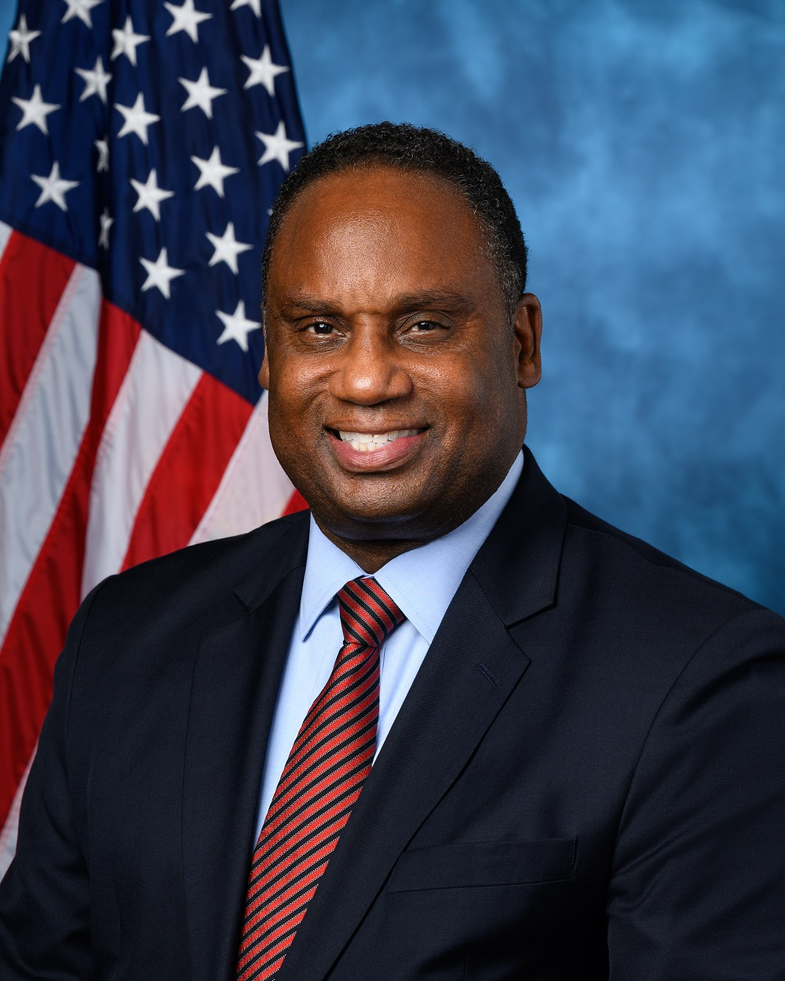
Jonathan L. Jackson
D / House
|
C
CITIGROUP, INC. COMMON STOCK
|
Purchase
$1,001 - $15,000
|
Mar 12, 2026
|
Feb 11, 2026
|
+7.85%
|
|
Ro Khanna
D / House
|
JPM
SPMORGAN CHASE & CO. LINKED TO S&P 500 INDEX
|
Sale
$15,001 - $50,000
|
Mar 09, 2026
|
Feb 10, 2026
|
+1.53%
|
|
Ro Khanna
D / House
|
BAC
BANK OF AMERICA CORP CMN
|
Purchase
$1,001 - $15,000
|
Mar 09, 2026
|
Feb 05, 2026
|
+1.35%
|
|
Jonathan L. Jackson
D / House
|
C
CITIGROUP, INC. COMMON STOCK
|
Purchase
$50,001 - $100,000
|
Mar 12, 2026
|
Feb 05, 2026
|
+7.19%
|
|
Ro Khanna
D / House
|
C
CITIGROUP INC. CMN
|
Sale
$1,001 - $15,000
|
Mar 09, 2026
|
Feb 05, 2026
|
+7.19%
|
|
Jonathan L. Jackson
D / House
|
C
CITIGROUP, INC. COMMON STOCK
|
Purchase
$1,001 - $15,000
|
Mar 12, 2026
|
Feb 04, 2026
|
+6.86%
|
|
Markwayne Mullin
R / Senate
|
C
Citigroup, Inc. Common Stock
|
Purchase
$15,001 - $50,000
|
Mar 02, 2026
|
Feb 04, 2026
|
+6.86%
|
|
Jonathan L. Jackson
D / House
|
C
CITIGROUP, INC. COMMON STOCK
|
Purchase
$15,001 - $50,000
|
Feb 23, 2026
|
Jan 30, 2026
|
+9.55%
|
|
David Taylor
R / House
|
JPM
JP MORGAN CHASE & CO. COMMON STOCK
|
Purchase
$1,001 - $15,000
|
Feb 02, 2026
|
Jan 29, 2026
|
+6.18%
|
|
Ro Khanna
D / House
|
JPM
JPMORGAN CHASE & CO CMN
|
Purchase
$15,001 - $50,000
|
Feb 06, 2026
|
Jan 29, 2026
|
+6.18%
|
|
David Taylor
R / House
|
JPM
JP MORGAN CHASE & CO. COMMON STOCK
|
Purchase
$1,001 - $15,000
|
Feb 02, 2026
|
Jan 29, 2026
|
+6.18%
|
|
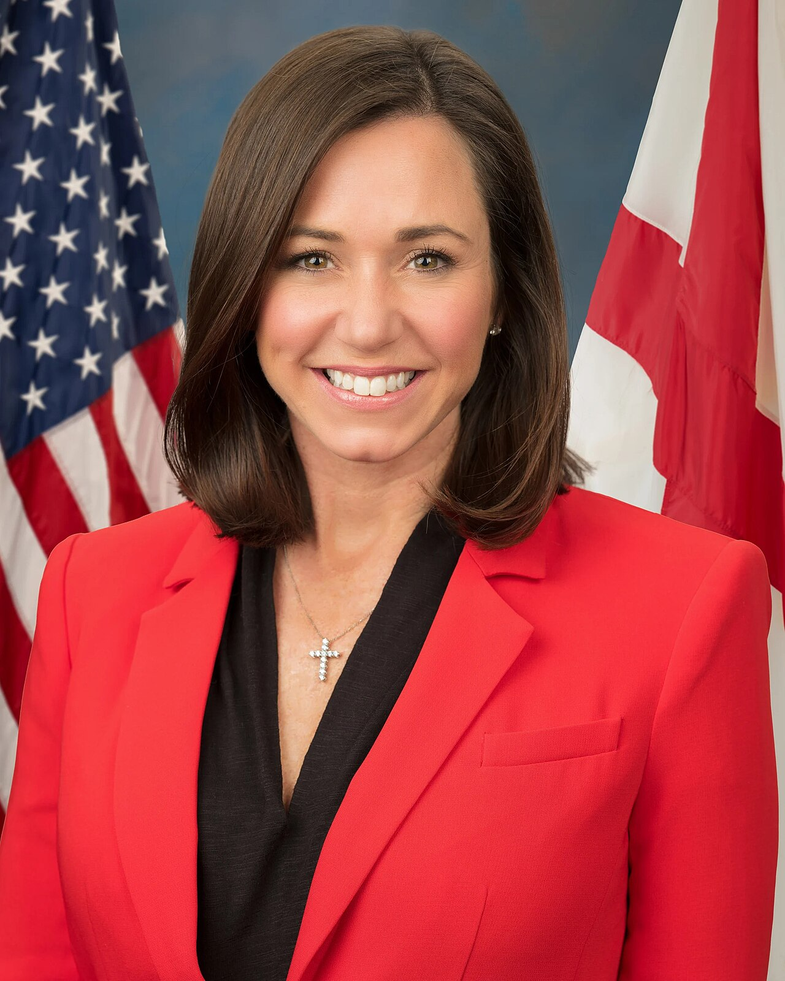
Katie Boyd Britt
R / Senate
|
JPM
JP Morgan Chase & Company
|
Sale (Full)
$1,001 - $15,000
|
Jan 29, 2026
|
Jan 28, 2026
|
+8.60%
|
|
Ro Khanna
D / House
|
BAC
BANK OF AMERICA CORPORATION HYBRID MTN 10/22/2030 USD
|
Sale
$1,001 - $15,000
|
Feb 06, 2026
|
Jan 23, 2026
|
+10.37%
|
|
Ro Khanna
D / House
|
C
CITIGROUP INC. HYBRID 03/20/2030 USD
|
Sale
$1,001 - $15,000
|
Feb 06, 2026
|
Jan 23, 2026
|
+11.37%
|
|
Ro Khanna
D / House
|
BAC
BANK OF AMERICA CORPORATION HYBRID MTN 07/23/2029 USD
|
Sale
$1,001 - $15,000
|
Feb 06, 2026
|
Jan 23, 2026
|
+10.37%
|
|
Ro Khanna
D / House
|
JPM
JPMORGAN CHASE & CO CMN
|
Purchase
$1,001 - $15,000
|
Feb 06, 2026
|
Jan 23, 2026
|
+8.81%
|
|
Ro Khanna
D / House
|
C
CITIGROUP INC. HYBRID 07/24/2028 USD
|
Sale
$1,001 - $15,000
|
Feb 06, 2026
|
Jan 23, 2026
|
+11.37%
|
|
Ro Khanna
D / House
|
BAC
BANK OF AMERICA CORP CMN
|
Sale
$1,001 - $15,000
|
Feb 06, 2026
|
Jan 22, 2026
|
+8.63%
|
|
Ro Khanna
D / House
|
BAC
BANK OF AMERICA CORP CMN
|
Sale
$15,001 - $50,000
|
Feb 06, 2026
|
Jan 22, 2026
|
+8.63%
|
|
Jonathan L. Jackson
D / House
|
JPM
JP MORGAN CHASE & CO. COMMON STOCK
|
Purchase
$1,001 - $15,000
|
Feb 23, 2026
|
Jan 20, 2026
|
+4.93%
|
|
Markwayne Mullin
R / Senate
|
C
Citigroup Inc
|
Purchase
$15,001 - $50,000
|
Feb 04, 2026
|
Jan 05, 2026
|
+1.50%
|
|
Markwayne Mullin
R / Senate
|
C
Citigroup Inc
|
Purchase
$15,001 - $50,000
|
Feb 04, 2026
|
Jan 05, 2026
|
+1.50%
|
|
Markwayne Mullin
R / Senate
|
JPM
JP Morgan Chase & Co. Common Stock
|
Purchase
$50,001 - $100,000
|
Jan 16, 2026
|
Dec 29, 2025
|
-1.03%
|
|
Roger Williams
R / House
|
JPM
JP MORGAN CHASE & CO. COMMON STOCK
|
Purchase
$1,001 - $15,000
|
Jan 15, 2026
|
Dec 22, 2025
|
-1.31%
|
|
Julie Johnson
D / House
|
BAC
BANK OF AMERICA CORPORATION COMMON STOCK
|
Sale
$1,001 - $15,000
|
Jan 15, 2026
|
Dec 18, 2025
|
+2.59%
|
|
Gilbert Ray Cisneros, Jr.
D / House
|
JPM
JP MORGAN CHASE & CO. COMMON STOCK
|
Purchase
$1,001 - $15,000
|
Dec 15, 2025
|
Nov 18, 2025
|
+3.23%
|
|
Julie Johnson
D / House
|
BAC
BANK OF AMERICA CORPORATION COMMON STOCK
|
Sale
$1,001 - $15,000
|
Dec 11, 2025
|
Nov 13, 2025
|
+4.89%
|
|
Lisa C. McClain
R / House
|
JPM
JP MORGAN CHASE & CO. COMMON STOCK
|
Sale
$1,001 - $15,000
|
Nov 21, 2025
|
Oct 31, 2025
|
+2.46%
|
|
Lisa C. McClain
R / House
|
BAC
BANK OF AMERICA CORPORATION COMMON STOCK
|
Sale
$1,001 - $15,000
|
Nov 21, 2025
|
Oct 31, 2025
|
+5.24%
|
|
Lisa C. McClain
R / House
|
BAC
BANK OF AMERICA CORPORATION COMMON STOCK
|
Sale
$1,001 - $15,000
|
Nov 21, 2025
|
Oct 30, 2025
|
+5.85%
|
|
Lisa C. McClain
R / House
|
JPM
JP MORGAN CHASE & CO. COMMON STOCK
|
Purchase
$1,001 - $15,000
|
Nov 21, 2025
|
Oct 30, 2025
|
+2.75%
|
|
Lisa C. McClain
R / House
|
BAC
BANK OF AMERICA CORPORATION COMMON STOCK
|
Purchase
$1,001 - $15,000
|
Nov 21, 2025
|
Oct 30, 2025
|
+5.85%
|
|
Lisa C. McClain
R / House
|
JPM
JP MORGAN CHASE & CO. COMMON STOCK
|
Sale
$1,001 - $15,000
|
Nov 21, 2025
|
Oct 30, 2025
|
+2.75%
|
|
Ro Khanna
D / House
|
BAC
BANK OF AMERICA CORP CMN
|
Purchase
$1,001 - $15,000
|
Nov 06, 2025
|
Oct 27, 2025
|
+6.72%
|
|
Michael T. McCaul
R / House
|
C
CITIGROUP INC COM NEW
|
Sale
$15,001 - $50,000
|
Nov 10, 2025
|
Oct 27, 2025
|
+25.94%
|
|
Gilbert Ray Cisneros, Jr.
D / House
|
JPM
JP MORGAN CHASE & CO. COMMON STOCK
|
Purchase
$1,001 - $15,000
|
Nov 18, 2025
|
Oct 17, 2025
|
+4.69%
|
|
Ro Khanna
D / House
|
JPM
JPMORGAN CHASE & CO CMN
|
Sale
$1,001 - $15,000
|
Nov 06, 2025
|
Oct 07, 2025
|
+1.58%
|
|
Ro Khanna
D / House
|
BAC
BANK OF AMERICA CORP CMN
|
Purchase
$15,001 - $50,000
|
Nov 06, 2025
|
Oct 07, 2025
|
+10.46%
|
|
Val T. Hoyle
D / House
|
BAC
BANK OF AMERICA CORPORATION COMMON STOCK
|
Sale
$1,001 - $15,000
|
Oct 10, 2025
|
Sep 23, 2025
|
+6.37%
|
|
Val T. Hoyle
D / House
|
JPM
JP MORGAN CHASE & CO. COMMON STOCK
|
Sale
$1,001 - $15,000
|
Oct 10, 2025
|
Sep 23, 2025
|
-0.98%
|
|
Ro Khanna
D / House
|
BAC
BANK OF AMERICA CORPORATION HYBRID PERPETUAL
|
Purchase
$1,001 - $15,000
|
Oct 03, 2025
|
Sep 17, 2025
|
+6.05%
|
|
Ro Khanna
D / House
|
BAC
BANK OF AMERICA CORP CMN
|
Sale
$1,001 - $15,000
|
Oct 03, 2025
|
Sep 10, 2025
|
+7.90%
|
|
Ro Khanna
D / House
|
BAC
BANK OF AMERICA CORP CMN
|
Sale
$1,001 - $15,000
|
Oct 03, 2025
|
Sep 05, 2025
|
+7.87%
|
|
Ro Khanna
D / House
|
BAC
BANK OF AMERICA CORP CMN
|
Sale
None
|
Sep 09, 2025
|
Sep 04, 2025
|
-
|
|
Ro Khanna
D / House
|
BAC
BANK OF AMERICA CORP CMN
|
Sale
$1,001 - $15,000
|
Oct 03, 2025
|
Sep 02, 2025
|
+5.00%
|
|
Ro Khanna
D / House
|
BAC
BANK OF AMERICA CORP CMN
|
Sale
$1,001 - $15,000
|
Oct 03, 2025
|
Sep 02, 2025
|
+5.00%
|
|
Michael T. McCaul
R / House
|
C
C TIGROUP INC COM NEW
|
Sale
$50,001 - $100,000
|
Sep 11, 2025
|
Aug 22, 2025
|
+27.29%
|
|
Michael T. McCaul
R / House
|
C
CITIGROUP INC COM NEW
|
Sale
$50,001 - $100,000
|
Sep 11, 2025
|
Aug 22, 2025
|
+27.29%
|
|
Ro Khanna
D / House
|
JPM
JPMORGAN CHASE & CO. LINKED TO S&P 500 INDEX
|
Purchase
$15,001 - $50,000
|
Sep 09, 2025
|
Aug 21, 2025
|
+1.97%
|
|
Ro Khanna
D / House
|
JPM
JPMORGAN CHASE & CO. LINKED TO S&P 500 INDEX
|
Purchase
$15,001 - $50,000
|
Sep 09, 2025
|
Aug 21, 2025
|
+1.97%
|
|
Julie Johnson
D / House
|
BAC
BANK OF AMERICA CORPORATION COMMON STOCK
|
Sale
$1,001 - $15,000
|
Sep 11, 2025
|
Aug 14, 2025
|
+12.89%
|
|
Ro Khanna
D / House
|
BAC
BANK OF AMERICA CORP CMN
|
Sale
$1,001 - $15,000
|
Sep 09, 2025
|
Aug 13, 2025
|
+14.20%
|
|
Ro Khanna
D / House
|
BAC
BANK OF AMERICA CORP CMN
|
Sale
$1,001 - $15,000
|
Sep 09, 2025
|
Aug 13, 2025
|
+14.20%
|
|
Ro Khanna
D / House
|
BAC
BANK OF AMERICA CORP CMN
|
Sale
$1,001 - $15,000
|
Sep 09, 2025
|
Aug 13, 2025
|
+14.20%
|
|
Adam Smith
D / House
|
C
BENEFICIARY C�������: THIS STOCK WAS PART OF THE INHERITED BENEFICIARY IRA SPOUSE RECEIVED UPON THE DEATH OF HER FATHER IN 2021. SPOUSE HAS CHOSEN TO DIVEST OF ALL THE STOCKS CONTAINED WITHIN THIS IRA. AS THIS IS AN INHERITED BENEFICIARY IRA, THERE ARE NO CAPITAL GAINS ON THIS SALE. SP CITIGROUP, INC. COMMON STOCK
|
Sale
$1,001 - $15,000
|
Aug 08, 2025
|
Aug 08, 2025
|
+29.76%
|
|
Ro Khanna
D / House
|
JPM
JPMORGAN CHASE & CO. LINKED TO S&P 500 INDEX
|
Purchase
$15,001 - $50,000
|
Aug 07, 2025
|
Jul 24, 2025
|
-0.33%
|
|
Ro Khanna
D / House
|
JPM
JPMORGAN CHASE & CO. LINKED TO S&P 500 INDEX
|
Purchase
$50,001 - $100,000
|
Aug 07, 2025
|
Jul 24, 2025
|
-0.33%
|
|
Ro Khanna
D / House
|
JPM
JPMORGAN CHASE & CO. LINKED TO S&P 500 INDEX
|
Purchase
$50,001 - $100,000
|
Aug 07, 2025
|
Jul 24, 2025
|
-0.33%
|
|
Ro Khanna
D / House
|
JPM
JPMORGAN CHASE & CO. LINKED TO "S&P 500 INDEX
|
Purchase
$50,001 - $100,000
|
Aug 07, 2025
|
Jul 24, 2025
|
-0.33%
|
|
John Boozman
R / Senate
|
JPM
JP Morgan Chase & Company
|
Sale (Partial)
$1,001 - $15,000
|
Aug 06, 2025
|
Jul 24, 2025
|
-0.33%
|
|
Ro Khanna
D / House
|
JPM
JPMORGAN CHASE & CO. LINKED TO S&P 500 INDEX
|
Purchase
$15,001 - $50,000
|
Aug 07, 2025
|
Jul 24, 2025
|
-0.33%
|
|
Ro Khanna
D / House
|
BAC
BANK OF AMERICA CORPORATION HYBRID PERPETUAL
|
Purchase
$1,001 - $15,000
|
Aug 07, 2025
|
Jul 23, 2025
|
+9.69%
|
|
Ro Khanna
D / House
|
BAC
BANK OF AMERICA CORPORATION HYBRID PERPETUAL
|
Purchase
$1,001 - $15,000
|
Aug 07, 2025
|
Jul 21, 2025
|
+10.47%
|
|
Angus S. King Jr.
I / Senate
|
BAC
Bank of America Corp
|
Purchase
$1,001 - $15,000
|
Aug 18, 2025
|
Jul 21, 2025
|
+10.47%
|
|
Ro Khanna
D / House
|
BAC
BANK OF AMERICA CORPORATION HYBRID PERPETUAL
|
Purchase
$1,001 - $15,000
|
Aug 07, 2025
|
Jul 21, 2025
|
+10.47%
|
|
Ro Khanna
D / House
|
BAC
BANK OF AMERICA CORPORATION HYBRID PERPETUAL
|
Purchase
$1,001 - $15,000
|
Aug 07, 2025
|
Jul 21, 2025
|
+10.47%
|
|
Angus S. King Jr.
I / Senate
|
JPM
JP Morgan Chase & Company
|
Purchase
$1,001 - $15,000
|
Aug 18, 2025
|
Jul 21, 2025
|
+0.87%
|
|
Shelley Moore Capito
R / Senate
|
JPM
JP Morgan Chase & Company
|
Sale (Partial)
$1,001 - $15,000
|
Aug 04, 2025
|
Jul 18, 2025
|
+0.52%
|
|
Ro Khanna
D / House
|
JPM
JPMORGAN CHASE & CO. LINKED TO S&P 500 INDEX
|
Purchase
$15,001 - $50,000
|
Aug 07, 2025
|
Jul 17, 2025
|
+1.16%
|
|
Ro Khanna
D / House
|
JPM
JPMORGAN CHASE & CO. LINKED TO S&P 500 INDEX
|
Purchase
$15,001 - $50,000
|
Aug 07, 2025
|
Jul 17, 2025
|
+1.16%
|
|
Ro Khanna
D / House
|
JPM
JPMORGAN CHASE & CO. UNKED TO S&P 500 INDEX
|
Purchase
$50,001 - $100,000
|
Aug 07, 2025
|
Jul 17, 2025
|
+1.16%
|
|
Ro Khanna
D / House
|
JPM
JPMORGAN CHASE & CO. LINKED TO S&P 500 INDEX
|
Purchase
$15,001 - $50,000
|
Aug 07, 2025
|
Jul 17, 2025
|
+1.16%
|
|
Ro Khanna
D / House
|
JPM
JPMORGAN CHASE & CO. LINKED TO "S&P 500 INDEX
|
Purchase
$15,001 - $50,000
|
Aug 07, 2025
|
Jul 17, 2025
|
+1.16%
|
|
Ro Khanna
D / House
|
JPM
JPMORGAN CHASE & CO. LINKED TO “S&P 500 INDEX
|
Purchase
$100,001 - $250,000
|
Aug 07, 2025
|
Jul 17, 2025
|
+1.16%
|
|
Ro Khanna
D / House
|
JPM
UPMORGAN CHASE & CO. LINKED TO S&P 500 INDEX
|
Purchase
$100,001 - $250,000
|
Aug 07, 2025
|
Jul 17, 2025
|
+1.16%
|
|
Ro Khanna
D / House
|
JPM
JPMORGAN CHASE & CO. LINKED TO S&P 500 INDEX
|
Purchase
$50,001 - $100,000
|
Aug 07, 2025
|
Jul 17, 2025
|
+1.16%
|
|
Ritchie Torres
D / House
|
JPM
C�������: THIS INVESTMENT IS HELD WITHIN A PUBLICLY AVAILABLE, WIDELY HELD INDEPENDENTLY MANAGED PORTFOLIO OVER WHICH I HAVE NO AUTHORITY TO EXERCISE CONTROL OVER OR INFLUENCE THE FINANCIAL INTERESTS HELD BY THE PORTFOLIO. THE ASSETS OF THE PORTFOLIO ARE WIDELY DIVERSIFIED, AND ALL INVESTMENT DECISIONS ARE MADE SOLELY BY THE INDEPENDENT MANAGER, WITHOUT MY INPUT OR DIRECTION. JP MORGAN CHASE & CO. COMMON STOCK
|
Sale
$1,001 - $15,000
|
Aug 20, 2025
|
Jul 11, 2025
|
+1.62%
|
|
Ritchie Torres
D / House
|
C
C�������: THIS INVESTMENT IS HELD WITHIN A PUBLICLY AVAILABLE, WIDELY HELD INDEPENDENTLY MANAGED PORTFOLIO OVER WHICH I HAVE NO AUTHORITY TO EXERCISE CONTROL OVER OR INFLUENCE THE FINANCIAL INTERESTS HELD BY THE PORTFOLIO. THE ASSETS OF THE PORTFOLIO ARE WIDELY DIVERSIFIED, AND ALL INVESTMENT DECISIONS ARE MADE SOLELY BY THE INDEPENDENT MANAGER, WITHOUT MY INPUT OR DIRECTION. CITIGROUP, INC. COMMON STOCK
|
Sale
$1,001 - $15,000
|
Aug 20, 2025
|
Jul 11, 2025
|
+37.50%
|
|
Ritchie Torres
D / House
|
BAC
C�������: THIS INVESTMENT IS HELD WITHIN A PUBLICLY AVAILABLE, WIDELY HELD INDEPENDENTLY MANAGED PORTFOLIO OVER WHICH I HAVE NO AUTHORITY TO EXERCISE CONTROL OVER OR INFLUENCE THE FINANCIAL INTERESTS HELD BY THE PORTFOLIO. THE ASSETS OF THE PORTFOLIO ARE WIDELY DIVERSIFIED, AND ALL INVESTMENT DECISIONS ARE MADE SOLELY BY THE INDEPENDENT MANAGER, WITHOUT MY INPUT OR DIRECTION. BANK OF AMERICA CORPORATION COMMON STOCK
|
Sale
$1,001 - $15,000
|
Aug 20, 2025
|
Jul 11, 2025
|
+11.59%
|
|
Ro Khanna
D / House
|
JPM
JPMORGAN CHASE & CO. LINKED TO S&P 500 INDEX
|
Purchase
$250,001 - $500,000
|
Aug 07, 2025
|
Jul 07, 2025
|
-1.12%
|
|
Ro Khanna
D / House
|
JPM
JPMORGAN CHASE & CO. LINKED TO S&P 500 INDEX
|
Purchase
$250,001 - $500,000
|
Aug 07, 2025
|
Jul 07, 2025
|
-1.12%
|
|
Val T. Hoyle
D / House
|
JPM
JP MORGAN CHASE & CO. COMMON STOCK
|
Sale
$1,001 - $15,000
|
Sep 12, 2025
|
Jul 02, 2025
|
-1.20%
|
|
Ro Khanna
D / House
|
BAC
BANK OF AMERICA CORP CMN
|
Purchase
$1,001 - $15,000
|
Aug 07, 2025
|
Jul 01, 2025
|
+6.46%
|
|
Ro Khanna
D / House
|
BAC
BANK OF AMERICA CORP CMN
|
Purchase
$1,001 - $15,000
|
Aug 07, 2025
|
Jul 01, 2025
|
+6.46%
|
|
Ro Khanna
D / House
|
JPM
JPMORGAN CHASE & CO. HYBRID PERPETUAL USD
|
Purchase
$1,001 - $15,000
|
Aug 07, 2025
|
Jul 01, 2025
|
-1.08%
|
|
Cleo Fields
D / House
|
JPM
JP MORGAN CHASE & CO. COMMON STOCK
|
Purchase
$15,001 - $50,000
|
Jul 01, 2025
|
Jun 30, 2025
|
-0.81%
|
|
Ro Khanna
D / House
|
BAC
BANK OF AMERICA CORP CMN
|
Sale
$1,001 - $15,000
|
Jul 09, 2025
|
Jun 27, 2025
|
+9.12%
|
|
Michael T. McCaul
R / House
|
C
CITIGROUP INC COM NEW
|
Sale
$100,001 - $250,000
|
Jul 07, 2025
|
Jun 27, 2025
|
+40.60%
|
|
Ro Khanna
D / House
|
JPM
JPMORGAN CHASE & CO. LINKED TO S&P 500 INDEX
|
Purchase
$50,001 - $100,000
|
Jul 09, 2025
|
Jun 26, 2025
|
-1.16%
|
|
Ro Khanna
D / House
|
BAC
BANK OF AMERICA CORP CMN
|
Sale
$50,001 - $100,000
|
Jul 09, 2025
|
Jun 26, 2025
|
+7.56%
|
|
Ro Khanna
D / House
|
JPM
JPMORGAN CHASE & CO. LINKED TO S&P 500 INDEX
|
Purchase
$50,001 - $100,000
|
Jul 09, 2025
|
Jun 26, 2025
|
-1.16%
|
|
Shelley Moore Capito
R / Senate
|
C
Citigroup Inc
|
Sale (Partial)
$1,001 - $15,000
|
Jul 04, 2025
|
Jun 18, 2025
|
+49.26%
|
|
Lisa C. McClain
R / House
|
BAC
BANK OF AMERICA CORPORATION COMMON STOCK
|
Purchase
$1,001 - $15,000
|
Aug 13, 2025
|
Jun 17, 2025
|
+13.85%
|
|
Lisa C. McClain
R / House
|
JPM
JP MORGAN CHASE & CO. COMMON STOCK
|
Purchase
$1,001 - $15,000
|
Aug 13, 2025
|
Jun 17, 2025
|
+4.28%
|
|
Scott Franklin
R / House
|
JPM
JP MORGAN CHASE & CO. COMMON STOCK
|
Sale
$15,001 - $50,000
|
Jul 14, 2025
|
Jun 16, 2025
|
+4.96%
|
|
Lisa C. McClain
R / House
|
JPM
JP MORGAN CHASE & CO. COMMON STOCK
|
Purchase
$1,001 - $15,000
|
Aug 13, 2025
|
Jun 11, 2025
|
+5.77%
|
|
David Taylor
R / House
|
JPM
JP MORGAN CHASE & CO. COMMON STOCK
|
Sale
$1,001 - $15,000
|
Jun 26, 2025
|
Jun 11, 2025
|
+5.77%
|
|
Ro Khanna
D / House
|
BAC
BANK OF AMERICA CORP CMN
|
Sale
$1,001 - $15,000
|
Jul 09, 2025
|
Jun 10, 2025
|
+12.31%
|
|
Lisa C. McClain
R / House
|
JPM
JP MORGAN CHASE & CO. COMMON STOCK
|
Sale
$1,001 - $15,000
|
Aug 13, 2025
|
Jun 10, 2025
|
+5.90%
|
|
Lisa C. McClain
R / House
|
JPM
JP MORGAN CHASE & CO. COMMON STOCK
|
Purchase
$1,001 - $15,000
|
Aug 13, 2025
|
Jun 09, 2025
|
+6.10%
|
|
Val T. Hoyle
D / House
|
BAC
BANK OF AMERICA CORPORATION COMMON STOCK
|
Purchase
$1,001 - $15,000
|
Sep 12, 2025
|
Jun 06, 2025
|
+11.82%
|
|
Ro Khanna
D / House
|
BAC
BANK OF AMERICA CORPORATION HYBRID PERPETUAL
|
Purchase
$1,001 - $15,000
|
Jul 09, 2025
|
Jun 04, 2025
|
+13.03%
|
|
Ro Khanna
D / House
|
BAC
BANK OF AMERICA CORPORATION HYBRID PERPETUAL
|
Purchase
$1,001 - $15,000
|
Jul 09, 2025
|
Jun 04, 2025
|
+13.03%
|
|
Ro Khanna
D / House
|
BAC
BANK OF AMERICA CORPORATION HYBRID PERPETUAL
|
Purchase
$1,001 - $15,000
|
Jul 09, 2025
|
Jun 02, 2025
|
+13.29%
|
|
Ro Khanna
D / House
|
BAC
BANK OF AMERICA CORPORATION HYBRID PERPETUAL
|
Purchase
$1,001 - $15,000
|
Jul 09, 2025
|
Jun 02, 2025
|
+13.29%
|
|
Ro Khanna
D / House
|
BAC
BANK OF AMERICA CORP CMN
|
Purchase
$1,001 - $15,000
|
Jun 10, 2025
|
May 28, 2025
|
+12.24%
|
|
Ro Khanna
D / House
|
BAC
BÄNK OF AMERICA CORP CMN
|
Sale
$1,001 - $15,000
|
Jun 10, 2025
|
May 16, 2025
|
+11.66%
|
|
Ro Khanna
D / House
|
BAC
BANK OF AMERICA CORP CMN
|
Sale
$1,001 - $15,000
|
Jun 10, 2025
|
May 16, 2025
|
+11.66%
|
|
Robert Bresnahan
R / House
|
JPM
JP MORGAN CHASE & CO. COMMON STOCK
|
Purchase
$1,001 - $15,000
|
Jun 09, 2025
|
May 15, 2025
|
+3.73%
|
|
Ro Khanna
D / House
|
BAC
BANK OF AMERICA CORPORATION HYBRID PERPETUAL
|
Purchase
$1,001 - $15,000
|
Jun 10, 2025
|
May 15, 2025
|
+11.82%
|
|
Ro Khanna
D / House
|
BAC
BANK OF AMERICA CORPORATION HYBRID PERPETUAL
|
Purchase
$1,001 - $15,000
|
Jun 10, 2025
|
May 15, 2025
|
+11.82%
|
|
Jefferson Shreve
R / House
|
BAC
BANK OF AMERICA CORPORATION COMMON STOCK
|
Sale
$15,001 - $50,000
|
Jun 22, 2025
|
May 12, 2025
|
+13.49%
|
|
Jefferson Shreve
R / House
|
JPM
JP MORGAN CHASE & CO. COMMON STOCK
|
Sale
$100,001 - $250,000
|
Jun 22, 2025
|
May 12, 2025
|
+5.89%
|
|
Jefferson Shreve
R / House
|
BAC
BANK OF AMERICA CORPORATION COMMON STOCK
|
Purchase
$15,001 - $50,000
|
Jun 22, 2025
|
May 08, 2025
|
+15.42%
|
|
Marjorie Taylor Greene
R / House
|
BAC
BANK OF AMERICA CORPORATION COMMON STOCK
|
Purchase
$1,001 - $15,000
|
May 06, 2025
|
May 05, 2025
|
+16.82%
|
|
Marjorie Taylor Greene
R / House
|
JPM
JP MORGAN CHASE & CO. COMMON STOCK
|
Purchase
$1,001 - $15,000
|
May 06, 2025
|
May 05, 2025
|
+5.42%
|
|
Ro Khanna
D / House
|
BAC
BANK OF AMERICA CORPORATION HYBRID PERPETUAL
|
Purchase
$1,001 - $15,000
|
May 12, 2025
|
Apr 24, 2025
|
+18.55%
|
|
Ro Khanna
D / House
|
C
CITIGROUP INC. CMN
|
Purchase
$15,001 - $50,000
|
May 12, 2025
|
Apr 23, 2025
|
+66.61%
|
|
Bruce Westerman
R / House
|
JPM
JP MORGAN CHASE & CO. COMMON STOCK
|
Sale
$1,001 - $15,000
|
May 12, 2025
|
Apr 21, 2025
|
+6.83%
|
|
Bruce Westerman
R / House
|
BAC
BANK OF AMERICA CORPORATION COMMON STOCK
|
Sale
$1,001 - $15,000
|
May 12, 2025
|
Apr 21, 2025
|
+21.07%
|
|
Bruce Westerman
R / House
|
C
CITIGROUP, INC. COMMON STOCK
|
Sale
$1,001 - $15,000
|
May 12, 2025
|
Apr 21, 2025
|
+72.71%
|
|
Ro Khanna
D / House
|
C
CITIGROUP INC. LINKED TO S&P 500 INDEX
|
Purchase
$100,001 - $250,000
|
May 12, 2025
|
Apr 16, 2025
|
+78.15%
|
|
Tommy Tuberville
R / Senate
|
JPM
JP Morgan Chase & Company
|
Sale (Full)
$15,001 - $50,000
|
May 15, 2025
|
Apr 15, 2025
|
+10.61%
|
|
Ro Khanna
D / House
|
C
CITIGROUP INC. CMN
|
Purchase
$15,001 - $50,000
|
May 12, 2025
|
Apr 15, 2025
|
+73.60%
|
|
Val T. Hoyle
D / House
|
JPM
JP MORGAN CHASE & CO. COMMON STOCK
|
Sale
$1,001 - $15,000
|
Sep 12, 2025
|
Apr 15, 2025
|
+10.61%
|
|
John Boozman
R / Senate
|
BAC
Bank of America Corp
|
Sale (Partial)
$1,001 - $15,000
|
May 14, 2025
|
Apr 15, 2025
|
+22.82%
|
|
Ro Khanna
D / House
|
JPM
JPMORGAN CHASE & CO CMN
|
Purchase
$1,001 - $15,000
|
May 12, 2025
|
Apr 15, 2025
|
+10.61%
|
|
Katie Boyd Britt
R / Senate
|
JPM
JP Morgan Chase & Company
|
Purchase
$1,001 - $15,000
|
Jan 26, 2026
|
Apr 14, 2025
|
+9.97%
|
|
Julia Letlow
R / House
|
C
CITIGROUP, INC. COMMON STOCK
|
Sale
$1,001 - $15,000
|
Jan 13, 2026
|
Apr 11, 2025
|
+81.99%
|
|
Ro Khanna
D / House
|
C
CITIGROUP INC. CMN
|
Sale
$1,001 - $15,000
|
May 12, 2025
|
Apr 09, 2025
|
+75.63%
|
|
Ro Khanna
D / House
|
BAC
BANK OF AMERICA CORP CMN
|
Sale
$15,001 - $50,000
|
May 12, 2025
|
Apr 09, 2025
|
+27.98%
|
|
John Boozman
R / Senate
|
JPM
JP Morgan Chase & Company
|
Sale (Partial)
$1,001 - $15,000
|
May 14, 2025
|
Apr 08, 2025
|
+10.44%
|
|
Robert Bresnahan
R / House
|
BAC
BANK OF AMERICA CORPORATION COMMON STOCK
|
Sale
$1,001 - $15,000
|
May 08, 2025
|
Apr 08, 2025
|
+25.14%
|
|
Marjorie Taylor Greene
R / House
|
JPM
JP MORGAN CHASE & CO. COMMON STOCK
|
Purchase
$1,001 - $15,000
|
Apr 11, 2025
|
Apr 08, 2025
|
+10.44%
|
|
Julie Johnson
D / House
|
JPM
JP MORGAN CHASE & CO. COMMON STOCK
|
Sale
$1,001 - $15,000
|
May 14, 2025
|
Apr 07, 2025
|
+14.56%
|
|
Jefferson Shreve
R / House
|
BAC
BANK OF AMERICA CORPORATION COMMON STOCK
|
Sale
$50,001 - $100,000
|
May 08, 2025
|
Apr 07, 2025
|
+24.64%
|
|
Ro Khanna
D / House
|
BAC
BANK OF AMERICA CORP CMN
|
Sale
$1,001 - $15,000
|
May 12, 2025
|
Apr 07, 2025
|
+24.64%
|
|
Ro Khanna
D / House
|
BAC
BANK OF AMERICA CORP CMN
|
Sale
$1,001 - $15,000
|
May 12, 2025
|
Apr 07, 2025
|
+24.64%
|
|
Ro Khanna
D / House
|
JPM
JPMORGAN CHASE &CO. COM
|
Purchase
$1,001 - $15,000
|
May 12, 2025
|
Apr 04, 2025
|
+18.49%
|
|
Ro Khanna
D / House
|
BAC
BANK OF AMERICA CORP CMN
|
Purchase
$1,001 - $15,000
|
May 12, 2025
|
Apr 04, 2025
|
+31.37%
|
|
Ro Khanna
D / House
|
BAC
BANK OF AMERICA CORP CMN
|
Purchase
$1,001 - $15,000
|
May 12, 2025
|
Apr 04, 2025
|
+31.37%
|
|
Ro Khanna
D / House
|
JPM
JPMORGAN CHASE &CO. COM
|
Purchase
$1,001 - $15,000
|
May 12, 2025
|
Apr 04, 2025
|
+18.49%
|
|
Marjorie Taylor Greene
R / House
|
JPM
JP MORGAN CHASE & CO. COMMON STOCK
|
Purchase
$1,001 - $15,000
|
Apr 07, 2025
|
Apr 04, 2025
|
+18.49%
|
|
Ro Khanna
D / House
|
JPM
JPMORGAN CHASE &CO. COM
|
Purchase
$1,001 - $15,000
|
May 12, 2025
|
Apr 04, 2025
|
+18.49%
|
|
Ashley Moody
R / Senate
|
JPM
JPM
|
Purchase
$15,001 - $50,000
|
May 13, 2025
|
Apr 04, 2025
|
+18.49%
|
|
Greg Landsman
D / House
|
JPM
JP MORGAN CHASE & CO. COMMON STOCK
|
Sale
$15,001 - $50,000
|
Apr 08, 2025
|
Mar 27, 2025
|
+8.78%
|
|
George Whitesides
D / House
|
JPM
STOCK, COMPANY-SPECIFIC HOLDINGS INTO PASSIVE ETFS AND MUTUAL FUNDS, PER BEST PRACTICES. C�������: TO AVOID ANY POSSIBLE CONFLICTS OF INTEREST WITH MY FUTURE CONGRESSIONAL WORK, I’M TRANSITIONING MY SINGLE STOCK, COMPANY-SPECIFIC HOLDINGS INTO PASSIVE ETFS AND MUTUAL FUNDS, PER BEST PRACTICES. JP MORGAN CHASE & CO. COMMON STOCK
|
Sale
$50,001 - $100,000
|
Apr 23, 2025
|
Mar 24, 2025
|
+10.90%
|
|
George Whitesides
D / House
|
BAC
STOCK, COMPANY-SPECIFIC HOLDINGS INTO PASSIVE ETFS AND MUTUAL FUNDS, PER BEST PRACTICES. C�������: TO AVOID ANY POSSIBLE CONFLICTS OF INTEREST WITH MY FUTURE CONGRESSIONAL WORK, I’M TRANSITIONING MY SINGLE STOCK, COMPANY-SPECIFIC HOLDINGS INTO PASSIVE ETFS AND MUTUAL FUNDS, PER BEST PRACTICES. BANK OF AMERICA CORPORATION COMMON STOCK
|
Sale
$15,001 - $50,000
|
Apr 23, 2025
|
Mar 24, 2025
|
+12.84%
|
|
George Whitesides
D / House
|
C
STOCK, COMPANY-SPECIFIC HOLDINGS INTO PASSIVE ETFS AND MUTUAL FUNDS, PER BEST PRACTICES. C�������: TO AVOID ANY POSSIBLE CONFLICTS OF INTEREST WITH MY FUTURE CONGRESSIONAL WORK, I’M TRANSITIONING MY SINGLE STOCK, COMPANY-SPECIFIC HOLDINGS INTO PASSIVE ETFS AND MUTUAL FUNDS, PER BEST PRACTICES. CITIGROUP, INC. COMMON STOCK
|
Sale
$15,001 - $50,000
|
Apr 23, 2025
|
Mar 24, 2025
|
+54.78%
|
|
Byron Donalds
R / House
|
JPM
JP MORGAN CHASE & CO. COMMON STOCK
|
Sale
$1,001 - $15,000
|
Apr 14, 2025
|
Mar 20, 2025
|
+13.97%
|
|
Byron Donalds
R / House
|
JPM
JP MORGAN CHASE & CO. COMMON STOCK
|
Sale
$1,001 - $15,000
|
Apr 14, 2025
|
Mar 20, 2025
|
+13.97%
|
|
Ro Khanna
D / House
|
BAC
BANK OF AMERICA CORPORATION HYBRID PERPETUAL USD
|
Purchase
$1,001 - $15,000
|
Apr 10, 2025
|
Mar 17, 2025
|
+16.54%
|
|
Val T. Hoyle
D / House
|
JPM
JP MORGAN CHASE & CO. COMMON STOCK
|
Sale
$1,001 - $15,000
|
Sep 12, 2025
|
Mar 13, 2025
|
+19.63%
|
|
Jefferson Shreve
R / House
|
JPM
JP MORGAN CHASE & CO. COMMON STOCK
|
Sale
$15,001 - $50,000
|
Apr 11, 2025
|
Mar 13, 2025
|
+19.63%
|
|
Ro Khanna
D / House
|
BAC
BANK OF AMERICA CORP CMN
|
Purchase
$15,001 - $50,000
|
Apr 10, 2025
|
Mar 12, 2025
|
+20.33%
|
|
Ro Khanna
D / House
|
C
CITIGROUP INC. CMN
|
Sale
$15,001 - $50,000
|
Apr 10, 2025
|
Mar 12, 2025
|
+67.55%
|
|
David Taylor
R / House
|
JPM
JP MORGAN CHASE & CO. COMMON STOCK
|
Purchase
$1,001 - $15,000
|
Apr 03, 2025
|
Mar 10, 2025
|
+17.12%
|
|
Bruce Westerman
R / House
|
JPM
JP MORGAN CHASE & CO. COMMON STOCK
|
Purchase
$1,001 - $15,000
|
Apr 16, 2025
|
Mar 03, 2025
|
+5.84%
|
|
Bruce Westerman
R / House
|
BAC
BANK OF AMERICA CORPORATION COMMON STOCK
|
Purchase
$1,001 - $15,000
|
Apr 16, 2025
|
Mar 03, 2025
|
+6.75%
|
|
Bruce Westerman
R / House
|
C
CITIGROUP, INC. COMMON STOCK
|
Purchase
$1,001 - $15,000
|
Apr 16, 2025
|
Mar 03, 2025
|
+49.04%
|
|
Ro Khanna
D / House
|
JPM
JPMORGAN CHASE & CO CMN
|
Sale
$1,001 - $15,000
|
Mar 06, 2025
|
Feb 25, 2025
|
+9.82%
|
|
Tim Walberg
R / House
|
BAC
BANK OF AMERICA CORPORATION COMMON STOCK
|
Purchase
$15,001 - $50,000
|
Jun 03, 2026
|
Feb 07, 2025
|
+5.03%
|
|
Ro Khanna
D / House
|
BAC
BANK OF AMERICA CORP CMN
|
Sale
$1,001 - $15,000
|
Mar 06, 2025
|
Feb 06, 2025
|
+5.32%
|
|
Ro Khanna
D / House
|
BAC
BANK OF AMERICA CORP CMN
|
Sale
$1,001 - $15,000
|
Mar 06, 2025
|
Feb 06, 2025
|
+5.32%
|
|
John Boozman
R / Senate
|
JPM
JP Morgan Chase & Company
|
Sale (Partial)
$1,001 - $15,000
|
Mar 06, 2025
|
Feb 05, 2025
|
+5.28%
|
|
John Boozman
R / Senate
|
BAC
Bank of America Corp
|
Sale (Partial)
$1,001 - $15,000
|
Mar 06, 2025
|
Feb 05, 2025
|
+6.63%
|
|
Ro Khanna
D / House
|
JPM
JPMORGAN CHASE & CO. HYBRID PERPETUAL
|
Purchase
$1,001 - $15,000
|
Mar 06, 2025
|
Feb 03, 2025
|
+5.71%
|
|
Ro Khanna
D / House
|
JPM
JPMORGAN CHASE & CO. HYBRID PERPETUAL USD
|
Purchase
$1,001 - $15,000
|
Mar 06, 2025
|
Feb 03, 2025
|
+5.71%
|
|
Julia Letlow
R / House
|
C
CITIGROUP, INC. COMMON STOCK
|
Purchase
$1,001 - $15,000
|
Jan 13, 2026
|
Jan 31, 2025
|
+43.51%
|
|
David Taylor
R / House
|
JPM
JP MORGAN CHASE & CO. COMMON STOCK
|
Sale
$1,001 - $15,000
|
Apr 03, 2025
|
Jan 30, 2025
|
+6.52%
|
|
Ro Khanna
D / House
|
JPM
JPMORGAN CHASE & CO. HYBRID PERPETUAL
|
Purchase
$1,001 - $15,000
|
Feb 06, 2025
|
Jan 28, 2025
|
+6.96%
|
|
Val T. Hoyle
D / House
|
JPM
JP MORGAN CHASE & CO. COMMON STOCK
|
Purchase
$1,001 - $15,000
|
Sep 12, 2025
|
Jan 24, 2025
|
+8.83%
|
|
Ro Khanna
D / House
|
C
CITIGROUP INC. CMN
|
Sale
$1,001 - $15,000
|
Feb 06, 2025
|
Jan 22, 2025
|
+43.94%
|
|
Shelley Moore Capito
R / Senate
|
JPM
JP Morgan Chase & Company
|
Sale (Partial)
$1,001 - $15,000
|
Feb 13, 2025
|
Jan 17, 2025
|
+9.59%
|
|
Marjorie Taylor Greene
R / House
|
JPM
JP MORGAN CHASE & CO. COMMON STOCK
|
Purchase
$1,001 - $15,000
|
Jan 27, 2025
|
Jan 08, 2025
|
+16.93%
|
|
Marjorie Taylor Greene
R / House
|
JPM
JP MORGAN CHASE & CO. COMMON STOCK
|
Purchase
$1,001 - $15,000
|
Jan 27, 2025
|
Jan 08, 2025
|
+16.93%
|
|
Marjorie Taylor Greene
R / House
|
JPM
JP MORGAN CHASE & CO. COMMON STOCK
|
Purchase
$1,001 - $15,000
|
Jan 27, 2025
|
Jan 08, 2025
|
+16.93%
|
|
Marjorie Taylor Greene
R / House
|
JPM
JP MORGAN CHASE & CO. COMMON STOCK
|
Purchase
$1,001 - $15,000
|
Jan 27, 2025
|
Jan 08, 2025
|
+16.93%
|
|
Marjorie Taylor Greene
R / House
|
JPM
JP MORGAN CHASE & CO. COMMON STOCK
|
Purchase
$1,001 - $15,000
|
Nov 27, 2024
|
Nov 25, 2024
|
+14.41%
|
|
Michael T. McCaul
R / House
|
C
CITIGROUP INC COM NEW
|
Purchase
$50,001 - $100,000
|
Dec 16, 2024
|
Nov 19, 2024
|
+72.91%
|
|
Michael T. McCaul
R / House
|
C
CITIGROUP INC COM NEW
|
Purchase
$1,001 - $15,000
|
Dec 16, 2024
|
Nov 19, 2024
|
+72.91%
|
|
Ro Khanna
D / House
|
JPM
JPMORGAN CHASE & CO CMN
|
Purchase
$1,001 - $15,000
|
Dec 05, 2024
|
Nov 15, 2024
|
+14.75%
|
|
Jared Moskowitz
D / House
|
JPM
JP MORGAN CHASE & CO. COMMON STOCK
|
Purchase
$1,001 - $15,000
|
Dec 09, 2024
|
Nov 08, 2024
|
+22.57%
|
|
Val T. Hoyle
D / House
|
BAC
BANK OF AMERICA CORPORATION COMMON STOCK
|
Purchase
$1,001 - $15,000
|
Sep 12, 2025
|
Oct 29, 2024
|
+16.03%
|
|
Val T. Hoyle
D / House
|
JPM
JP MORGAN CHASE & CO. COMMON STOCK
|
Purchase
$1,001 - $15,000
|
Sep 12, 2025
|
Oct 29, 2024
|
+28.44%
|
|
Julia Letlow
R / House
|
JPM
JP MORGAN CHASE & CO. COMMON STOCK
|
Purchase
$1,001 - $15,000
|
Jan 13, 2026
|
Oct 23, 2024
|
+27.21%
|
|
Marjorie Taylor Greene
R / House
|
JPM
JP MORGAN CHASE & CO. COMMON STOCK
|
Purchase
$1,001 - $15,000
|
Oct 08, 2024
|
Oct 04, 2024
|
+35.25%
|
|
Ro Khanna
D / House
|
C
CITIGROUP INC. HYBRID PERPETUAL
|
Purchase
$1,001 - $15,000
|
Nov 08, 2024
|
Oct 02, 2024
|
+89.42%
|
|
Ro Khanna
D / House
|
JPM
JPMORGAN CHASE & CO. HYBRID PERPETUAL USD
|
Purchase
$1,001 - $15,000
|
Nov 08, 2024
|
Oct 02, 2024
|
+37.47%
|
|
Ritchie Torres
D / House
|
JPM
C�������: THIS INVESTMENT IS HELD WITHIN A PUBLICLY AVAILABLE, WIDELY HELD INDEPENDENTLY MANAGED PORTFOLIO OVER WHICH I HAVE NO AUTHORITY TO EXERCISE CONTROL OVER OR INFLUENCE THE FINANCIAL INTERESTS HELD BY THE PORTFOLIO. THE ASSETS OF THE PORTFOLIO ARE WIDELY DIVERSIFIED, AND ALL INVESTMENT DECISIONS ARE MADE SOLELY BY THE INDEPENDENT MANAGER, WITHOUT MY INPUT OR DIRECTION. JP MORGAN CHASE & CO. COMMON STOCK
|
Purchase
$1,001 - $15,000
|
Aug 20, 2025
|
Sep 26, 2024
|
+36.67%
|