
H.R. 5736: Penicillin Allergy Verification and Evaluation Act
This bill, titled the Penicillin Allergy Verification and Evaluation Act
or PAVE Act, aims to enhance the Medicare program by including a process for verifying and evaluating reported penicillin allergies as part of preventive healthcare services. Specifically, the bill proposes to amend the Social Security Act to ensure that the verification of penicillin allergies is a routine element of initial preventive physical examinations and annual wellness visits for seniors receiving Medicare.
Key Provisions of the Bill
The bill introduces the following key components:
- Inclusion in Preventive Services: The bill mandates that
penicillin allergy verification and evaluation
be recognized as part of the initial preventive physical examination covered under Medicare. - Annual Wellness Visit: It also adds this verification to the annual wellness visits that Medicare participants receive, supporting ongoing health evaluations.
- Definition of Evaluation Process: The evaluation process includes:
- Identifying individuals who report a history of penicillin allergy.
- Assessing whether the reported reactions are consistent with actual allergic reactions or if they require re-evaluation.
- Providing information about the potential negative impacts of a penicillin allergy label on patient outcomes.
- Making referrals to allergy or immunology specialists when appropriate.
- Separate Payment Structure: The bill establishes that providers can receive separate payments for these independent allergy evaluation services on the same day as the wellness visits.
- Effective Date: The amendments would take effect for relevant examinations and visits on or after January 1, 2027.
Background Context
The bill is informed by various findings that highlight the prevalence of self-reported penicillin allergies among patients and the significant implications of these labels. Research indicates that a large majority of individuals who believe they are allergic to penicillin can safely use the drug after testing. The inaccurate labeling can lead to negative health outcomes, including longer hospital stays, increased risks of infections, and higher mortality rates.
Furthermore, studies have illustrated that the evaluation of penicillin allergies can be a cost-effective intervention, promoting better antibiotic stewardship among healthcare providers.
Conclusion of Summary
Overall, the PAVE Act is intended to address the impact of penicillin allergy labeling within the Medicare population, enhancing healthcare delivery and potentially improving patient outcomes through more accurate assessments.
Relevant Companies
None found
This is an AI-generated summary of the bill text. There may be mistakes.
Sponsors
10 bill sponsors
-
TrackH. Morgan Griffith

Sponsor
-
TrackJake Auchincloss

Co-Sponsor
-
TrackDon Bacon
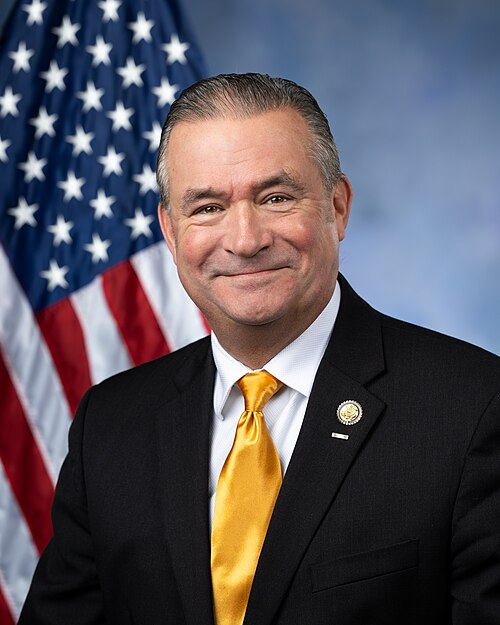
Co-Sponsor
-
TrackAmi Bera
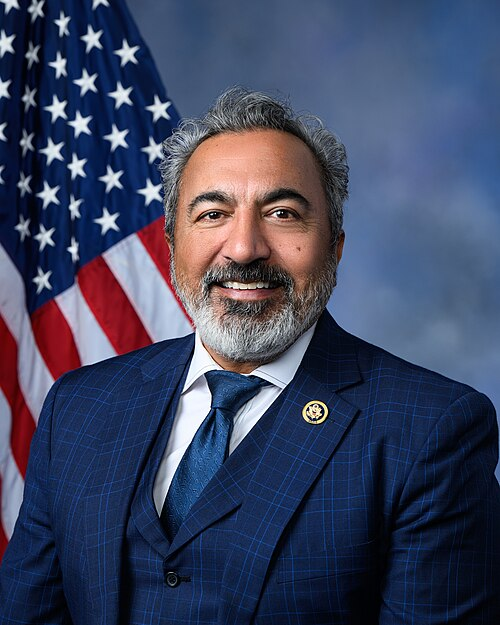
Co-Sponsor
-
TrackSuzan K. DelBene

Co-Sponsor
-
TrackMariannette Miller-Meeks

Co-Sponsor
-
TrackGregory F. Murphy

Co-Sponsor
-
TrackRobert Onder

Co-Sponsor
-
TrackKim Schrier

Co-Sponsor
-
TrackEugene Vindman

Co-Sponsor
Actions
2 actions
| Date | Action |
|---|---|
| Oct. 10, 2025 | Introduced in House |
| Oct. 10, 2025 | Referred to the Committee on Energy and Commerce, and in addition to the Committee on Ways and Means, for a period to be subsequently determined by the Speaker, in each case for consideration of such provisions as fall within the jurisdiction of the committee concerned. |
Corporate Lobbying
0 companies lobbying
None found.
* Note that there can be significant delays in lobbying disclosures, and our data may be incomplete.
Potentially Relevant Congressional Stock Trades
No relevant congressional stock trades found.