H.R. 11125: Transboundary Groundwater Research and Mapping Act
This bill would direct the Secretary of the Interior, through the U.S. Geological Survey, to work with California, the California water resources research institute, and other U.S. and Mexican partners to study certain transboundary aquifers—underground water supplies that cross the U.S.-Mexico border in California.
What the program would do
The bill creates a new federal-state-binational research program focused on:
- Identifying which border-area aquifers should be treated as priorities for study;
- Mapping and characterizing those aquifers;
- Developing groundwater models to better understand how the water moves and how it may interact with surface water;
- Expanding monitoring, metering, remote sensing, and field studies where needed;
- Sharing scientific data and producing reports and other public-facing scientific products.
Which aquifers are specifically covered
The bill would automatically designate five California border-area groundwater basins as priority aquifers for study:
- Coastal Plain of San Diego Groundwater Basin
- Imperial Valley Groundwater Basin
- Ogilby Valley Groundwater Basin
- Coyote Wells Valley Groundwater Basin
- Yuma Valley Groundwater Basin
The Secretary could also add other aquifers in the covered area if they meet the bill’s criteria.
How priorities would be chosen
When deciding what to study, the program would consider factors such as:
- Whether the aquifer is near densely populated areas or major agricultural areas;
- How heavily it is used, or could be used;
- How vulnerable it is to contamination;
- Whether it is being overdrafted, meaning water is being removed faster than it is replenished;
- Any other relevant factors.
Coordination and cooperation
The bill would require the Interior Department to coordinate with California agencies, affected Indian tribes, other relevant local or regional entities, and the International Boundary and Water Commission where appropriate. It would also direct the federal government to work, to the extent practical, with organizations in Mexico so the assessment can be more complete.
The bill also says the federal government should not start any new field studies or analyses under the program without first consulting and coordinating with the appropriate California water agency.
Funding and grants
The bill authorizes $25 million over fiscal years 2027 through 2037. Half of that money would go to the California water resources research institute, which could use it to support California agencies, universities, and other organizations, as well as cooperative projects with entities in Mexico.
If money is provided to an entity in Mexico, that entity would generally need to contribute half of the needed resources, including in-kind support.
Reporting and duration
The Secretary would have to submit an interim report within five years and a final report when the program ends in fiscal year 2037. Those reports would describe the work done, the condition of the priority aquifers, and how much Mexican participation there was.
The bill’s authority would end 10 years after enactment.
What the bill would not do
The bill says it would not change California’s authority over surface water or groundwater management, any person’s water rights, state water law, interstate compacts, or international water treaties. It also would not delay or change certain existing U.S.-Mexico water works or treaty-related operations.
Relevant Companies
None found
This is an AI-generated summary of the bill text. There may be mistakes.
Sponsors
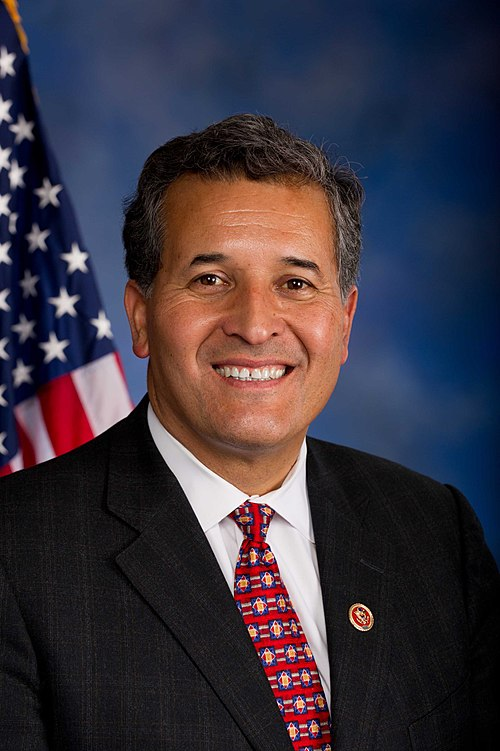
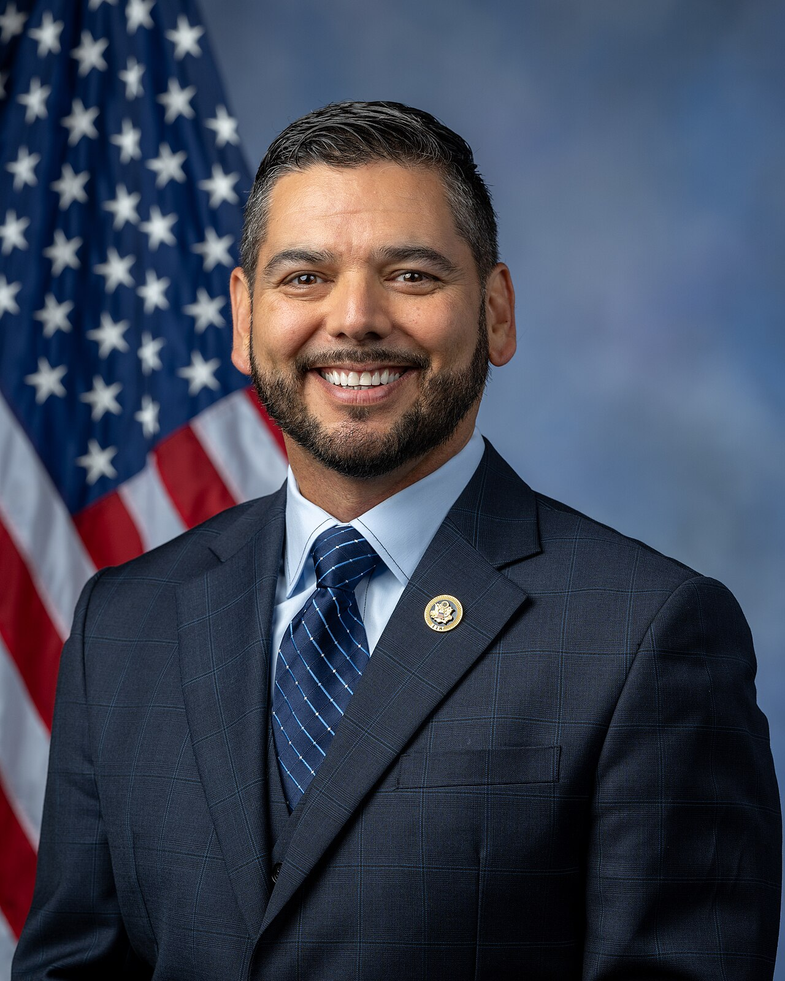
2 bill sponsors
Actions
2 actions
| Date | Action |
|---|---|
| Nov. 19, 2026 | Introduced in House |
| Nov. 19, 2026 | Referred to the House Committee on Natural Resources. |
Corporate Lobbying
0 companies lobbying
None found.
* Note that there can be significant delays in lobbying disclosures, and our data may be incomplete.
Potentially Relevant Congressional Stock Trades
No relevant congressional stock trades found.