H.R. 11117: Mental Health Justice Act of 2026
This bill would create a federal grant program to help states, tribes, tribal organizations, and local governments send mental health professionals instead of police to certain emergencies involving mental health, substance use, or intellectual and developmental disabilities.
What the grant program would fund
The Health and Human Services Secretary, working with the Justice Department’s Civil Rights Division, would award grants to help jurisdictions:
- hire, employ, train, and dispatch mental health professionals as first responders;
- respond to 911, 988, or other emergency calls when the caller says someone is in a mental health crisis, may have a mental illness, substance use disorder, co-occurring disorder, or intellectual/developmental disability, or otherwise appears to need mental health support;
- respond when police or other first responders identify a person as having, possibly having, or appearing to have those conditions, or appearing to be under the influence of a legal or illegal substance;
- train dispatch staff on how to handle these calls; and
- coordinate with other first responder agencies.
Training and support requirements
The bill says mental health professionals funded under the program should be trained in de-escalation and in developmentally appropriate techniques. It also requires them, where appropriate, to connect people with voluntary community-based services.
How funding would be awarded and renewed
Grantees could receive additional funding in later years if they comply with the program rules and show their programs led to measurable results, such as:
- lower incarceration or death rates for people with mental illness or intellectual/developmental disabilities; or
- less police use of force and more referrals to voluntary community-based services rather than institutional or carceral settings.
The bill says priority should go to applicants with:
- high arrest or incarceration rates for people with mental illness, substance use disorders, or intellectual/developmental disabilities;
- a commitment to increase community-based mental health resources; or
- peer support specialists in their current first responder model.
Reporting and oversight
Grant recipients would have to file quarterly reports on how often mental health professionals were dispatched instead of law enforcement, along with data on changes in incarceration or institutionalization where available. The federal government would also report to Congress each year, and the data would be broken down by age, sex, gender, race, and ethnicity when applicable.
If the government finds that a funded program is causing a significant increase in incarceration or institutionalization, the grant must be revoked and unspent funds would have to be repaid.
Federal technical assistance, study, and best practices
The bill would require HHS, with DOJ consultation, to provide technical assistance to grantees and other governments interested in setting up these kinds of response programs.
It would also direct HHS and DOJ to study how effective the programs are, including how many people are diverted from arrest and what happens to them over time. A report would be due to Congress and made public within three years.
In addition, HHS would have to publish best practices for dispatching mental health professionals as first responders within one year, and update them at least every five years after that.
Limits and protections
The bill says it would not stop states or local governments from hiring police or using police when appropriate, especially in emergencies involving an immediate or direct threat. It also says existing civil rights laws would still apply.
Funding
The bill authorizes $250 million over five fiscal years for the grant program.
Relevant Companies
None found.
This is an AI-generated summary of the bill text. There may be mistakes.
Sponsors
41 bill sponsors
-
TrackMary Gay Scanlon
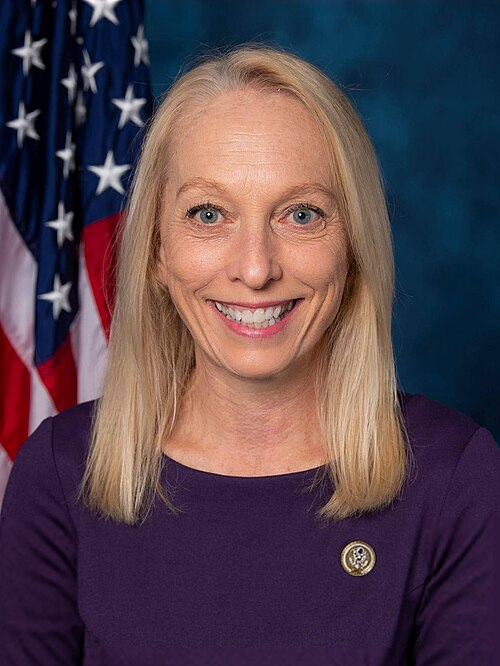
Sponsor
-
TrackBecca Balint
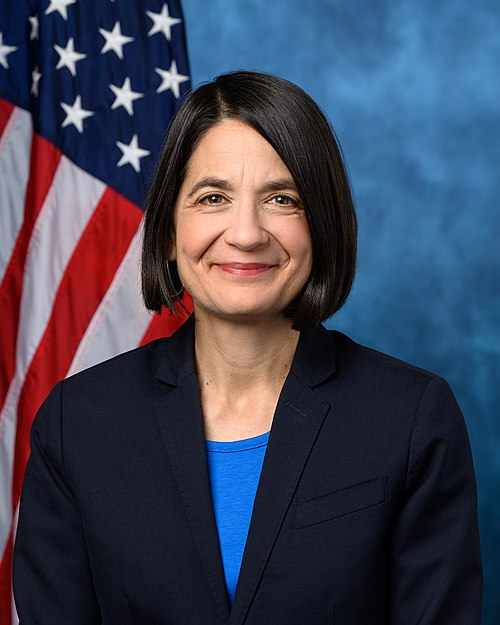
Co-Sponsor
-
TrackNanette Diaz Barragán
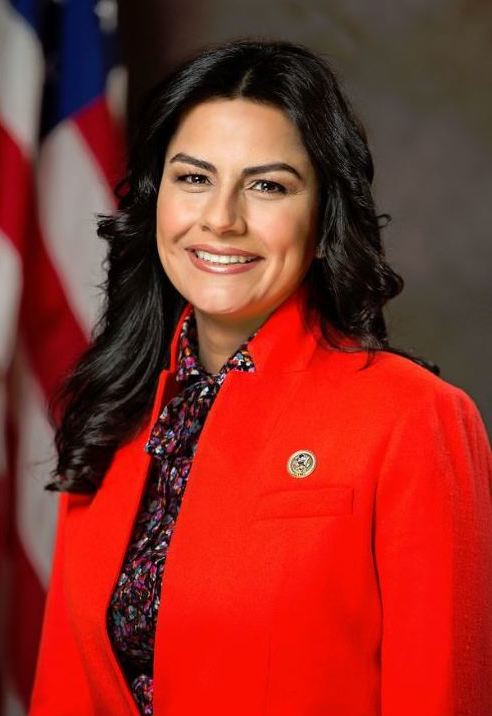
Co-Sponsor
-
TrackAndré Carson
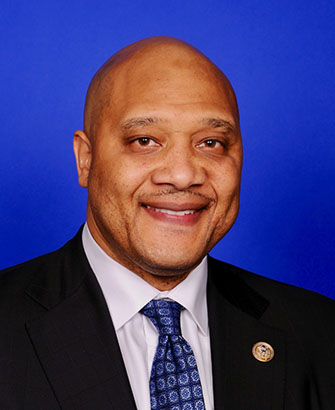
Co-Sponsor
-
TrackTroy A. Carter
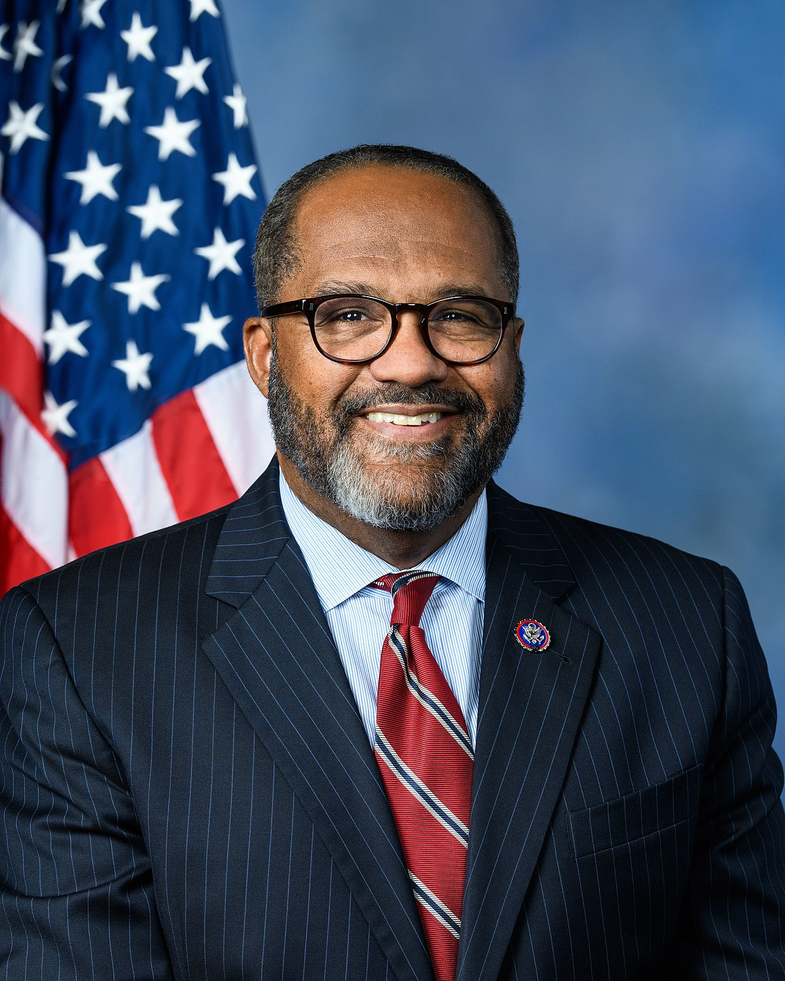
Co-Sponsor
-
TrackGreg Casar
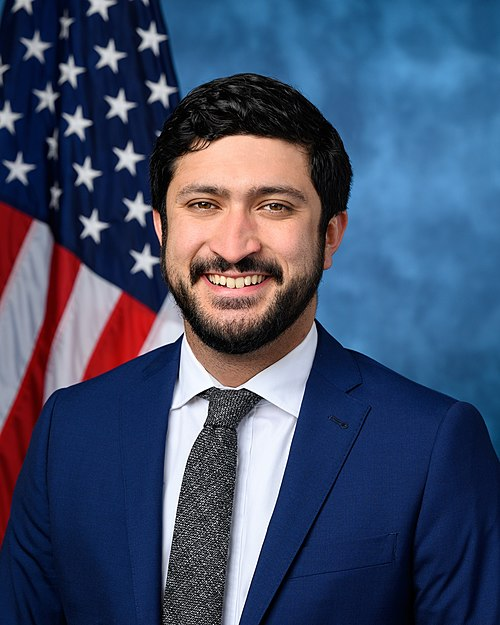
Co-Sponsor
-
TrackEd Case
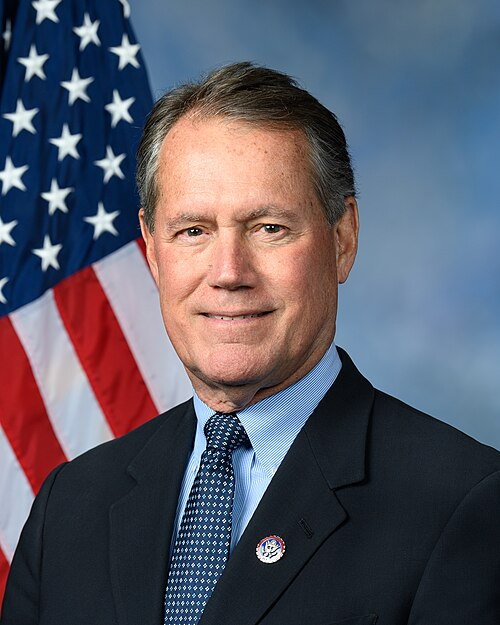
Co-Sponsor
-
TrackJudy Chu
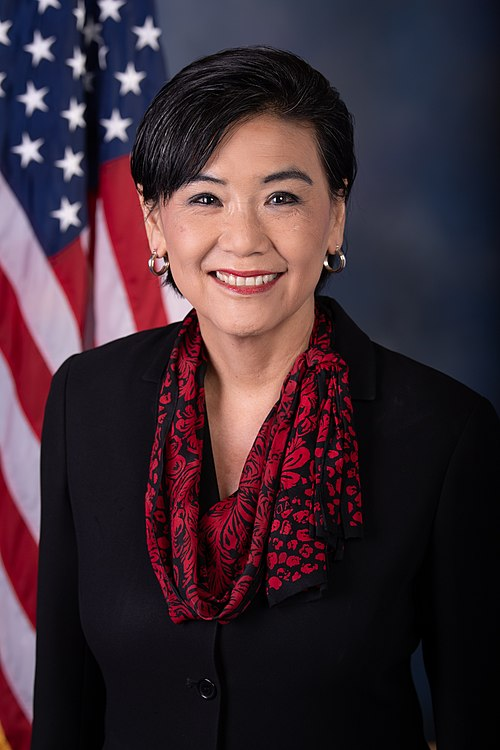
Co-Sponsor
-
TrackYvette D. Clarke
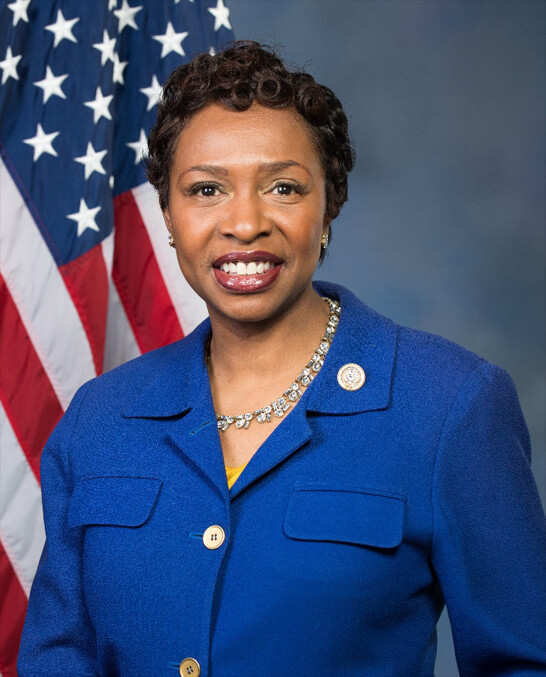
Co-Sponsor
-
TrackJ. Luis Correa
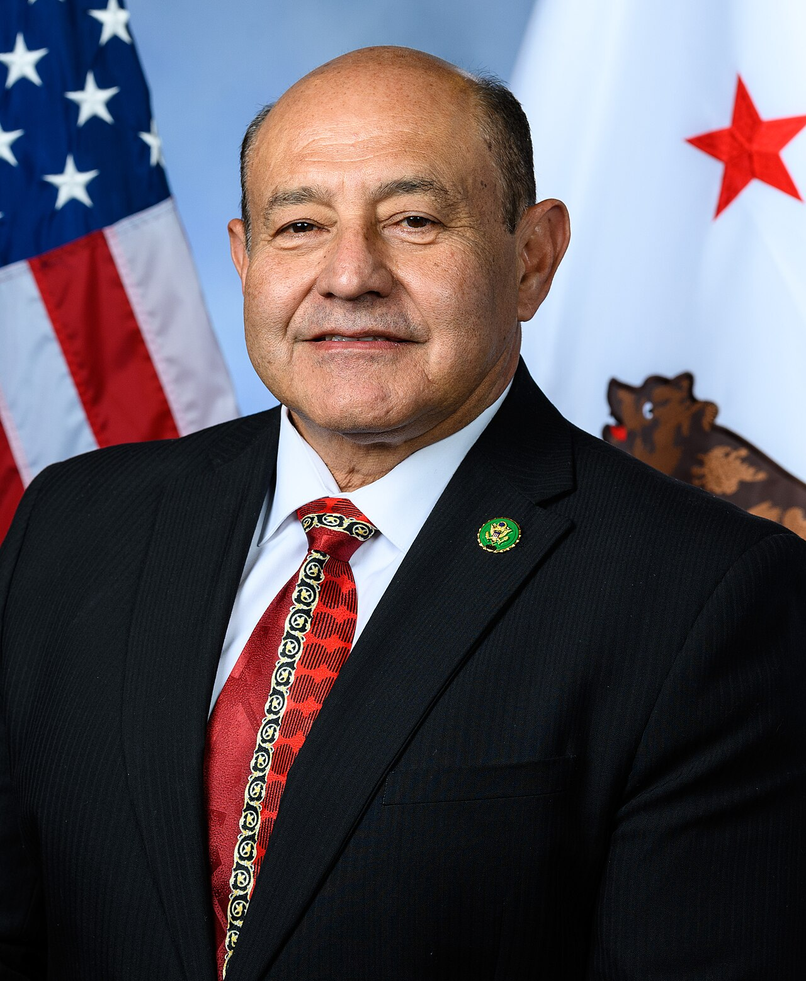
Co-Sponsor
-
TrackSharice Davids
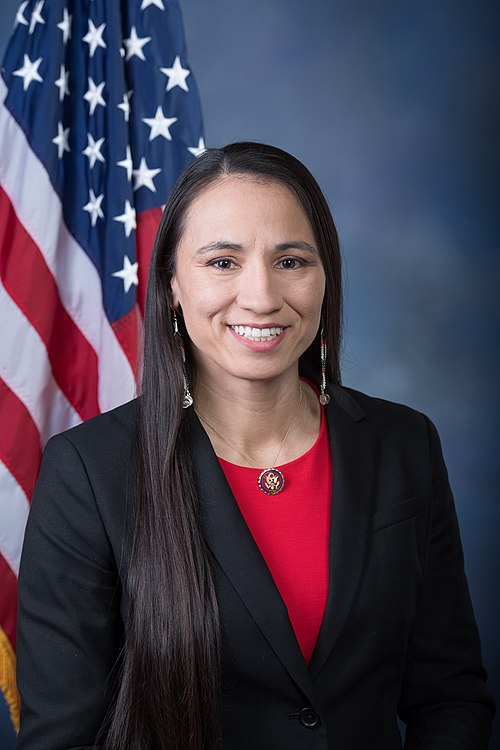
Co-Sponsor
-
TrackMadeleine Dean
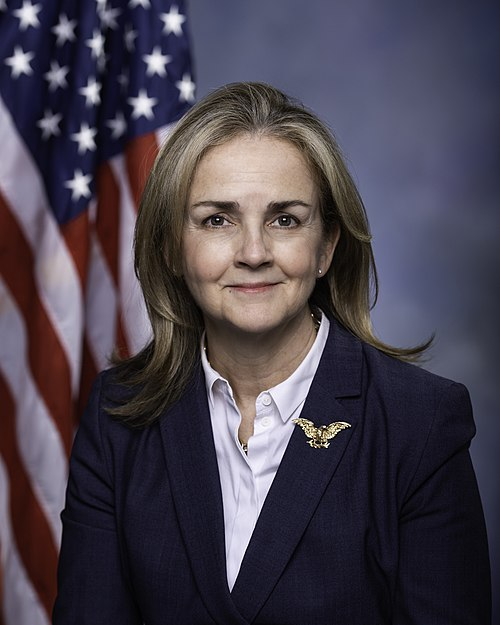
Co-Sponsor
-
TrackDebbie Dingell
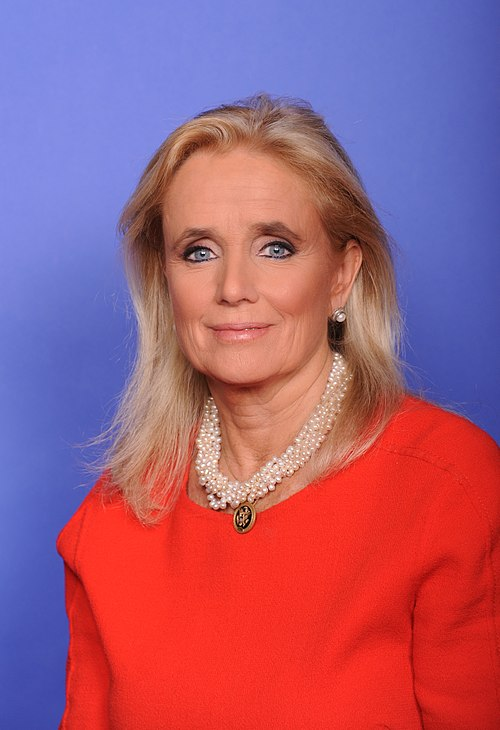
Co-Sponsor
-
TrackLizzie Fletcher
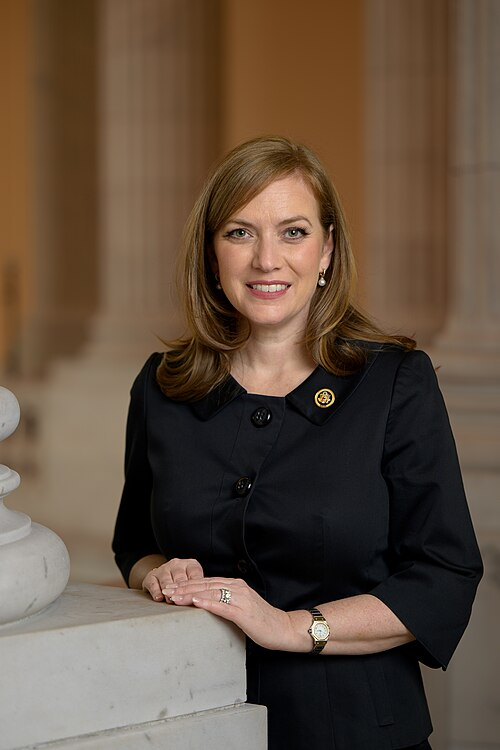
Co-Sponsor
-
TrackLois Frankel
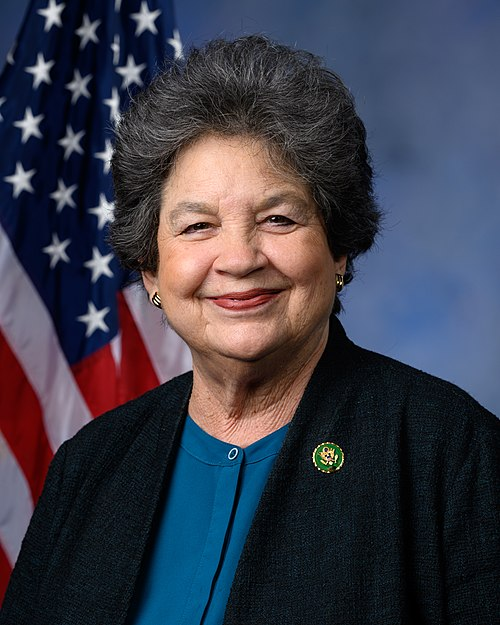
Co-Sponsor
-
TrackJosh Gottheimer
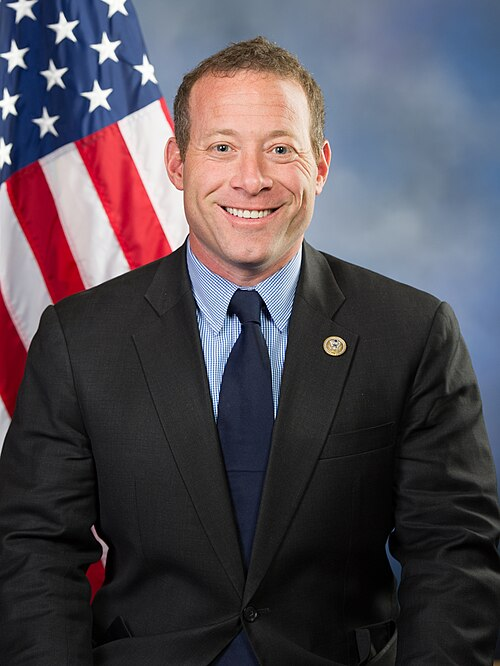
Co-Sponsor
-
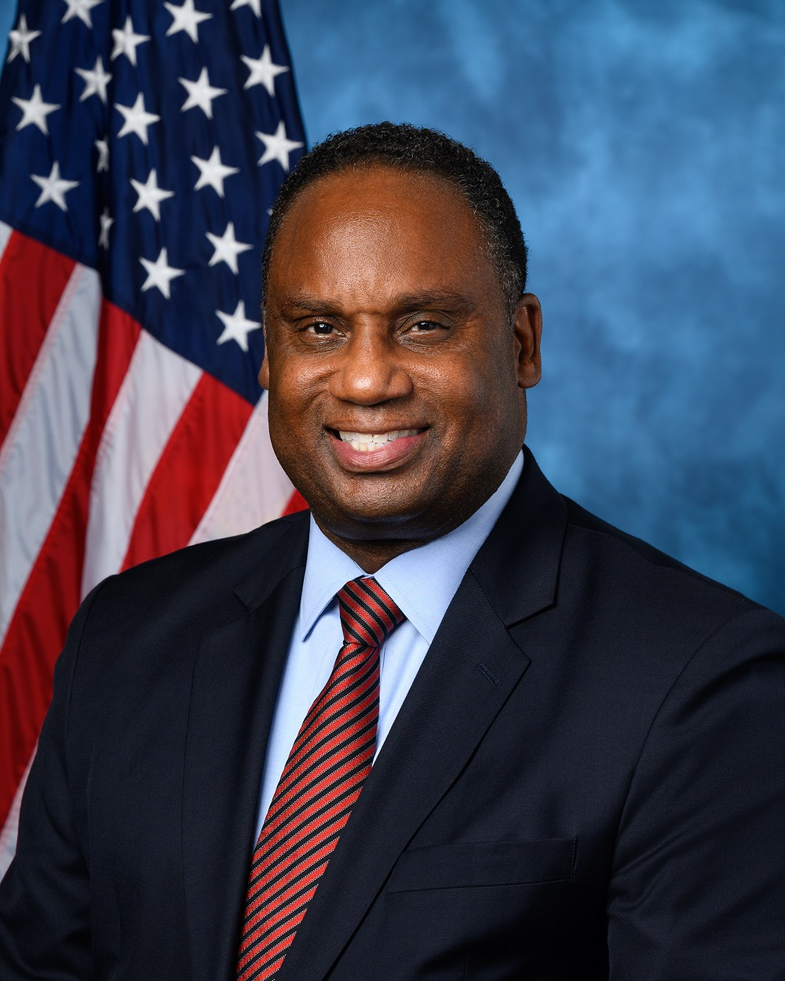
TrackJonathan L. Jackson
Co-Sponsor
-
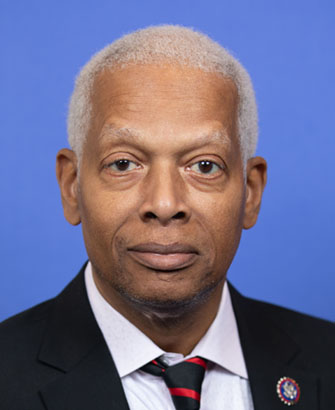
TrackHenry C. "Hank" Johnson, Jr.
Co-Sponsor
-
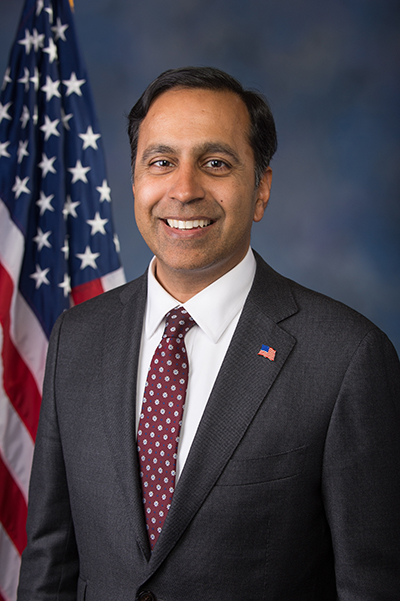
TrackRaja Krishnamoorthi
Co-Sponsor
-
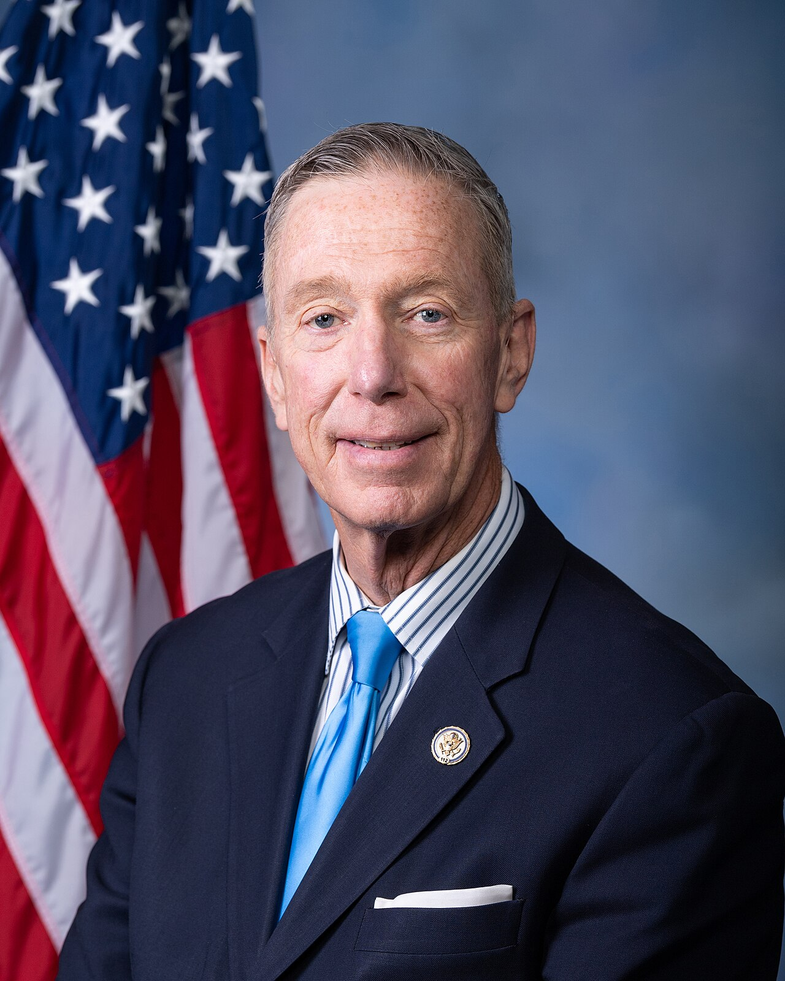
TrackStephen F. Lynch
Co-Sponsor
-
TrackBetty McCollum
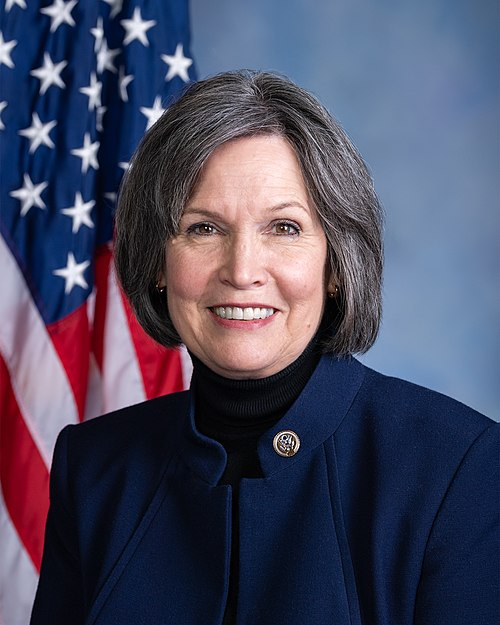
Co-Sponsor
-
TrackJames P. McGovern
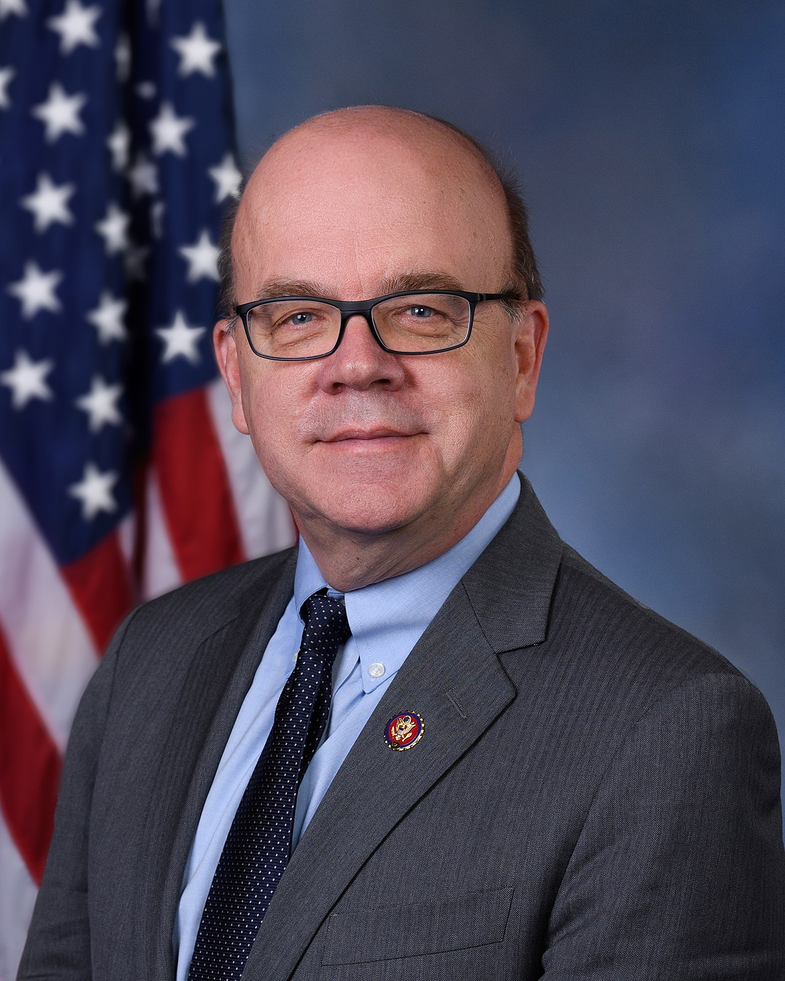
Co-Sponsor
-
TrackKevin Mullin
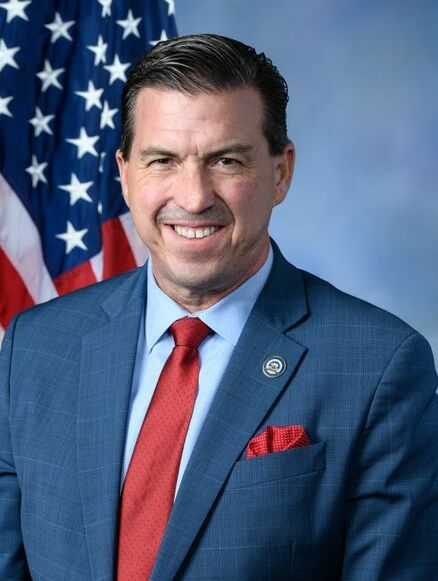
Co-Sponsor
-
TrackEleanor Holmes Norton
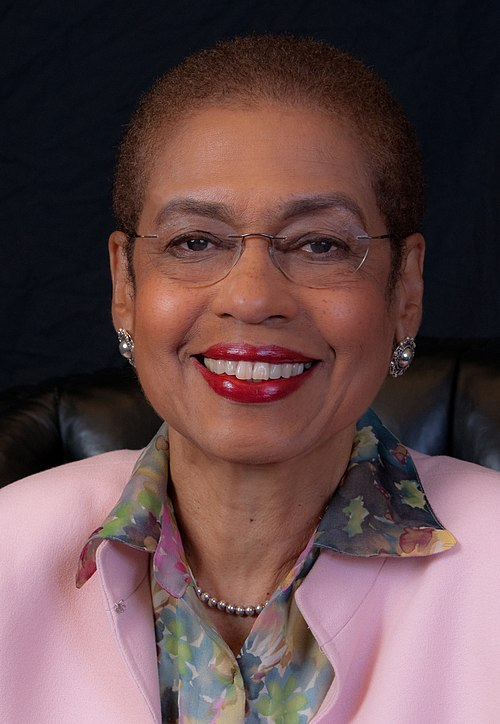
Co-Sponsor
-
TrackScott H. Peters
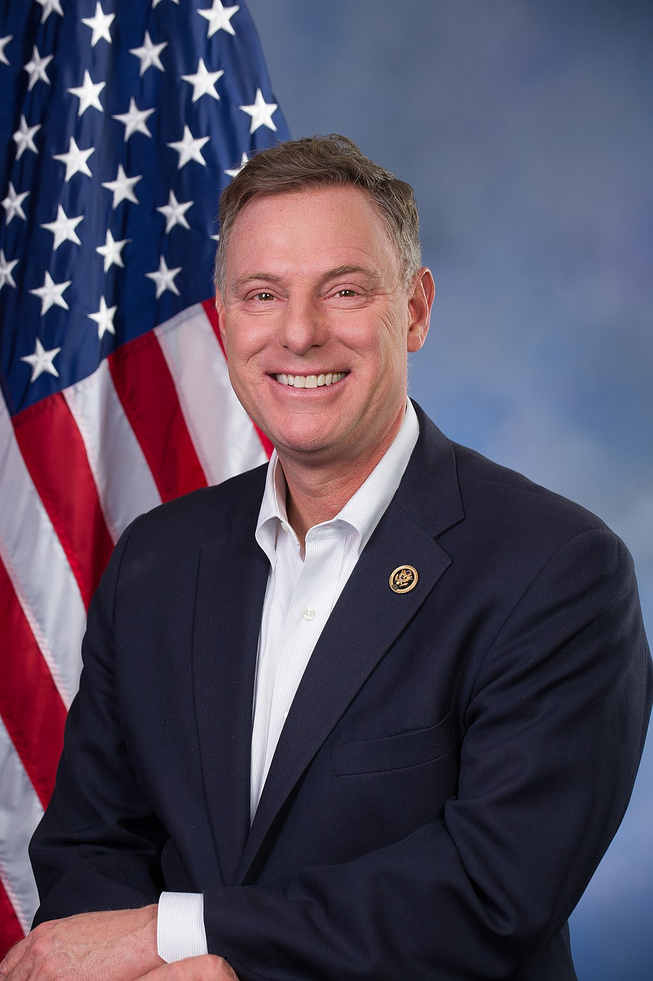
Co-Sponsor
-
TrackMark Pocan
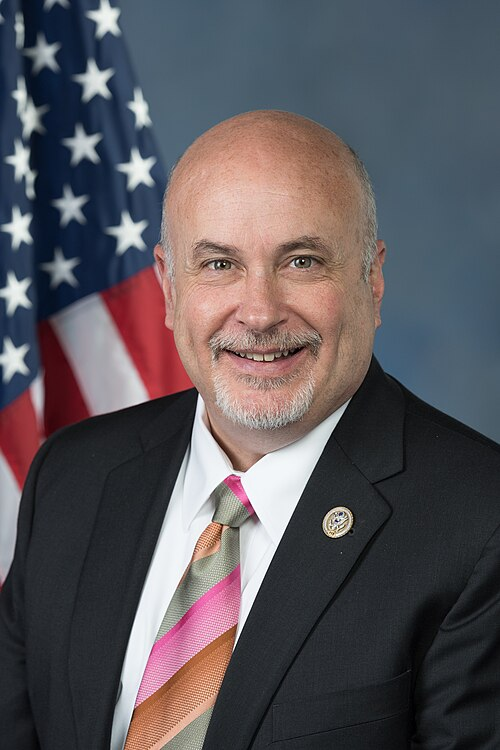
Co-Sponsor
-
TrackAyanna Pressley
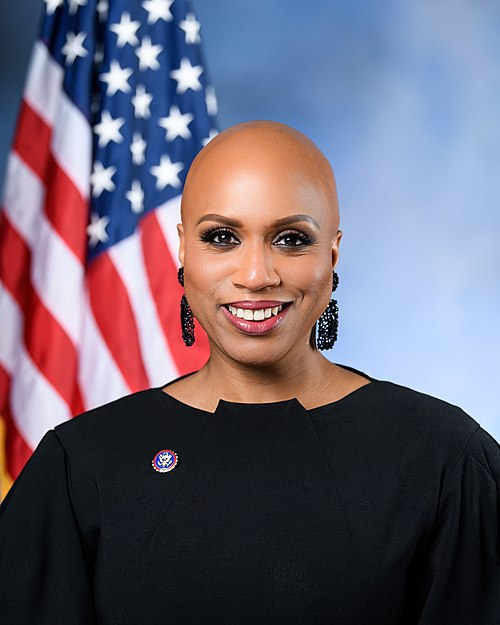
Co-Sponsor
-
TrackMike Quigley
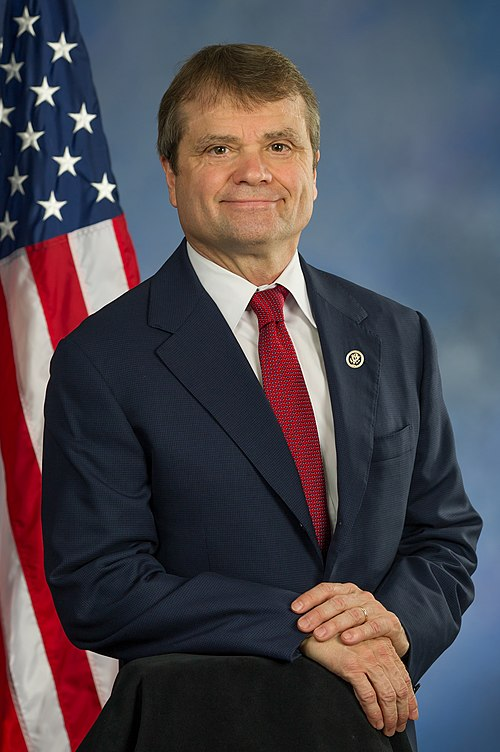
Co-Sponsor
-
TrackDelia C. Ramirez
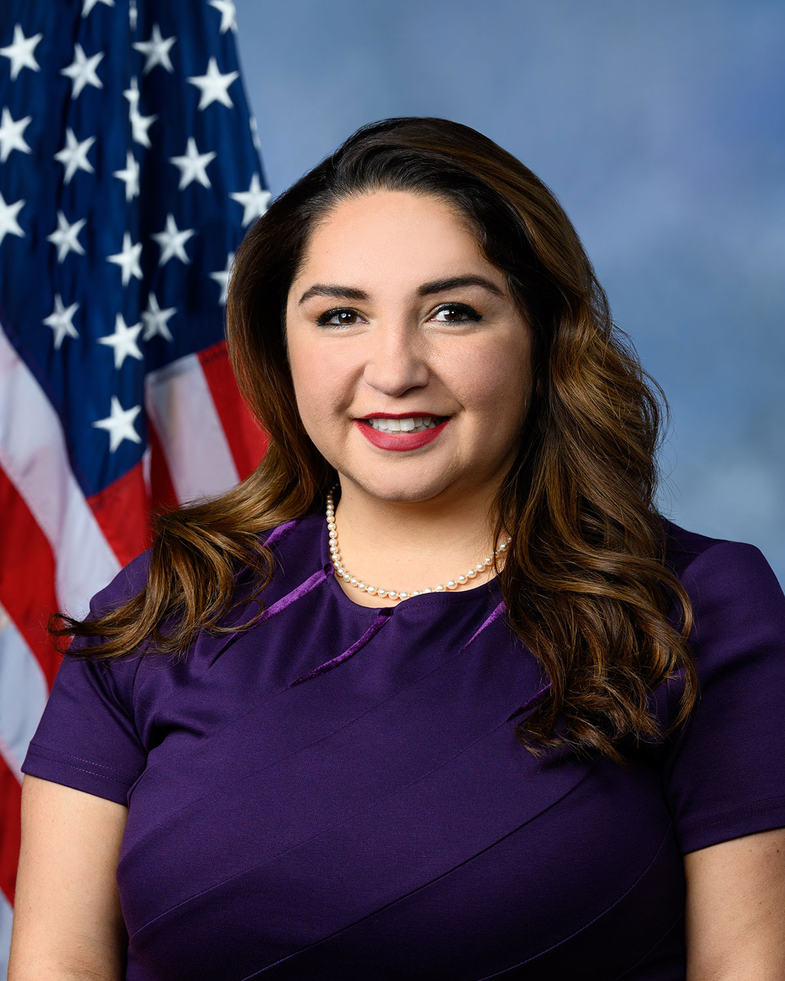
Co-Sponsor
-
TrackDeborah K. Ross
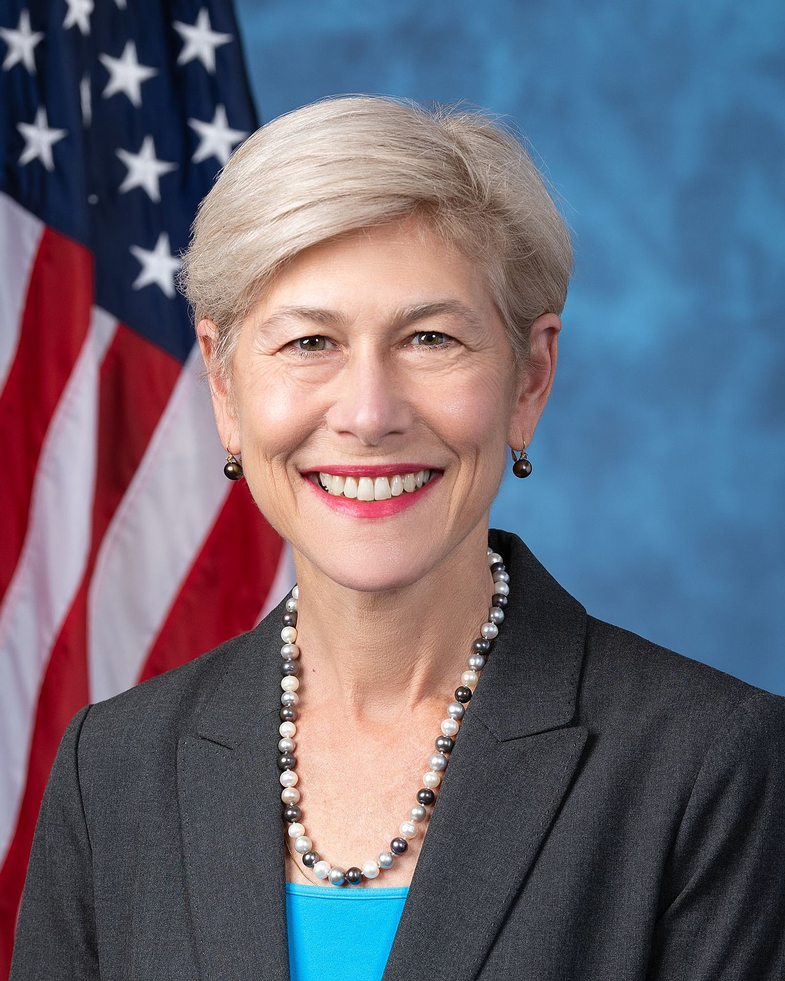
Co-Sponsor
-
TrackAdam Smith
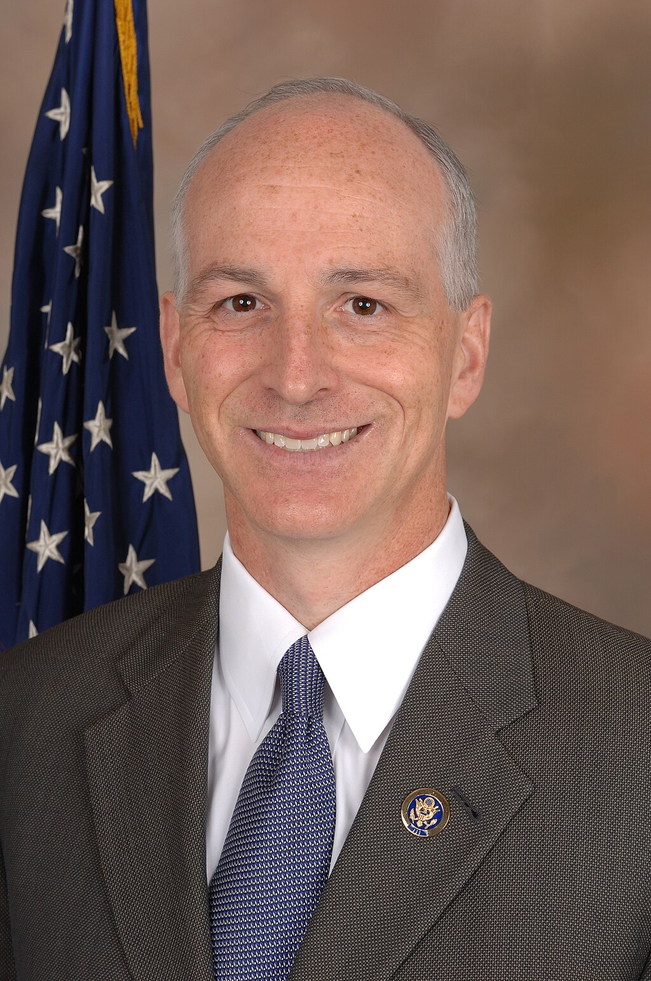
Co-Sponsor
-
TrackMelanie A. Stansbury
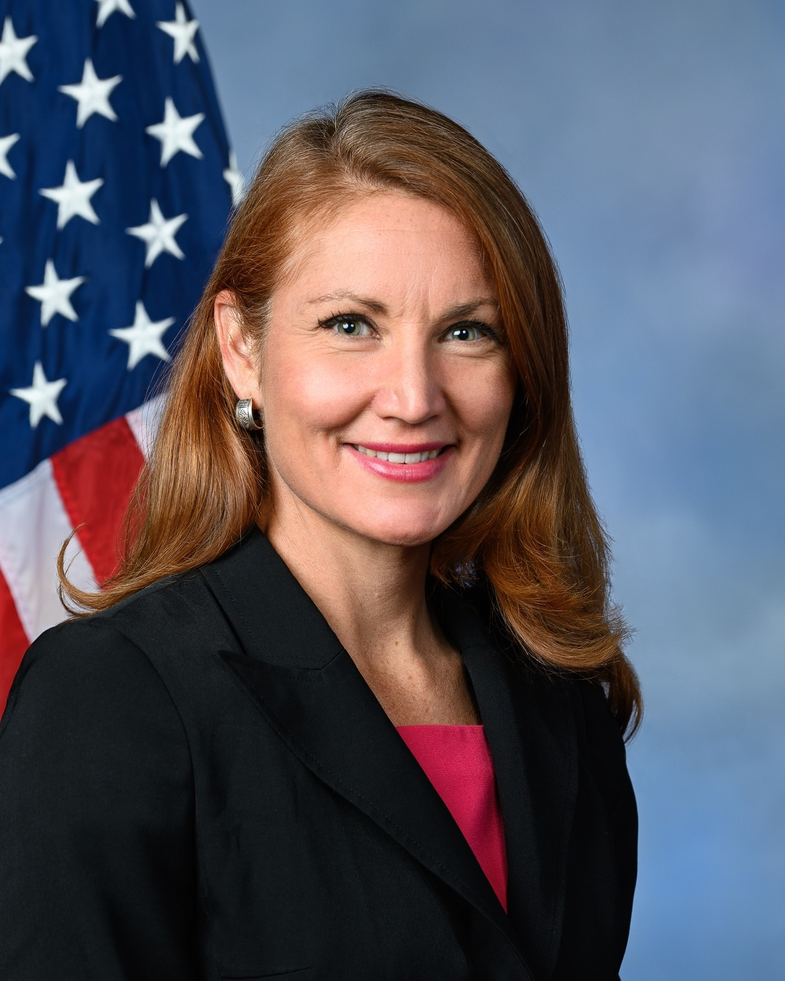
Co-Sponsor
-
TrackJill N. Tokuda
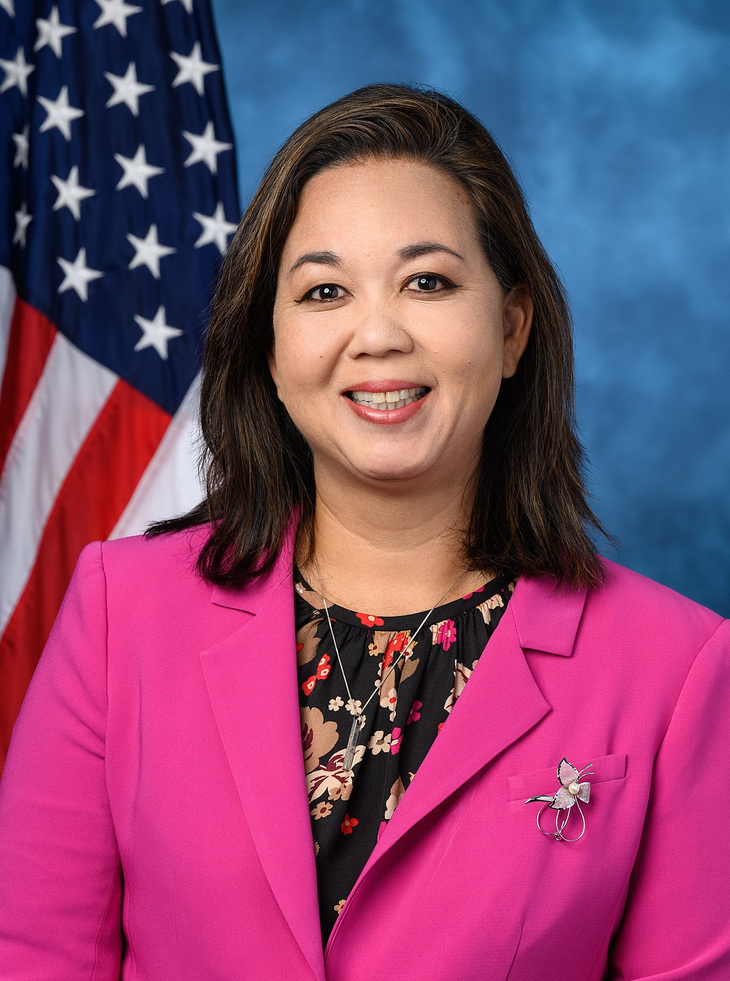
Co-Sponsor
-
TrackNorma J. Torres
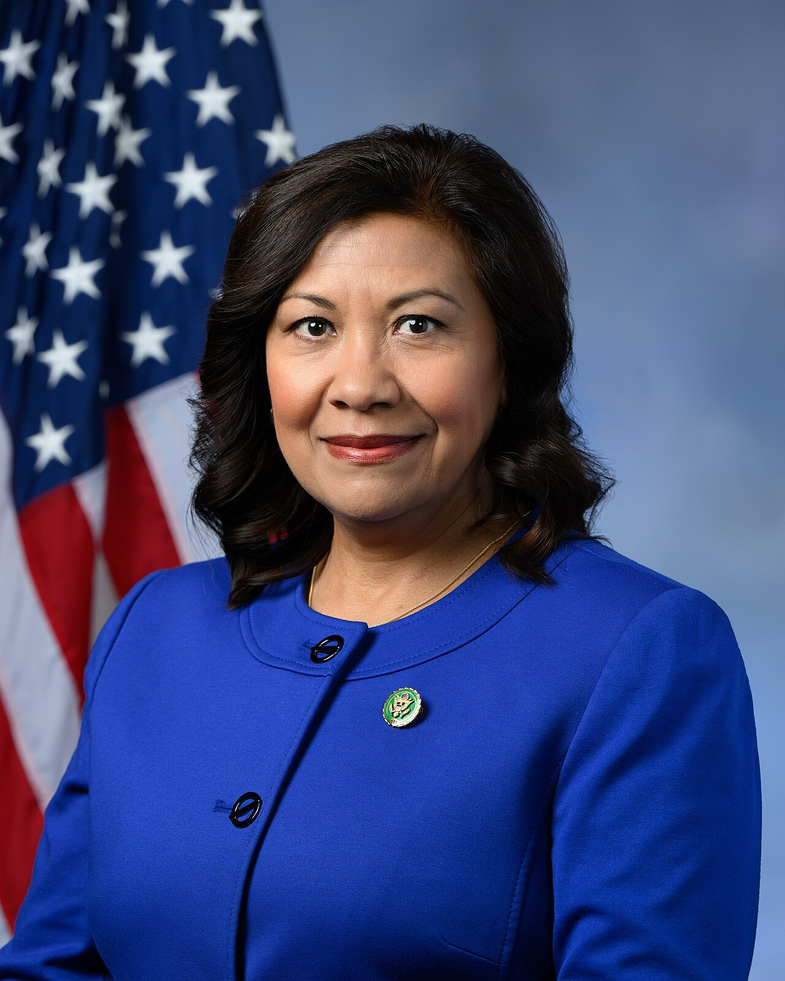
Co-Sponsor
-
TrackRitchie Torres
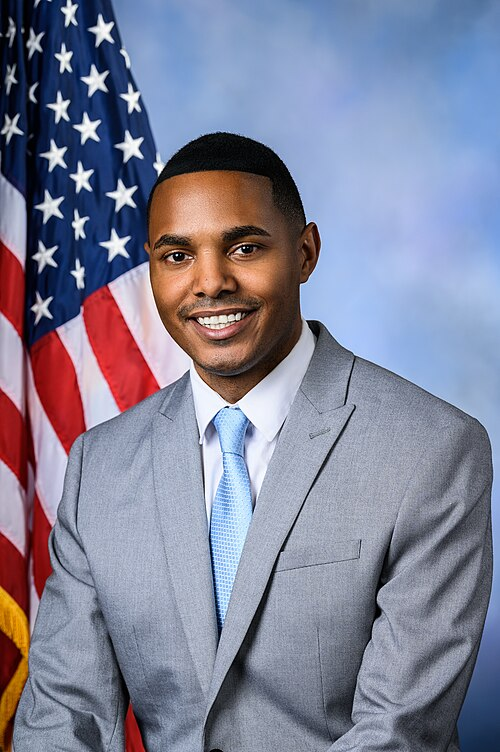
Co-Sponsor
-
TrackLauren Underwood
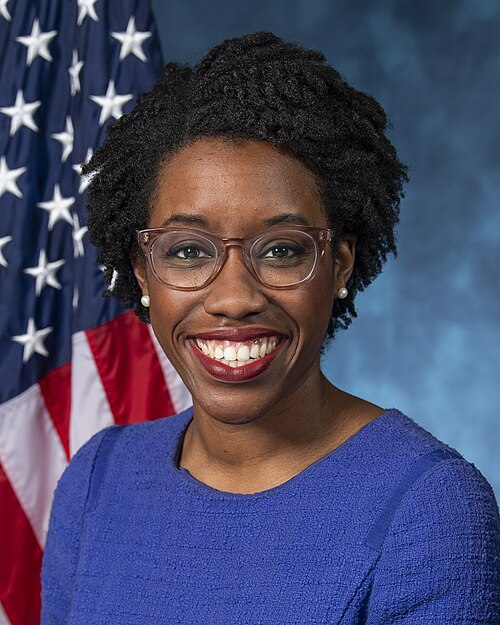
Co-Sponsor
-
TrackJuan Vargas
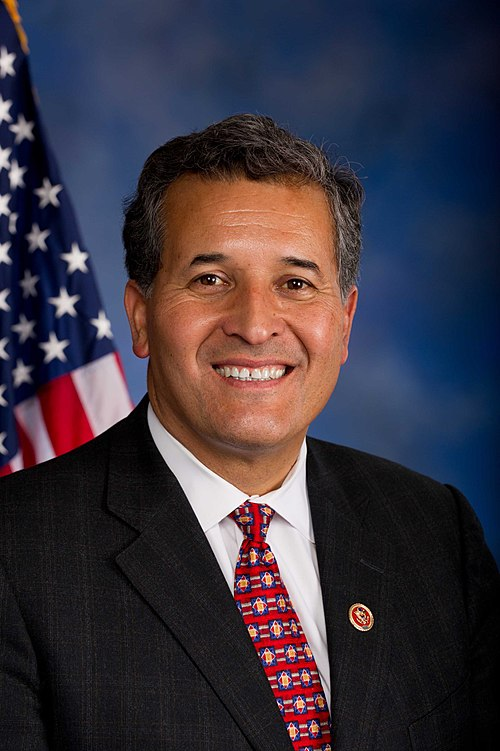
Co-Sponsor
-
TrackNydia M. Velázquez
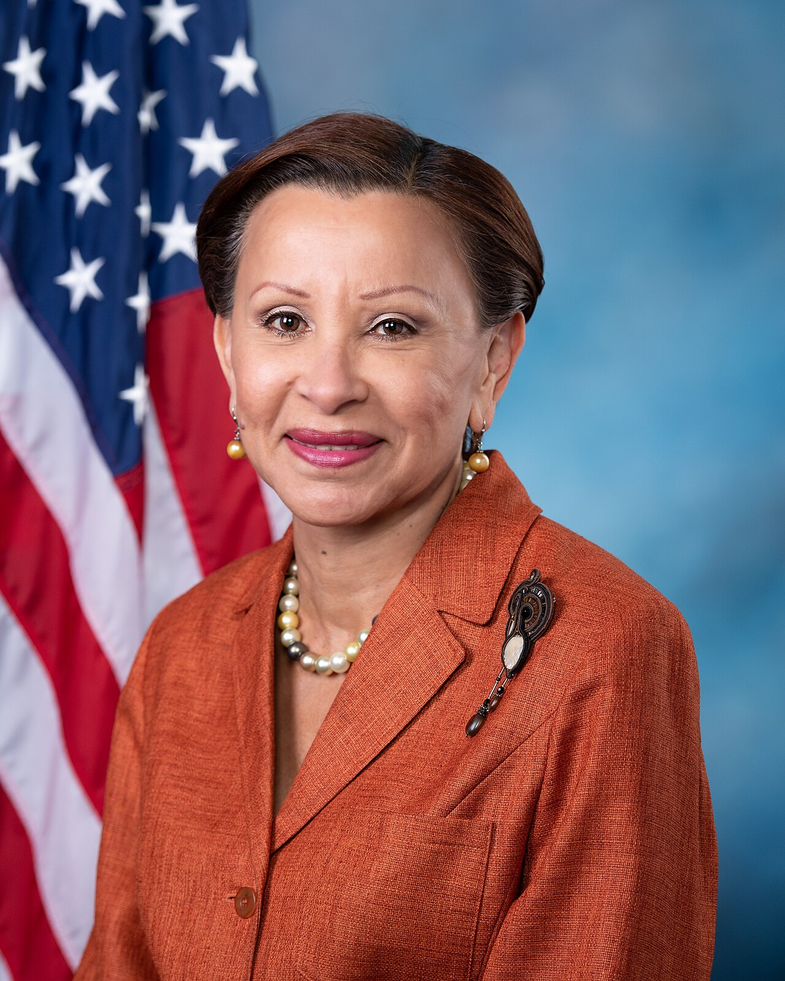
Co-Sponsor
-
TrackDebbie Wasserman Schultz
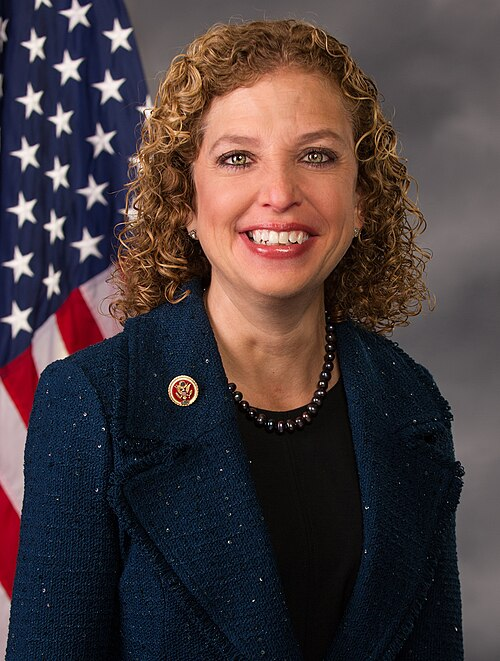
Co-Sponsor
-
TrackBonnie Watson Coleman
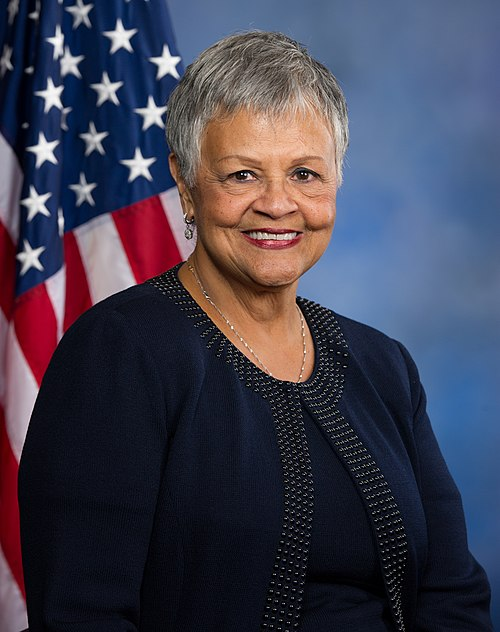
Co-Sponsor
-
TrackNikema Williams
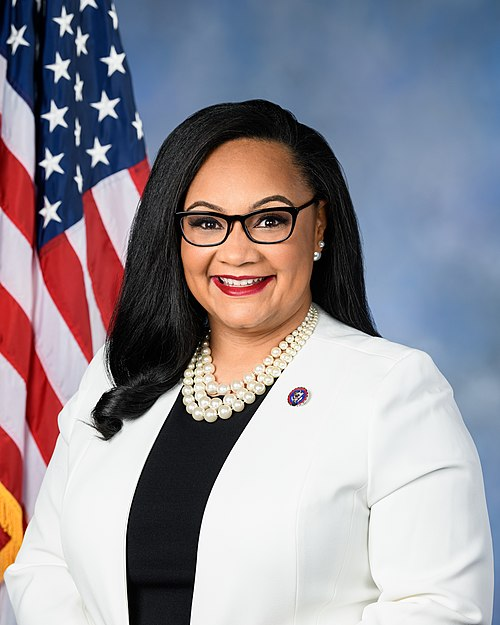
Co-Sponsor
Actions
2 actions
| Date | Action |
|---|---|
| Nov. 19, 2026 | Introduced in House |
| Nov. 19, 2026 | Referred to the Committee on Energy and Commerce, and in addition to the Committee on the Judiciary, for a period to be subsequently determined by the Speaker, in each case for consideration of such provisions as fall within the jurisdiction of the committee concerned. |
Corporate Lobbying
0 companies lobbying
None found.
* Note that there can be significant delays in lobbying disclosures, and our data may be incomplete.
Potentially Relevant Congressional Stock Trades
No relevant congressional stock trades found.