H.R. 11112: Provide Rigorous Oversight To Optimize Connectivity and Offset Latency Act
This bill would change how federal broadband funding and broadband availability maps are tracked and shared. Its main goal is to put more broadband-related data into one place and make it easier for the federal government and the public to see where broadband is available, where it is being built, and how federal dollars are being used.
What it would do
- Create one public FCC broadband map. The FCC would combine existing broadband maps into a single online tool called the FCC National Broadband Map.
- Shut down the public NTIA broadband maps. The National Telecommunications and Information Administration would no longer be allowed to maintain a separate publicly available map about broadband availability, deployment, or broadband funding.
- Bring more data into the FCC map. The FCC map would have to include additional information about broadband projects and funding, including:
- which federal agency is involved,
- the program name,
- the type of network being deployed,
- who is receiving the funding,
- how much federal money was awarded,
- whether matching funds or in-kind contributions were provided,
- project timelines,
- the number of locations covered, and
- the required download and upload speeds.
- Track enforceable broadband build-out obligations. Federal agencies that require a broadband provider to build service in a certain area would have to report those obligations twice a year to the Commerce Department. Those reports would include which provider is involved, where the obligation applies, whether the build-out has happened, what type of network is being deployed, how much funding is involved, and the project schedule.
- Use one map to decide eligibility for funding. Any federal agency giving out broadband infrastructure funding would have to use the FCC National Broadband Map to determine whether a location should be eligible for funding, based on whether service already exists or a deployment obligation is already in place.
- Require coordination between agencies. The NTIA would have to collect broadband deployment data from federal agencies, share location data with the FCC, and provide that location data to states and federally recognized Indian Tribes for reporting purposes, subject to licensing and confidentiality protections.
- Add reporting by states and tribes. States and federally recognized Indian Tribes would be asked annually to report where broadband service was made available using federally funded or state/tribal-funded broadband projects, and to identify subawards they made to other entities.
- Improve map search and filtering. The deployment map would have to let users search and filter projects by agency, program, network type, recipient, entity type, funding amount, matching funds, project timeline, number of locations, and speed requirements.
- Define broadband programs and obligations more clearly. The bill updates definitions used for broadband support programs and deployment obligations, including by specifically including the BEAD program within the broadband support program definition.
- Require a GAO review. The Government Accountability Office would have to review the new map’s accuracy and whether federal broadband funding is being duplicated or allocated inefficiently, then report its findings and recommendations to Congress.
Likely practical effect
If enacted, the bill would not directly fund new broadband projects by itself. Instead, it would change how broadband funding and deployment are tracked, reported, and displayed. It would centralize several broadband mapping functions, increase reporting requirements for agencies, states, and tribes, and make the data used to judge broadband eligibility more standardized and publicly accessible.
Relevant Companies
None found
This is an AI-generated summary of the bill text. There may be mistakes.
Sponsors
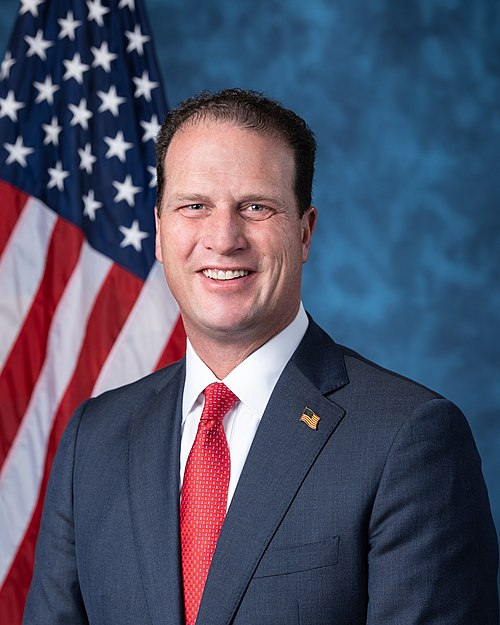
2 bill sponsors

Actions
2 actions
| Date | Action |
|---|---|
| Nov. 19, 2026 | Introduced in House |
| Nov. 19, 2026 | Referred to the House Committee on Energy and Commerce. |
Corporate Lobbying
0 companies lobbying
None found.
* Note that there can be significant delays in lobbying disclosures, and our data may be incomplete.
Potentially Relevant Congressional Stock Trades
No relevant congressional stock trades found.