H.R. 11106: Federal Accountability for Fraud Offenders Act
This bill would create a new federal crime for knowingly carrying out or trying to carry out fraud against a federal benefit program, which is defined broadly to include programs such as Medicare, Medicaid, Social Security, Supplemental Security Income, SNAP, child nutrition programs, unemployment compensation, child care assistance, and federal housing assistance.
What conduct would be covered
The bill would apply to anyone who knowingly uses false statements, misrepresentations, or other deceptive means to steal, divert, or obtain money or property from a federal benefit program. It would cover both completed fraud and attempted fraud.
Penalties
People convicted under the new offense would face mandatory prison terms based on the amount of actual federal loss caused by the fraud:
- 1 year if the loss is under $40,000
- 2 years if the loss is at least $40,000 but less than $250,000
- 5 years if the loss is at least $250,000 but less than $1 million
- 10 years if the loss is at least $1 million but less than $10 million
- 15 years if the loss is at least $10 million but less than $100 million
- 20 years if the loss is $100 million or more
The bill also says the sentence can go up to life in prison and may include a fine.
Repeat offenders and sentencing rules
If someone has a prior felony conviction for fraud against a federal benefit program, the required minimum prison term for a new offense would be doubled. The bill says the loss amount must be based on actual federal money lost, not money that was legally owed anyway. It also says loss generally cannot be reduced just because the defendant later pays restitution or money is recovered after the fraud is discovered.
Probation and plea reductions
Courts would not be allowed to give probation or suspend the prison sentence for a conviction under this new section. The bill does allow prosecutors to seek sentence reductions for substantial assistance, but those reductions could not replace imprisonment with probation.
Restitution
People convicted would have to repay the full amount of the actual loss to the United States, or to a state or local government harmed by the fraud. The bill says victims cannot recover the same loss more than once through different legal remedies.
Possible civil liability for state and local officials
The bill would also create a new civil path for the federal government to sue certain state or local officials individually if all of the following are shown:
- fraud in a federal benefit program occurred;
- the official actually knew about it;
- the official had a duty and authority to take reasonable action to stop, investigate, refer, or prevent it;
- the official willfully, intentionally, or recklessly failed to act; and
- that failure caused a measurable federal loss that reasonable action would have prevented.
Damages could equal the loss caused by the failure to act, and in some cases could be increased up to three times that amount for losses over $1 million. The Attorney General would be the one bringing these cases. The bill says qualified immunity and similar state-law immunities would not block these suits, but it would not authorize lawsuits against a state itself. It also would not create a private right for individuals to sue under this section.
Reporting and guideline review
The U.S. Sentencing Commission would have to review and, if appropriate, update the federal sentencing guidelines within 180 days. The Attorney General would also have to report to Congress for five years on prosecutions, convictions, sentence lengths, restitution, civil actions, and damages collected under the bill.
Limits and protections
The bill says it would not change benefit eligibility rules or allow benefits to be withheld from eligible people just because fraud is suspected elsewhere in a program. It also says an inadvertent reporting mistake, a good-faith error, or merely receiving an overpayment would not be a crime unless the other elements of the offense are met.
Relevant Companies
None found
This is an AI-generated summary of the bill text. There may be mistakes.
Sponsors
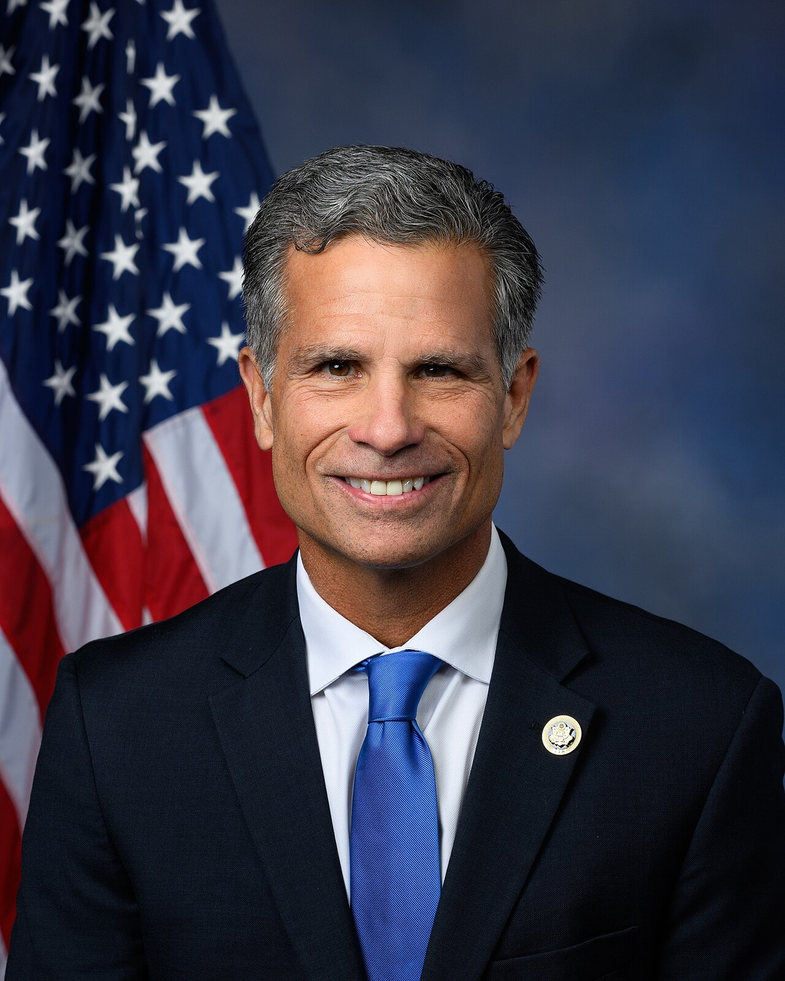
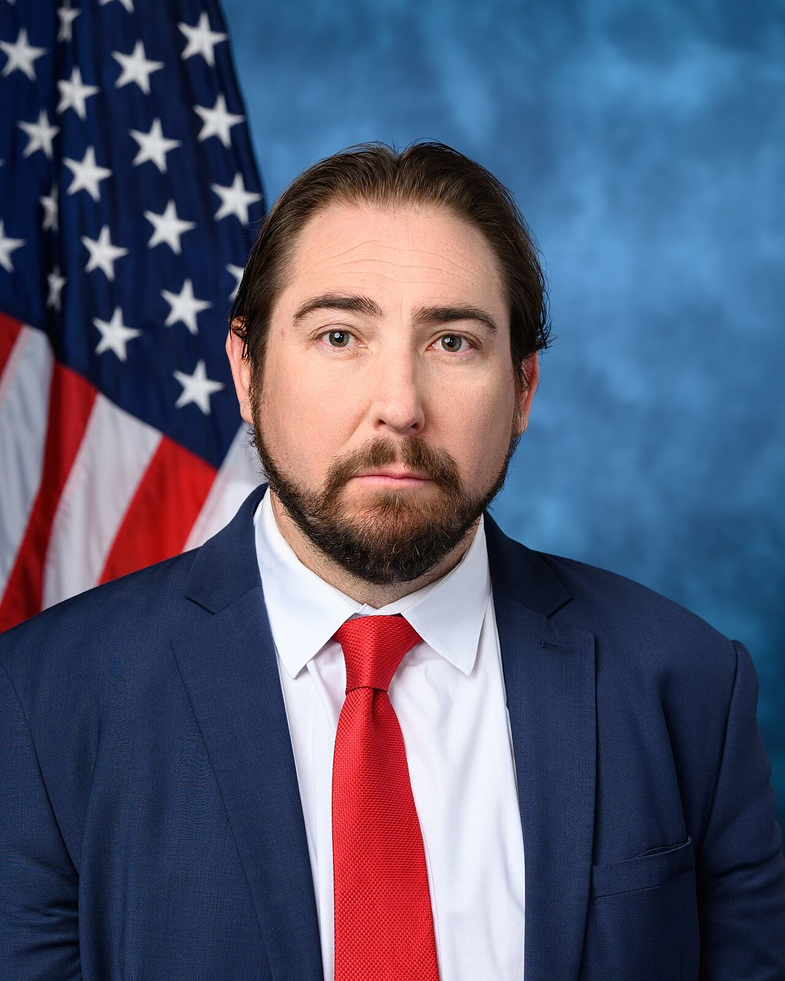
2 bill sponsors
Actions
2 actions
| Date | Action |
|---|---|
| Nov. 19, 2026 | Introduced in House |
| Nov. 19, 2026 | Referred to the House Committee on the Judiciary. |
Corporate Lobbying
0 companies lobbying
None found.
* Note that there can be significant delays in lobbying disclosures, and our data may be incomplete.
Potentially Relevant Congressional Stock Trades
No relevant congressional stock trades found.