H.R. 11098: Connecting Youth to Jobs Act
This bill would create a new federal program to help young people get paid work experience and support services, with a focus on youth who face barriers to employment.
What the program would do
The Department of Labor would give money to states, local areas, and eligible organizations to run subsidized youth employment programs. These programs would use federal funds to pay part or all of a young person’s wages and help connect them to longer-term, unsubsidized jobs, training, credentials, or education.
The bill says the program is meant to help young people ages 14 through 24, including those who are homeless, have been involved in the justice system, are current or former foster youth, have disabilities, are pregnant or parenting, have dropped out of school, come from low-income families, or are otherwise identified by local workforce boards as facing barriers to employment. Immigration status would not affect eligibility.
How the funding would work
The bill would provide formula grants to states and outlying areas, and competitive grants to certain organizations that serve large numbers of eligible youth.
- States would have to set aside 25% of their funds for statewide programs.
- Most of the remaining state money would have to go to high-poverty areas and places with historically high youth unemployment.
- At least 60% of program funds would have to go directly to wages and employment benefits for participating youth.
- In the first year, at least 30% of funds would have to support career services, training, or youth workforce activities; after that, at least 20% would.
Wages and participant protections
Youth in the program would have to be paid at least the highest of: $17 per hour, the applicable state or local minimum wage, the prevailing wage for similar work with the same employer, or the federal minimum wage. The Secretary of Labor could later set a higher wage standard by regulation.
Applicants could self-attest to eligibility first, with verification allowed after hire. Earnings from the program would not count as income or resources for most federal, state, or local benefit programs for 12 months after the month they are received.
The bill also says the program must coordinate with local workforce systems and can include supportive services such as transportation, child care, housing help, dependent care, and needs-related payments.
Competitive grants for support organizations
The bill would also create competitive grants for community-based groups and partnerships with governments, schools, apprenticeships, employers, correctional facilities, labor organizations, tribal organizations, and urban Indian organizations.
These grants could be used to:
- help match youth to subsidized jobs;
- provide technical assistance and supportive services;
- connect youth to apprenticeships, work-based learning, employers, and education;
- build broader youth service systems that coordinate public, private, and nonprofit resources; and
- help youth transition from subsidized jobs to unsubsidized jobs or education.
For programs working with youth who are incarcerated or formerly incarcerated, the bill specifically mentions helping reduce recidivism and improve access to jobs and education.
Reporting and oversight
The bill would require annual program evaluations by states or local boards, data collection by the Department of Labor, and a new youth work-readiness indicator. The Labor Secretary would have to submit public reports to Congress starting in 2029, and the Government Accountability Office would later conduct independent evaluations and issue public reports as well.
Nutrition assistance change
Separately, the bill would change SNAP rules so that income earned by a household member under age 22 who is an elementary or secondary school student and lives with a parent or stepparent would be excluded from countable income under the Food and Nutrition Act.
Funding
The bill would appropriate such sums as necessary for the state and local youth employment program for fiscal year 2027 through fiscal year 2036, and would authorize $10 billion per year for the competitive grant program over the same period.
Relevant Companies
None found
This is an AI-generated summary of the bill text. There may be mistakes.
Sponsors
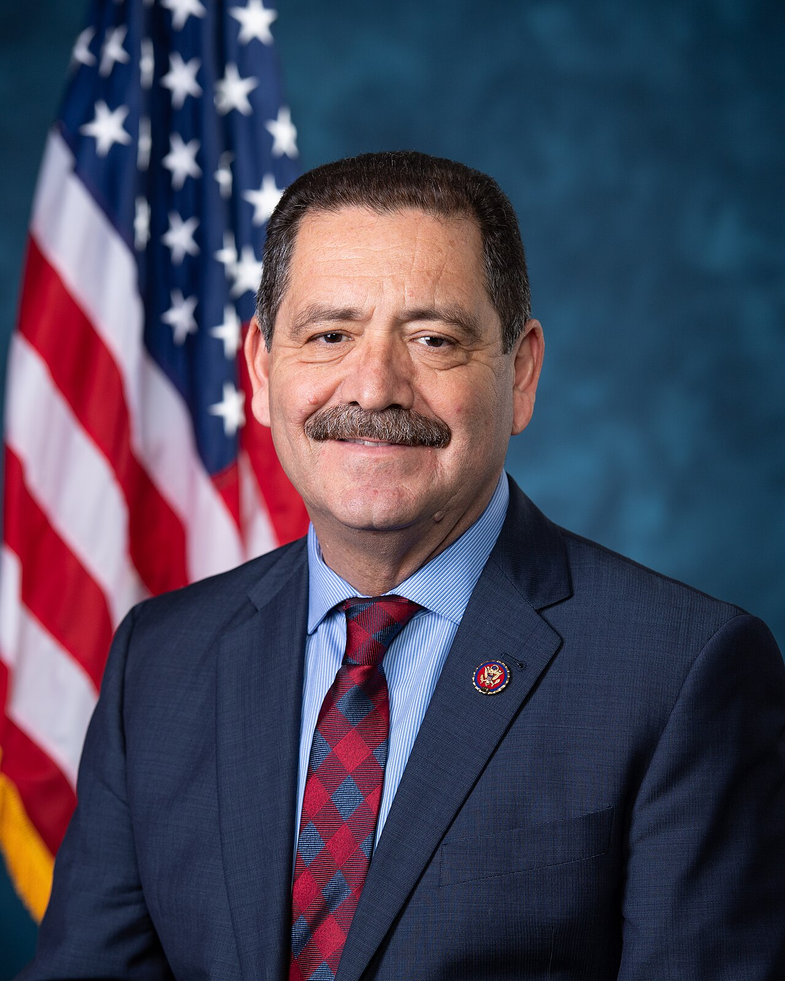
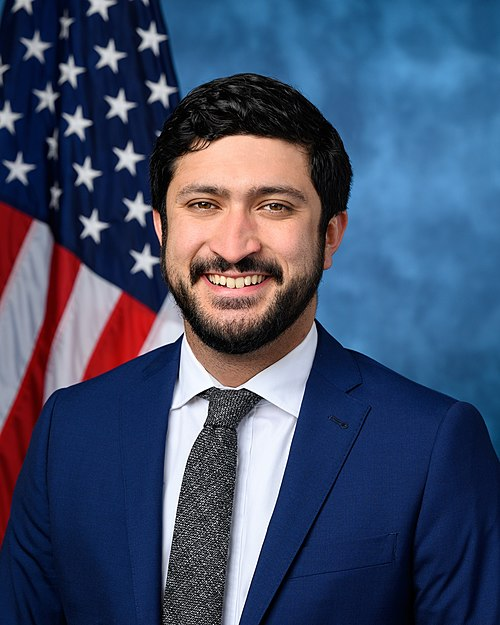
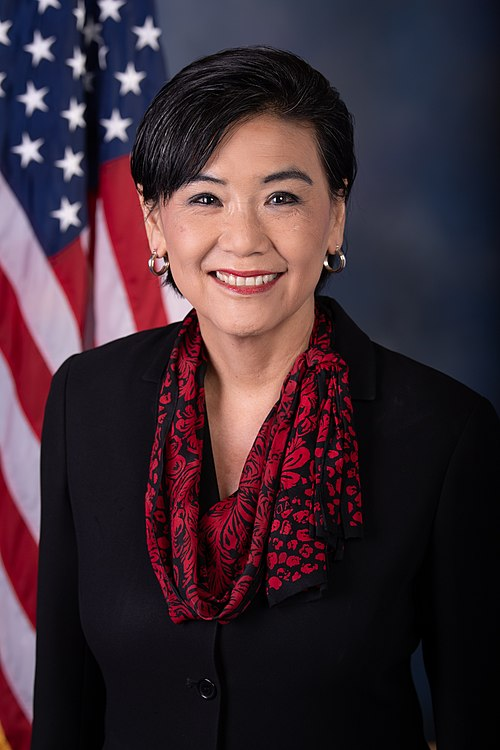
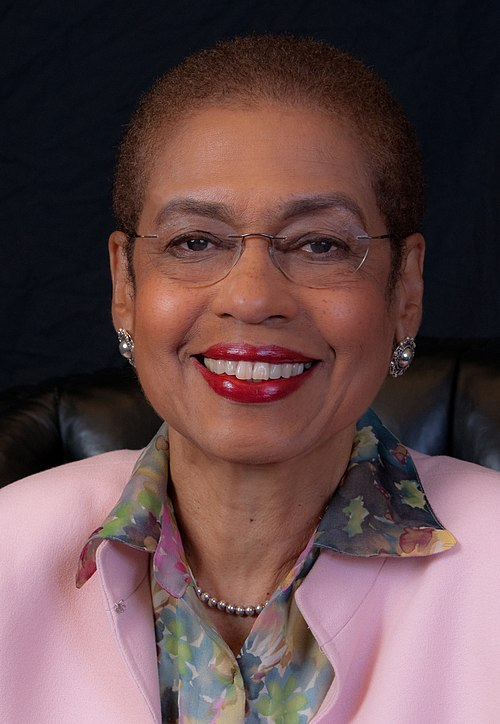
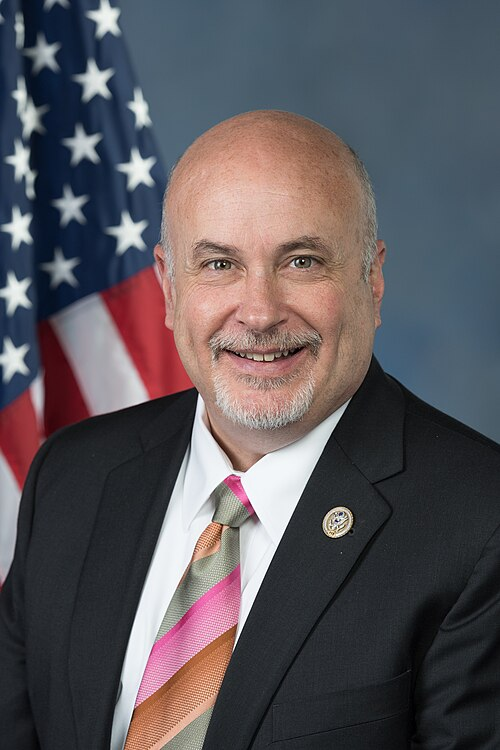
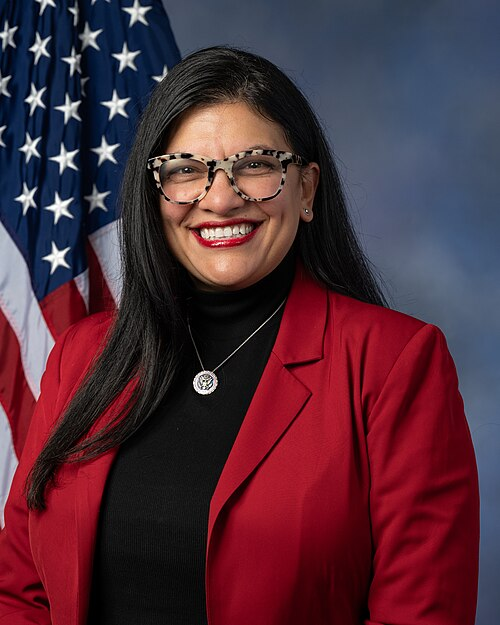
7 bill sponsors

Actions
2 actions
| Date | Action |
|---|---|
| Nov. 19, 2026 | Introduced in House |
| Nov. 19, 2026 | Referred to the Committee on Education and Workforce, and in addition to the Committee on Agriculture, for a period to be subsequently determined by the Speaker, in each case for consideration of such provisions as fall within the jurisdiction of the committee concerned. |
Corporate Lobbying
0 companies lobbying
None found.
* Note that there can be significant delays in lobbying disclosures, and our data may be incomplete.
Potentially Relevant Congressional Stock Trades
No relevant congressional stock trades found.