H.R. 11086: Plug-In Solar Savings Act of 2026
This bill would create a new Department of Energy grant program to help people deploy plug-in solar generation devices, which are small solar power systems that plug into a building’s electrical system through a receptacle and are meant to reduce a household’s electricity use.
What the program would do
- The Secretary of Energy would have to set up the grant program within 180 days after the bill becomes law.
- The program would award competitive grants to:
- state and local governments,
- nonprofit organizations,
- public housing agencies, and
- multifamily housing buildings working with one of those entities.
- Grant money could be used only for projects that:
- distribute plug-in solar devices to at least 5 eligible households,
- provide technical help on using the devices,
- provide educational materials about the devices, or
- help pay for home updates needed for safe use of the devices.
Who would be helped
The bill defines “eligible households” mainly as households with income at or below 80% of area median income, or households participating in certain assistance programs such as SNAP, WIC, LIHEAP, weatherization assistance, Medicaid, public housing, Section 8, homeless assistance, housing for the elderly or people with disabilities, Native housing programs, rural rental housing programs, and other similar federal assistance programs as determined by the Secretary.
The bill says priority should go to projects serving households that have a harder time getting conventional rooftop solar, especially renters and people living in buildings with multiple housing units.
Rules and limits on the grants
- Any one grant could not exceed $2 million per year.
- No more than 15% of a grant could be used for administrative costs.
- For projects that actually distribute devices, the recipient would need to try to choose devices that maximize household electricity savings and, if practical, let households monitor the electricity being generated.
- Recipients would have to give households basic information about expected savings, safe operation, warranty and recall procedures, and insurance/liability issues.
- For households in master-metered multifamily buildings, the grant recipient would have to sign a written agreement with the building owner to make sure electricity savings are passed through to the household.
Reporting and funding
- The Energy Secretary would have to send Congress annual reports on how the program is working.
- Those reports would include the number of households served, whether they are renters or homeowners, the number and cost of devices distributed, the total power capacity of the devices, and the estimated household dollar savings.
- The bill authorizes $25 million per year for fiscal years 2028 through 2030.
Device standards
The bill sets technical requirements for the solar devices. They would have to:
- have no more than 1,200 watts of aggregated AC output per dwelling,
- be able to connect and disconnect through a receptacle,
- be intended to offset on-site electricity use,
- meet the latest National Electrical Code,
- be certified by Underwriters Laboratories or an equivalent testing lab, and
- include a certified feature that isolates the device from the building’s electrical system to prevent backfeeding to the grid during a power outage.
Relevant Companies
- None found
This is an AI-generated summary of the bill text. There may be mistakes.
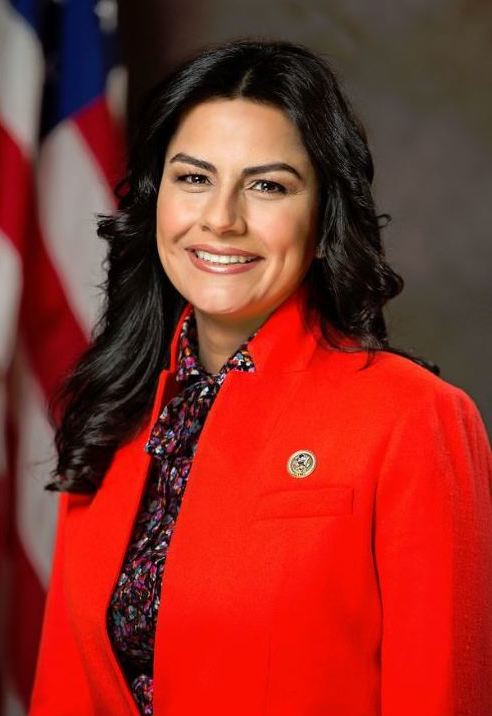
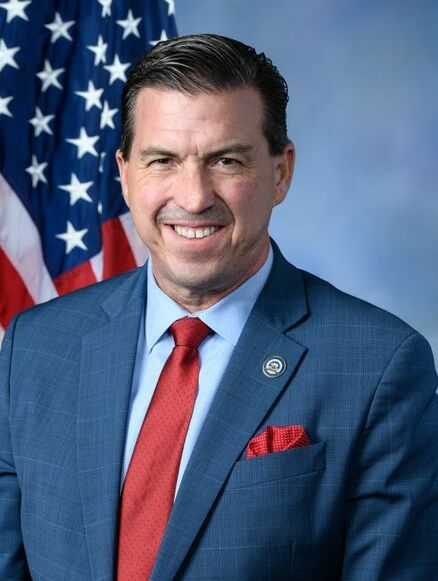
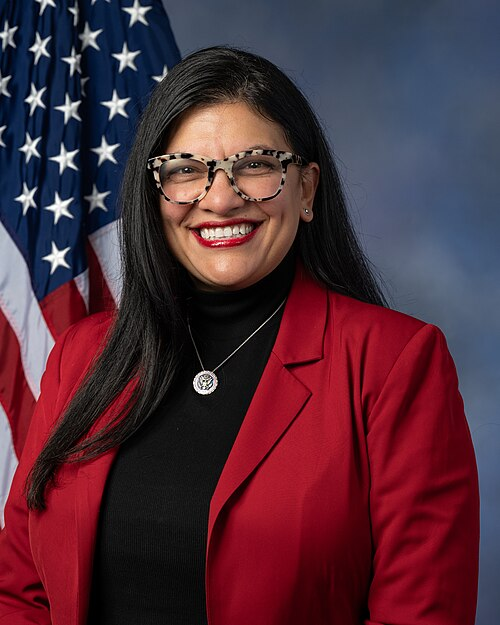
Sponsors
5 bill sponsors


Actions
2 actions
| Date | Action |
|---|---|
| Nov. 19, 2026 | Introduced in House |
| Nov. 19, 2026 | Referred to the House Committee on Energy and Commerce. |
Corporate Lobbying
0 companies lobbying
None found.
* Note that there can be significant delays in lobbying disclosures, and our data may be incomplete.
Potentially Relevant Congressional Stock Trades
No relevant congressional stock trades found.