H.R. 11056: Protect Our Workers from Exploitation and Retaliation Act
This bill would expand immigration-related protections for people who are victims of crime or serious workplace violations, especially when they may need to cooperate with law enforcement or labor agencies.
What it changes
- It broadens eligibility for certain immigration protections, including U visas, to cover people involved in workplace claims—for example, claims about wage theft, unsafe working conditions, discrimination, family and medical leave issues, or other labor law violations.
- It allows people who are victims of labor or employment violations, or who are important witnesses in such cases, to seek temporary protection from deportation while their claims are being resolved.
- It gives these individuals work authorization during that protected period.
- It extends some existing protections for victims of crime so that people helping with workplace-related investigations or civil claims can be treated more similarly to crime victims cooperating with authorities.
- It requires that if DHS enforcement action occurs at a workplace where a claim has been filed, or where an enforcement complaint may have prompted retaliation, DHS must take steps to notify the appropriate agency and allow interviews of affected workers before removal in some cases.
Protections during immigration enforcement
The bill would limit the ability of immigration authorities to remove certain workers from the United States while:
- their workplace claim is pending,
- they are a material witness in a workplace claim or related civil claim, or
- they have applied for certain victim-based immigration relief.
In some cases, these protections could last until the claim is resolved, or longer if the Department of Homeland Security decides an extension is justified.
Definition of “workplace claim”
The bill defines a workplace claim broadly to include written or oral complaints made to an employer, government agency, court, or employee representative about workplace injuries, labor law violations, wages, hours, labor relations, leave, occupational safety, civil rights, or nondiscrimination.
Other legal effects
- It says certain immigration information provided in victim-based applications generally cannot be used to start or carry out removal proceedings.
- It clarifies that workers do not lose workplace rights, remedies, or back pay protections simply because they were unauthorized noncitizens during the relevant time.
- It also says courts may not block such workers from bringing other civil claims related to liability.
Relevant Companies
None found
This is an AI-generated summary of the bill text. There may be mistakes.
Sponsors
27 bill sponsors
-
TrackJudy Chu
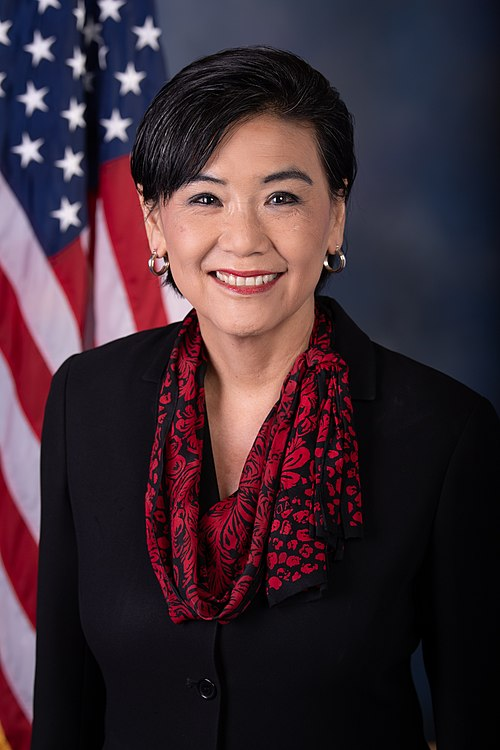
Sponsor
-
TrackBecca Balint
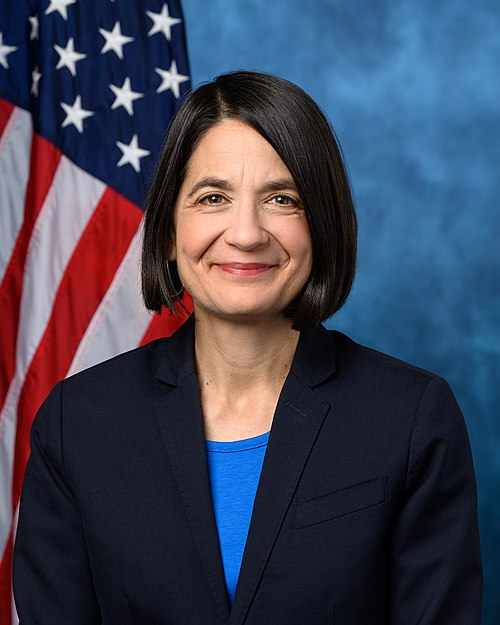
Co-Sponsor
-
TrackJasmine Crockett
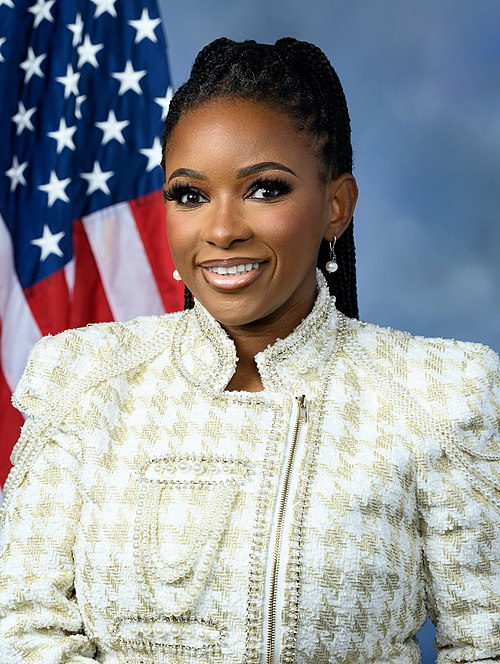
Co-Sponsor
-
TrackDanny K. Davis
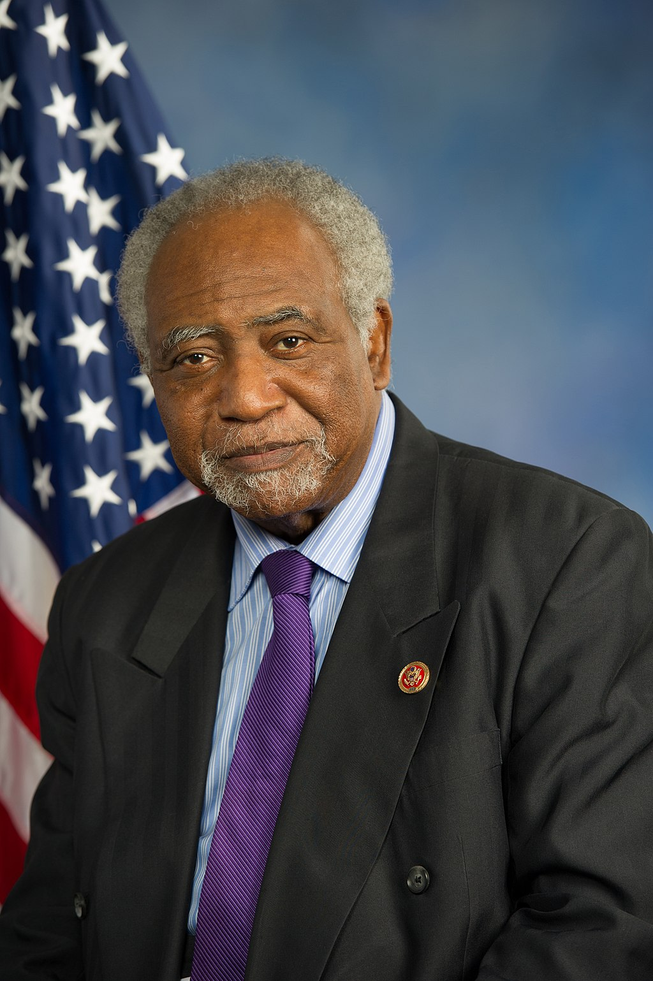
Co-Sponsor
-
TrackMadeleine Dean
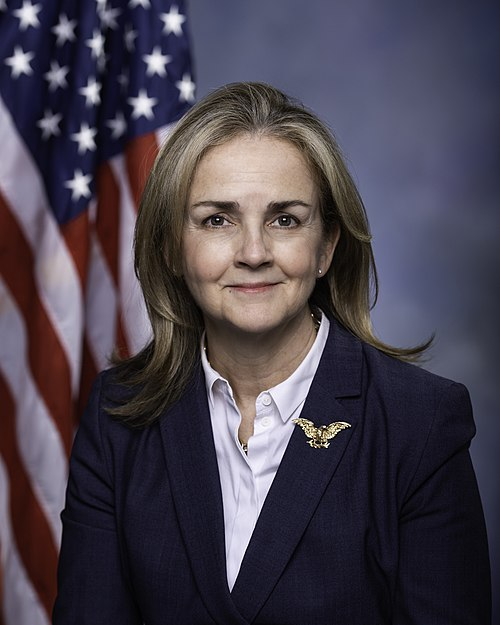
Co-Sponsor
-
TrackRobert Garcia
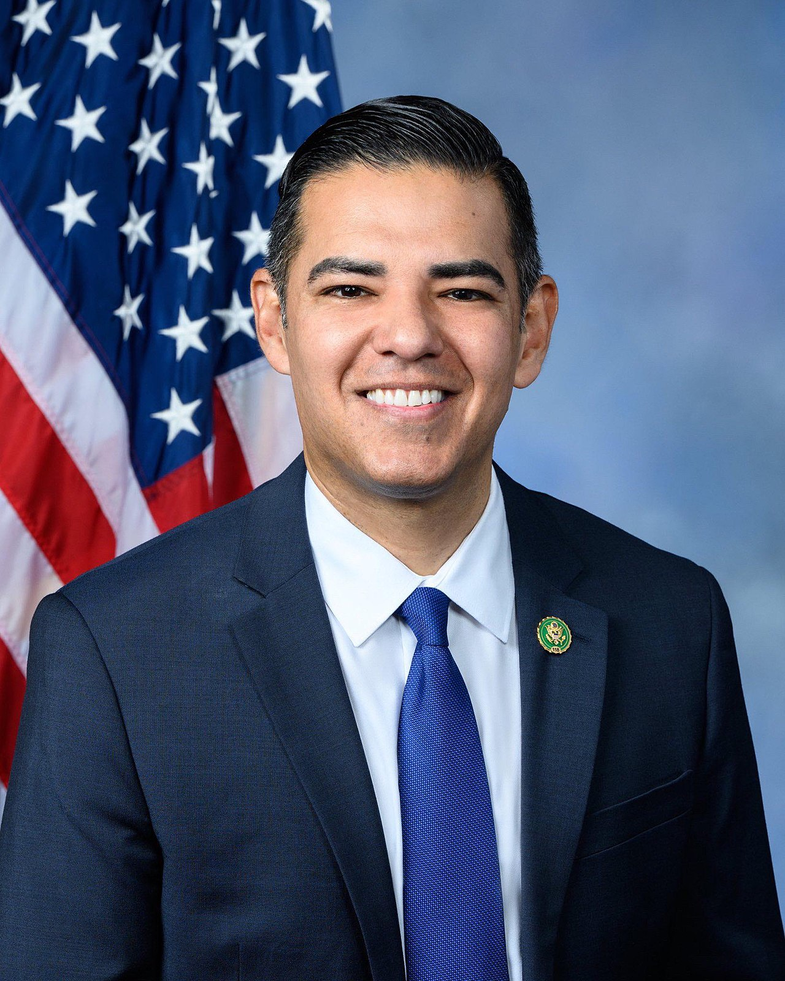
Co-Sponsor
-
TrackSylvia R. Garcia
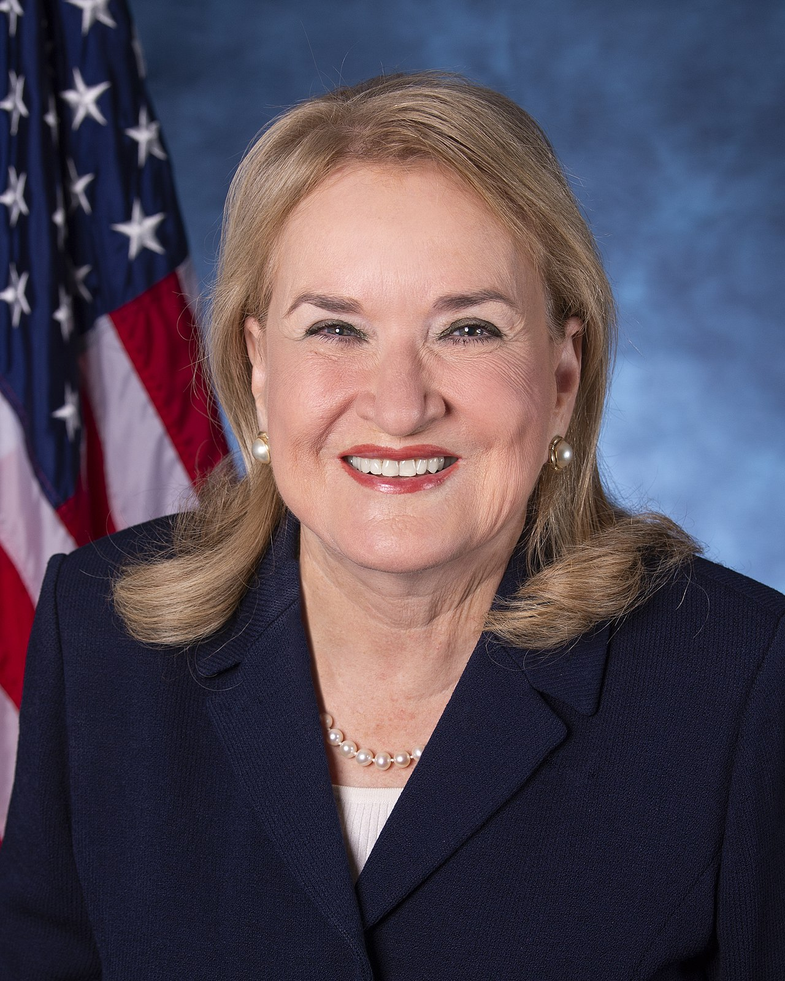
Co-Sponsor
-
TrackVal T. Hoyle
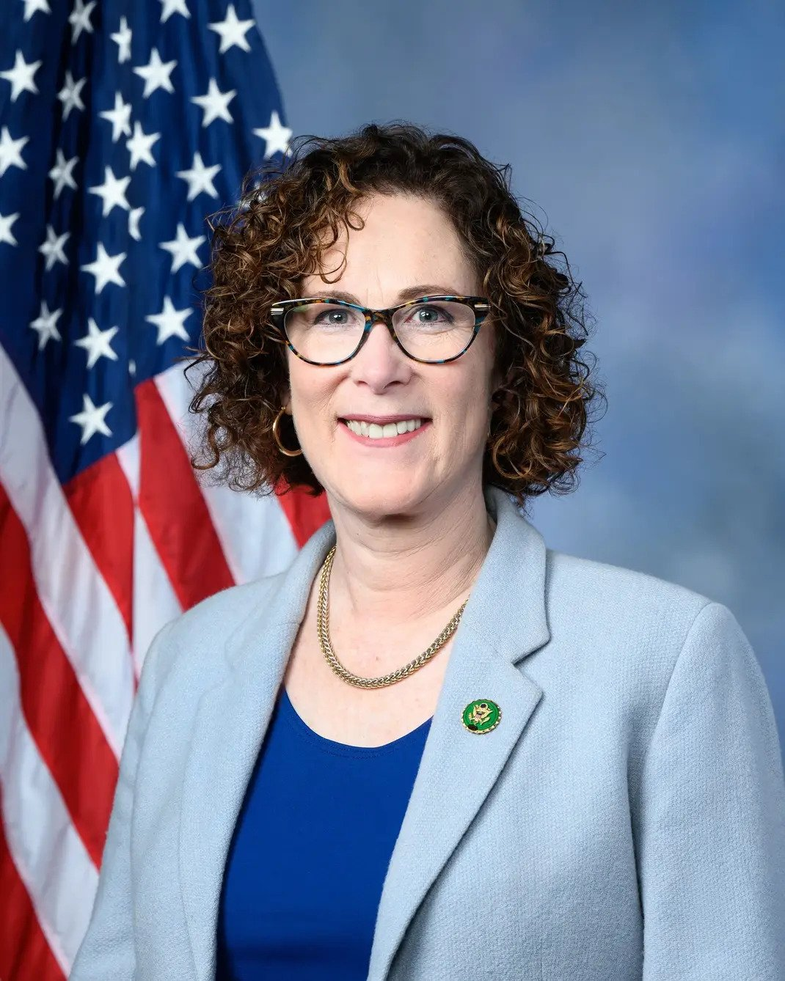
Co-Sponsor
-
TrackJonathan L. Jackson
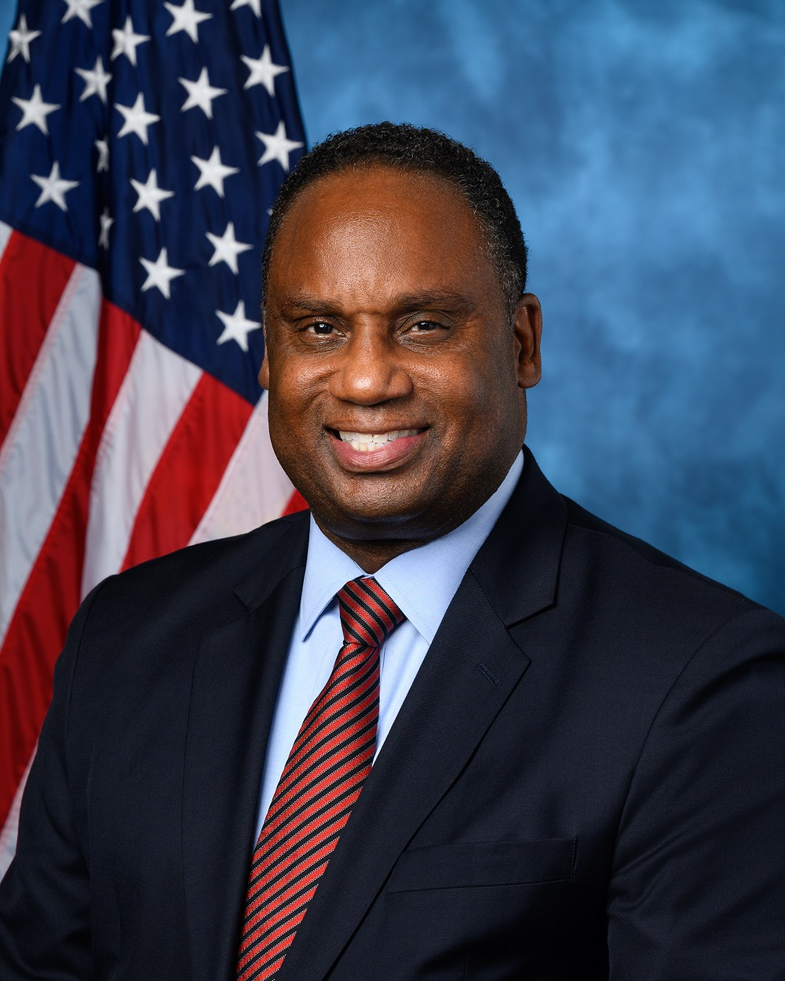
Co-Sponsor
-
TrackPramila Jayapal
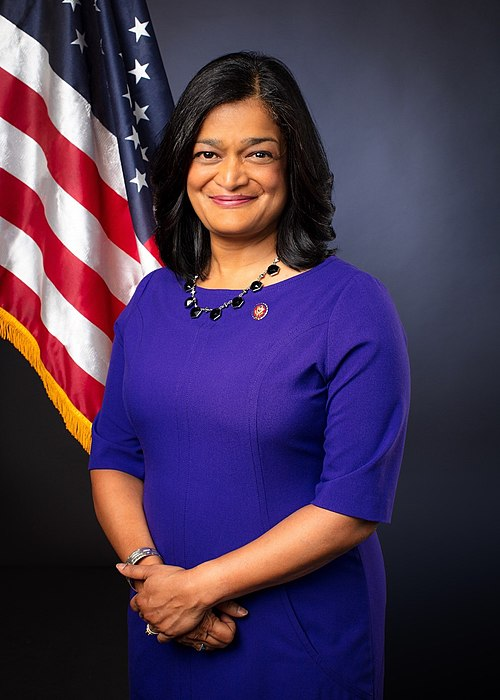
Co-Sponsor
-
TrackHenry C. "Hank" Johnson, Jr.
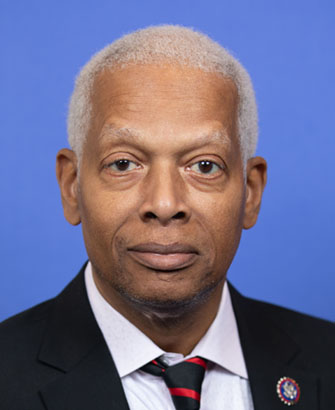
Co-Sponsor
-
TrackRo Khanna
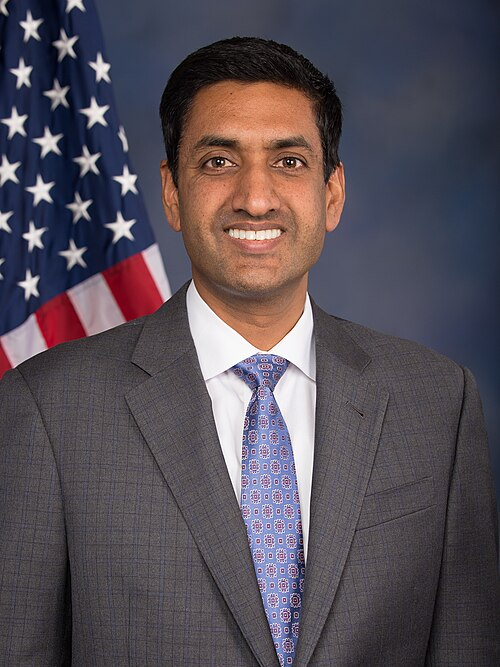
Co-Sponsor
-
TrackTed Lieu
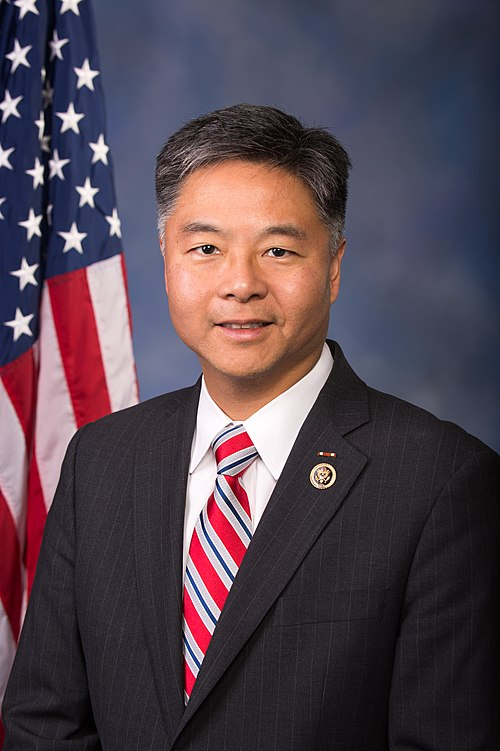
Co-Sponsor
-
TrackSeth Moulton
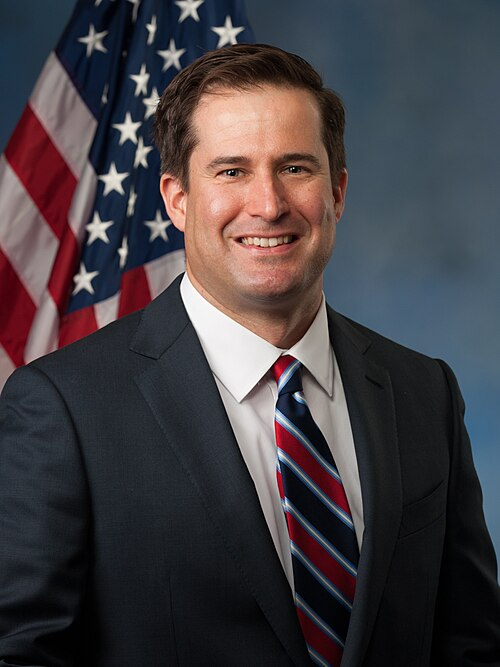
Co-Sponsor
-
TrackEleanor Holmes Norton

Co-Sponsor
-
TrackIlhan Omar

Co-Sponsor
-
TrackChellie Pingree
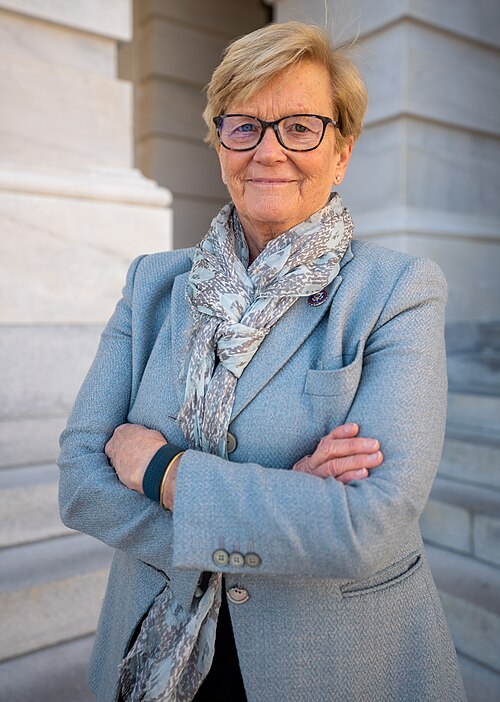
Co-Sponsor
-
TrackMike Quigley
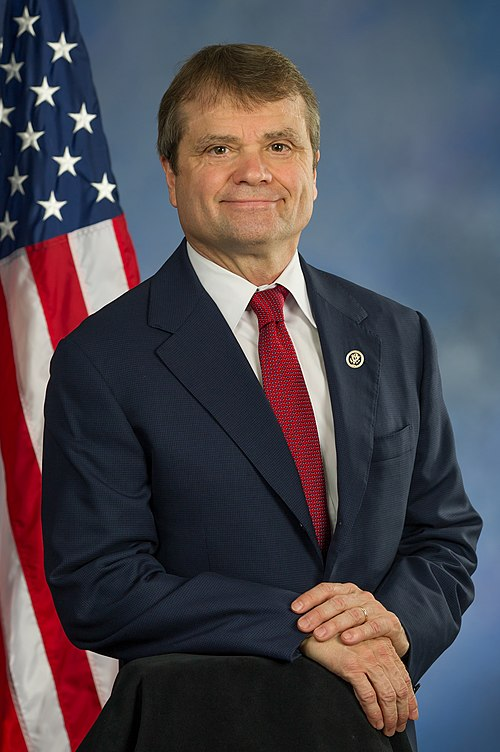
Co-Sponsor
-
TrackDelia C. Ramirez
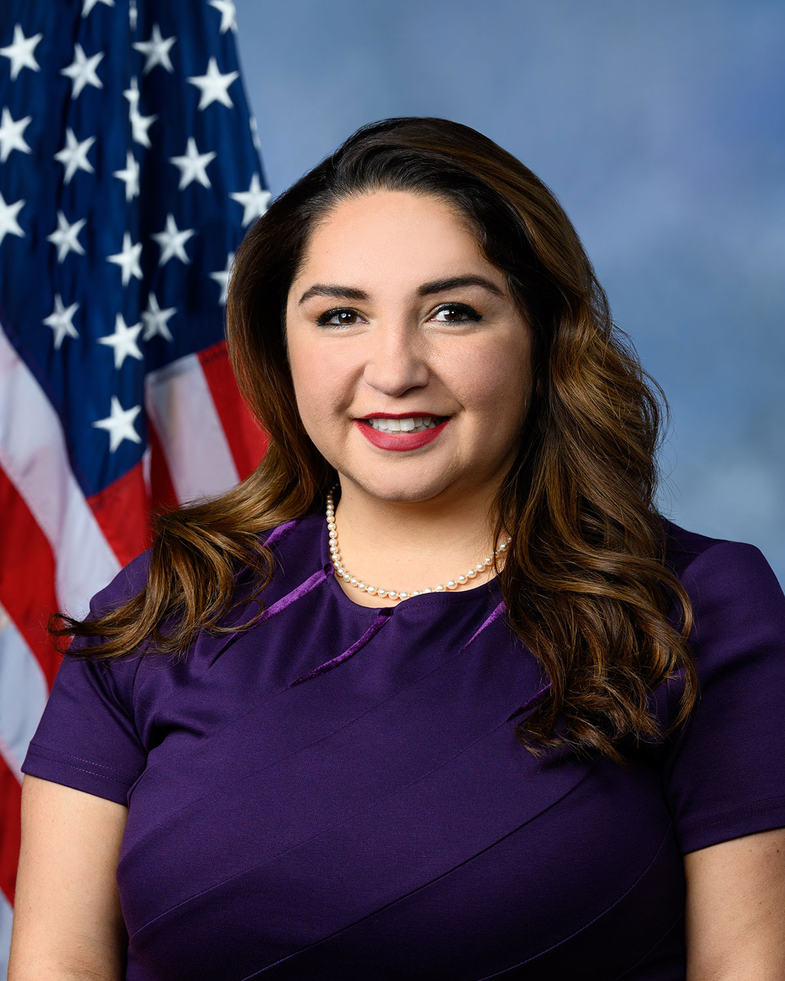
Co-Sponsor
-
TrackRobert C. "Bobby" Scott
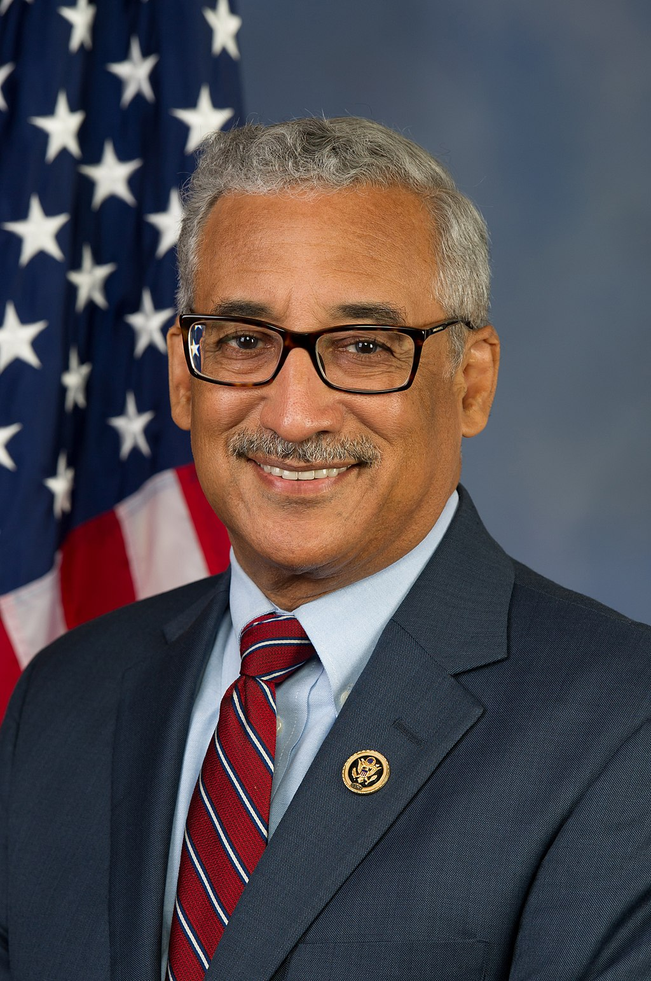
Co-Sponsor
-
TrackMark Takano
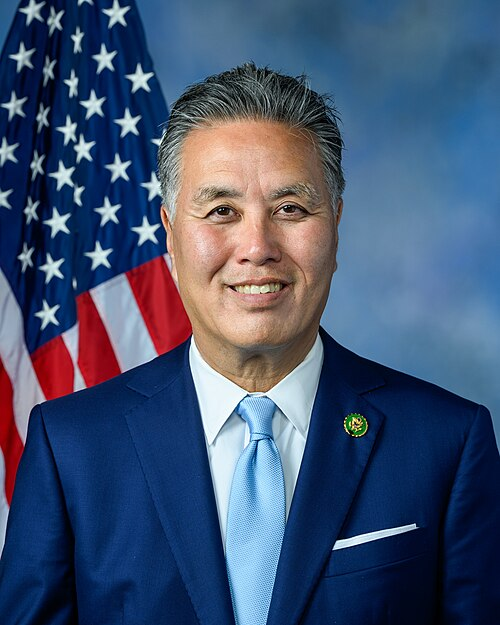
Co-Sponsor
-
TrackShri Thanedar
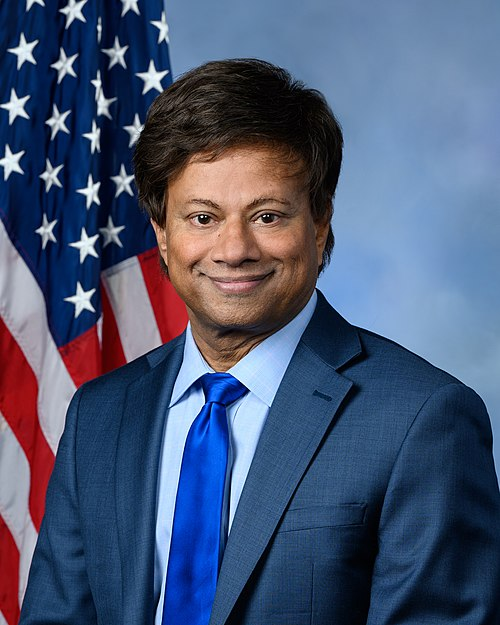
Co-Sponsor
-
TrackDina Titus
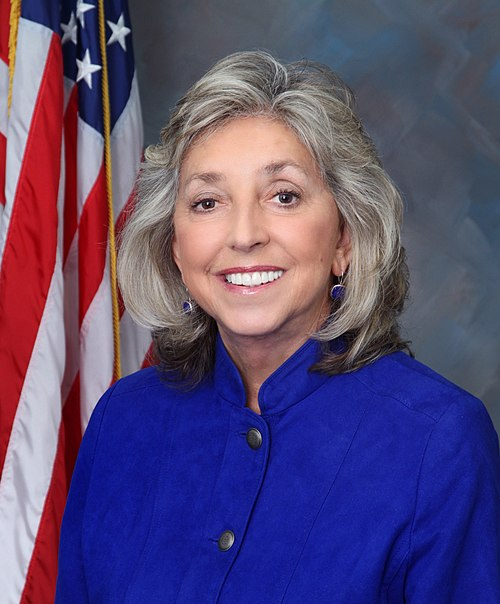
Co-Sponsor
-
TrackRashida Tlaib
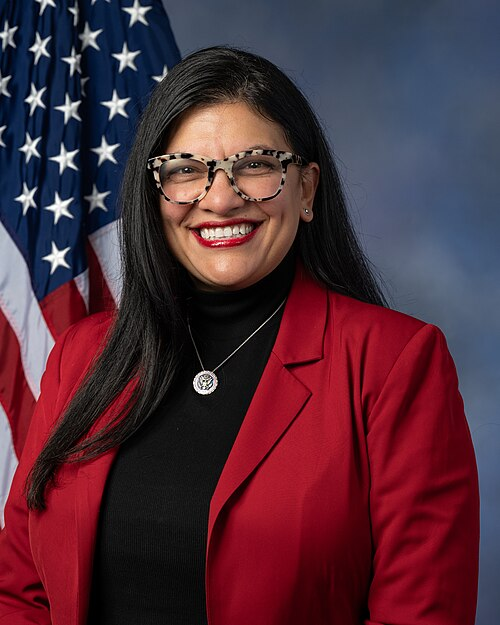
Co-Sponsor
-
TrackJuan Vargas
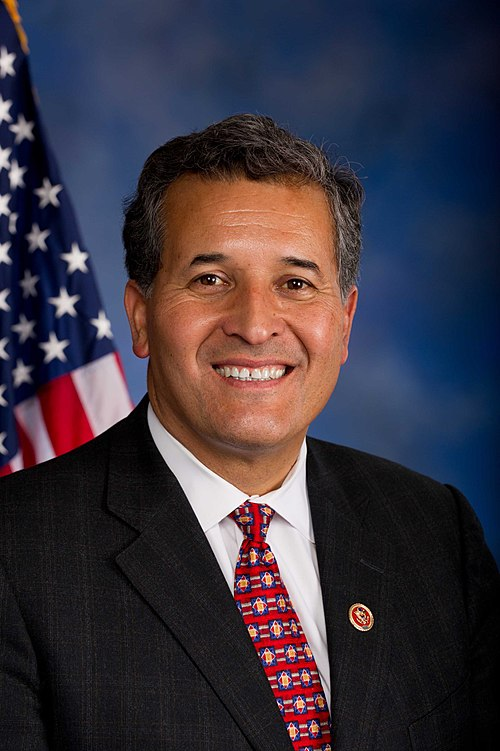
Co-Sponsor
-
TrackDebbie Wasserman Schultz
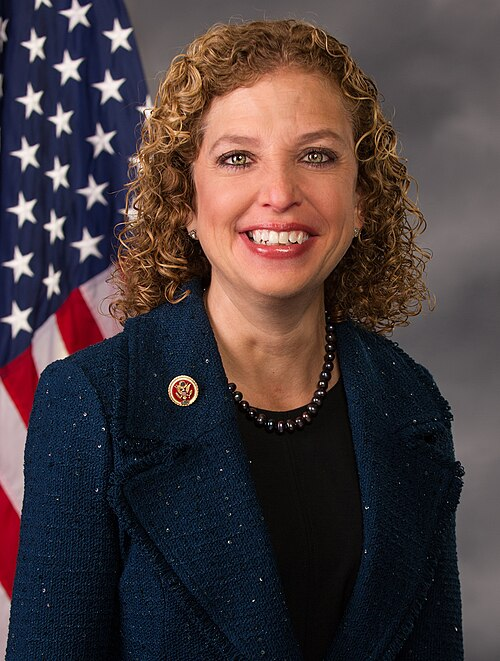
Co-Sponsor
-
Tracknan

Co-Sponsor
Actions
2 actions
| Date | Action |
|---|---|
| Nov. 18, 2026 | Introduced in House |
| Nov. 18, 2026 | Referred to the House Committee on the Judiciary. |
Corporate Lobbying
0 companies lobbying
None found.
* Note that there can be significant delays in lobbying disclosures, and our data may be incomplete.
Potentially Relevant Congressional Stock Trades
No relevant congressional stock trades found.