H.R. 11029: Bringing Rehabilitation, Integrated Delivery, and Greater Extended Care at Home Act
This bill would create a new Medicare pilot program that lets some people who would normally get skilled nursing facility care in a nursing home instead receive that care at home for a five-year period starting January 1, 2027.
What the program does
The Secretary of Health and Human Services would run a “SNF-at-Home” program under Medicare. Under this program, approved providers could deliver covered skilled nursing facility services to eligible Medicare patients in the patient’s residence instead of in a facility.
The bill says the program would be available only to people already eligible for skilled nursing facility care under Medicare Part A.
Who could provide the care
The bill defines “eligible entities” as:
- skilled nursing facilities; and
- certain hospitals that have agreements to provide skilled nursing facility services, if they also have transfer arrangements with a skilled nursing facility in case a patient can no longer safely stay at home.
Rules and safeguards
The bill would require the Secretary to waive some current Medicare and regulatory requirements so that care can be delivered at home. At the same time, it sets a number of conditions meant to keep the program similar in quality and safety to facility-based care.
Providers would have to:
- treat patients at home using the same standard of care as in a skilled nursing facility;
- meet safety standards set by the Secretary;
- use evidence-based rules for deciding who is eligible and when a patient should be moved to a facility;
- provide an individualized care plan that can include nursing, therapy, physician oversight, pharmacy, lab, imaging, equipment, supplies, nutrition, and social services;
- offer 24-hour access to a registered nurse and a clinician who can issue orders;
- have emergency response and transport plans;
- maintain infection control, medication management, home safety, backup power/technology, and abuse prevention standards;
- report serious events such as deaths, injuries, falls, medication errors, and missed visits; and
- submit to readiness reviews and unannounced oversight.
Patient choice and caregiver protections
The bill would make participation voluntary. Before care begins, the patient would have to receive written and oral notice explaining the program, alternatives, possible cost-sharing, time limits, transfer options, appeal rights, and the right to revoke consent.
The bill also says providers could not pressure patients to join the program, give financial inducements, or prefer one discharge option over another because of the patient’s decision. Providers also could not require an unpaid caregiver to be available or shift the cost or responsibility of care onto that caregiver.
Transfers back to a facility if needed
Providers would have to keep checking whether care can still be safely given at home. If not, they would have to arrange a prompt transfer to a skilled nursing facility. The bill says that transfer would not affect the patient’s Medicare eligibility for skilled nursing facility services.
If services are ended because a caregiver is no longer available or housing conditions change, the provider would have to arrange a safe transition and give written notice and access to expedited review.
Payment
Medicare would pay for services under the program using the usual payment rules for skilled nursing facilities, paid from the Hospital Insurance Trust Fund. The bill also directs the Secretary to avoid duplicate payments for the same services under this or other federal health programs.
Study and reporting
By September 30, 2030, the Secretary would have to study the program and compare home-based care with facility-based care. The study would look at:
- quality of care and health outcomes;
- hospital readmissions, mortality, infection rates, length of stay, and transfers between home and hospital;
- staffing mix and intensity of services;
- costs of home-based versus facility-based care; and
- patient, caregiver, and socioeconomic characteristics of people in the program.
The Secretary would also have to account for selection bias as much as possible when comparing participants with nonparticipants.
Implementation
The Secretary would be allowed to implement the program by program instruction or other administrative means, without waiting for additional legislation.
Relevant Companies
- ENSG - The Ensign Group, which operates skilled nursing facilities and home health/post-acute care businesses that could be affected by a shift of some Medicare skilled nursing care from facilities to home settings.
- AMED - Amedisys, which provides home health and related services and could see changes in demand if more skilled nursing-level care is delivered at home.
- UNH - UnitedHealth Group, through its Medicare Advantage and care-delivery businesses, could be affected by changes in Medicare post-acute care patterns and reimbursement administration.
- HUM - Humana, as a major Medicare Advantage insurer, could be indirectly affected by changes in how skilled nursing care is provided and paid for under Medicare.
- CI - Cigna Group, which has healthcare services and Medicare-related businesses that could be indirectly affected by shifts in post-acute care delivery.
This is an AI-generated summary of the bill text. There may be mistakes.
Sponsors
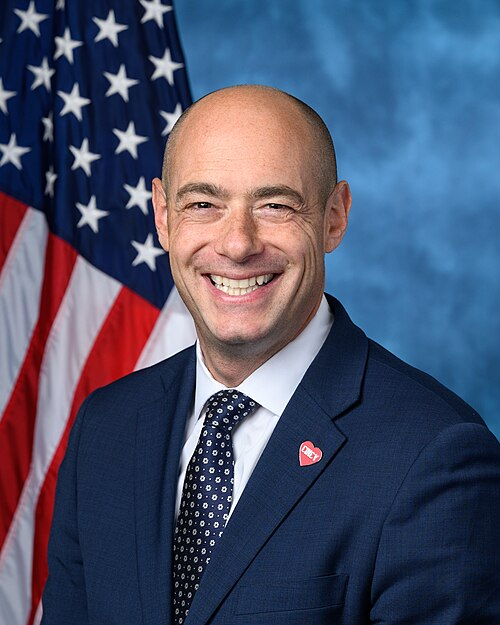
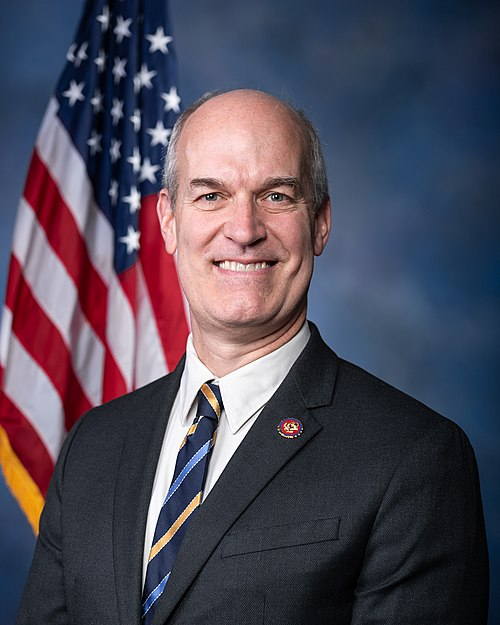
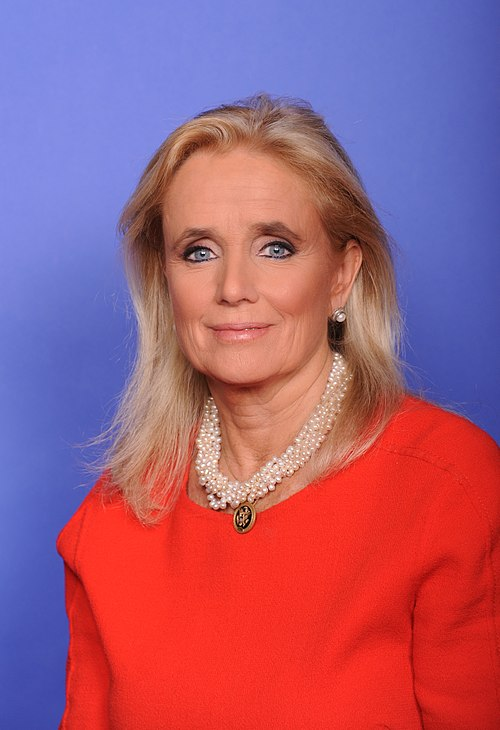
2 bill sponsors

Actions
2 actions
| Date | Action |
|---|---|
| Nov. 12, 2026 | Introduced in House |
| Nov. 12, 2026 | Referred to the Committee on Ways and Means, and in addition to the Committee on Energy and Commerce, for a period to be subsequently determined by the Speaker, in each case for consideration of such provisions as fall within the jurisdiction of the committee concerned. |
Corporate Lobbying
0 companies lobbying
None found.
* Note that there can be significant delays in lobbying disclosures, and our data may be incomplete.