H.R. 11012: Optimizing Networks for Distributed Energy Management and New Demand Act
This bill would direct the Department of Energy to help states, utilities, grid operators, and other stakeholders make it easier to use virtual power plants more widely. A virtual power plant is not a single facility; it is a coordinated group of smaller energy resources, such as batteries, rooftop solar, electric vehicles, smart thermostats, or other devices, that can be managed together to support the electric grid.
What the bill requires the Department of Energy to do
- Hold meetings with stakeholders: Within a year, the Energy Secretary would have to convene multiple meetings with at least 40 participants, including utilities, regulators, researchers, consumer groups, and other experts.
- Study barriers to virtual power plants: The Department would examine what is making virtual power plants harder to use or expand, including market rules, technology issues, regulation, cost, customer experience, cybersecurity, and data sharing.
- Create model standards and best practices: Based on those meetings, the Department would develop and promote recommended standards and practices for designing, deploying, and operating virtual power plants.
- Create communication and cybersecurity protocols: In coordination with the National Institute of Standards and Technology, the Department would develop model protocols for how virtual power plants communicate with utilities and grid systems, including interoperability, data access, privacy, and cybersecurity.
- Update and publish guidance: The Department would periodically update the standards and protocols and publish them publicly.
Technical assistance and support
The bill would also require the Department of Energy to provide technical assistance to:
- Electric utilities and load-serving entities planning or operating virtual power plant projects;
- State regulators, public utility commissions, Tribal regulators, municipal utilities, rural cooperatives, and energy offices that need help adopting these systems;
- Regional Transmission Organizations and Independent System Operators so they can better include virtual power plants in wholesale electricity markets.
This assistance could include help with:
- utility cost recovery methods;
- grid planning and distribution planning;
- program design and deployment requirements;
- tariff structures and compensation methods;
- consumer protections;
- cybersecurity and energy security;
- integration of retail programs with wholesale market participation.
National laboratory tools
The bill would direct National Laboratories to create or expand modeling and forecasting tools to help with the design and operation of virtual power plants and distributed energy resources. These tools would help with:
- predicting performance under different conditions;
- forecasting energy demand and supply;
- local grid planning;
- hosting capacity maps;
- identifying cybersecurity vulnerabilities.
Reports to Congress
The Energy Secretary would have to submit a report to Congress and make it public describing:
- the standards and best practices developed;
- meetings and outreach efforts;
- stakeholders consulted;
- technical assistance provided;
- modeling tools created.
A briefing to Congress would also be required afterward.
How the bill defines virtual power plants
The bill defines a virtual power plant as a coordinated group of distributed energy resources, including resources connected to the local grid or behind a customer’s meter. It specifically includes things like:
- battery storage;
- distributed renewable generation;
- demand response and energy efficiency devices;
- electric vehicles;
- electric vehicle charging equipment.
Relevant Companies
- ENPH — Enphase Energy could be affected because the bill encourages wider use of distributed energy resources and virtual power plants, which may increase integration of home solar, batteries, and related software into grid programs.
- SEDG — SolarEdge Technologies could be affected for similar reasons, since its products are used in distributed solar and storage systems that may participate in virtual power plant programs.
- TSLA — Tesla could be affected because its battery storage products and electric vehicles may be part of the kinds of distributed energy resources used in virtual power plants.
- NEE — NextEra Energy could be affected through its utility and clean energy businesses if virtual power plant adoption changes grid planning, procurement, or distributed resource integration.
- DUK — Duke Energy could be affected as a large electric utility that may need to adapt planning, procurement, and grid operations to incorporate virtual power plants.
- SO — Southern Company could be affected in a similar way through utility planning, grid management, and potential compensation structures for distributed resources.
- AEP — American Electric Power could be affected by changes in distribution planning, market participation rules, and utility integration of distributed energy resources.
This is an AI-generated summary of the bill text. There may be mistakes.
Sponsors
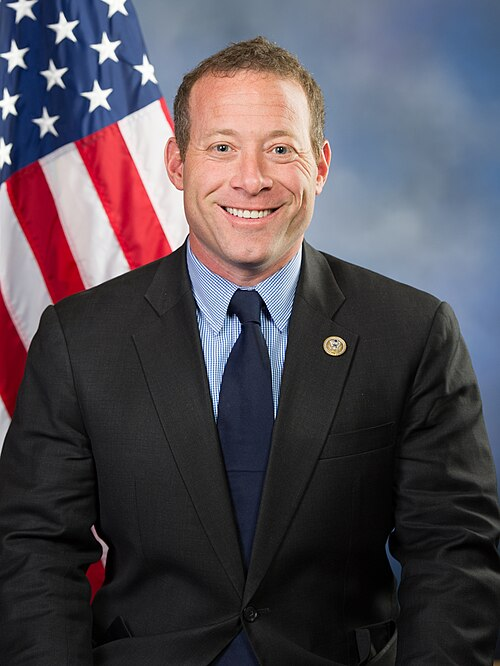
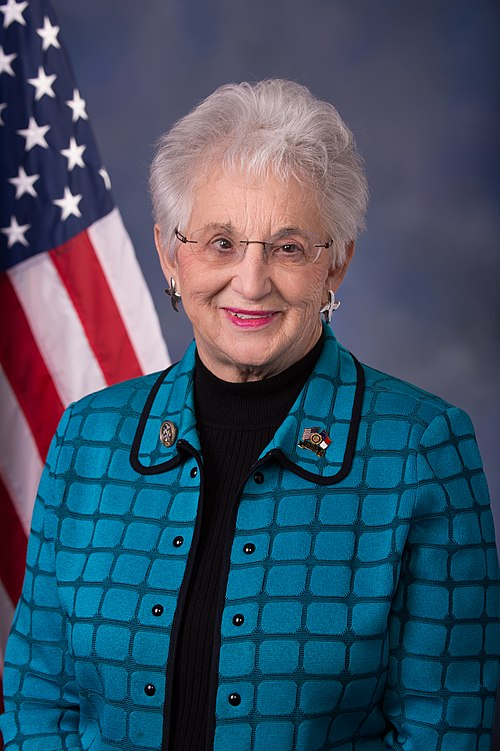
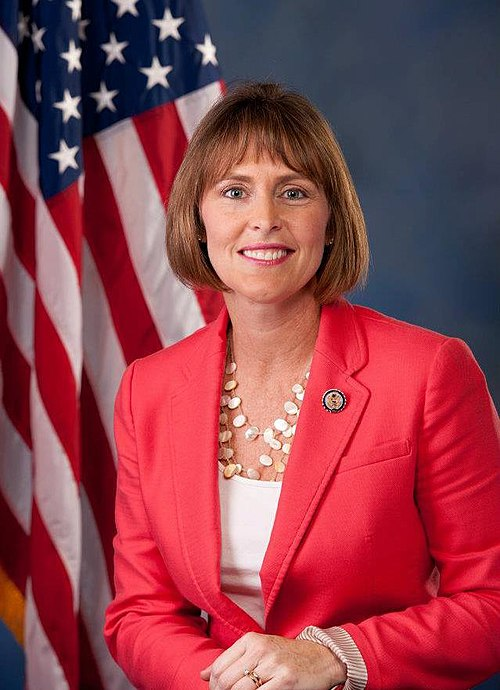
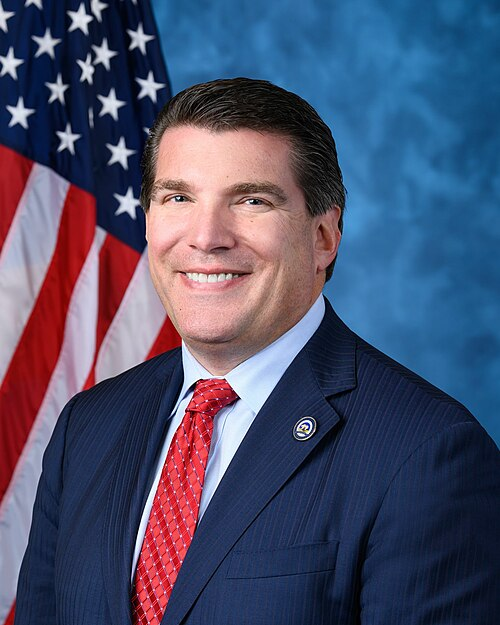
3 bill sponsors

Actions
2 actions
| Date | Action |
|---|---|
| Nov. 12, 2026 | Introduced in House |
| Nov. 12, 2026 | Referred to the Committee on Energy and Commerce, and in addition to the Committee on Science, Space, and Technology, for a period to be subsequently determined by the Speaker, in each case for consideration of such provisions as fall within the jurisdiction of the committee concerned. |
Corporate Lobbying
0 companies lobbying
None found.
* Note that there can be significant delays in lobbying disclosures, and our data may be incomplete.