H.R. 11008: Strengthening Citizenship Services for Veterans Act
This bill would require U.S. Citizenship and Immigration Services (USCIS) to make the naturalization process easier for certain noncitizen veterans who are outside the United States, including some who were removed from the country or are otherwise inadmissible.
What counts as an eligible veteran
The bill applies to a noncitizen veteran. It includes veterans who:
- were removed from the United States; or
- are living outside the United States and are considered inadmissible under immigration law.
In this bill, “naturalization” means becoming a U.S. citizen, and the process includes the English and civics test, biometric collection such as fingerprints and photos, and the oath ceremony.
What USCIS would have to do
For each eligible veteran, USCIS would have to provide the naturalization process at one of two places:
- a U.S. port of entry that the veteran can access; or
- a U.S. embassy or consulate in the country where the veteran lives.
This requirement would apply to the naturalization exam, biometric collection, and the oath of allegiance ceremony.
Role of Homeland Security and the State Department
The Secretary of Homeland Security and the Secretary of State would have to issue joint guidance on how the process should work. That guidance would cover:
- how DHS will carry out biometric collection, interviews/tests, and oath ceremonies at ports of entry, embassies, or consulates;
- how the State Department will make space available for those activities; and
- quality controls to help ensure eligible veterans can complete the process.
Reporting and follow-up
Within 180 days after the bill becomes law, Homeland Security and State would have to send Congress a report on how the law is being implemented and whether the guidance is working. If the report identifies problems, the agencies would have to update the guidance within 90 days after the report is submitted.
Rulemaking and timing
Homeland Security would have to issue regulations to carry out the bill within 90 days after enactment. The bill would take effect 90 days after enactment, and it would apply both to pending naturalization applications and to applications filed after enactment, regardless of when the veteran left military service or departed the United States.
Relevant Companies
None found
This is an AI-generated summary of the bill text. There may be mistakes.
Sponsors
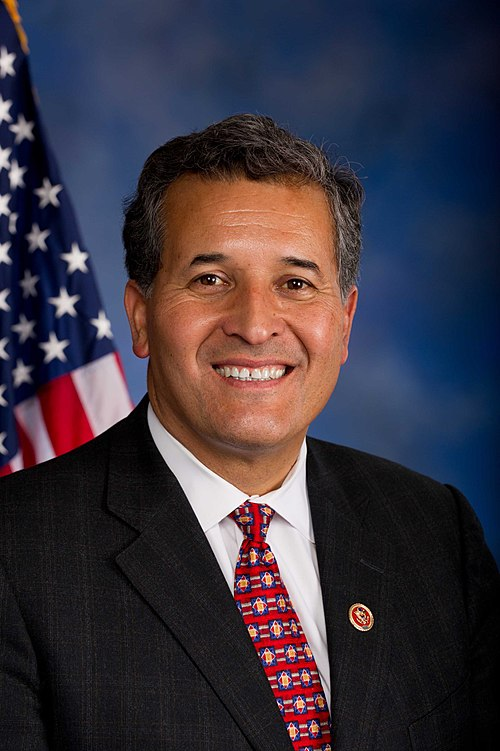
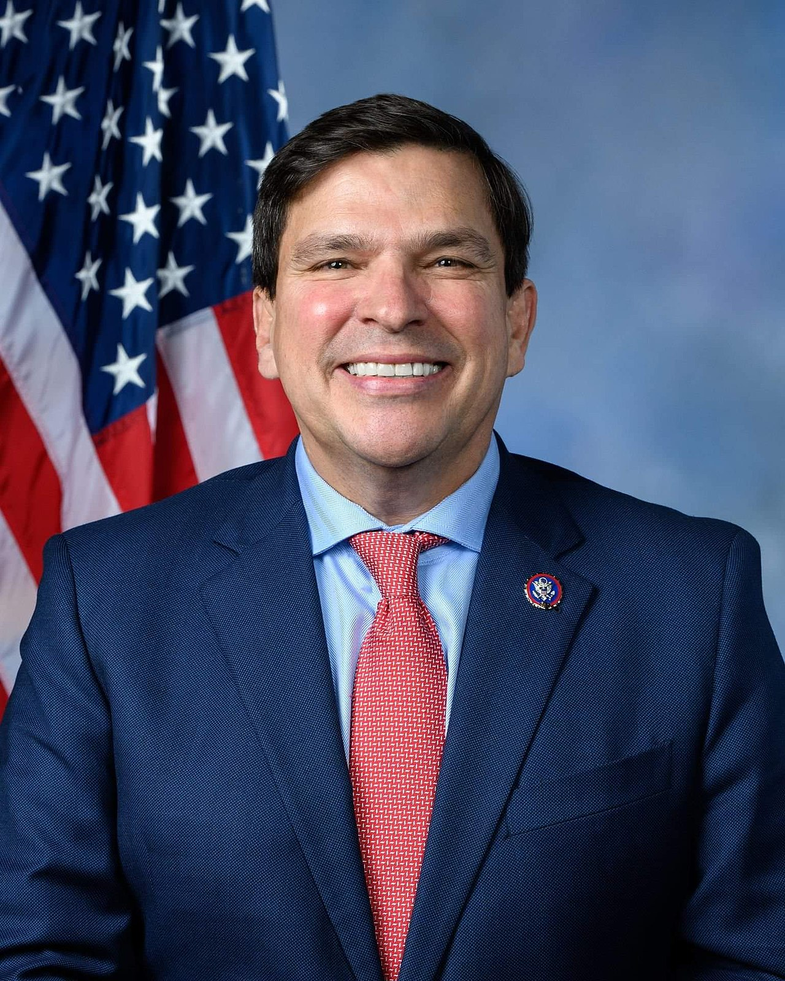
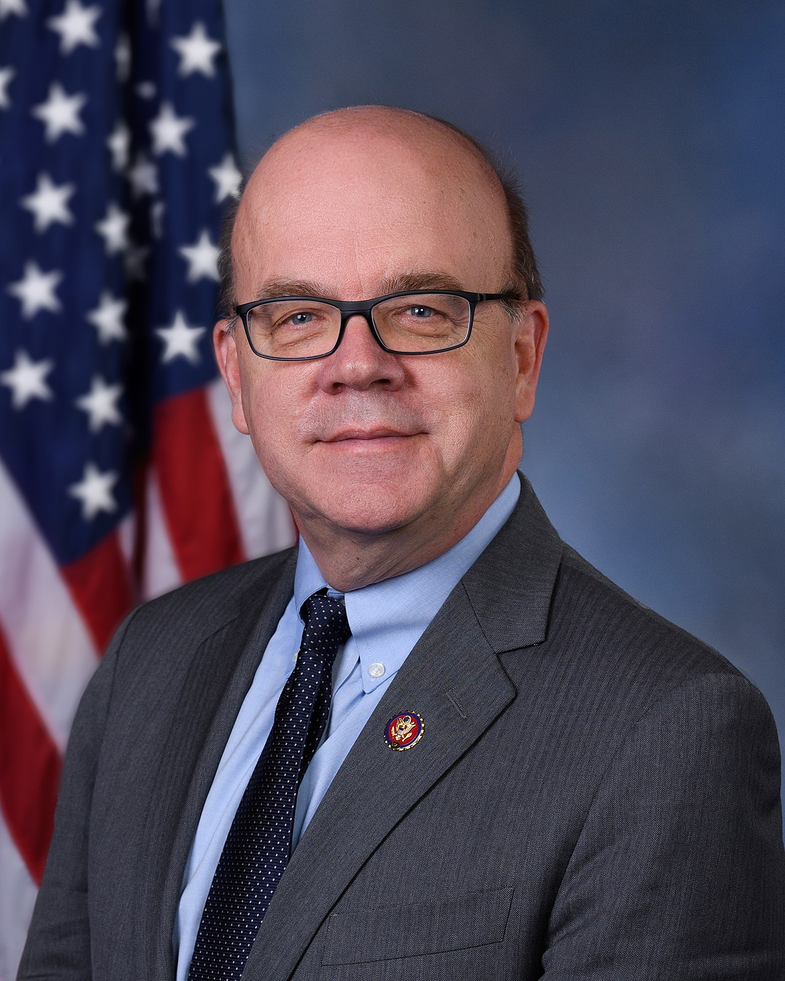
3 bill sponsors
Actions
2 actions
| Date | Action |
|---|---|
| Nov. 11, 2026 | Introduced in House |
| Nov. 11, 2026 | Referred to the House Committee on the Judiciary. |
Corporate Lobbying
0 companies lobbying
None found.
* Note that there can be significant delays in lobbying disclosures, and our data may be incomplete.
Potentially Relevant Congressional Stock Trades
No relevant congressional stock trades found.