
H.R. 11003: Abuse of the Pardon Prevention Act of 2026
This bill would create new rules and reporting requirements around presidential pardons and commutations, especially when they involve people connected to the President or sensitive investigations.
What counts as a “covered offense”
The bill focuses on pardons for certain categories of offenses, including cases involving:
- The President, a relative of the President, a former President, a current or former political appointee, or a campaign employee of the President.
- Crimes motivated by the personal or financial interests of those people.
- Contempt of Congress.
- False statements, obstruction, witness tampering, or perjury tied to a congressional proceeding or investigation.
It defines “pardon” to include a commutation of sentence as well.
New Justice Department oversight
If the President grants a pardon for one of these covered offenses, the Department of Justice Inspector General would be required to begin an investigation as soon as practicable. The investigation would look at whether the pardon created a conflict of interest or the appearance of one.
The bill would also require the Attorney General and the President to provide the Inspector General with materials related to the pardon within 30 days. These materials would include documents gathered or created by prosecutors, investigative agencies, the Department of Justice, and the Executive Office of the President.
If the Attorney General or President does not provide the required materials, the Inspector General would have to report that noncompliance to Congress within 10 days.
The bill says that grand jury secrecy rules should not be used to block disclosure of the required information for these investigations.
The Inspector General would then have to send Congress, and also publish, a report on the findings of each investigation. These reports would generally be unclassified, though they could include a classified annex if needed.
Congressional oversight
For pardons involving covered offenses, the bill would also require the Attorney General and the President to send the same kinds of pardon-related materials to the relevant congressional committees within 30 days. If the pardon involves intelligence or counterintelligence matters, the intelligence committees would also be included.
Again, the bill says that grand jury secrecy rules cannot be used to block this disclosure.
Bribery rules would be expanded
The bill would amend federal bribery law to make clear that bribery prohibitions apply to the President and Vice President, and to people who are about to become President or Vice President but have not yet taken office.
It would also make clear that bribery laws cover attempts to influence pardons, commutations, or reprieves, including offers of those acts.
Self-pardons would be void
The bill would say that if a President tries to pardon himself or herself, that pardon would have no legal effect. It would not stop courts from having jurisdiction or prevent investigation or prosecution.
Disclosure requirements for pardon recipients
The bill would add reporting rules for people who receive pardons after enactment. If a person gave a gift to the President within the 365 days before receiving a pardon, that person would have to file a financial disclosure report with the Office of Government Ethics within 30 days of the pardon.
The bill defines “gift” broadly. It would include not only ordinary gifts, but also campaign contributions to the President’s authorized committee, donations related to a presidential library, and contributions or transfers to entities involved in White House construction or renovation.
After the pardon is granted, the person would also have to keep filing annual reports for 5 years if additional gifts are made to the President. These reports would list the date, description, and value of each reportable gift.
The Office of Government Ethics would have to create an online portal for these filings within 180 days, and the reports would have to be posted publicly in a searchable format within 15 days of submission.
Relevant Companies
None found
This is an AI-generated summary of the bill text. There may be mistakes.
Sponsors
16 bill sponsors
-
TrackMike Levin
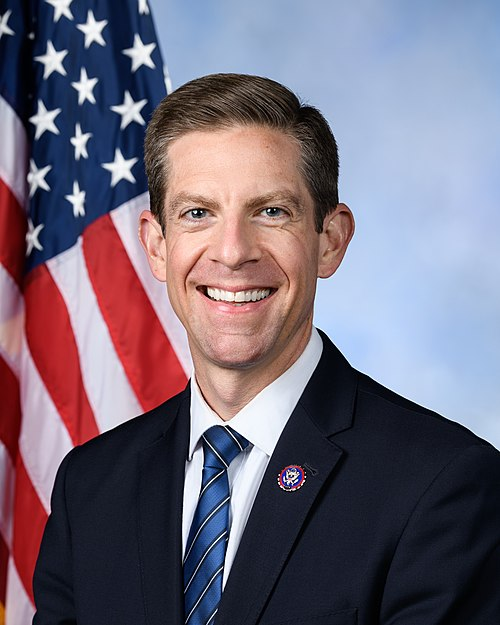
Sponsor
-
TrackGabe Amo
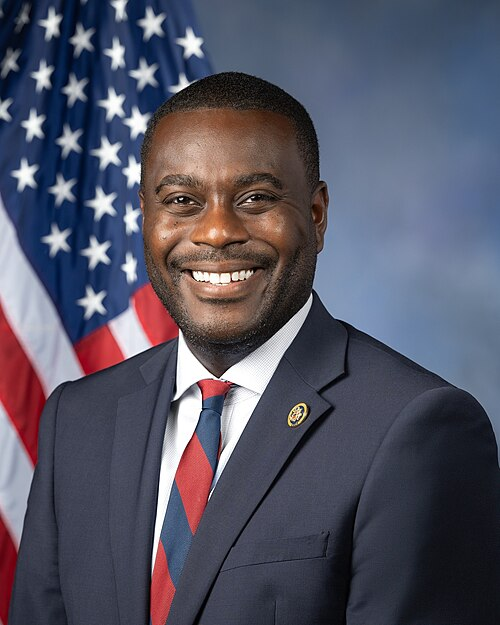
Co-Sponsor
-
TrackYassamin Ansari
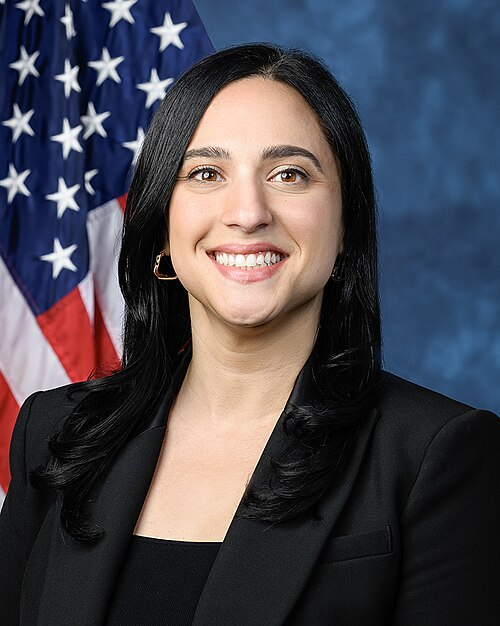
Co-Sponsor
-
TrackWesley Bell
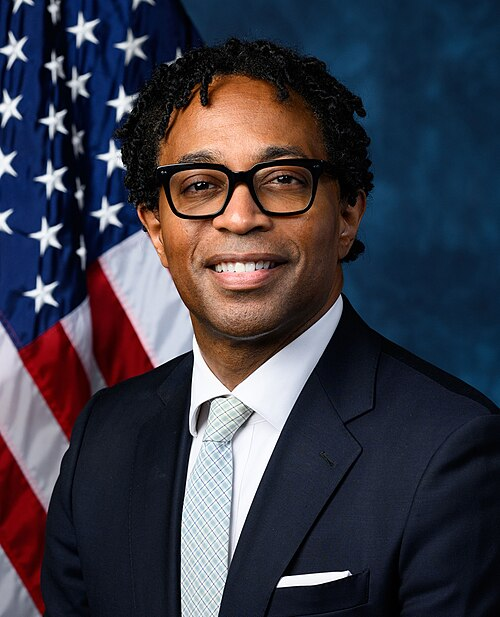
Co-Sponsor
-
TrackJulia Brownley
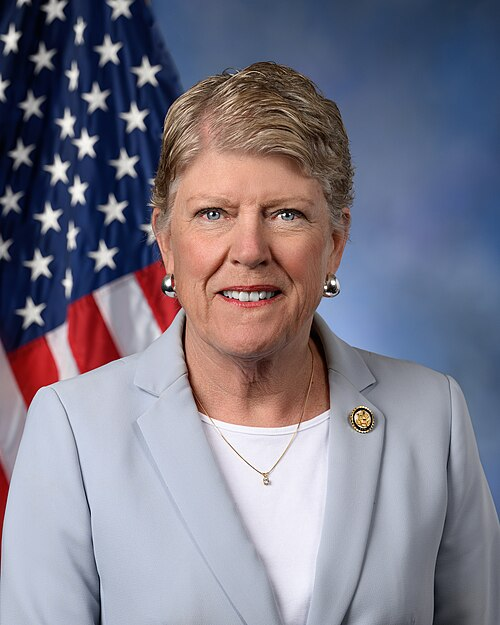
Co-Sponsor
-
TrackAndré Carson
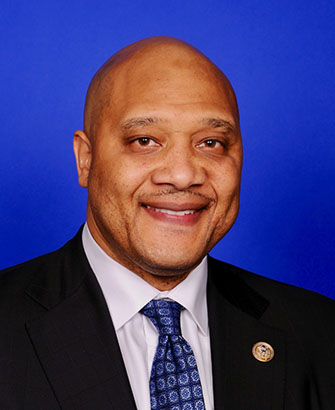
Co-Sponsor
-
TrackJim Costa
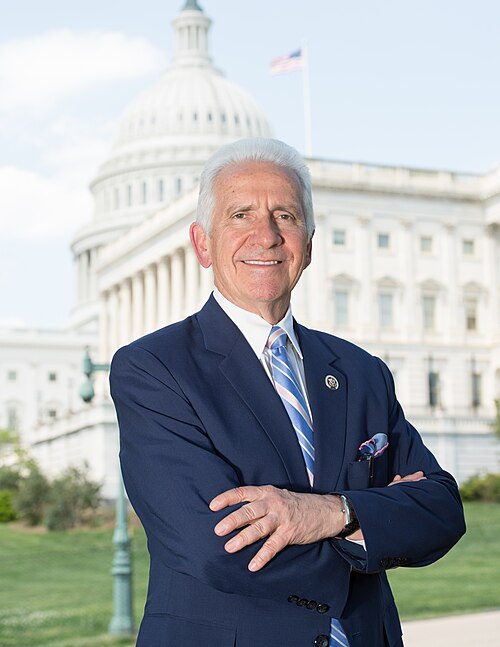
Co-Sponsor
-
TrackJason Crow
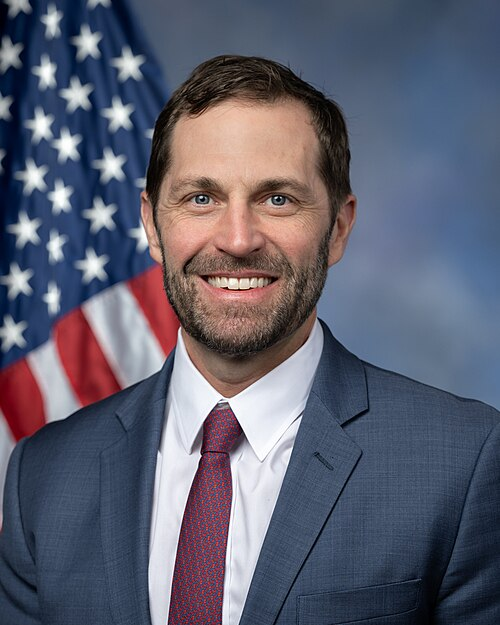
Co-Sponsor
-
TrackSuzan K. DelBene
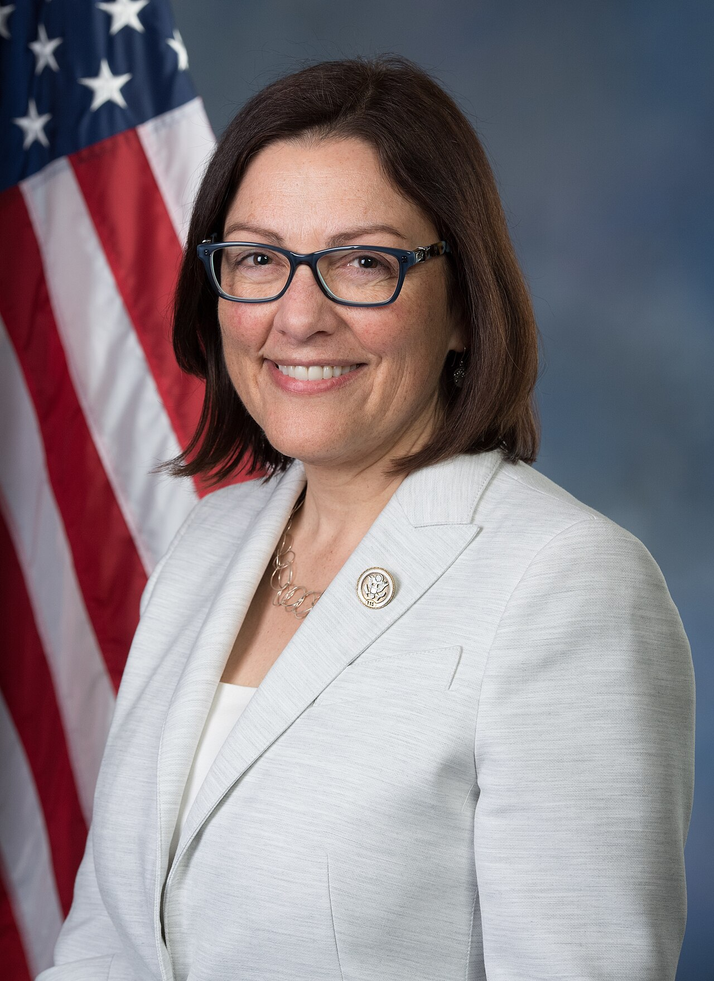
Co-Sponsor
-
TrackDaniel S. Goldman
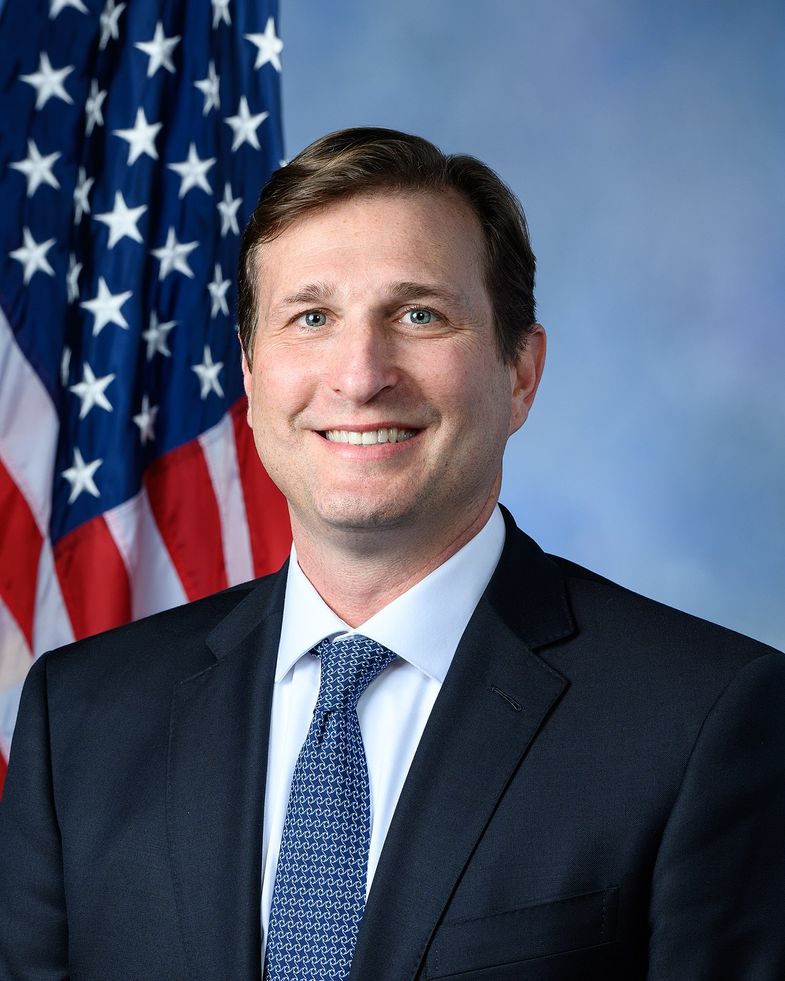
Co-Sponsor
-
TrackJared Huffman
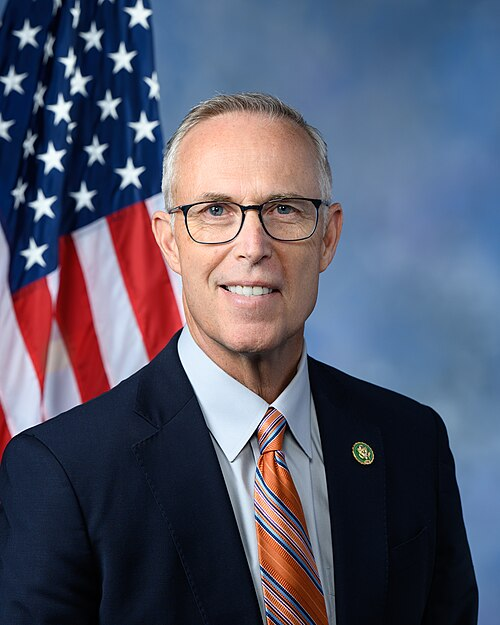
Co-Sponsor
-
TrackGreg Landsman
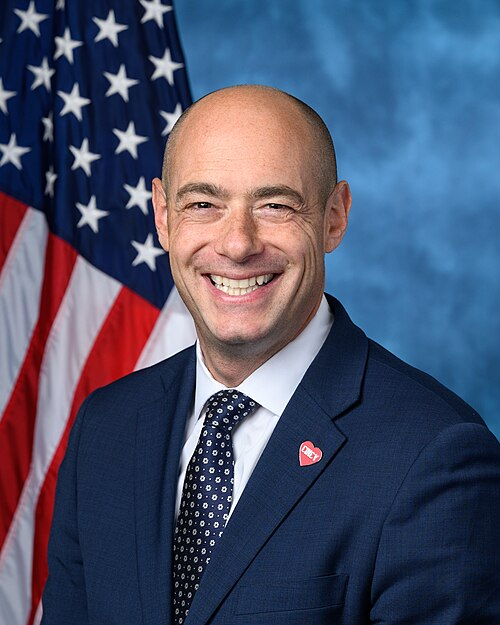
Co-Sponsor
-
TrackStephen F. Lynch
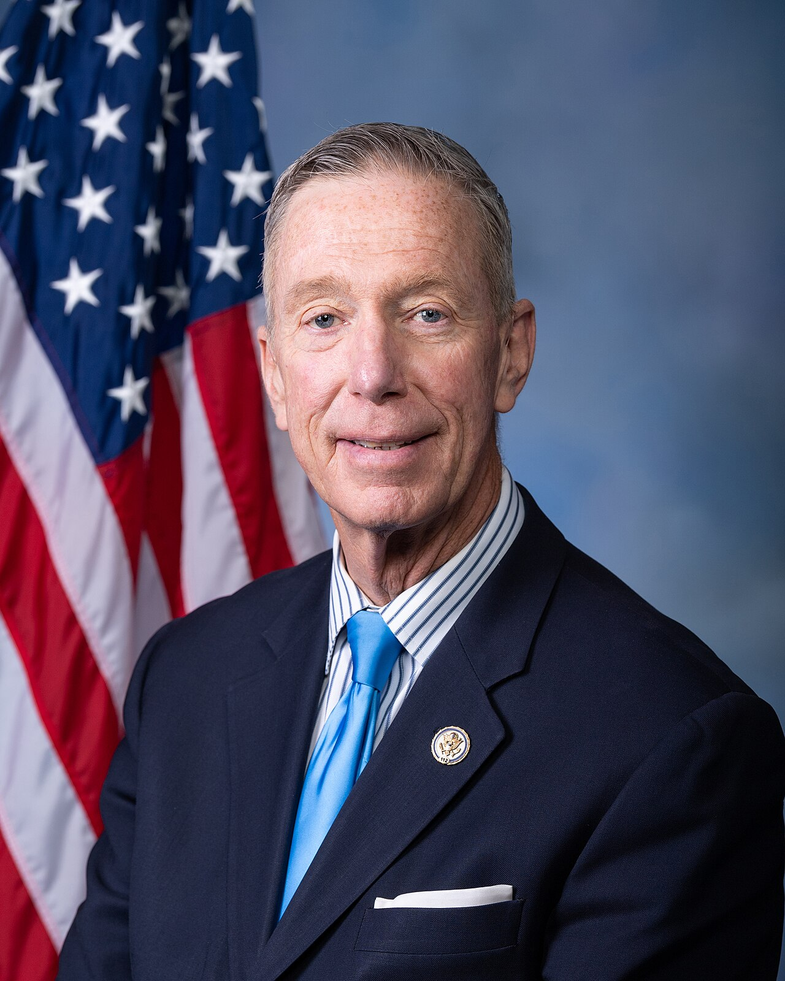
Co-Sponsor
-
TrackBetty McCollum
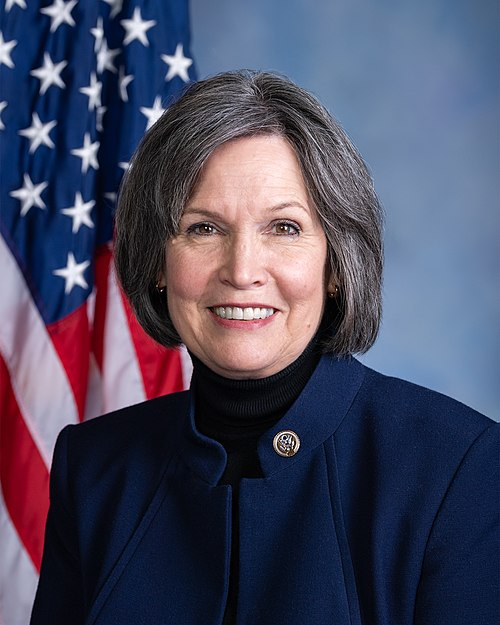
Co-Sponsor
-
TrackEleanor Holmes Norton

Co-Sponsor
-
TrackMark Pocan
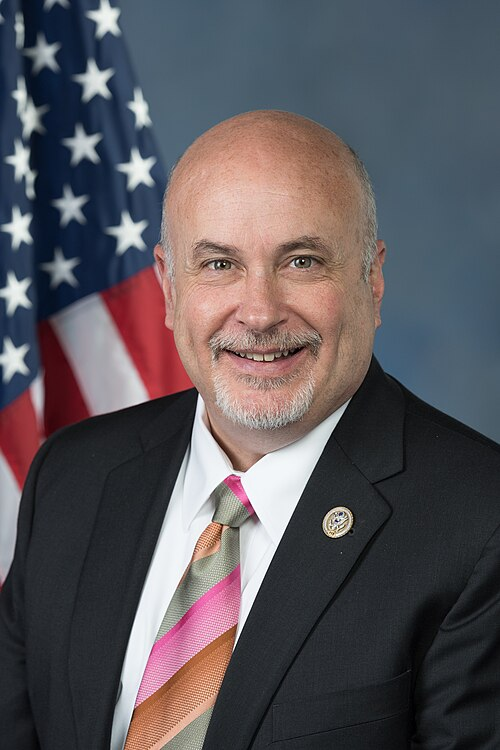
Co-Sponsor
Actions
2 actions
| Date | Action |
|---|---|
| Nov. 11, 2026 | Introduced in House |
| Nov. 11, 2026 | Referred to the House Committee on the Judiciary. |
Corporate Lobbying
0 companies lobbying
None found.
* Note that there can be significant delays in lobbying disclosures, and our data may be incomplete.
Potentially Relevant Congressional Stock Trades
No relevant congressional stock trades found.