
H.R. 10984: ‘Innovation for VA Technology and Entrepreneurship Act
This bill would create a new
Office of Innovation
inside the Veterans Health Administration (VHA) to help the VA develop and use new health care technologies and services more quickly. The office would report directly to the Under Secretary for Health and would be treated as a federal laboratory. Its main job would be to research, develop, fund, and help put into practice innovations that could improve care for veterans.What the new office could do
The office would be able to work with outside organizations, including private companies, nonprofits, universities, and other non-VA entities, to speed up development and deployment of new tools and services. It would also coordinate with VA-affiliated corporations that already support research and education. The bill says the office should try to work across departmental silos and use resources more efficiently.
New contracting and partnership tools
The bill gives the VA more flexible authority to enter into certain types of transactions that are not ordinary contracts, grants, or cooperative agreements. These transactions could be used with qualifying U.S.-based organizations that are not controlled by foreign adversaries. The VA could use this authority when the Under Secretary for Health determines it is needed, subject to limits and reporting requirements.
For most transactions, the bill caps the federal cost at $10 million, unless a higher amount is approved and justified in writing by the senior procurement executive. The bill also says, when practical, these opportunities should include small businesses, veteran-owned small businesses, and service-disabled veteran-owned small businesses. The VA is directed to prioritize uses that improve access to rural health care and mental health, behavioral health, and suicide prevention services.
Advance market commitments
The bill would let the VA make advance market commitments, meaning it could promise to buy a specific technology, service, or product later at a set price if it helps meet an unmet need for veterans. The idea is to give companies more certainty so they will invest in developing needed solutions. These agreements would have to include clear rules, a clear definition of what is being bought, dispute-resolution procedures, and a way to adjust terms if more information becomes available.
Innovation Flexibility Account
The bill would create an
Innovation Flexibility Account
that can receive money from a range of approved sources, including internal VA funds, universities, nonprofits, charitable groups, individuals, private companies, and veterans service organizations. The account could be used for innovation-related expenses such as information technology, acquisition support, advisory services, and legal services.However, the bill says the account cannot be funded with money intended for direct veteran care, and it cannot accept money from foreign governments, foreign corporations, foreign political parties, or foreign adversaries. Contributions would not be allowed to influence which projects are chosen. Money in the account would remain available for five years.
Oversight, reporting, and audits
The bill adds several oversight requirements. The office would have to track performance measures such as:
- how long it takes to make innovation-related contracts,
- cost savings achieved,
- how many innovations are piloted and deployed, and
- whether veterans see improvements in access, quality, and experience.
The bill requires regular reporting on special transactions and advance market commitments, including spending, outcomes, risks, and barriers. The Government Accountability Office would have audit access, and the Comptroller General would audit these transactions at least every two years. The VA would also need to maintain internal controls and review conflicts of interest, including financial disclosures and mitigation plans.
Changes to existing VA law
The bill would amend existing law governing VA research and education corporations so they can also support innovation activities. The Secretary of Veterans Affairs would be required to implement these changes within 120 days after enactment.
Relevant Companies
None found
This is an AI-generated summary of the bill text. There may be mistakes.
Sponsors
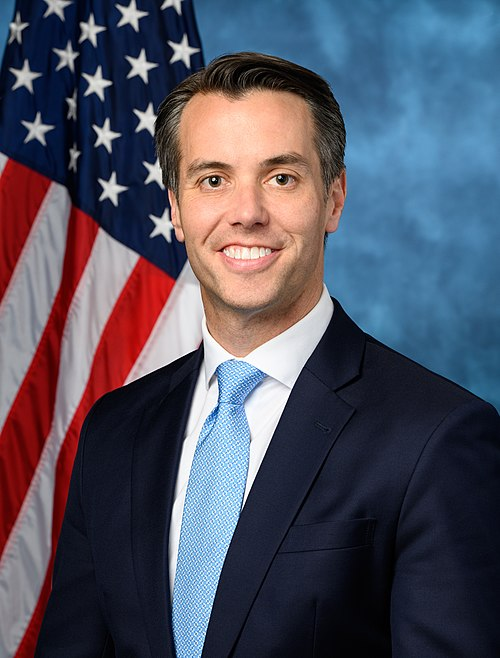
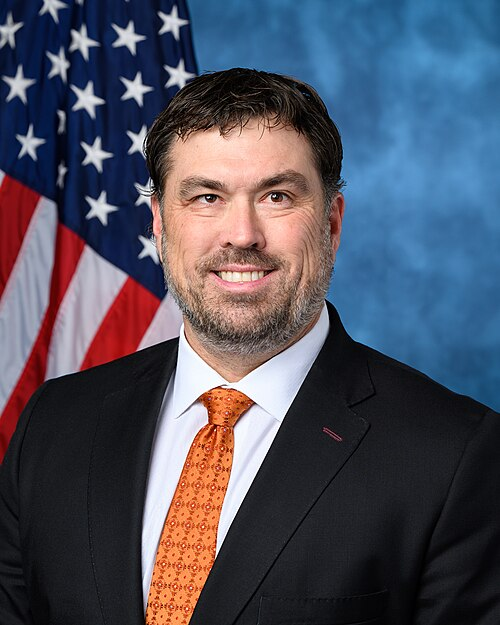
2 bill sponsors
Actions
2 actions
| Date | Action |
|---|---|
| Nov. 10, 2026 | Introduced in House |
| Nov. 10, 2026 | Referred to the House Committee on Veterans' Affairs. |
Corporate Lobbying
0 companies lobbying
None found.
* Note that there can be significant delays in lobbying disclosures, and our data may be incomplete.
Potentially Relevant Congressional Stock Trades
No relevant congressional stock trades found.