H.R. 10948: Hire Our Heroes Act
This bill would change federal rules that encourage hiring veterans on certain federal contracts, and it would expand those rules to include military spouses.
What the bill does
The bill amends an existing law that requires some federal contractors to take steps to recruit, hire, and advance veterans. Under the bill:
- The hiring-emphasis rules would apply to military spouses as well as covered veterans.
- The definition of “military spouse” would include:
- the spouse of a member of the Armed Forces; and
- some former spouses, if the marriage lasted at least two years and the service member served at least two years on active duty during the marriage.
- The law’s contractor coverage threshold would be raised. Instead of applying to contracts of $100,000 or more, it would generally apply only to contracts of $5 million or more.
- A “covered contractor” would be defined as either:
- a company with at least $1 billion in annual revenue; or
- a company that receives at least $25 million in federal prime contracts in a year.
Hiring and reporting requirements
Covered contractors would have to do more reporting about their efforts to hire and retain covered veterans and military spouses. They would need to provide information to the federal agency awarding the contract, including:
- how many covered veterans and military spouses they hired in the last 12 and 36 months;
- how many were still employed 12 and 24 months after being hired; and
- a written description of their efforts to recruit, hire, and advance these workers.
The written description would also have to discuss things like:
- philanthropic giving and volunteer activities;
- how much and what share of charitable giving goes to military and veteran organizations; and
- the role of top executives in overseeing these efforts.
The bill would also require this information to be prominently posted on the contractor’s public website.
Enforcement changes
The bill would make compliance with these reporting and disclosure rules a condition of receiving covered federal contracts. It would also bar certain federal grants:
- A covered contractor could not receive the covered contract or subcontract unless it follows the new reporting and website-disclosure rules.
- Higher education institutions and research entities could not receive federal grants over $10 million in a year unless they comply with the reporting and disclosure rules.
Bottom line
In plain terms, the bill would broaden existing veteran-hiring requirements to include military spouses, apply those rules to a narrower but larger-dollar set of federal contractors, and require more public reporting about hiring outcomes and related efforts.
Relevant Companies
- LDOS — Large federal contractor that could be subject to the expanded hiring, reporting, and disclosure rules if it meets the bill’s covered-contractor thresholds.
- BAH — Government services contractor that could face additional compliance obligations for qualifying federal contracts.
- LMT — Major defense contractor that could be directly affected if its contracts fall within the bill’s coverage thresholds.
- NOC — Large defense and aerospace contractor that could be affected by the new hiring and disclosure requirements for covered contracts.
- HII — Federal defense contractor that could face added reporting obligations under the bill for qualifying work.
- RTN — Historical ticker often associated with RTX; if treated as RTX, the company could be affected through its federal contracting business.
- SAIC — Government IT and services contractor that could be subject to the bill’s requirements on eligible contracts.
- CACI — Federal contractor that could need to expand hiring and disclosure practices for covered contracts.
This is an AI-generated summary of the bill text. There may be mistakes.
Sponsors
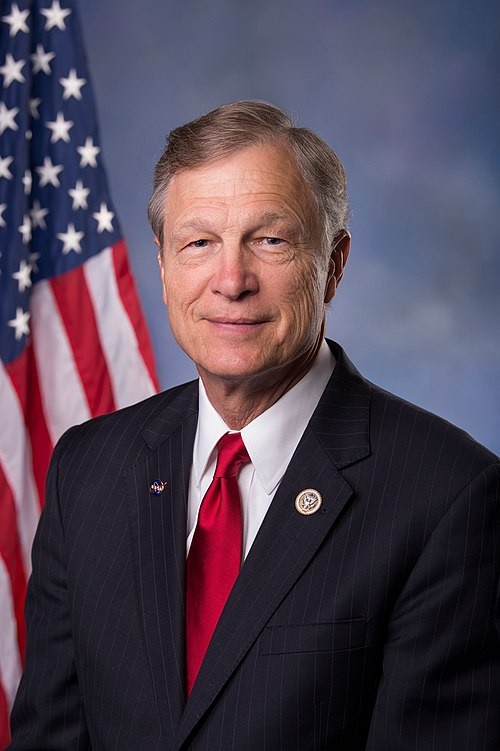
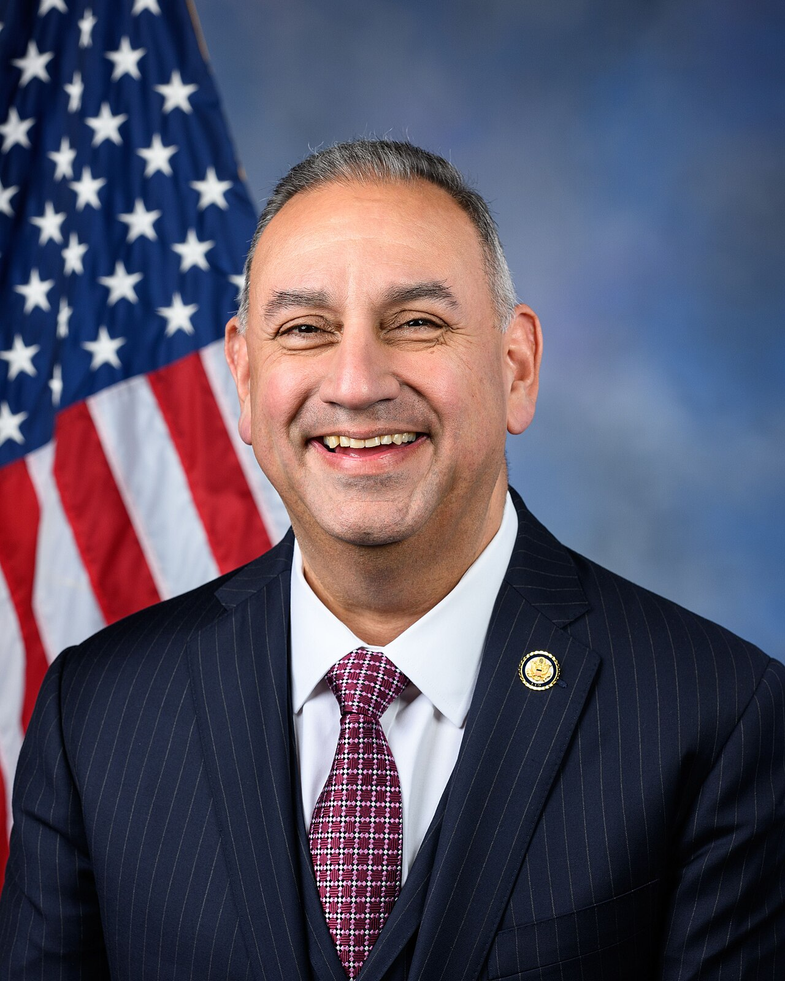
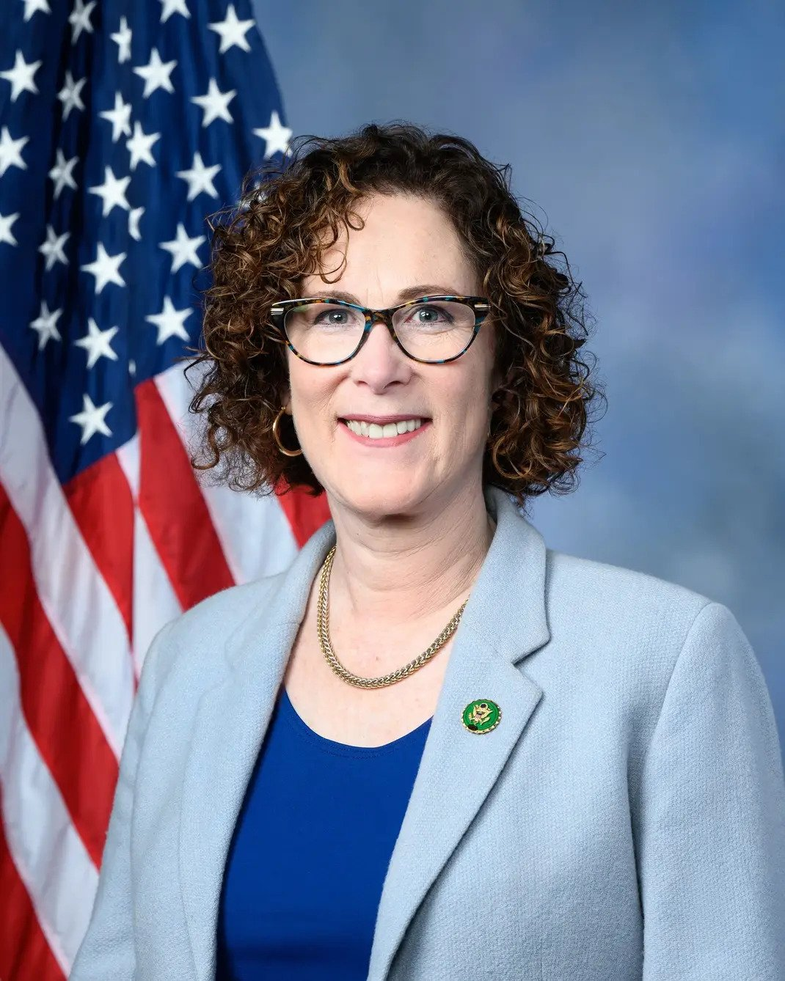
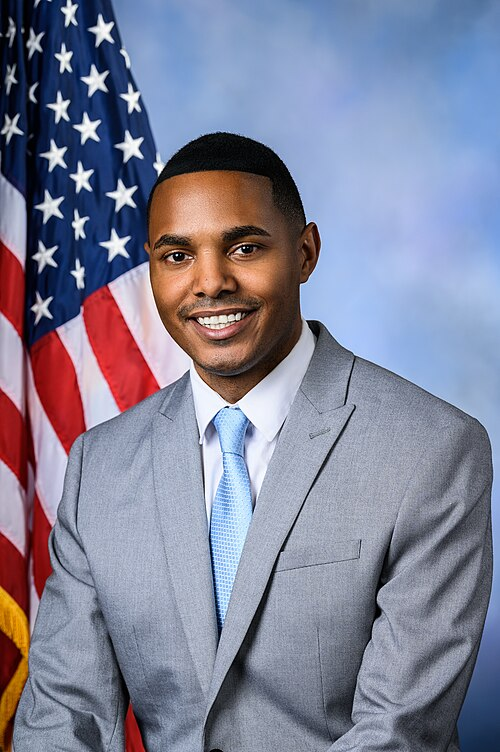
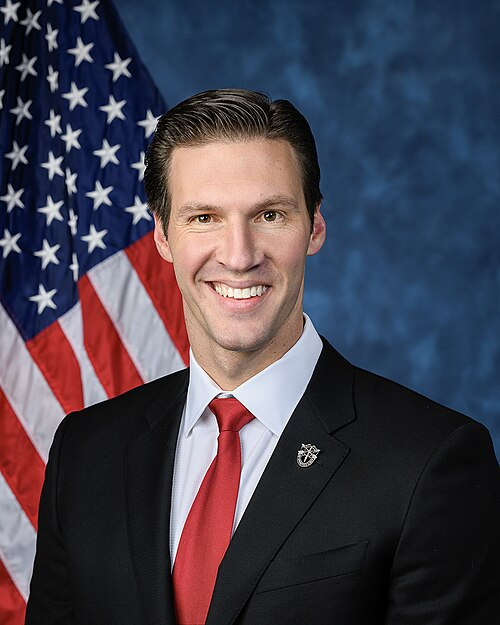
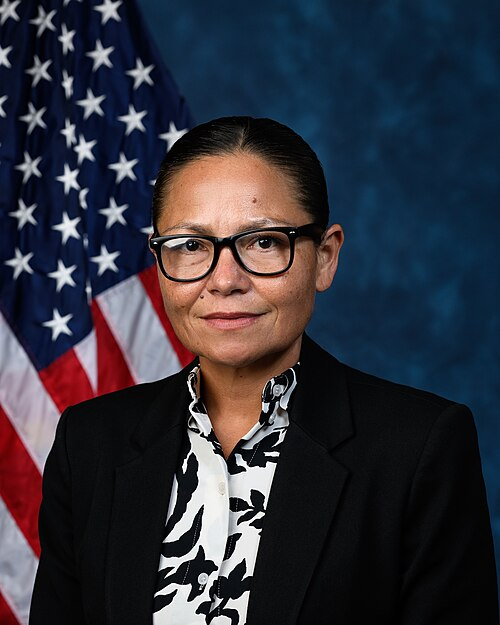
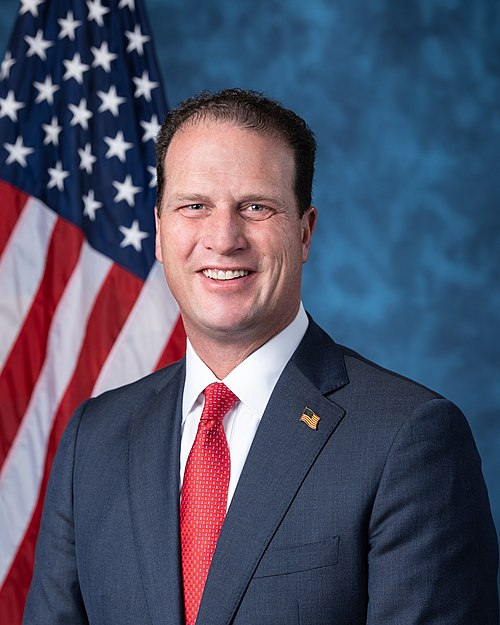
6 bill sponsors

Actions
2 actions
| Date | Action |
|---|---|
| Oct. 29, 2026 | Introduced in House |
| Oct. 29, 2026 | Referred to the House Committee on Veterans' Affairs. |
Corporate Lobbying
0 companies lobbying
None found.
* Note that there can be significant delays in lobbying disclosures, and our data may be incomplete.