
H.R. 10941: Antitrust Accountability and Transparency Act
This bill would change how federal antitrust cases are handled when the government asks a court to approve a settlement, called a consent judgment. In simple terms, it would make the court review process more detailed, more public, and harder to rush through.
What the bill changes
- Applies the rules to both the Justice Department and the FTC. The bill makes clear that the Federal Trade Commission is covered in the same way as the Department of Justice in certain antitrust matters.
- Requires faster public notice and comment periods. Several time periods in the current law would be shortened from 60 days to 45 days.
- Lets courts review more information. When the government proposes a settlement, the court would be told to look not just at the written proposal, but also at any commitments made by the parties that were not included in the proposal itself, and at whether the deal really addresses the antitrust concerns raised in the case.
- Gives courts clearer power to reject weak settlements. The bill says a court should approve a proposed consent judgment only if there is a reasonable belief, based on evidence and analysis, that the settlement does not allow conduct that creates a material antitrust risk and is reasonably tailored to the alleged violations.
- Makes the court’s role more independent. The bill says the court does not have to defer to the government’s predictions about whether the settlement will work.
- Expands public disclosure. The government would have to disclose more about settlement discussions, including settlement offers, divestitures, and other remedies, along with how those proposals were considered. Communications with current or former government officials would also be subject to broader disclosure rules.
- Allows more participation by states. State attorneys general would have clearer opportunities to request hearings, intervene in some cases, and substitute into a federal antitrust case during a voluntary dismissal process.
- Creates a special process for voluntary dismissals. If the federal government wants to drop an antitrust case, it would have to file notice with the court and publish it in the Federal Register 45 days in advance. The case would be stayed during that period, and state attorneys general could seek to take over the case under certain conditions.
- Changes how FTC administrative cases are handled. If the FTC reaches a proposed consent judgment in an administrative proceeding, that proceeding would be stayed while a federal district court considers whether to enter the settlement or reject it and send the matter back.
- Requires some asset separation during review. In certain merger-related cases, the parties would generally have to keep the assets involved in the transaction separate until 15 days after the government files its response to comments, unless the court extends that period.
Practical effect
The bill would likely make antitrust settlements take longer to complete and require more disclosure before they can become final. It would also give courts and state attorneys general more opportunity to review, challenge, or continue antitrust cases, especially where the federal government tries to settle or dismiss them.
Relevant Companies
- None found
This is an AI-generated summary of the bill text. There may be mistakes.
Sponsors
10 bill sponsors
-
TrackJamie Raskin
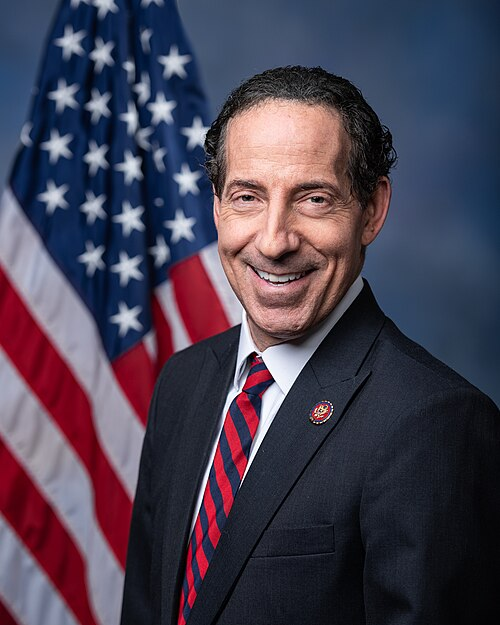
Sponsor
-
TrackBecca Balint

Co-Sponsor
-
TrackJesús G. "Chuy" García

Co-Sponsor
-
TrackDaniel S. Goldman

Co-Sponsor
-
TrackPramila Jayapal

Co-Sponsor
-
TrackHenry C. "Hank" Johnson, Jr.

Co-Sponsor
-
TrackSydney Kamlager-Dove

Co-Sponsor
-
TrackSummer L. Lee

Co-Sponsor
-
TrackJerrold Nadler
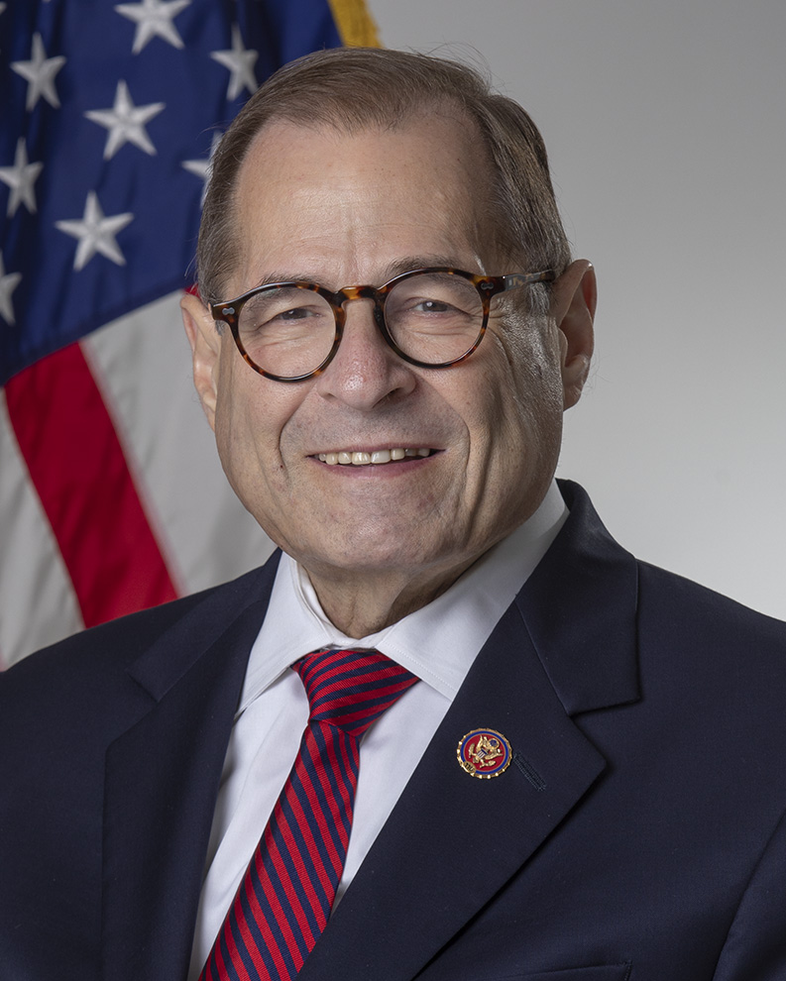
Co-Sponsor
-
TrackDeborah K. Ross

Co-Sponsor
Actions
2 actions
| Date | Action |
|---|---|
| Oct. 29, 2026 | Introduced in House |
| Oct. 29, 2026 | Referred to the House Committee on the Judiciary. |
Corporate Lobbying
0 companies lobbying
None found.
* Note that there can be significant delays in lobbying disclosures, and our data may be incomplete.
Potentially Relevant Congressional Stock Trades
No relevant congressional stock trades found.