
H.R. 10940: Reliable Emergency Alert Delivery Integrity Act of 2026
This bill would direct the Federal Communications Commission (FCC) to set new national rules for wireless emergency alerts, which are the emergency messages sent to mobile phones by participating wireless carriers.
What the FCC would have to do
Within 18 months of enactment, the FCC would have to issue regulations that establish:
Performance metrics for wireless emergency alerts, including how fast they are delivered, how reliable they are, and how often alerts go to people outside the intended area.
Specific goals for alert delivery performance.
Minimum requirements that participating wireless providers must meet. These minimums could not be weaker than the performance shown in the most recent FCC-tested wireless emergency alert test before the rules are written.
Areas the FCC would need to evaluate
The rules would also require the FCC to assess capabilities that could improve alerts, including:
Better location targeting so alerts reach the right area more precisely.
Longer alert messages.
Multilingual alerts.
Whether devices are compatible with these features.
Reporting and public updates
Wireless providers that participate in the alert system would have to collect and report data to the FCC at least once a year, in whatever format the FCC requires, so the agency can check whether providers are meeting the goals and minimum standards.
The FCC would then have to post yearly information on its website showing whether providers are meeting those standards. Every 5 years, the FCC would have to review the rules, update them if needed, publish the results online, and send the review to the House and Senate committees with jurisdiction over communications.
Study and pilot program on machine translation
Within 180 days, the FCC would have to study whether advanced translation technology could accurately and quickly translate wireless emergency alerts, both when the alert is sent and when it appears on the phone. The study would consider whether the translations are as good as or better than current methods, using professional translators and public comprehension surveys.
If the study has positive results for one or more translation technologies, the FCC would then have to run a pilot program within 1 year after publishing the study report. That pilot would test the technology and the FCC would have to publish the results.
Warnings before opting out of certain alerts
Starting 1 year after enactment, if a wireless provider lets a subscriber block a class of emergency alerts, the provider would have to show a warning first. The warning would need to:
Explain in plain language what kinds of emergencies the alert class covers.
Include a link to a federal website with more information.
Say clearly that the person will no longer receive that class of alerts if they turn it off.
Require the subscriber to affirmatively confirm the choice.
Enforcement
The FCC would enforce these requirements under the Communications Act, and violations would be treated as violations of that law.
Relevant Companies
None found
This is an AI-generated summary of the bill text. There may be mistakes.
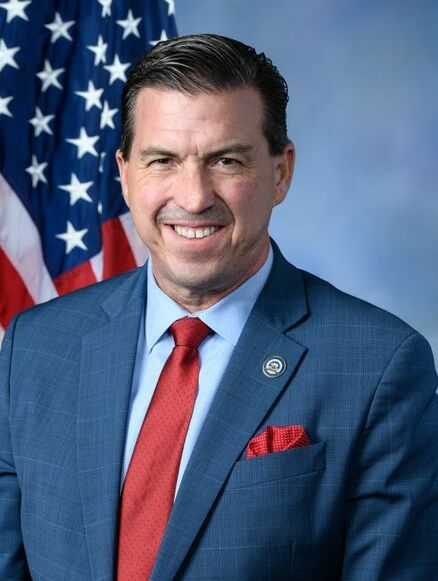
Sponsors
1 sponsor
Actions
2 actions
| Date | Action |
|---|---|
| Oct. 29, 2026 | Introduced in House |
| Oct. 29, 2026 | Referred to the House Committee on Energy and Commerce. |
Corporate Lobbying
0 companies lobbying
None found.
* Note that there can be significant delays in lobbying disclosures, and our data may be incomplete.
Potentially Relevant Congressional Stock Trades
No relevant congressional stock trades found.