H.R. 10897: Sami’s Law
This bill, called Sami’s Law, would set federal rules for ride-hailing companies, also called transportation network companies or TNCs such as Uber and Lyft.
Passenger and Driver Verification
The bill would require the Department of Transportation to issue rules so ride-hailing apps must give passengers a digital way to confirm, before a ride starts, that the driver who arrived is actually the driver matched through the app and authorized to take the trip.
- The system would have to send the passenger identifying information about the driver or vehicle.
- It would need a way for the passenger, driver, and platform to confirm the match before the trip begins.
- The app could not let the driver start the trip until both the passenger and driver complete the verification step.
- The verification method would need to be usable by people with disabilities.
The bill would also allow a company to offer passengers an opt-out choice for this verification system, as long as the option is clear and easy to use.
There are exceptions for trips where the passenger opts out, trips arranged by third parties like governments or nonprofits, and situations where verification is not practical because of problems like a broken phone or weak cell service.
The Transportation Secretary could inspect company records to check compliance and could fine companies up to $5,000 per day for violations, or up to $20,000 per day for knowing and willful violations.
Driver Screening Requirements
The bill would require ride-hailing companies to only work with drivers who are:
- U.S. citizens or nationals,
- lawful permanent residents, or
- noncitizens with federal employment authorization.
To check this, companies would have to use the federal employment verification system.
The bill would also require companies to run a local and national criminal background check on each driver before activating the account, and then again every year.
- The check would have to include the federal sex offender registry.
- It would also have to use a nationwide criminal records database.
- After the driver consents to the first check, no additional consent would be needed for ongoing monitoring of criminal history or immigration status.
The bill says states could still impose additional screening rules, use fingerprint-based checks, or require checks more often.
Restrictions on Ride-Hailing Signage Sales
The bill would make it illegal for most people to sell or offer for sale signs meant to help passengers identify a ride-hailing vehicle if the sign uses a company’s logo or trademark, or if it falsely looks like official company signage.
This would not apply to people authorized by the ride-hailing company to sell that signage.
Violations would be enforced by the Federal Trade Commission as unfair or deceptive practices under FTC law.
Relevant Companies
- UBER — Would likely need to change its app features, verification process, driver screening procedures, and enforcement practices to comply with the bill.
- LYFT — Would likely face similar compliance requirements for passenger-driver verification, background checks, and signage restrictions.
This is an AI-generated summary of the bill text. There may be mistakes.
Sponsors
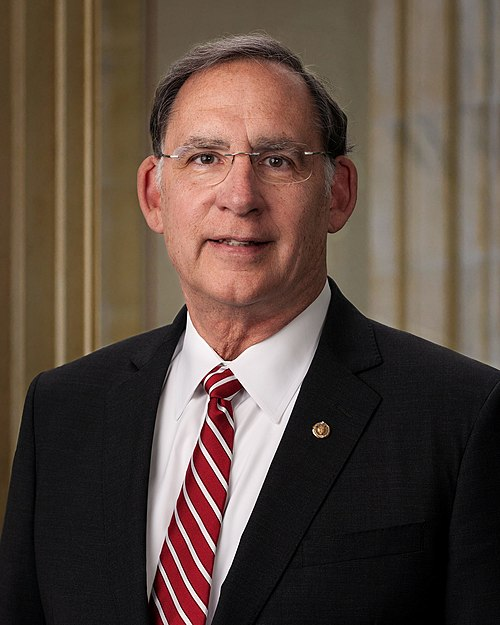
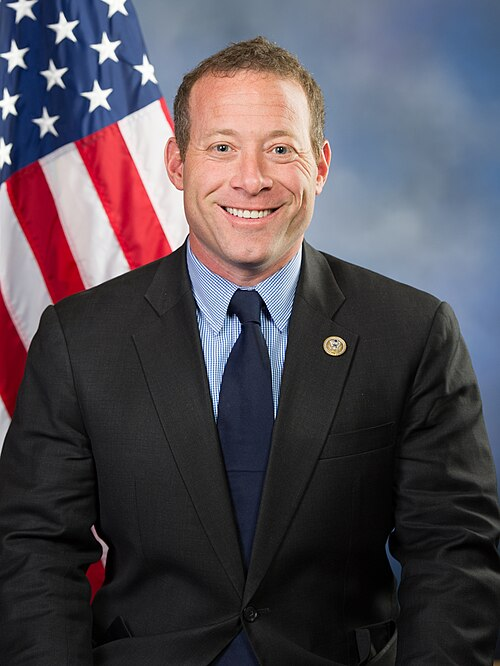
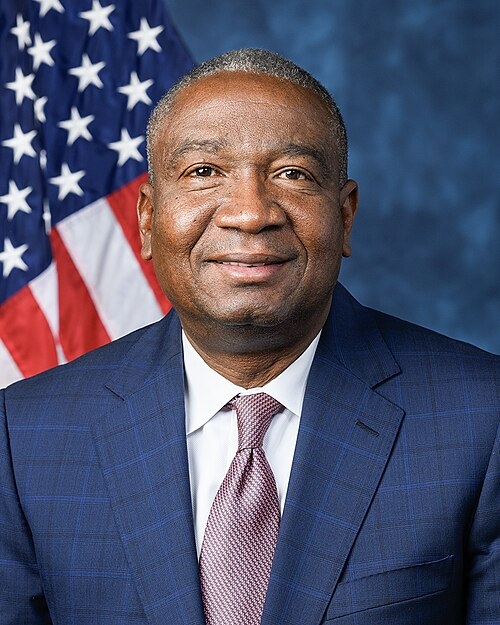
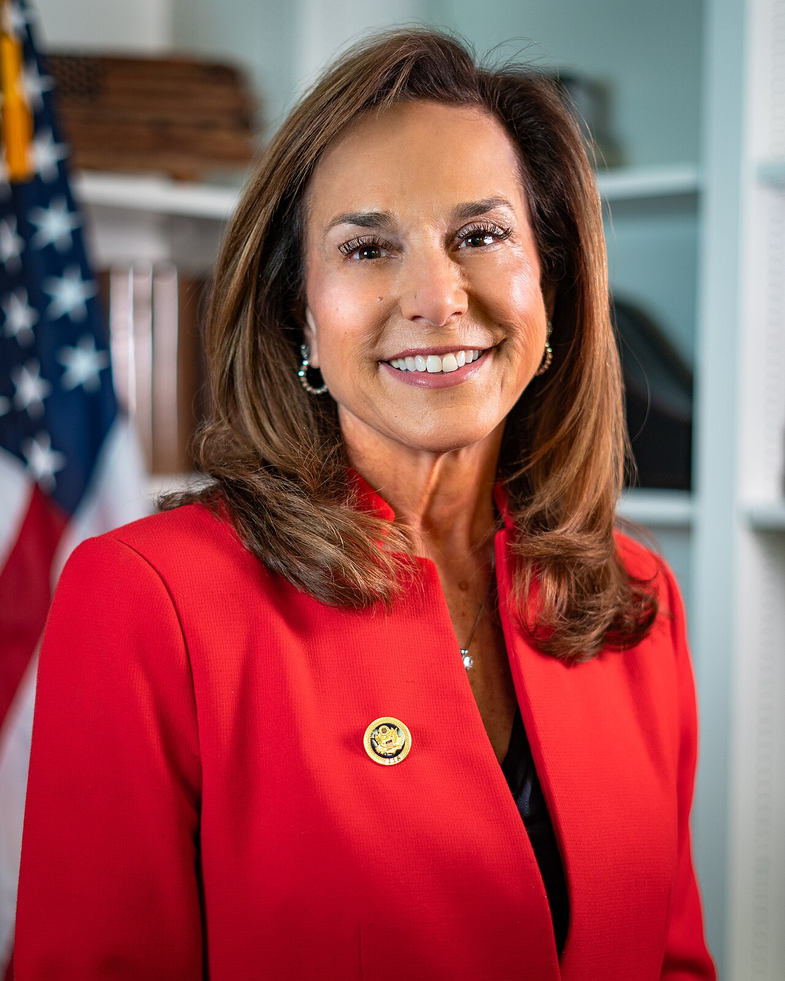
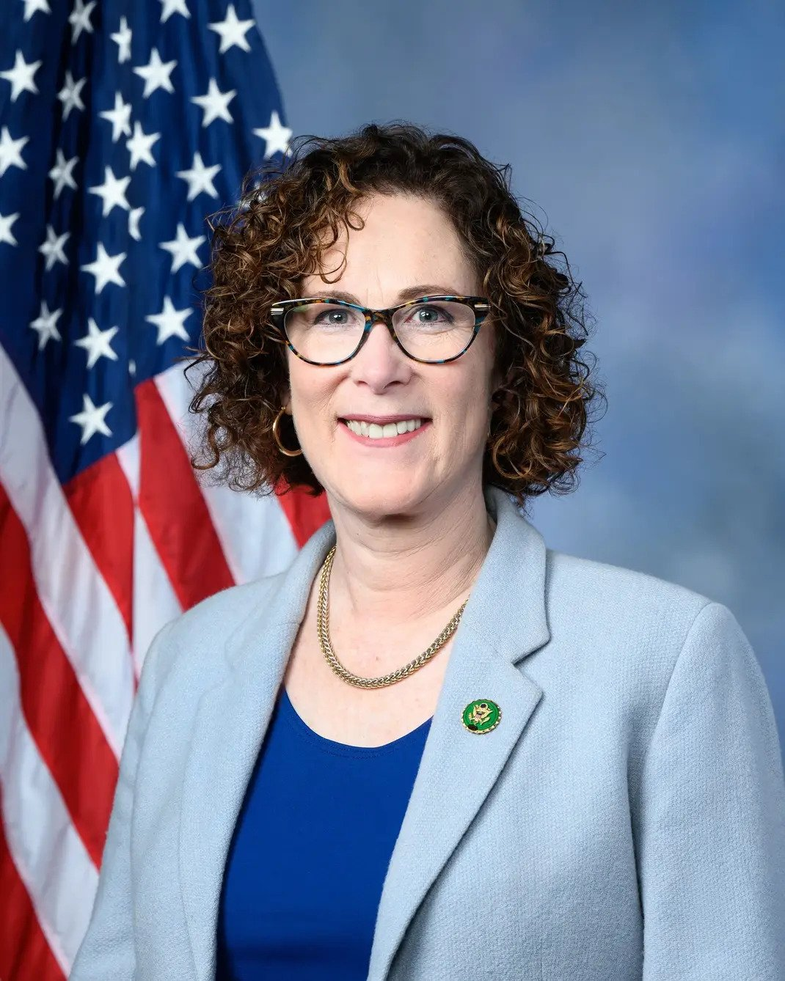
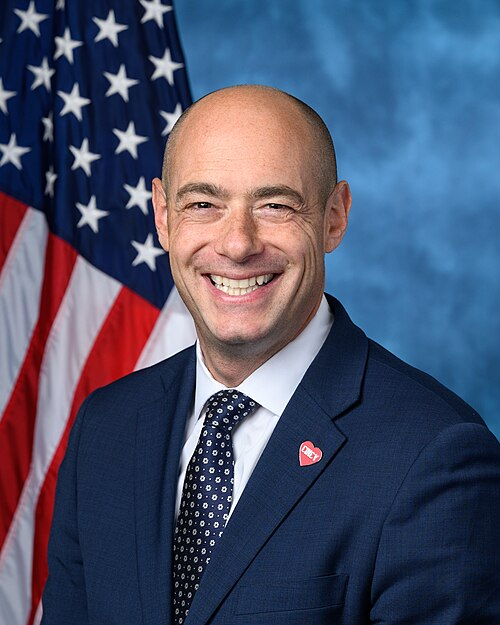
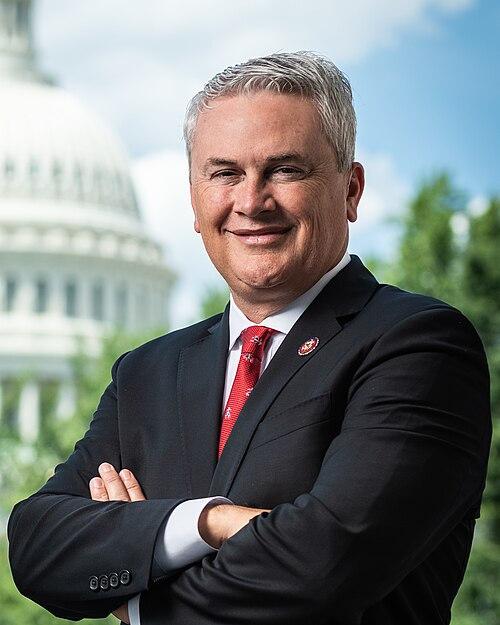
2 bill sponsors

Actions
2 actions
| Date | Action |
|---|---|
| Oct. 22, 2026 | Introduced in House |
| Oct. 22, 2026 | Referred to the Committee on Transportation and Infrastructure, and in addition to the Committees on Energy and Commerce, and the Budget, for a period to be subsequently determined by the Speaker, in each case for consideration of such provisions as fall within the jurisdiction of the committee concerned. |
Corporate Lobbying
0 companies lobbying
None found.
* Note that there can be significant delays in lobbying disclosures, and our data may be incomplete.