
H.R. 10858: Coordinating Access, Research, and Education for Blood Cancer Act of 2026
This bill would create a federal program called the National Blood Cancer Program within the Department of Health and Human Services to improve awareness, research, education, and access related to blood cancers.
What the program would do
The Secretary of Health and Human Services would be required to run the program with four main goals:
- Provide public information and education about how to detect and manage blood cancers.
- Improve the training and skills of health professionals, including allied health workers, in recognizing and treating blood cancers.
- Support people diagnosed with blood cancer and their caregivers, including access to treatment and clinical trials.
- Monitor and evaluate how well the program is working.
Federal coordination
The bill directs HHS to coordinate the program across federal agencies, including the Centers for Disease Control and Prevention, the National Institutes of Health, and the Health Resources and Services Administration. The goal is to align federal efforts rather than run separate, disconnected activities.
Grants for awareness and education
The bill would require HHS to award grants to state, local, territorial, and Tribal health agencies and organizations, as well as certain other eligible entities, to improve public awareness and education about blood cancer. These grants could support research and outreach on:
- How blood cancer affects people and families.
- Behavioral and survivorship issues.
- Risk factors, including social, environmental, and occupational factors.
- Public messaging on warning signs and diagnostic tests.
- Ways to reduce gaps in incidence, diagnosis delays, treatment access, illness, and death.
- Surveys of public and provider knowledge and attitudes.
When awarding these grants, HHS would give priority to communities or geographic areas with higher blood cancer risk, higher death rates, or higher incidence rates.
Grants for diagnosis and treatment access
The bill would also require HHS to award grants to colleges, universities, and academic medical centers for research aimed at improving access to blood cancer diagnostics and treatments. This could include work on:
- New screening methods for early detection.
- New treatment approaches.
- Why some treatments work better for some people than others.
- Risk factors linked to higher blood cancer rates or deaths in certain groups.
- Using family history and genetic information to identify high-risk people and guide counseling and checkups.
Reporting requirements
HHS would have to report to Congress within one year after the bill becomes law, and then every year after that. Each report would include:
- What grants were awarded and how much money each one received.
- An estimate of how many people could be eligible for the program’s services.
- How many people were actually served, broken down by demographic information and by rural, suburban, or urban residence.
- An assessment of trends in who is being served and what barriers may be limiting access.
Relevant Companies
None found
This is an AI-generated summary of the bill text. There may be mistakes.
Sponsors
12 bill sponsors
-
TrackNanette Diaz Barragán
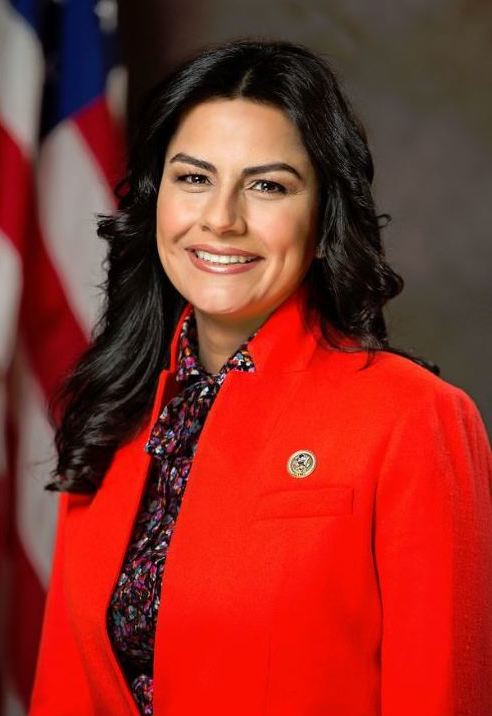
Sponsor
-
TrackJim Costa
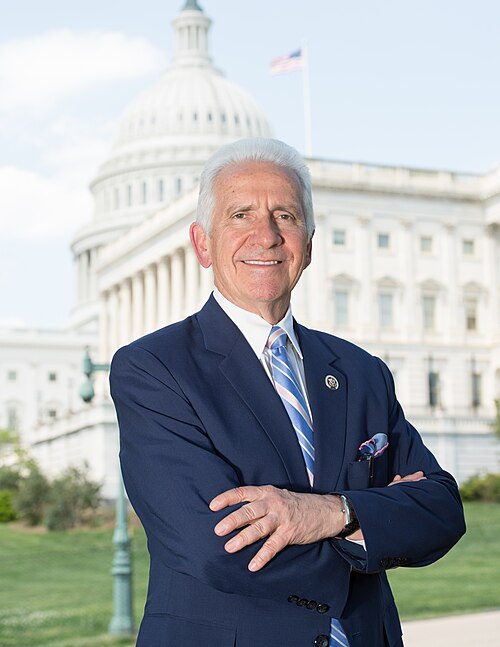
Co-Sponsor
-
TrackBrian K. Fitzpatrick
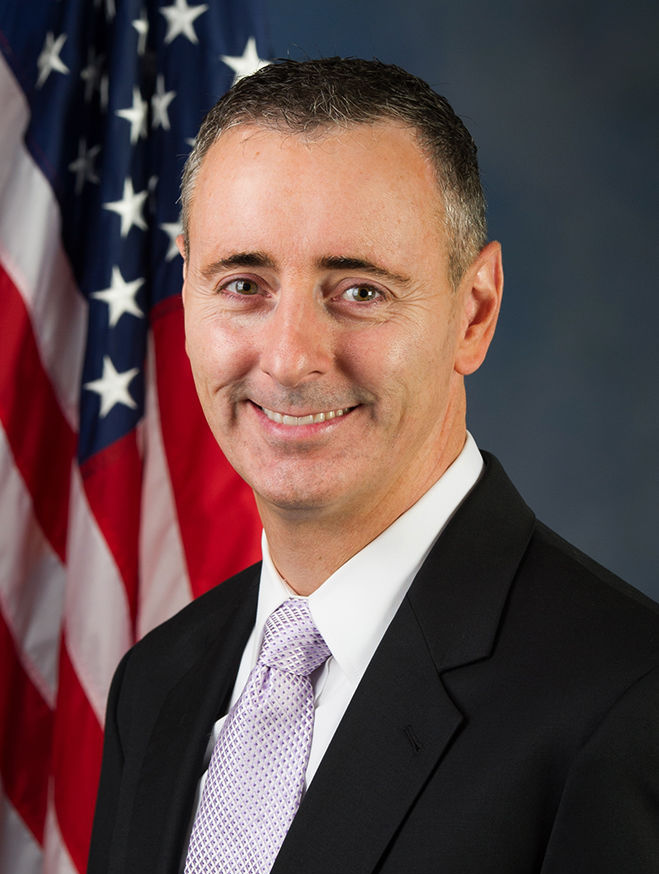
Co-Sponsor
-
TrackJohn Garamendi

Co-Sponsor
-
TrackJonathan L. Jackson

Co-Sponsor
-
TrackHenry C. "Hank" Johnson, Jr.

Co-Sponsor
-
TrackDoris O. Matsui

Co-Sponsor
-
TrackLaMonica McIver
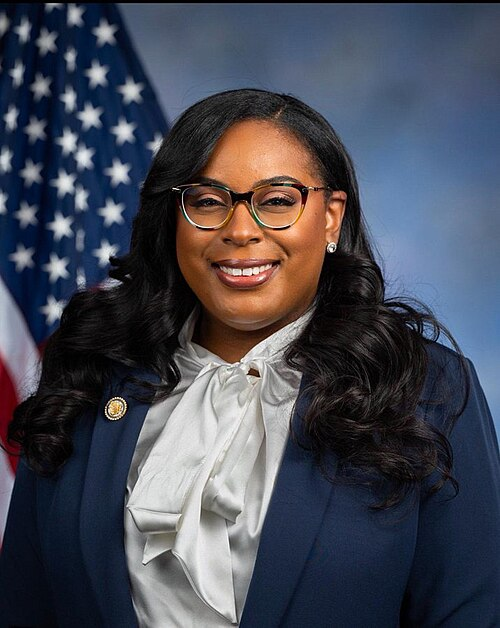
Co-Sponsor
-
TrackEleanor Holmes Norton

Co-Sponsor
-
TrackPete Sessions

Co-Sponsor
-
TrackLateefah Simon
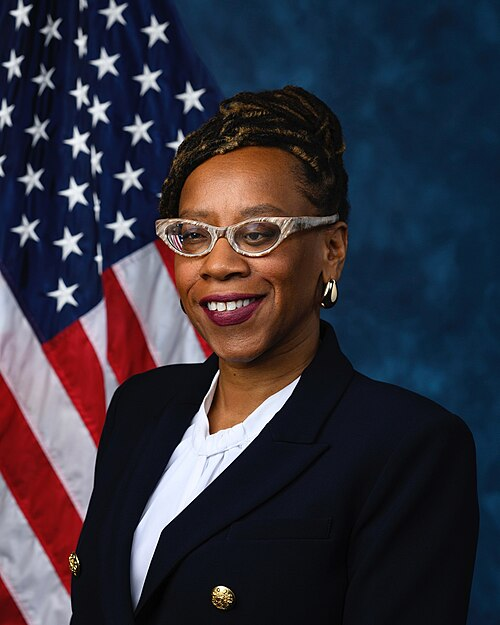
Co-Sponsor
-
TrackRashida Tlaib
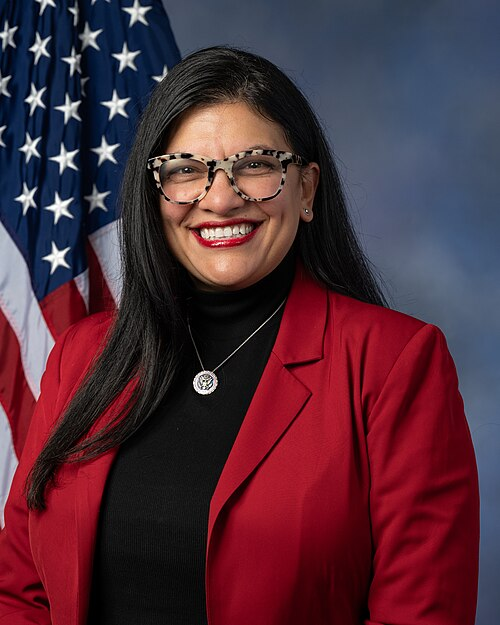
Co-Sponsor
Actions
2 actions
| Date | Action |
|---|---|
| Oct. 22, 2026 | Introduced in House |
| Oct. 22, 2026 | Referred to the House Committee on Energy and Commerce. |
Corporate Lobbying
0 companies lobbying
None found.
* Note that there can be significant delays in lobbying disclosures, and our data may be incomplete.
Potentially Relevant Congressional Stock Trades
No relevant congressional stock trades found.