H.R. 10855: Quantifying Uncertainty and Action to Help Optimize Growth of Shellfish Act of 2026
This bill would create a federal East Coast Bivalve Research Task Force to study shellfish such as clams, oysters, mussels, and scallops, with a particular focus on quahogs, or hard clams.
What the task force would do
Within 90 days of enactment, the Secretary of Commerce would have to convene a task force made up of federal officials, state fish and wildlife representatives, tribal representatives, industry representatives, and academic experts. The task force would be chaired by NOAA’s representative.
The task force’s main job would be to:
- Review existing research on East Coast bivalves.
- Identify why some bivalve harvests, especially hard clams, have become more variable or have declined in some areas.
- Figure out what additional research is needed for both wild harvests and aquaculture (shellfish farming).
- Look at the economic effects of bivalve wild populations, fisheries, and aquaculture.
- Support coordination on bivalve conservation and sustainable use.
Topics the review would cover
The bill directs the task force to examine a wide range of issues affecting shellfish populations and production, including:
- Water quality and habitat needs
- Erosion and sedimentation
- Climate change impacts such as warming waters, ocean acidification, and sea level rise
- Restoration methods and whether bivalves can be restored alongside other habitats like seagrass meadows
- Possible strategies such as assisted migration
- Breeding and culture techniques, including possible genomic modifications
- Life-cycle factors like larval dispersal, recruitment, mortality, and growth
- Current and future range shifts
- Disease prevalence and ways to reduce disease impacts
- Management strategies for sustainable aquaculture
- Economic value and barriers to entry for small-scale operations
Work groups and reports
The task force would have to create two work groups within 30 days:
- One focused on quahog populations in Rhode Island and across the East Coast.
- One focused on the current and future impacts of climate change on East Coast bivalves.
The task force could also create additional work groups if needed. Each work group would have to include at least five people and be balanced among stakeholders and experts. Each work group would report its findings back to the task force within two years.
The task force itself would have to provide:
- An interim progress report within 1 year
- A final report within 2 years
These reports would go to Congress and relevant federal agencies and would also be made public. The final report would include findings from the work groups and recommendations for future scientific research.
Costs and administration
Task force members would not be paid, but they could receive travel expenses. The Department of Commerce would provide administrative support. The bill authorizes whatever amount of funding is needed to carry out the section, but it does not set a specific dollar amount.
Relevant Companies
None found
This is an AI-generated summary of the bill text. There may be mistakes.
Sponsors
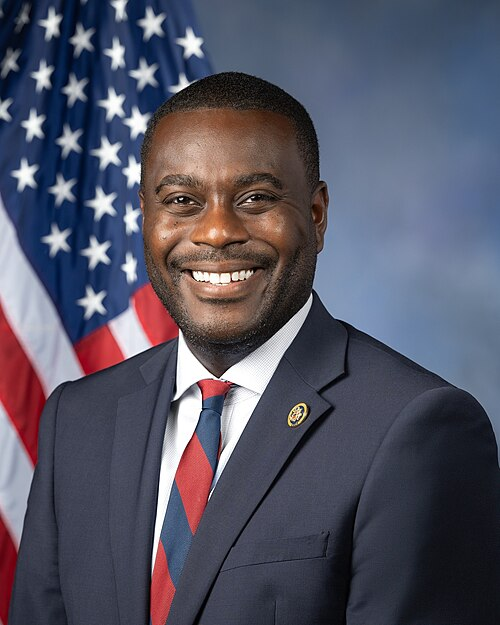
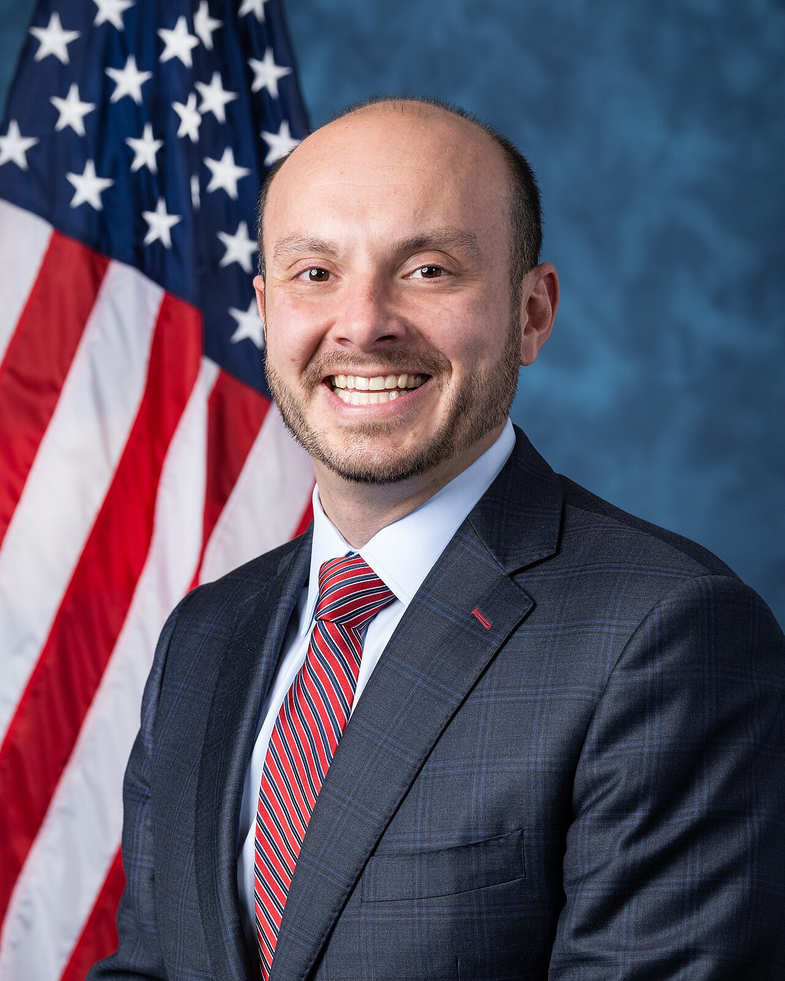
2 bill sponsors
Actions
2 actions
| Date | Action |
|---|---|
| Oct. 22, 2026 | Introduced in House |
| Oct. 22, 2026 | Referred to the House Committee on Natural Resources. |
Corporate Lobbying
0 companies lobbying
None found.
* Note that there can be significant delays in lobbying disclosures, and our data may be incomplete.
Potentially Relevant Congressional Stock Trades
No relevant congressional stock trades found.