
H.R. 10843: Visual Artists Copyright Reform Act of 2026
This bill would change U.S. copyright registration rules for visual art and related works, mainly by making it easier and cheaper for artists to register their creations.
What the bill changes
- Removes the “best edition” deposit requirement for visual art. For pictorial, graphic, and sculptural works, artists would no longer have to submit the traditional physical deposit copy required for some copyright registrations.
- Allows electronic deposits instead. For these kinds of works, registration could be done by submitting one complete electronic copy.
- Creates certified third-party photo registries. The Copyright Office would have to write rules for certifying outside registries that store photographs and related information. These registries would need to keep records such as the author’s name, copyright owner, contact information, creation date, upload date, and title. They would also need to provide a searchable database, allow transfer of records to another registry if requested, and connect electronically with the Copyright Office at no charge.
- Lets a photo deposited in an approved registry count as the required deposit. If a photograph is placed in a certified third-party registry, that would satisfy the copyright deposit requirement.
- Allows group registration of photos. The Copyright Office would have to create rules for one registration covering a group of photographs by the same author, using one application and one fee, if the group meets certain conditions. The group could include up to 3,000 works, and the rules could allow even larger groups over time as technology improves.
- Makes group registration more flexible. The rules would allow registration without regard to whether the works are published or unpublished, or to their date of publication or creation.
- Creates a “deferred registration” option. Artists could submit an application and fee electronically, along with the required deposit, and get an effective registration date when those materials are submitted. Later, the owner could request full examination for registration by paying a fee.
- Supports customs enforcement. Deferred registration would count as an application for purposes of certain customs enforcement rules involving copyright protection.
- Requires a modern public-facing registration interface. The Copyright Office would have to maintain an online system that works with software commonly used by professional creators, so required information can be automatically transferred into registration forms.
- Updates how deposits are kept. The Copyright Office would be allowed to retain electronic deposits of works.
- Changes fees. The bill would require:
- a fee for deferred registration of no more than half the standard registration fee,
- reduced fees for individual authors and small businesses, and
- yearly or periodic subscription options for registering pictorial, graphic, and sculptural works.
- Waives some fees for subscribers. If an applicant has paid for a yearly or periodic subscription, the Copyright Office could not charge additional filing fees for certain applications submitted during the subscription period, including copyright claims, supplementary registrations, and deferred registrations.
Practical effect
In plain terms, the bill would make copyright registration for visual artists more digital, more flexible, and potentially less expensive. It would give artists new ways to register single works or large batches of photos, while also allowing third-party registries to play a formal role in the process.
Relevant Companies
- None found
This is an AI-generated summary of the bill text. There may be mistakes.
Sponsors
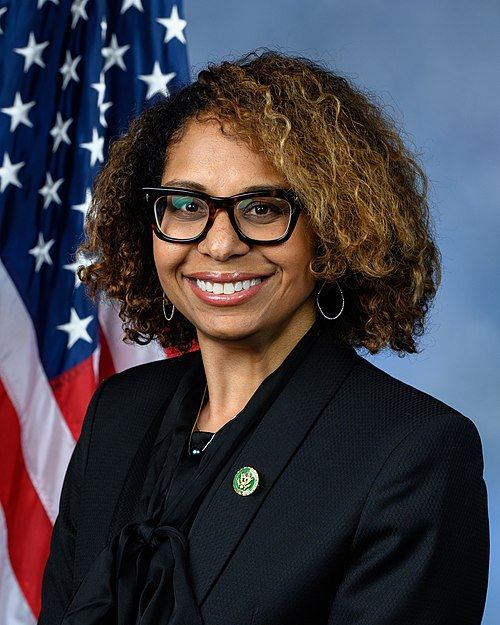
2 bill sponsors

Actions
2 actions
| Date | Action |
|---|---|
| Oct. 19, 2026 | Introduced in House |
| Oct. 19, 2026 | Referred to the House Committee on the Judiciary. |
Corporate Lobbying
0 companies lobbying
None found.
* Note that there can be significant delays in lobbying disclosures, and our data may be incomplete.
Potentially Relevant Congressional Stock Trades
No relevant congressional stock trades found.