
H.R. 10820: Epstein Wall Street Records Act of 2026
This bill would require major U.S. financial regulators to look for, collect, and release records related to Jeffrey Epstein and related individuals at financial institutions they supervised.
What records would be covered
The bill defines a covered institution as any current or former financial institution with known or alleged ties to Jeffrey Epstein, any entity he owned or controlled, Ghislaine Maxwell, or one of their associates.
The bill defines covered records broadly. These include supervisory and oversight records held by financial regulators, such as:
- exam reports
- examiner notes
- communications between regulators and the institution
- investigatory filings
- internal regulatory communications
- matters requiring attention or immediate attention
- other records created or obtained while supervising the institution
What agencies would have to do
The bill applies to the Federal Reserve, the Office of the Comptroller of the Currency, the FDIC, and the SEC.
Within 90 days of enactment, each agency would have to send physical copies of all covered records it has to the relevant committees in Congress.
Within 120 days, each agency would have to make those records public in a searchable and downloadable format. The agencies would have to withhold or redact personal information about victims, including victim medical or personal files, and provide a written explanation for each redaction or withholding.
Investigations the bill would require
The bill would require each agency to immediately begin investigations into covered institutions and relevant senior executives. These investigations would look at whether the institution or executives:
- violated banking, securities, or anti-money laundering laws
- did business with Jeffrey Epstein, Ghislaine Maxwell, or their associates
- failed to properly supervise employees who helped evade compliance or regulatory scrutiny
- had enough controls to detect illicit activity
- had communications with Epstein, Maxwell, or associates
- destroyed any related documents, and if so, when, why, and by whom
Possible penalties
If the agencies find that a senior executive at an insured bank or similar institution violated or helped violate banking or anti-money laundering laws in connection with Epstein-related accounts or transactions, the Federal Reserve, FDIC, or OCC would have to consider penalties. These could include:
- barring the executive from participating in the affairs of insured depository institutions
- civil monetary penalties
If the SEC finds similar misconduct involving a broker-dealer, investment adviser, or certain other regulated securities firms, it could seek or impose:
- bans on the person’s association with regulated securities firms
- civil penalties
Criminal referrals and reporting
If, during an investigation, an agency reasonably believes a federal crime may have occurred, it would have to refer the matter to the Attorney General.
Within 180 days, the heads of the Federal Reserve supervision function, the OCC, the FDIC, and the SEC would have to send Congress a report describing the results of the investigations and any criminal referrals made.
Relevant Companies
None found
This is an AI-generated summary of the bill text. There may be mistakes.
Sponsors
21 bill sponsors
-
TrackRobert Garcia
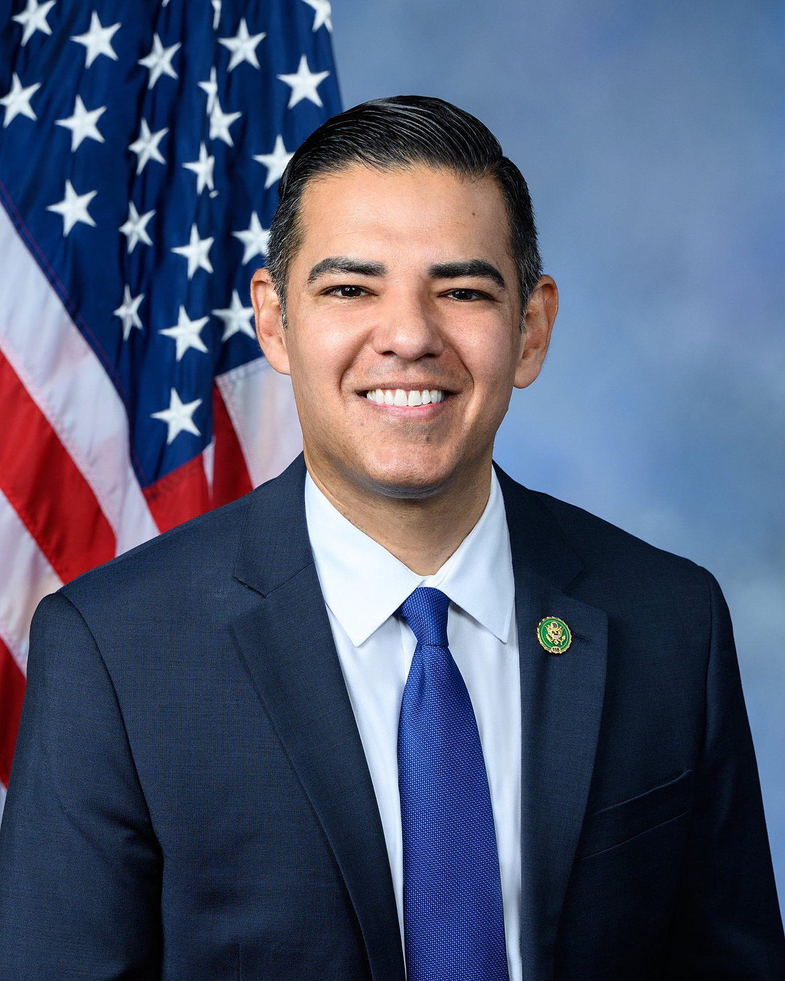
Sponsor
-
TrackYassamin Ansari
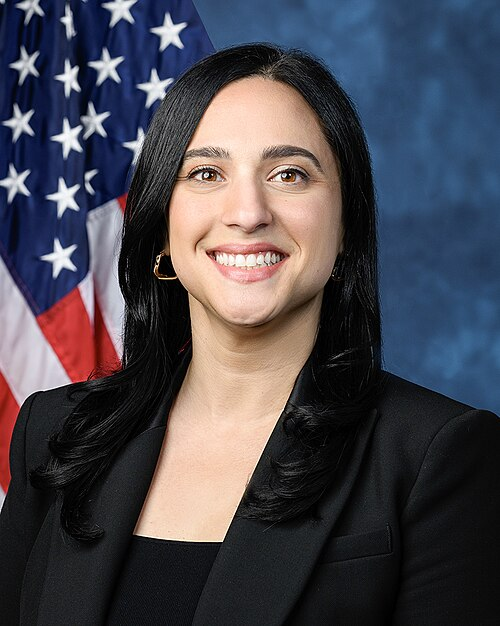
Co-Sponsor
-
TrackWesley Bell
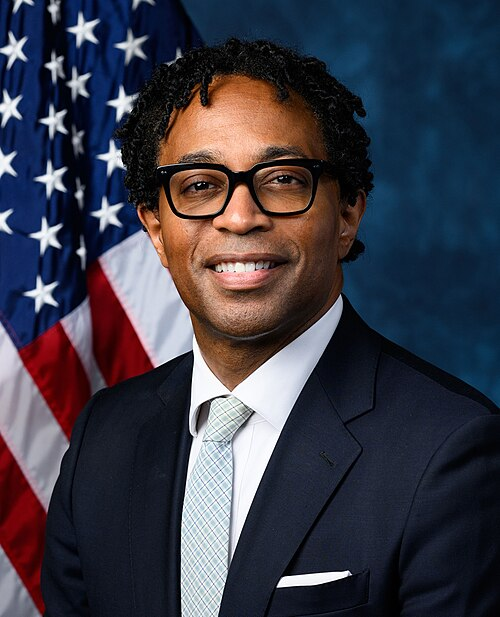
Co-Sponsor
-
TrackShontel M. Brown
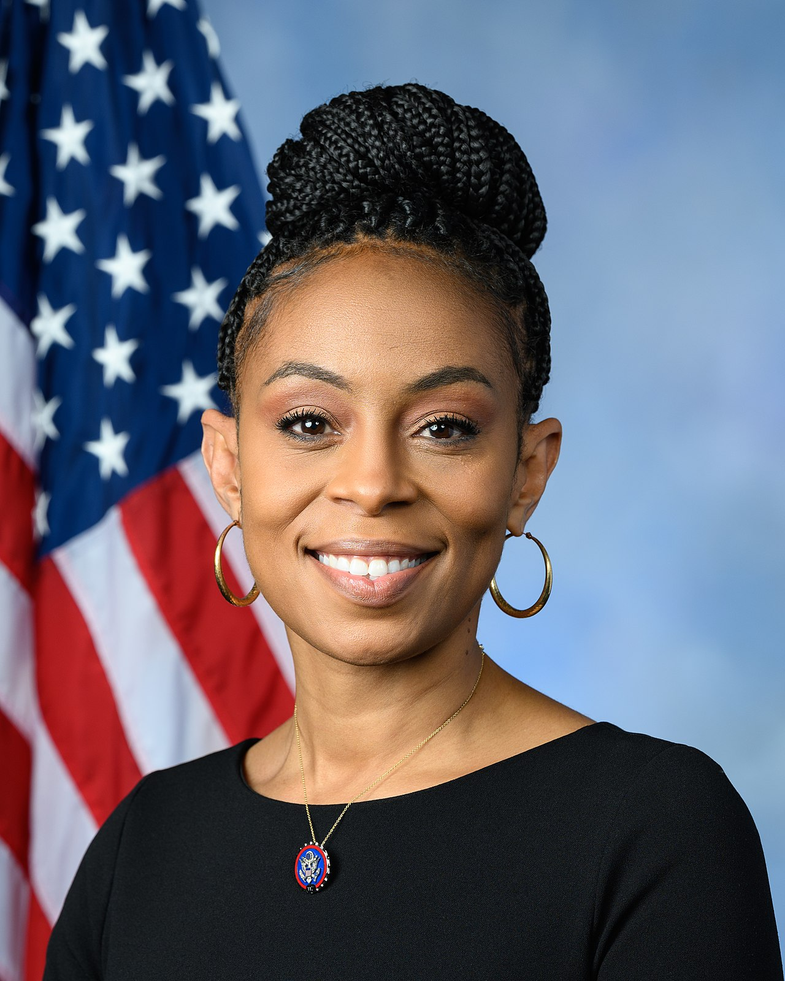
Co-Sponsor
-
TrackGreg Casar
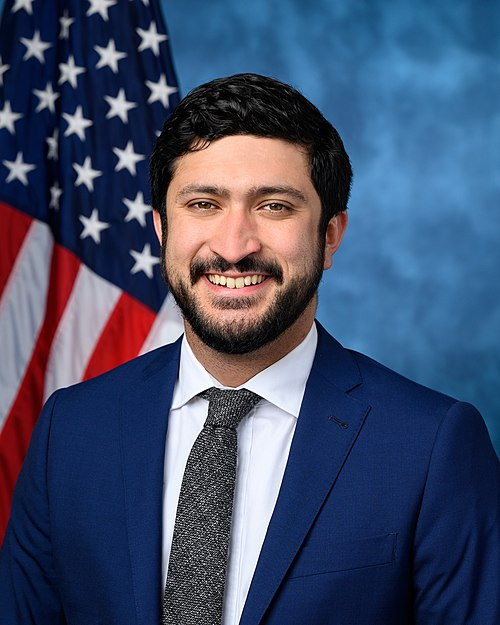
Co-Sponsor
-
TrackJasmine Crockett
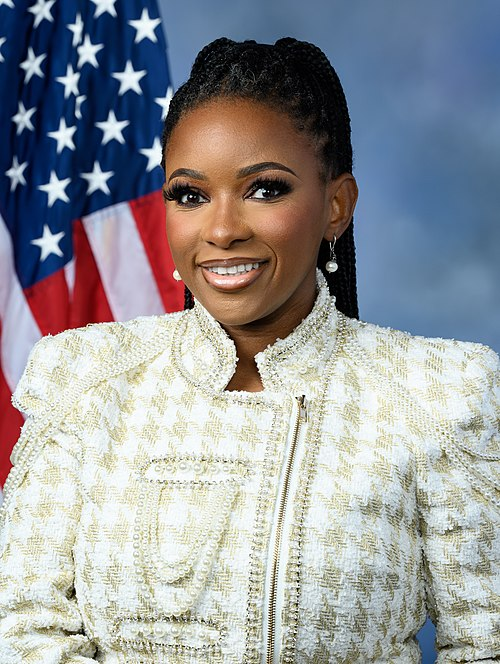
Co-Sponsor
-
TrackMaxwell Frost
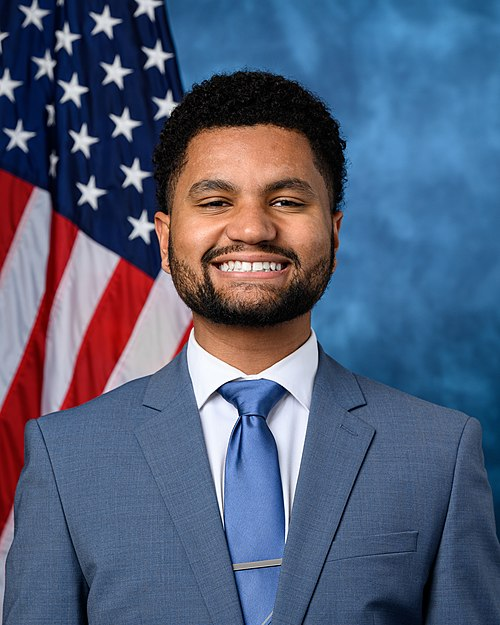
Co-Sponsor
-
TrackRo Khanna
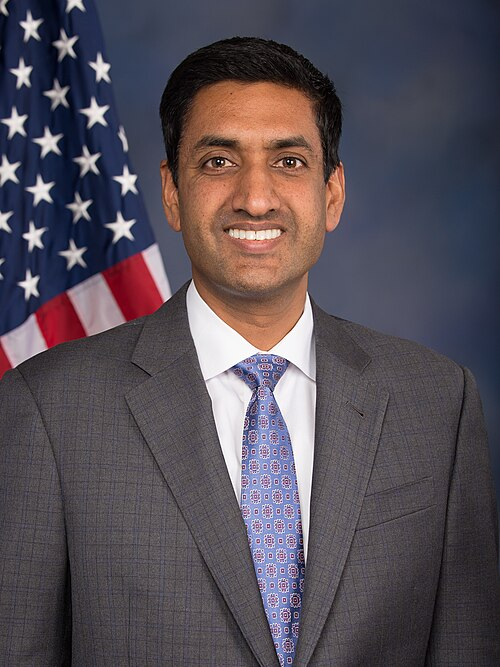
Co-Sponsor
-
TrackRaja Krishnamoorthi
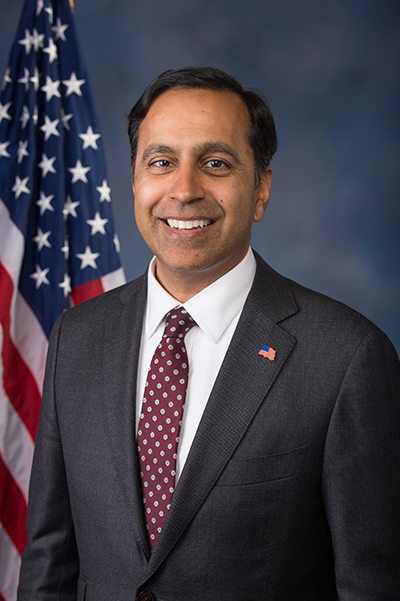
Co-Sponsor
-
TrackStephen F. Lynch
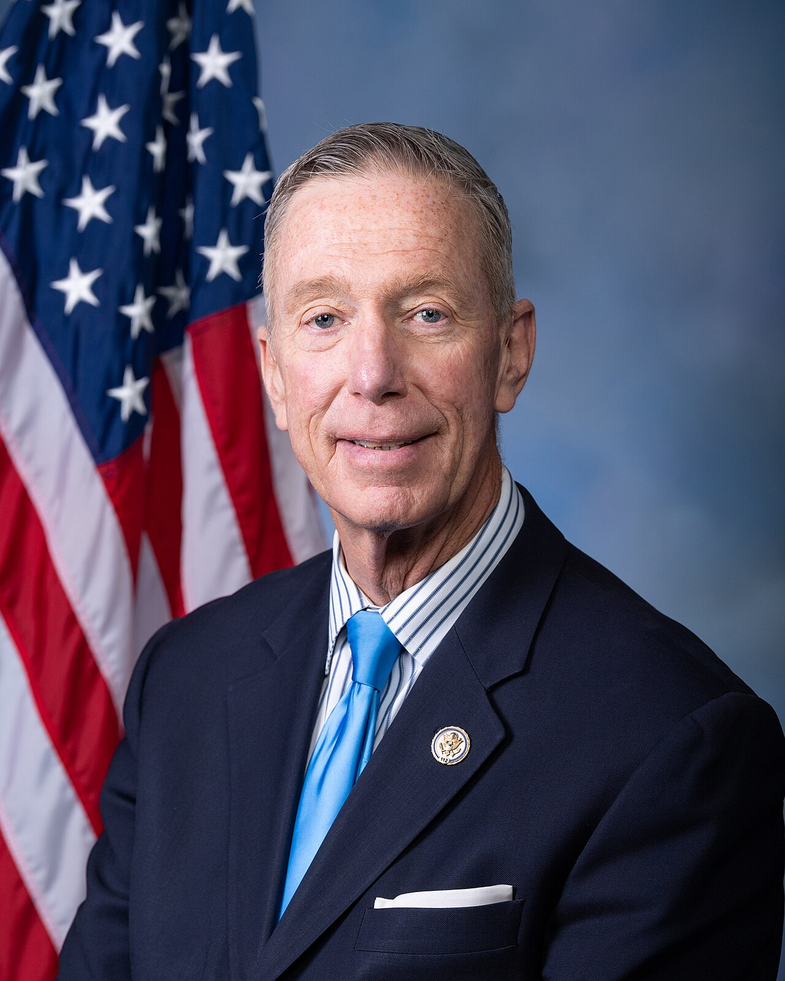
Co-Sponsor
-
TrackChristian Menefee

Co-Sponsor
-
TrackKweisi Mfume
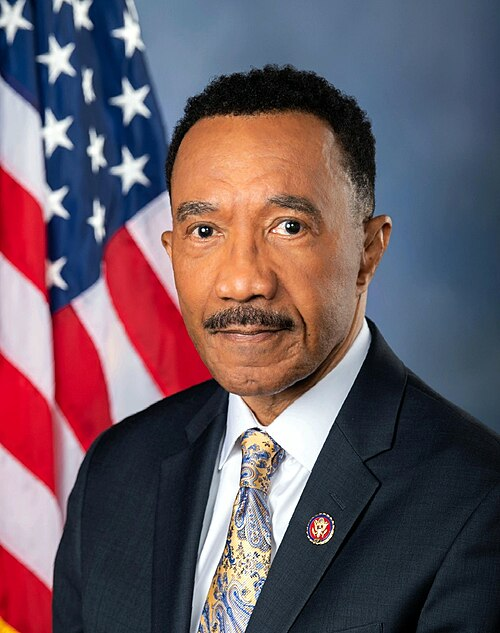
Co-Sponsor
-
TrackDave Min
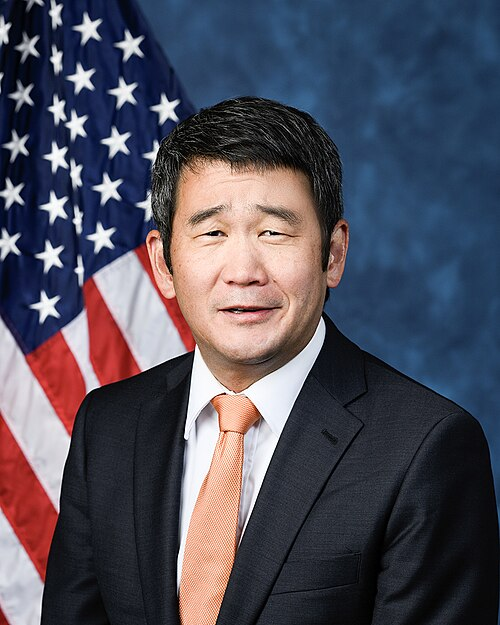
Co-Sponsor
-
TrackEleanor Holmes Norton

Co-Sponsor
-
TrackAyanna Pressley
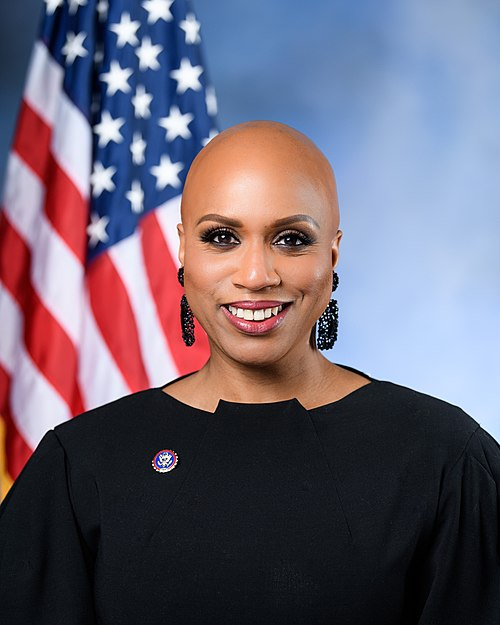
Co-Sponsor
-
TrackEmily Randall
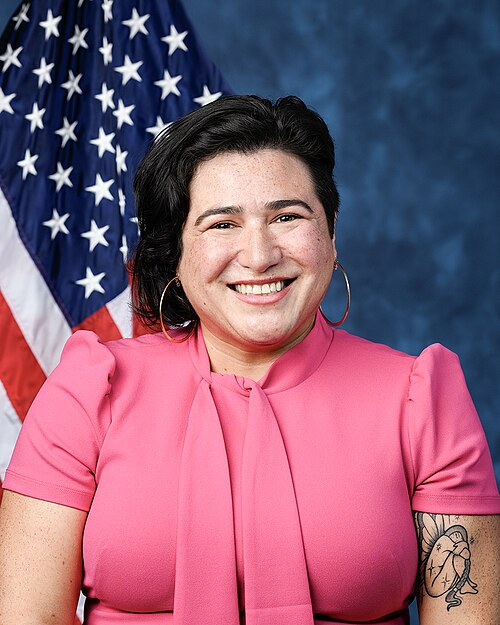
Co-Sponsor
-
TrackLateefah Simon
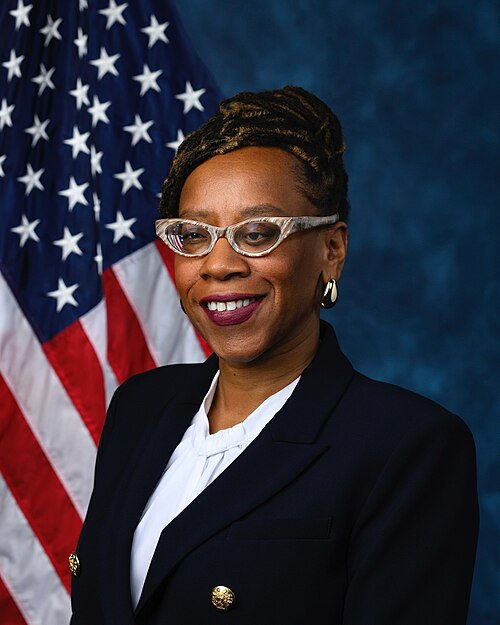
Co-Sponsor
-
TrackMelanie A. Stansbury
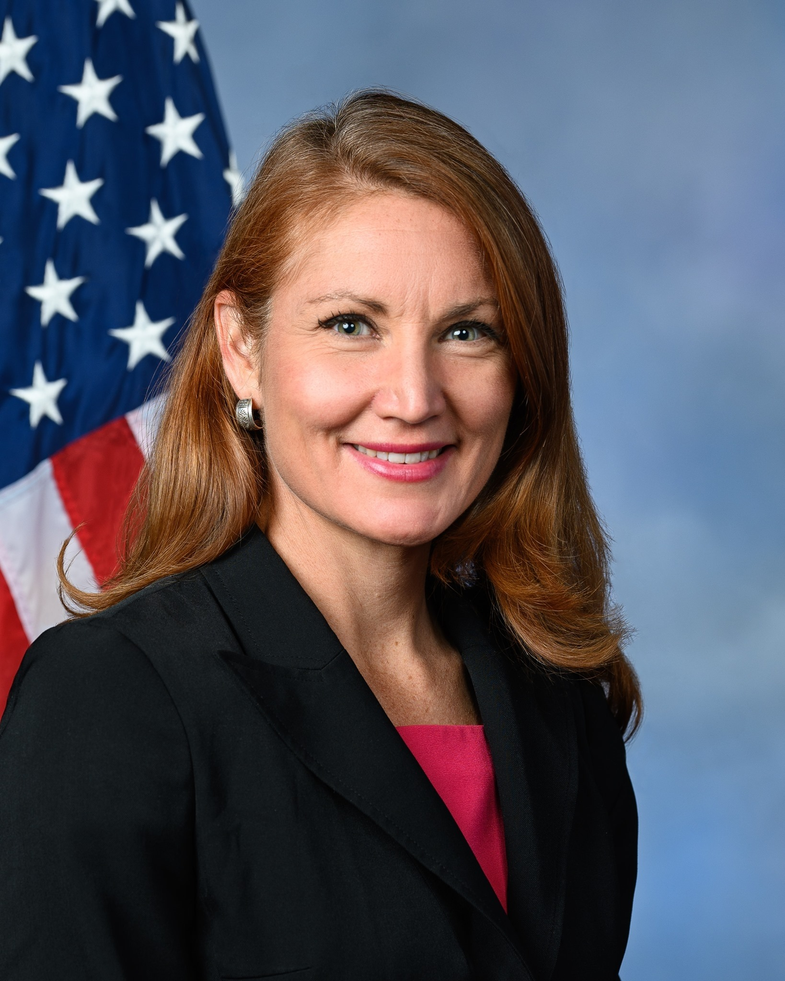
Co-Sponsor
-
TrackSuhas Subramanyam
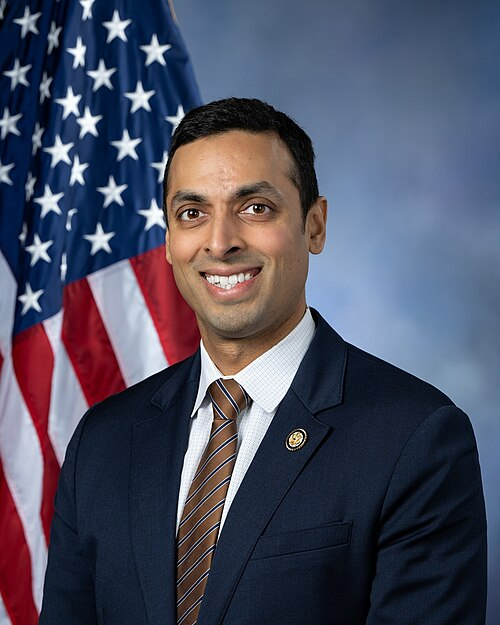
Co-Sponsor
-
TrackRashida Tlaib
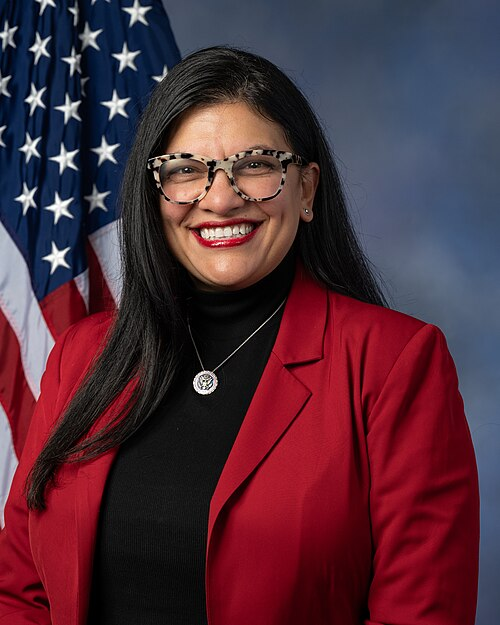
Co-Sponsor
-
TrackJames R. Walkinshaw

Co-Sponsor
Actions
2 actions
| Date | Action |
|---|---|
| Oct. 15, 2026 | Introduced in House |
| Oct. 15, 2026 | Referred to the House Committee on Financial Services. |
Corporate Lobbying
0 companies lobbying
None found.
* Note that there can be significant delays in lobbying disclosures, and our data may be incomplete.
Potentially Relevant Congressional Stock Trades
No relevant congressional stock trades found.