H.R. 10804: Utility Accountability Act
This bill would create a federal penalty system for investor-owned electric utilities that fail to meet performance standards set by their state. The standards would include things like electric reliability and electric safety.
How the process would work
Each year, state utility regulators would audit whether investor-owned utilities under their authority met the state’s performance standards. The state regulator would then certify the results to the Secretary of Energy.
What happens if a utility misses the standards
If a utility is certified as having failed to meet the standards for a year, the Secretary of Energy would order the state regulator to require that utility to give bill credits to its residential customers starting the following year. These credits would continue every year until the utility meets the state standards again.
Size of the bill credits
The required credit would be:
$100 for the first year
Then increased by $100 each additional year
Who pays for the credits
The bill says the utility would have to cover the cost of these credits itself and could not pass those costs on to residential customers.
Federal leverage over states
If a state regulator does not carry out the Secretary of Energy’s order, the Secretary could withhold federal assistance to that state regulator. This assistance could include grants, loans, loan guarantees, and technical assistance until the state complies.
Relevant Companies
DUK — Duke Energy, a large investor-owned electric utility that could be affected if regulators determined it failed state performance standards.
SO — Southern Company, an investor-owned utility with regulated electric operations that could be subject to similar penalties.
AEP — American Electric Power, an investor-owned utility that could face bill-credit requirements if it missed applicable state standards.
EXC — Exelon, through its regulated utility subsidiaries, could be affected by the bill’s performance-standard penalty framework.
ED — Consolidated Edison, an investor-owned utility that could be directly impacted in states where it is regulated.
PEG — Public Service Enterprise Group, whose regulated utility business could be subject to the bill’s requirements.
This is an AI-generated summary of the bill text. There may be mistakes.
Sponsors
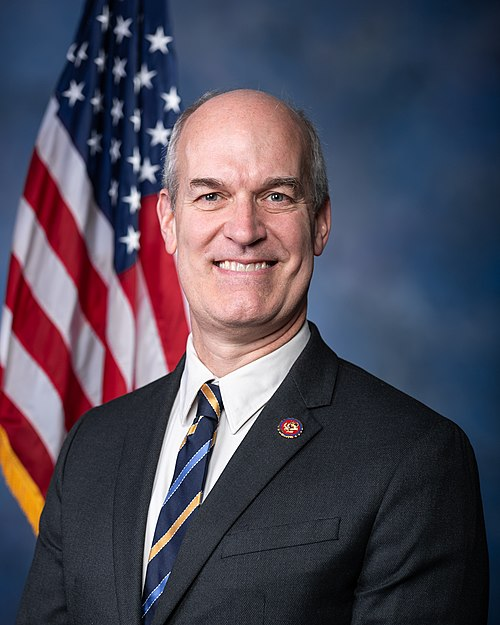
1 sponsor

Actions
2 actions
| Date | Action |
|---|---|
| Oct. 13, 2026 | Introduced in House |
| Oct. 13, 2026 | Referred to the House Committee on Energy and Commerce. |
Corporate Lobbying
0 companies lobbying
None found.
* Note that there can be significant delays in lobbying disclosures, and our data may be incomplete.