
H.R. 10802: Agency Support for Secure and Universal Registration Enhancement Act
This bill would direct many federal agencies to do more to help eligible people register to vote and participate in elections. It would not create a new federal voter registration system, but it would require agencies to review how they can better connect people with existing state and federal voting resources.
What federal agencies would have to do
Agency heads would need to look for ways to include voter registration and voting information in their public-facing services, such as websites, forms, materials, and social media. They would also need to consider:
- linking users directly to state online voter registration systems or Vote.gov,
- providing voter registration and vote-by-mail application forms during agency services,
- helping people complete those forms in accordance with state law,
- allowing nonprofit groups and state officials to offer registration services on agency property,
- expanding multilingual voting information, and
- checking whether agency-issued ID documents could satisfy state voter ID requirements.
Within 200 days, each covered agency would have to submit a strategic plan to the President and Congress describing how it could promote voter registration and participation.
Federal websites and Vote.gov
The bill would require federal digital services to be improved so that election and voting information is easier to use and more accessible. That includes making federal voting websites usable for people with disabilities and people with limited English proficiency.
It would also direct the General Services Administration to modernize Vote.gov and improve its user experience, in consultation with election officials, disability and civil rights advocates, Tribal Nations, and nonprofit groups. Vote.gov would have to meet accessibility standards and be translated into every language covered under the Voting Rights Act’s language-minority provisions.
Voter registration agency designations
If a state asks a federal agency to serve as a voter registration agency under the National Voter Registration Act, the bill says the agency should agree to that request as much as practicable. If an agency declines, it would have to explain why in writing to the President and Congress. Agencies would also need to evaluate where they provide public services and, where appropriate, notify states that they are willing to be designated as voter registration agencies.
Federal employees, military members, and overseas voters
The Office of Personnel Management would have to study ways to expand time off for federal employees to vote, including for early voting, and ways to support federal employees who want to serve as nonpartisan poll workers or observers.
The Department of Defense would have to create procedures to offer active-duty service members, every year, the chance to register to vote, update their registration, or request an absentee ballot. It would also have to study whether an online system could help with those services.
In addition, the Defense Department, working with the State Department, Military Postal Service Agency, and USPS, would have to take practical steps toward a system that tracks absentee ballots end to end for military and overseas voters.
People in federal custody and people leaving custody
The Attorney General would have to set up procedures to provide voter registration and voting information to eligible people in federal prisons, and to help them register where possible. This information would also need to be included in reentry planning. People leaving federal custody would have to be informed about any state voting restrictions that still apply and when those restrictions end.
The bill would also require federal jail contracts and intergovernmental agreements to include voter-information provisions, and it would direct the government to provide registration and voting materials to eligible people under federal probation and pretrial supervision.
It would also direct the Justice Department to support formerly incarcerated people in getting identification that meets state voter ID rules.
Native American voting rights
The bill would create an interagency steering group focused on Native American voting rights. That group would consult with Tribal Nations and Native leaders and, within one year, publish a report with best practices and recommendations. Topics would include voter outreach, registration, turnout, disability access, internet access, language access, acceptance of Tribal IDs, and coordination among election offices and Tribal governments.
Naturalization ceremonies
The bill would require U.S. Citizenship and Immigration Services to allow covered nonprofit organizations to provide voter registration applications and general voting information to new citizens at administrative naturalization ceremonies, as long as the organizations do not engage in political activity there.
Relevant Companies
None found
This is an AI-generated summary of the bill text. There may be mistakes.
Sponsors
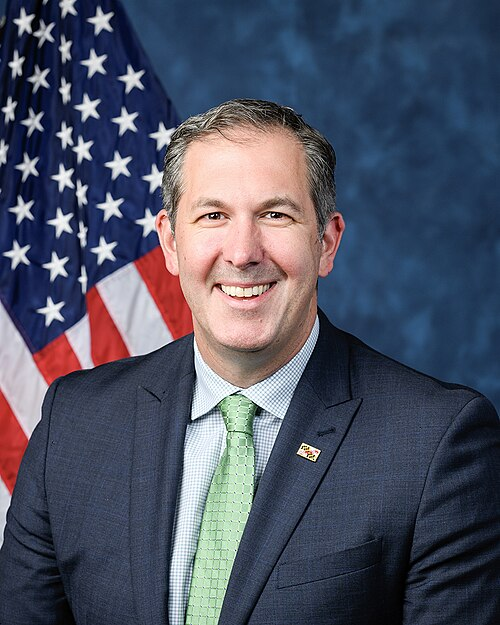
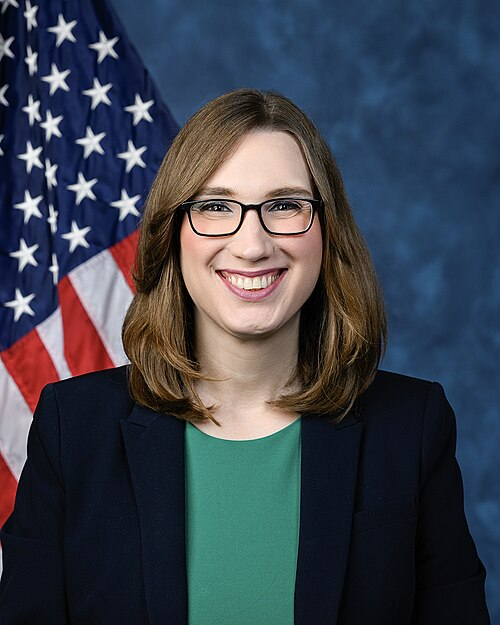
2 bill sponsors
Actions
2 actions
| Date | Action |
|---|---|
| Oct. 13, 2026 | Introduced in House |
| Oct. 13, 2026 | Referred to the Committee on House Administration, and in addition to the Committees on Oversight and Government Reform, Science, Space, and Technology, Armed Services, and the Judiciary, for a period to be subsequently determined by the Speaker, in each case for consideration of such provisions as fall within the jurisdiction of the committee concerned. |
Corporate Lobbying
0 companies lobbying
None found.
* Note that there can be significant delays in lobbying disclosures, and our data may be incomplete.
Potentially Relevant Congressional Stock Trades
No relevant congressional stock trades found.