
H.R. 10780: Congressional Budget Reform Act
This bill would change how Congress handles budgeting, spending control, and budget-related oversight. It would make several procedural changes to the appropriations process, add new reporting requirements, and create fallback rules for government funding if regular appropriations are not enacted on time.
Budgeting and spending process changes
The bill would consolidate House appropriations activity into a single appropriations committee structure, rather than allowing multiple separate approaches. It would also require spending-reduction accounts to be included as part of the budget process, with the goal of identifying savings or offsets within federal spending.
In addition, the bill would limit the executive branch’s ability to withhold or delay spending that Congress has already approved, reducing discretion over whether appropriated funds can be held back after enactment.
Automatic funding during a shutdown
If Congress does not pass regular funding measures in time, the bill would create automatic continuing appropriations to keep government programs funded during a shutdown. These automatic appropriations would function as temporary funding to avoid a lapse in government operations while Congress works on full-year bills.
While automatic continuing appropriations are in effect, the bill would also place limits on congressional travel and on the use of campaign funds for certain travel-related purposes.
Debt, deficit, and fiscal targets
The bill would add new fiscal targets related to debt and deficits. Congress would be required to consider these targets in the budgeting process, and the bill would establish reporting and review mechanisms to track whether those targets are being met.
If fiscal targets are missed, the bill would trigger a special Senate reconciliation process designed to help Congress consider legislation aimed at correcting the fiscal shortfall. This would create a formal path for Congress to respond when debt or deficit goals are not achieved.
Public reporting and oversight
The bill would expand public fiscal reporting requirements. The Comptroller General would be required to present an annual fiscal report to Congress. Budget resolutions would also need to include findings about the nation’s fiscal condition.
The Treasury Department would be required to analyze fiscal risks related to major crises, and the Government Accountability Office (GAO) would review these matters as part of its oversight role. These provisions are intended to provide more regular information about the government’s financial condition and the risks facing federal finances.
Relevant Companies
None found.
This is an AI-generated summary of the bill text. There may be mistakes.
Sponsors
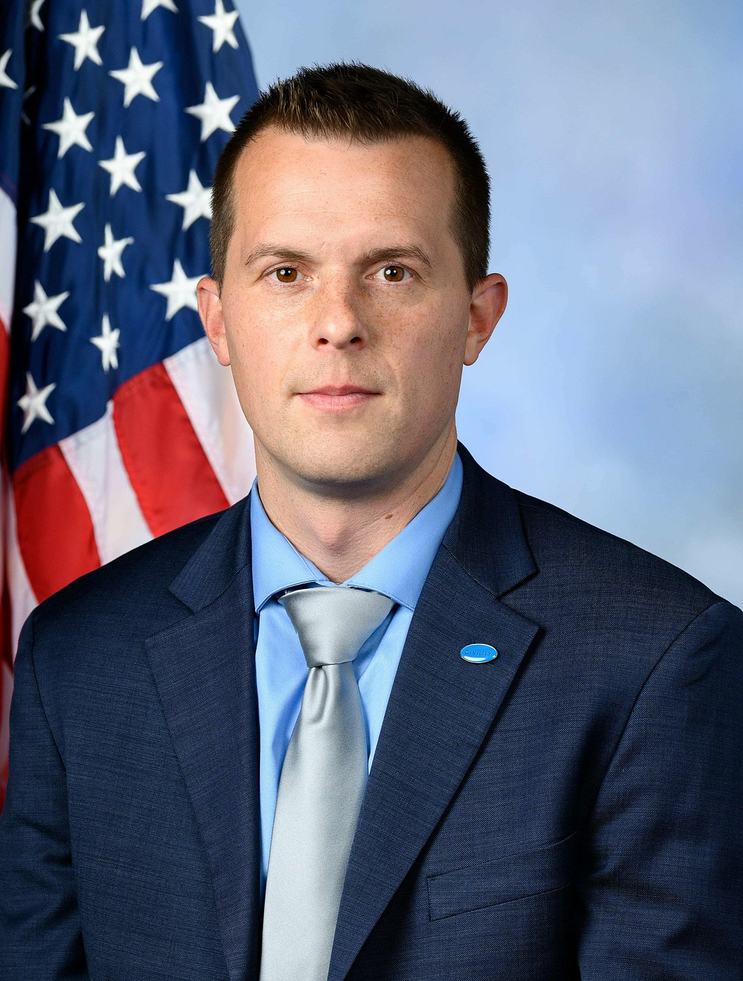
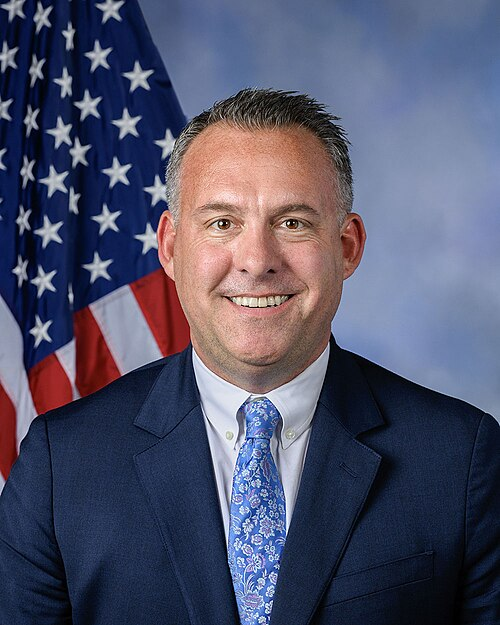
3 bill sponsors

Actions
2 actions
| Date | Action |
|---|---|
| Oct. 09, 2026 | Introduced in House |
| Oct. 09, 2026 | Referred to the Committee on Rules, and in addition to the Committees on the Budget, House Administration, Appropriations, and Oversight and Government Reform, for a period to be subsequently determined by the Speaker, in each case for consideration of such provisions as fall within the jurisdiction of the committee concerned. |
Corporate Lobbying
0 companies lobbying
None found.
* Note that there can be significant delays in lobbying disclosures, and our data may be incomplete.
Potentially Relevant Congressional Stock Trades
No relevant congressional stock trades found.