
H.R. 10774: Strengthening Welfare in Marine Settings Act of 2026
This bill would change federal law to stop the use of certain dolphins and whales in public display settings, such as aquariums and marine parks, for four species: orcas, beluga whales, false killer whales, and pilot whales.
What it would do
- Ban exporting these animals, except when they are being moved to a marine mammal sanctuary approved by the Secretary of the Interior as being in the animal’s best interest, or when they are being released into the wild.
- Ban federal permits for taking or importing these animals if the purpose is public display.
- Ban breeding and artificial insemination of these animals when the offspring would be used for public display.
How the bill defines a sanctuary
The bill defines a sanctuary as a place where marine mammals are kept in conditions intended to be as close as possible to their natural environment, where their individual well-being and autonomy are prioritized, and where they are not used for profit or bred for public display.
Policy findings in the bill
The bill states that Congress believes these species are intelligent social animals that can suffer in captivity, and that current federal law allows them to be kept in tanks that do not meet their psychological, physical, or social needs. It also states Congress’s view that they should not be restrained, coerced, or controlled for public display.
Practical effect
If enacted, the bill would not directly ban all captivity of these species in every setting, but it would sharply limit the ability to keep, move, import, export, or breed them for public exhibition. Facilities that currently display orca, beluga, false killer whale, or pilot whale individuals would likely face restrictions on acquiring new animals, transferring them internationally, or breeding them for show purposes.
Relevant Companies
- SEAS — SeaWorld Entertainment could be directly affected because it has historically kept orca and other marine mammals for display; the bill would limit breeding, importation, exportation, and permits related to those species.
- MCS — Marcus Corporation may be less directly affected overall, but any business tied to attractions or venues involving marine animal public display could face indirect impacts depending on operations or partnerships.
This is an AI-generated summary of the bill text. There may be mistakes.
Sponsors
26 bill sponsors
-
TrackSuzan K. DelBene
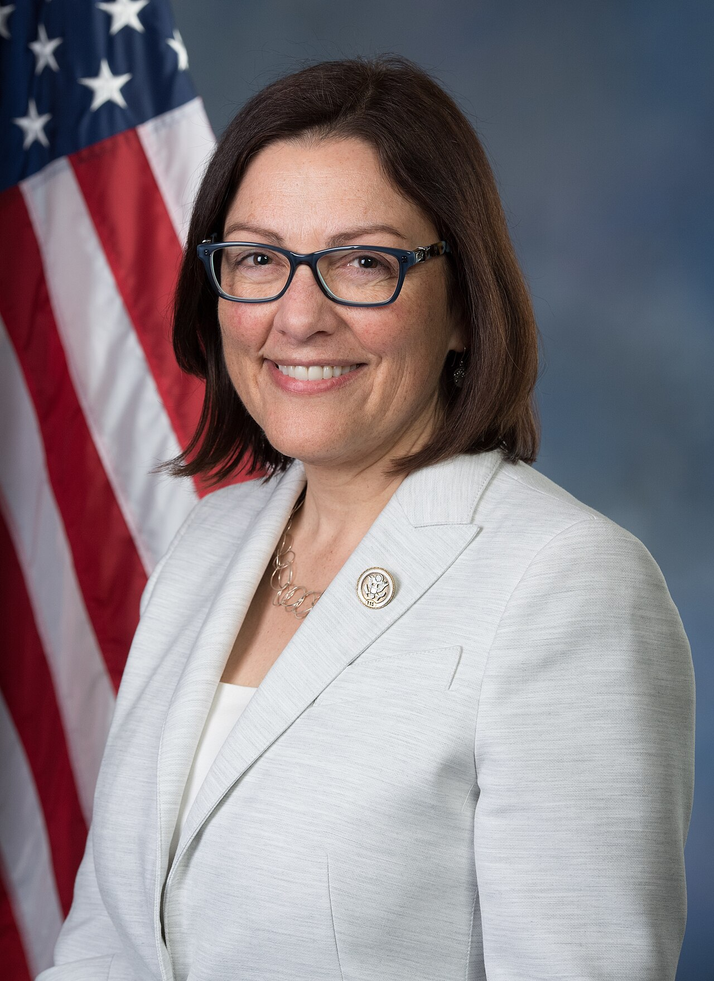
Sponsor
-
TrackSuzanne Bonamici
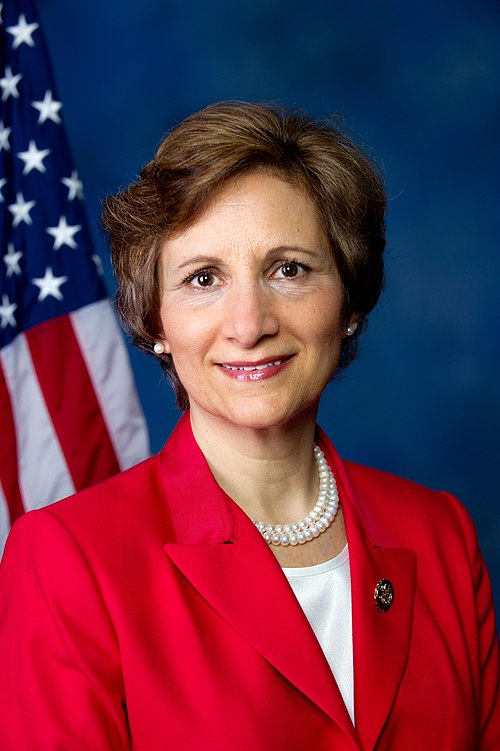
Co-Sponsor
-
TrackSalud O. Carbajal
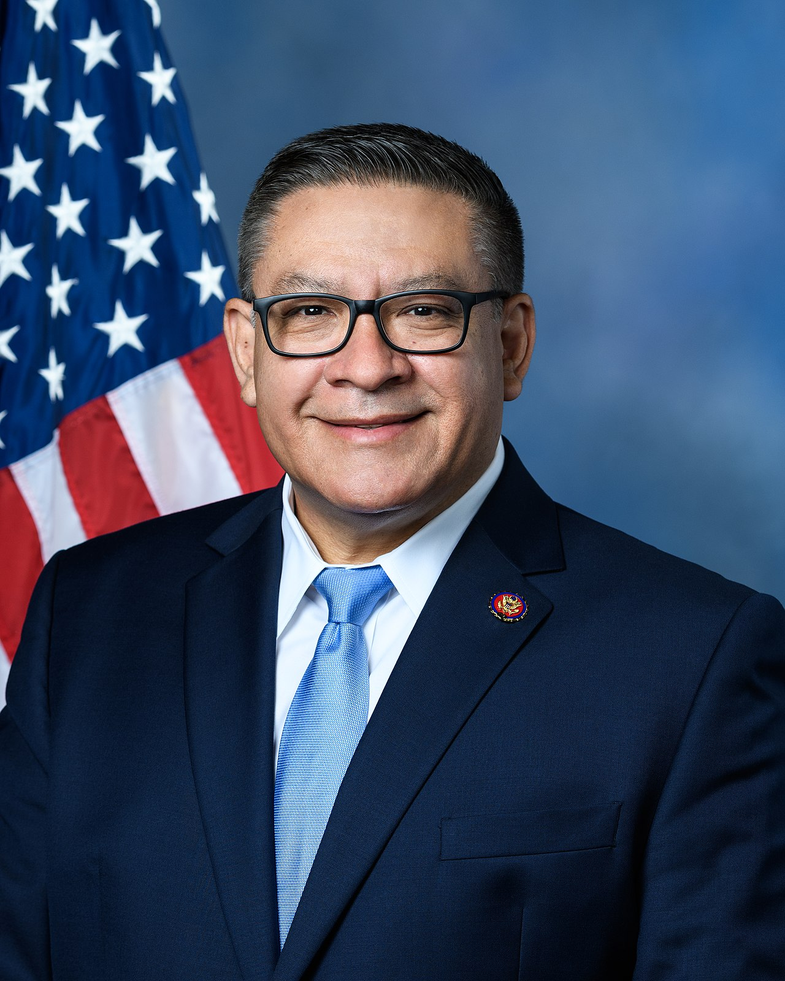
Co-Sponsor
-
TrackEd Case
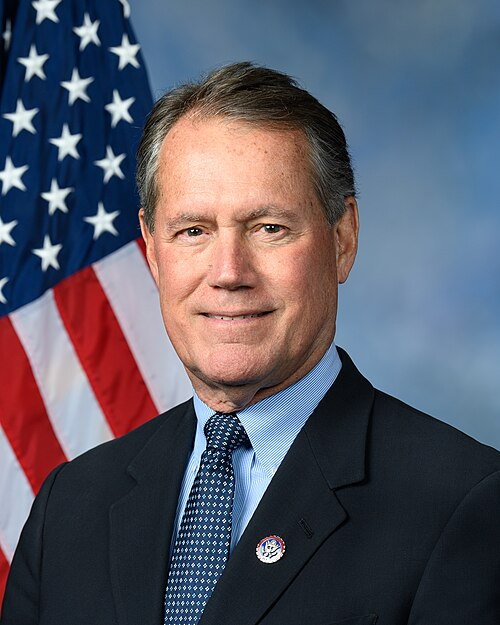
Co-Sponsor
-
TrackSean Casten
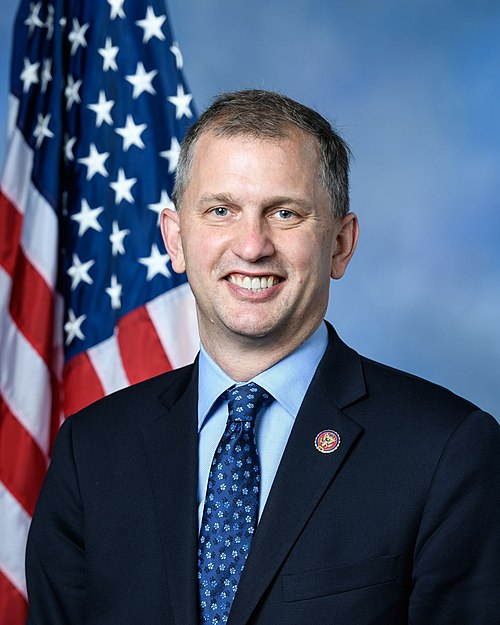
Co-Sponsor
-
TrackKathy Castor
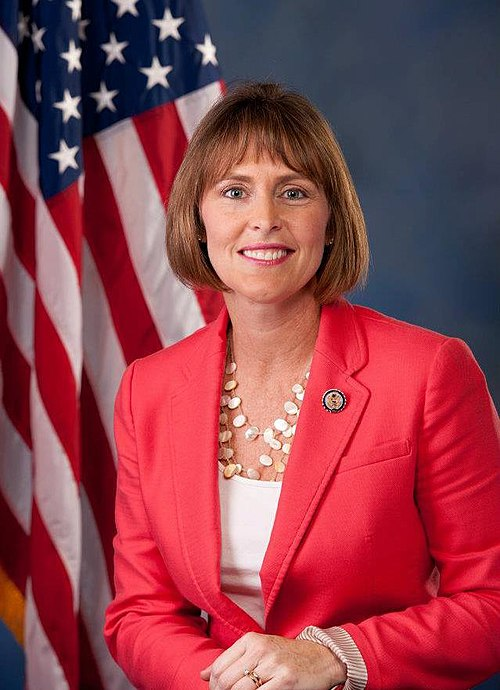
Co-Sponsor
-
TrackYvette D. Clarke
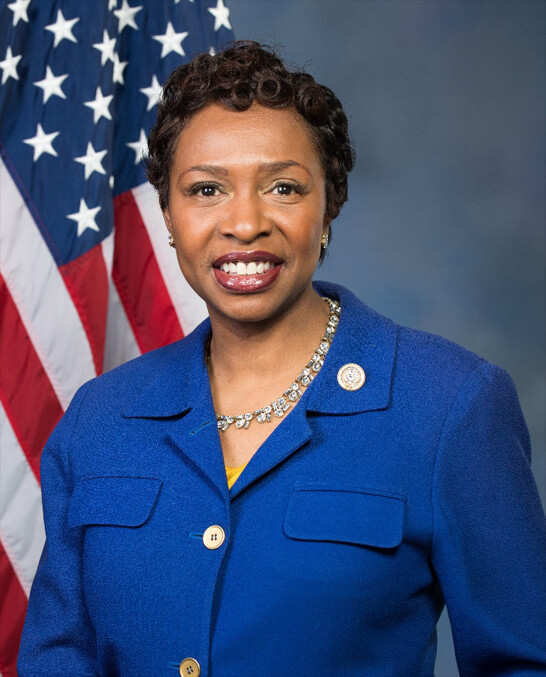
Co-Sponsor
-
TrackSteve Cohen

Co-Sponsor
-
TrackDiana DeGette

Co-Sponsor
-
TrackMaxine Dexter

Co-Sponsor
-
TrackDaniel S. Goldman
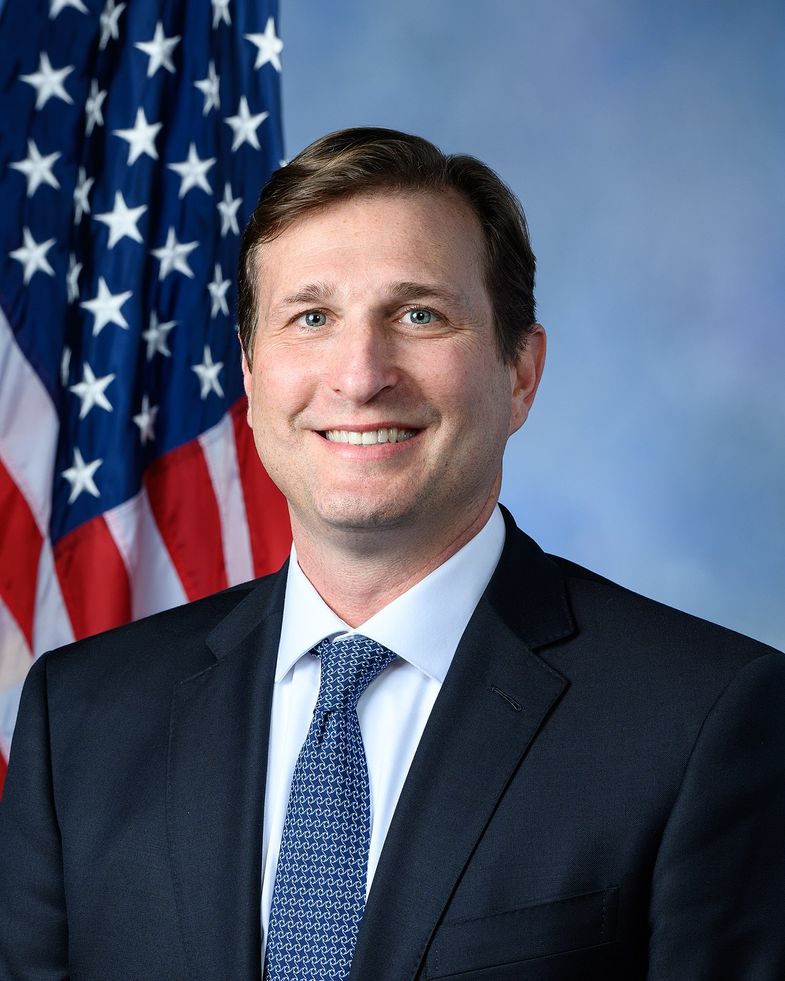
Co-Sponsor
-
TrackVal T. Hoyle
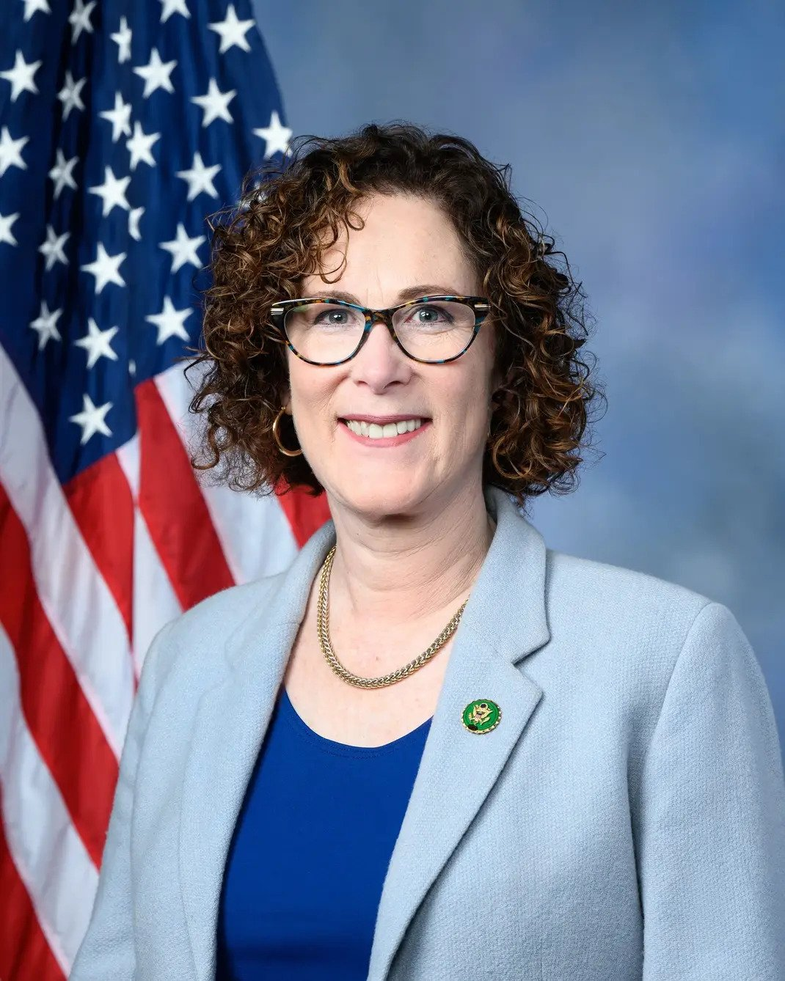
Co-Sponsor
-
TrackJared Huffman
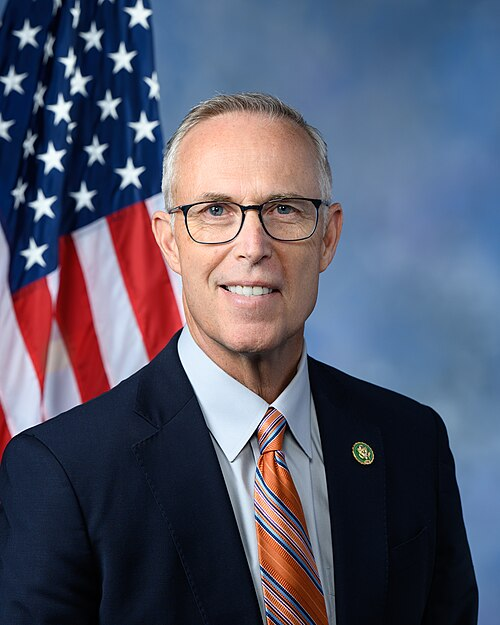
Co-Sponsor
-
TrackRaja Krishnamoorthi
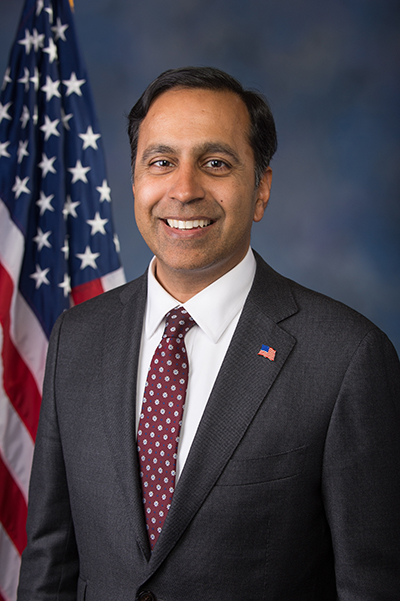
Co-Sponsor
-
TrackJames P. McGovern
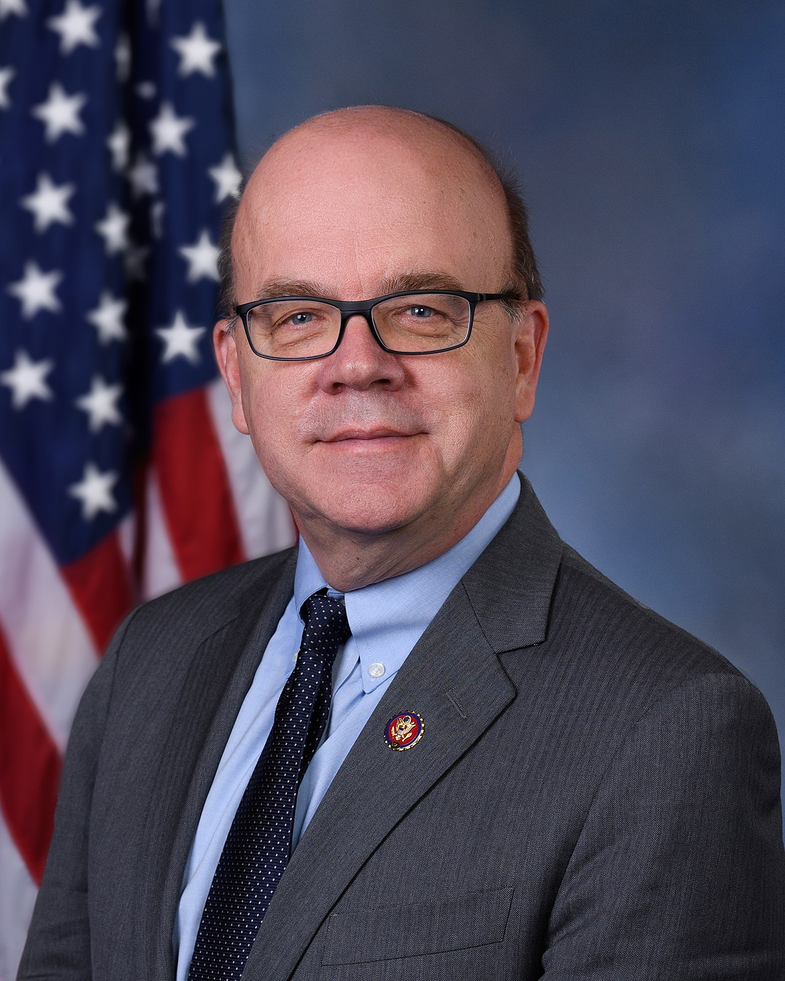
Co-Sponsor
-
TrackSeth Moulton
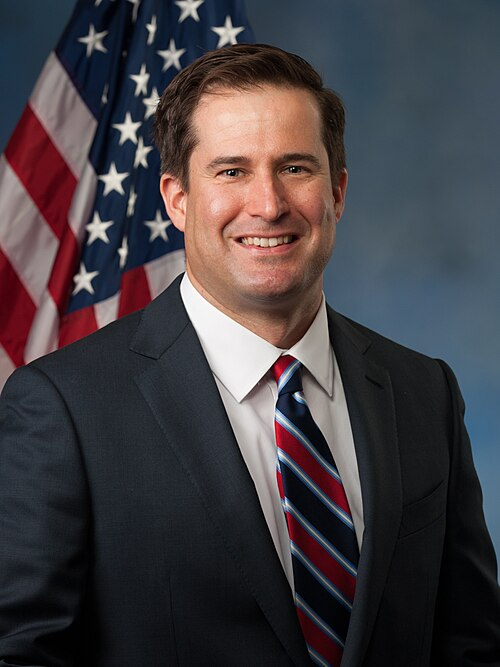
Co-Sponsor
-
TrackKevin Mullin
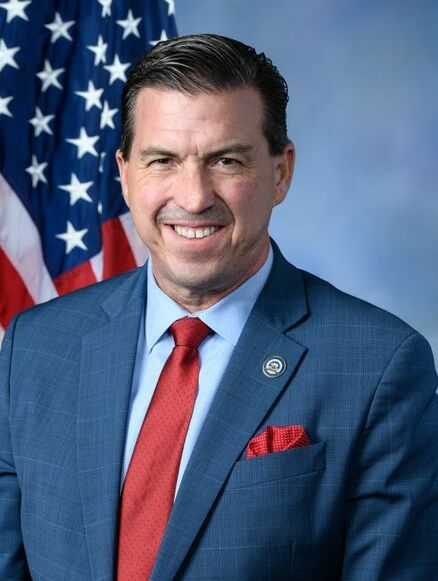
Co-Sponsor
-
TrackJerrold Nadler
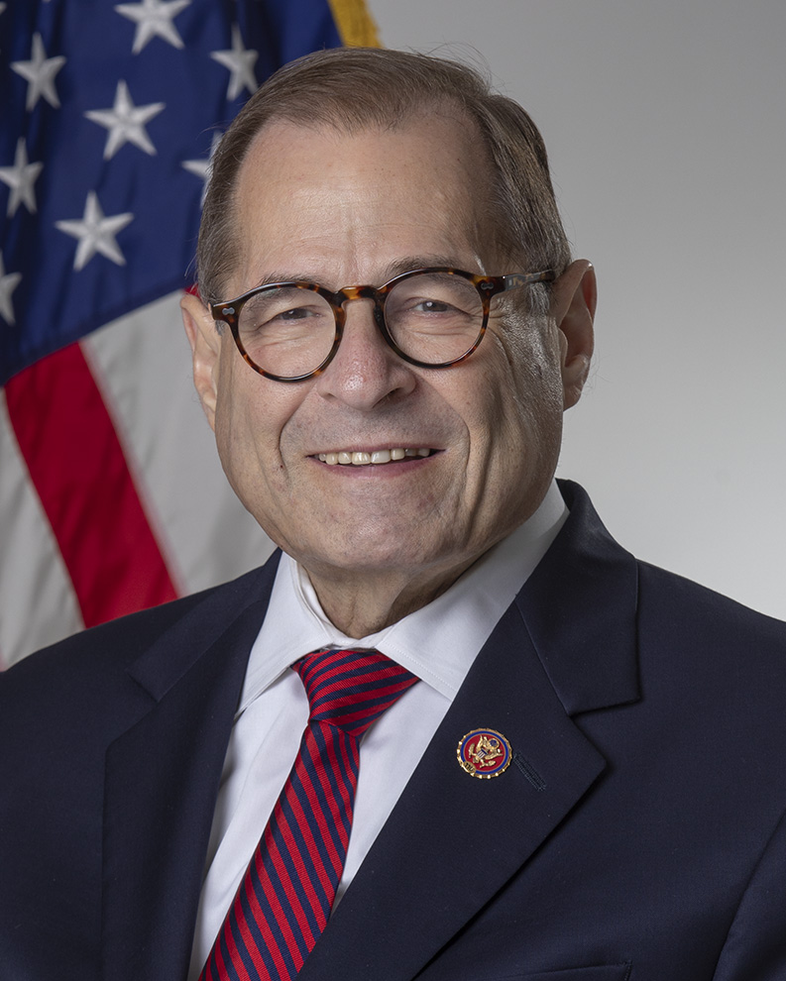
Co-Sponsor
-
TrackEleanor Holmes Norton

Co-Sponsor
-
TrackAndrea Salinas
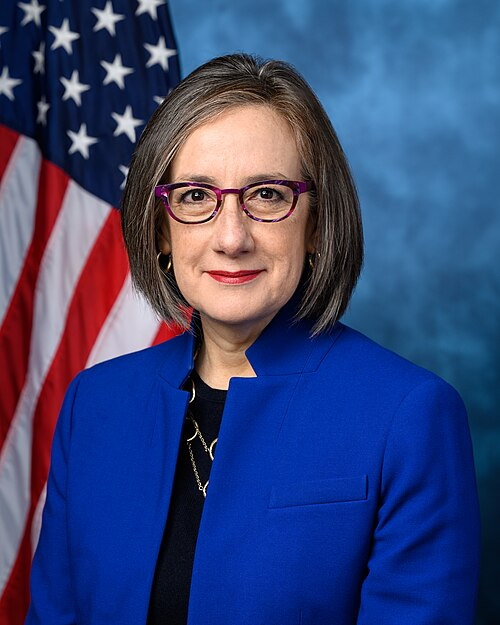
Co-Sponsor
-
TrackMary Gay Scanlon
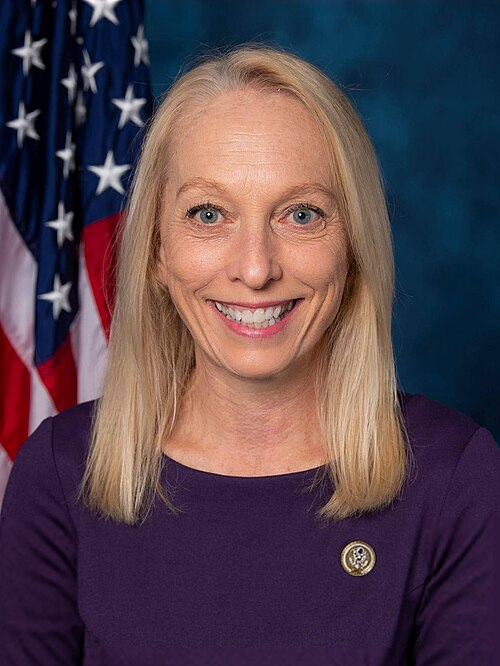
Co-Sponsor
-
TrackAdam Smith
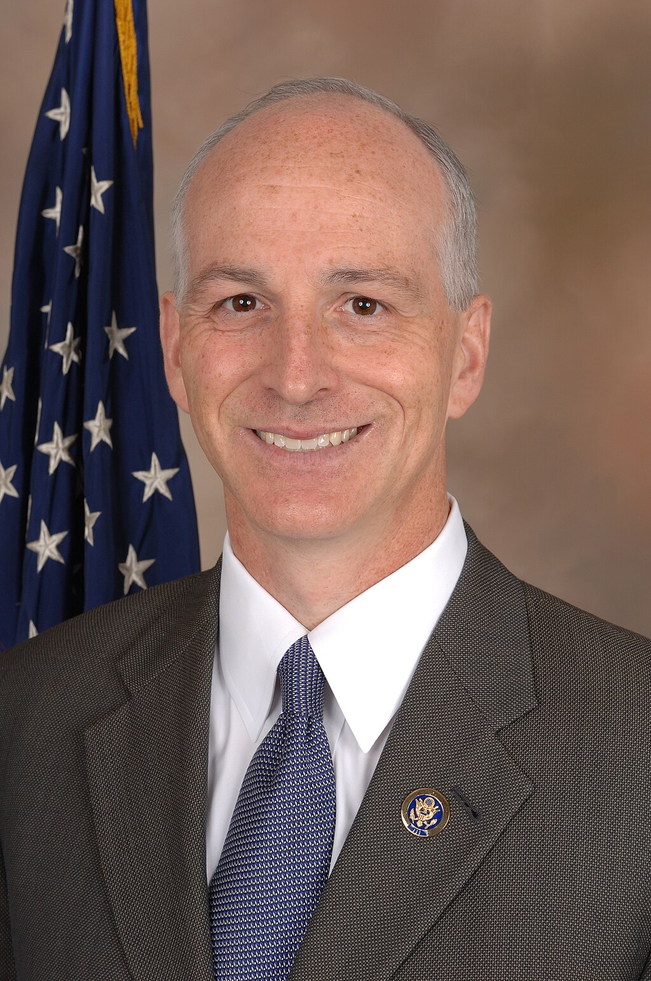
Co-Sponsor
-
TrackDina Titus
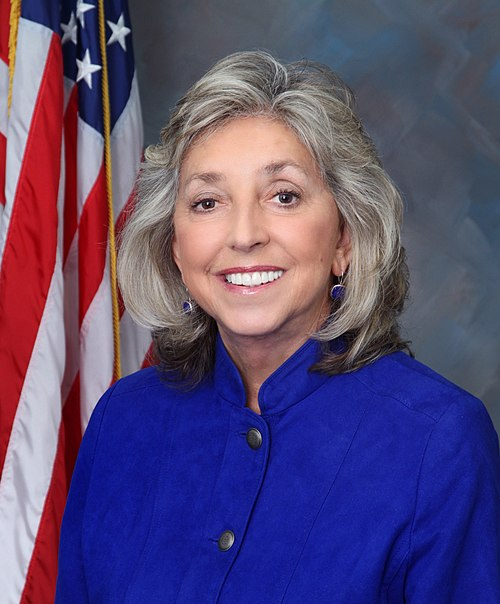
Co-Sponsor
-
TrackRashida Tlaib
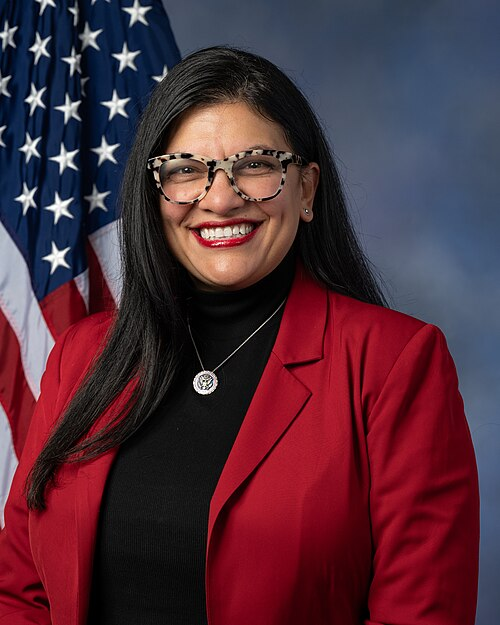
Co-Sponsor
-
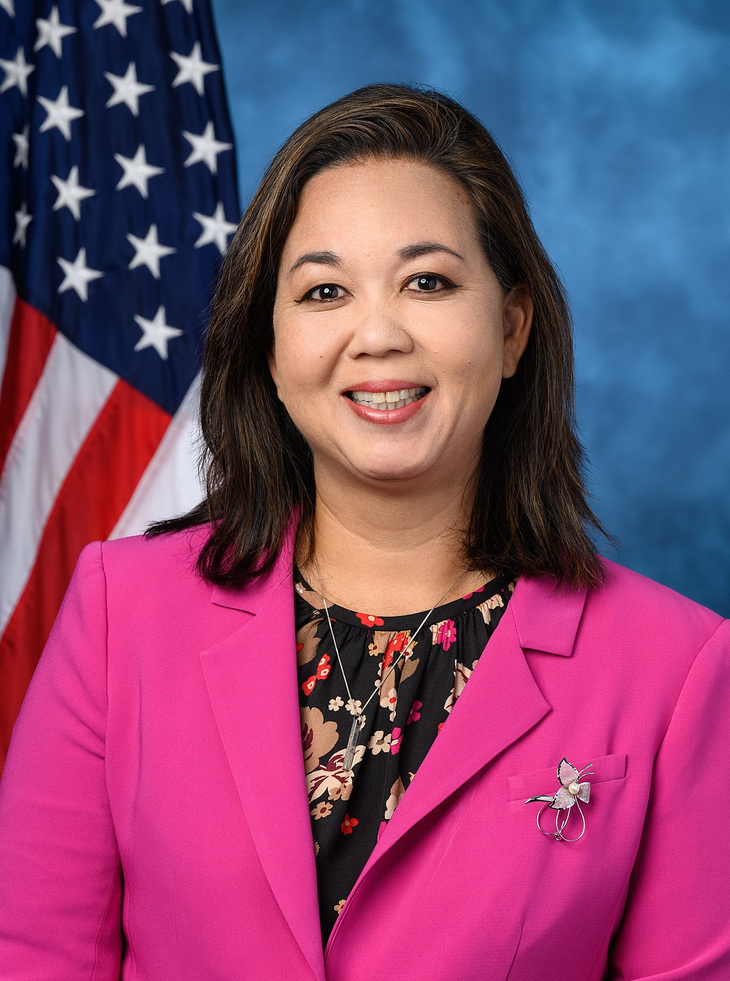
TrackJill N. Tokuda
Co-Sponsor
-
TrackJames R. Walkinshaw

Co-Sponsor
Actions
2 actions
| Date | Action |
|---|---|
| Oct. 09, 2026 | Introduced in House |
| Oct. 09, 2026 | Referred to the Committee on Natural Resources, and in addition to the Committee on Agriculture, for a period to be subsequently determined by the Speaker, in each case for consideration of such provisions as fall within the jurisdiction of the committee concerned. |
Corporate Lobbying
0 companies lobbying
None found.
* Note that there can be significant delays in lobbying disclosures, and our data may be incomplete.
Potentially Relevant Congressional Stock Trades
No relevant congressional stock trades found.