
H.R. 10737: Establishing Gold Standard Science Act
This bill would change how the Environmental Protection Agency’s science advisory board operates and how EPA staff are trained on scientific standards.
What it would do
Adopts a specific scientific standard. The bill adds definitions from a 2025 executive order for terms like “Gold Standard Science,” scientific information, scientific misconduct, and weight of scientific evidence.
Changes membership and conflict-of-interest rules for the EPA science advisory board and related committees/panels. It would:
- bar federally registered lobbyists from serving on the board or on certain committees/panels involving matters tied to their lobbying or financial interests;
- prevent members from taking part in reviews of their own work;
- prevent participation where the member, or certain close family members, have a direct financial interest or direct affiliation with an interested entity;
- require recusal agreements to be submitted and made public.
Expands disclosure requirements. New board and panel appointees would have to disclose, for the prior five years, financial relationships, grants, contracts, cooperative agreements, other financial assistance, relevant professional activities, public statements, expert testimony, contract work, and certain participation in work funded by federal agencies or the National Academies. They would also have to file annual updates and immediate updates when new relevant financial ties arise.
Requires more reporting to Congress and the public. EPA’s Administrator would have to include these disclosures in annual reports and make the reports public. The Administrator would also have to submit annual reports to House and Senate committees on the composition and activities of the relevant panels.
Clarifies how board advice should be framed. The board’s advice and comments would have to state that they are based on “Gold Standard Science” and the “weight of scientific evidence.” The bill also says the board’s advice should be based on those standards.
Emphasizes open discussion and diverse viewpoints. EPA would be directed to seek open exchange of ideas, consideration of dissenting views, and a balanced range of scientific and technical perspectives.
Creates a process for allegations of scientific misconduct. A board member or panel appointee could accuse another member of scientific misconduct. The EPA Administrator would investigate, and if misconduct is found, the person would be removed and made ineligible for reappointment to that board or panel.
Creates a scientific integrity training program for EPA employees. Within 180 days, EPA would have to train officers and employees on scientific research, publication of research and scientific information, scientific misconduct, and Gold Standard Science / the weight of scientific evidence.
Relevant Companies
None found.
This is an AI-generated summary of the bill text. There may be mistakes.
Sponsors
13 bill sponsors
-
TrackScott Franklin
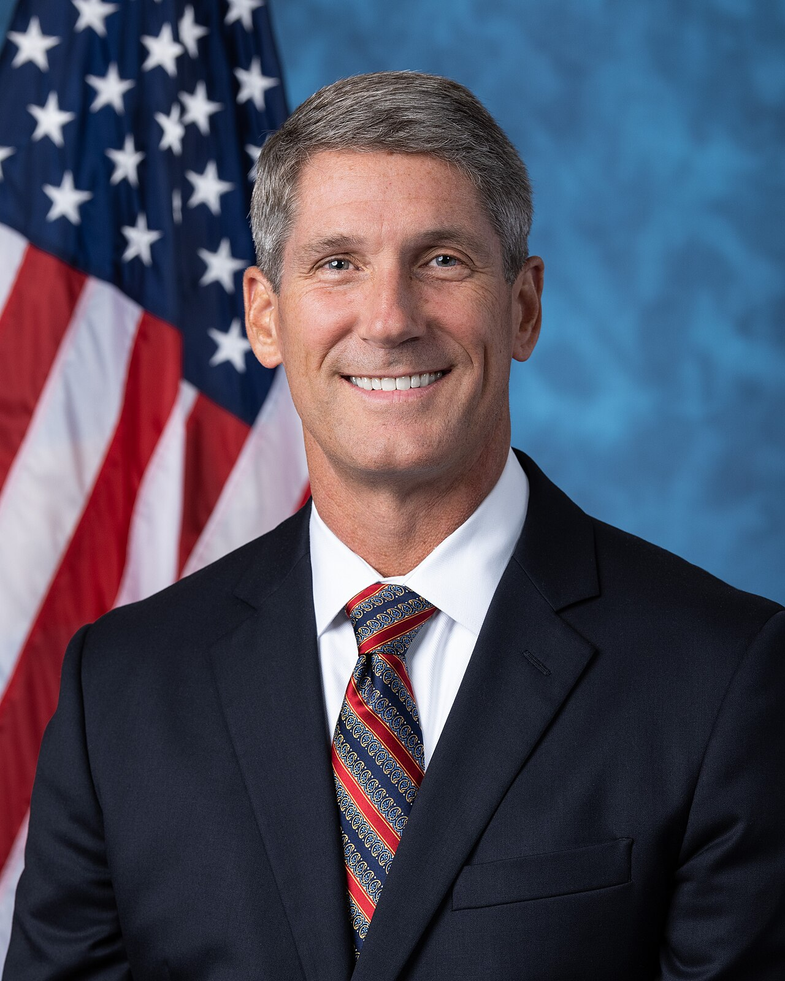
Sponsor
-
TrackJames R. Baird
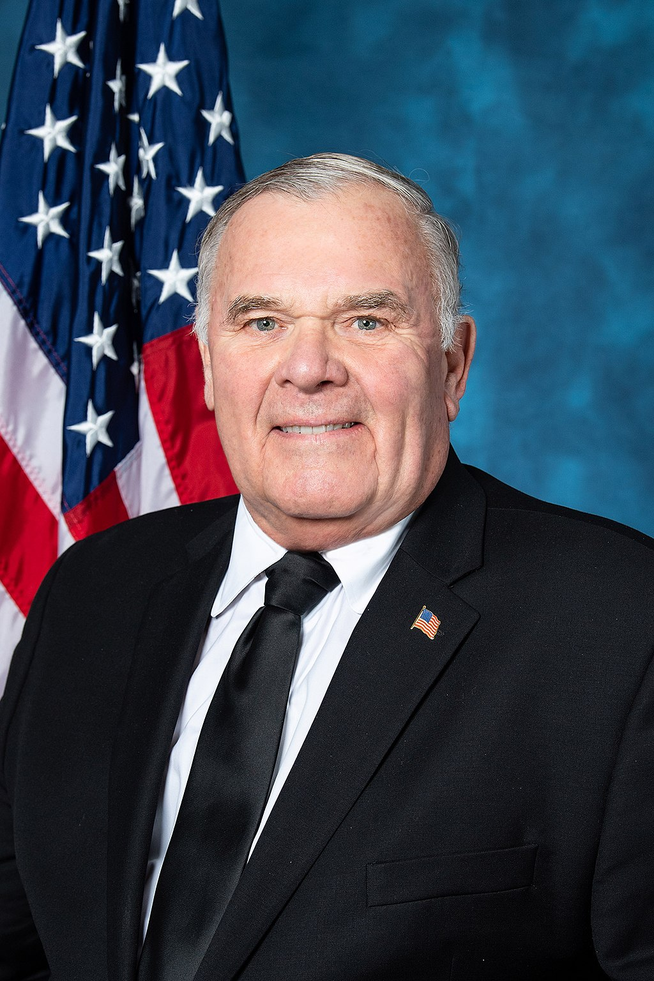
Co-Sponsor
-
TrackJake Ellzey
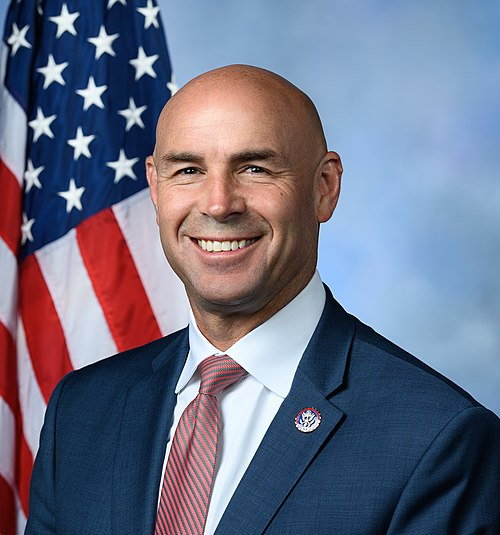
Co-Sponsor
-
TrackCharles J. "Chuck" Fleischmann
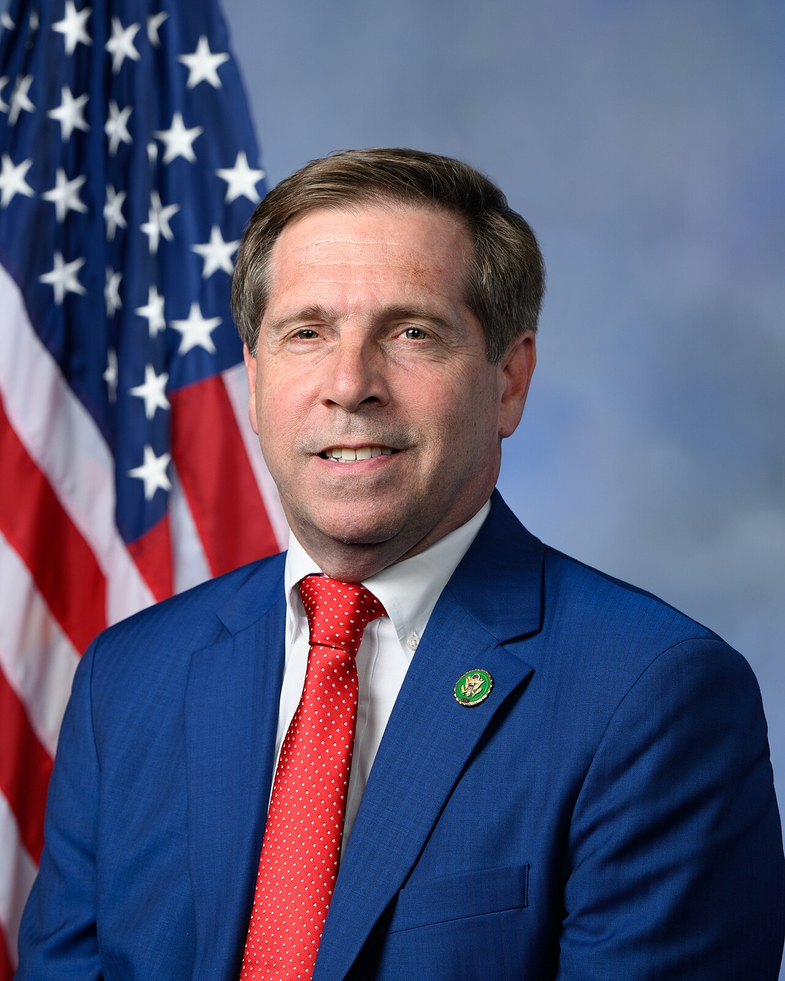
Co-Sponsor
-
TrackMike Haridopolos
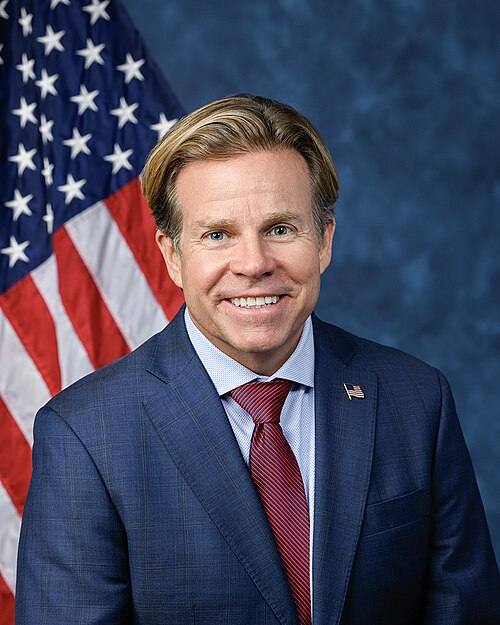
Co-Sponsor
-
TrackPat Harrigan
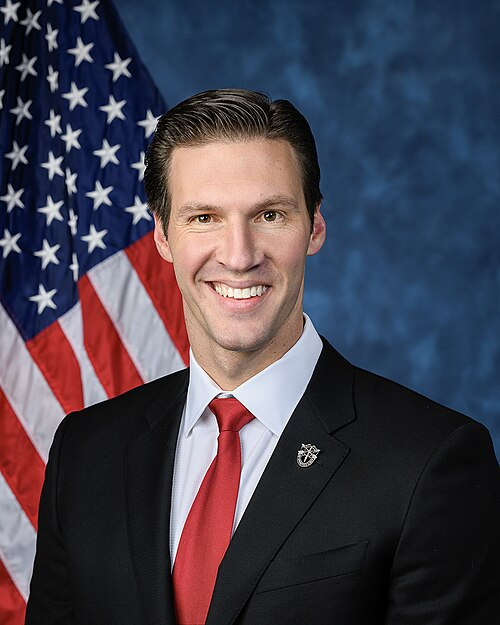
Co-Sponsor
-
TrackDarrell Issa
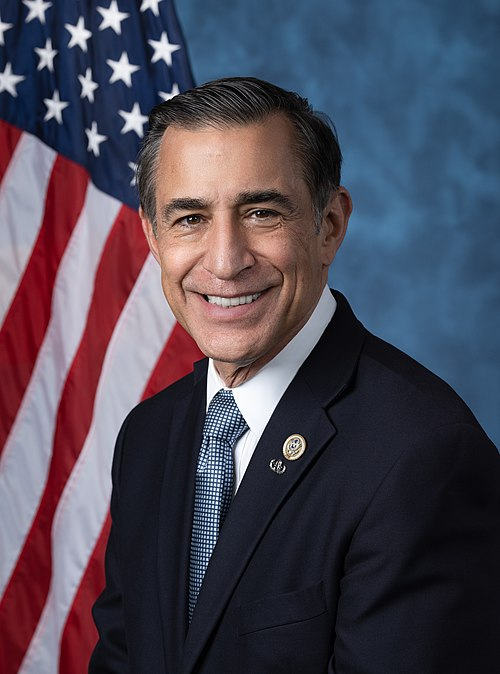
Co-Sponsor
-
TrackRichard McCormick
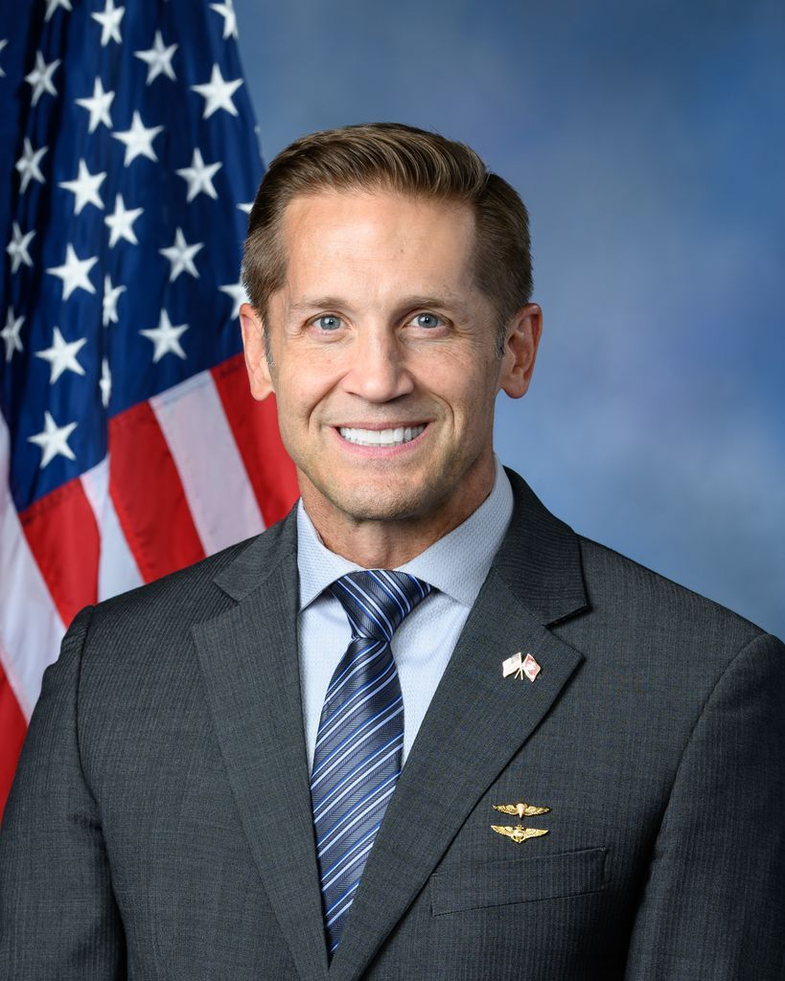
Co-Sponsor
-
TrackJay Obernolte
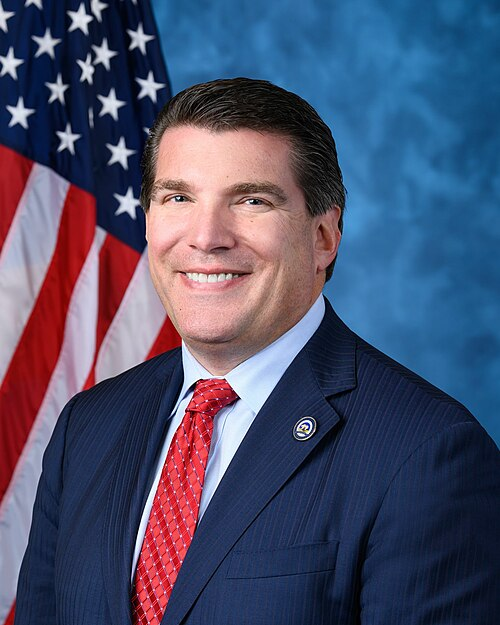
Co-Sponsor
-
TrackKeith Self
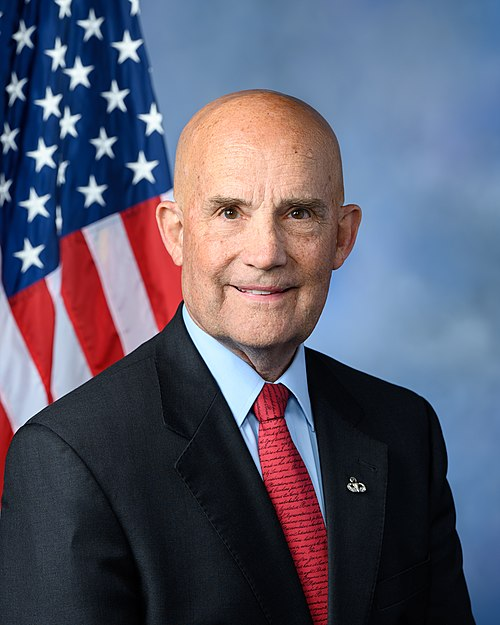
Co-Sponsor
-
TrackMatthew Van Epps

Co-Sponsor
-
TrackRandy K. Weber, Sr.
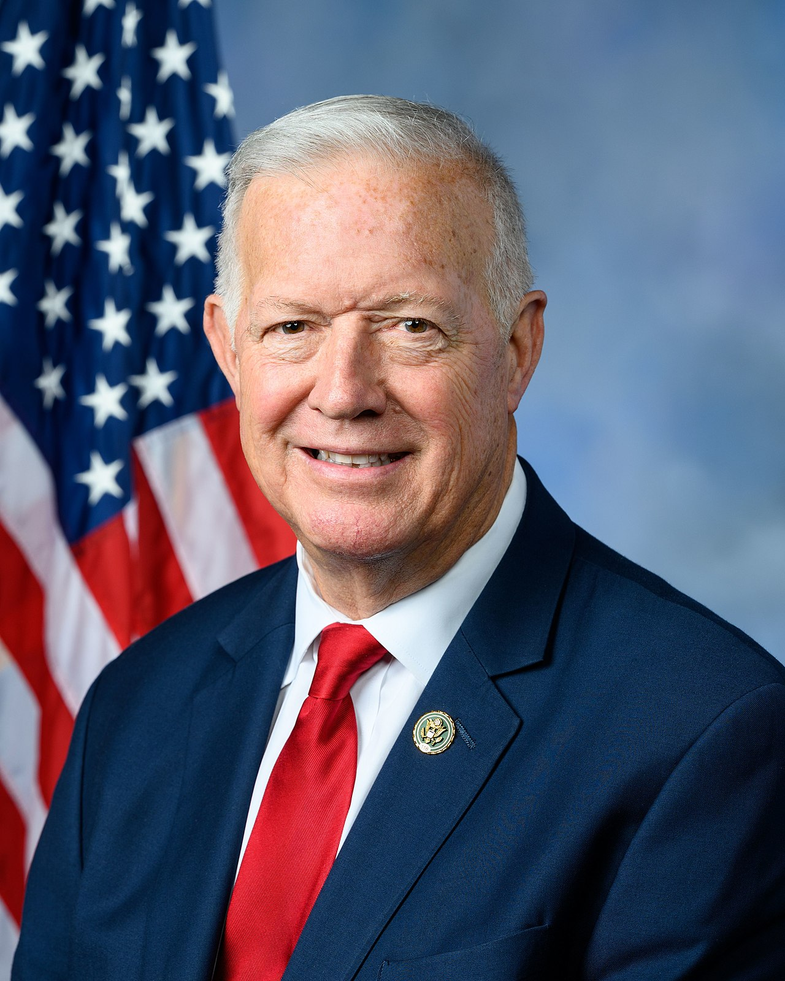
Co-Sponsor
-
TrackDaniel Webster
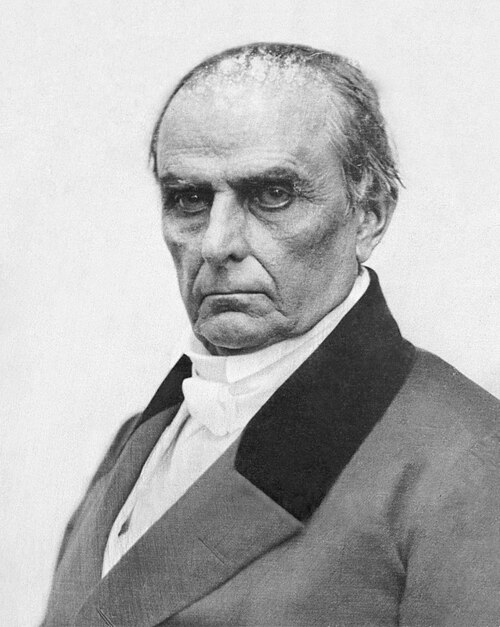
Co-Sponsor
Actions
2 actions
| Date | Action |
|---|---|
| Oct. 05, 2026 | Introduced in House |
| Oct. 05, 2026 | Referred to the House Committee on Science, Space, and Technology. |
Corporate Lobbying
0 companies lobbying
None found.
* Note that there can be significant delays in lobbying disclosures, and our data may be incomplete.
Potentially Relevant Congressional Stock Trades
No relevant congressional stock trades found.