
H.R. 10724: To amend title 11, United States Code, to clarify the rules for the exceptions to the discharge of the debt of an individual debtor, and for other purposes.
This bill would make a narrow change to bankruptcy law by clarifying when certain debts cannot be erased in an individual bankruptcy case.
What it changes
Under current law, some debts are not discharged, meaning the debtor still has to pay them even after bankruptcy. This bill would revise language in title 11 of the U.S. Code to make those exceptions clearer.
- It would state more clearly that debts obtained through false pretenses, false statements, or actual fraud are not dischargeable, except when the statement concerns the debtor’s or an insider’s financial condition.
- It would clarify that, for one of the fraud-related exceptions, the relevant “use” must be use by the debtor.
- It would reword the exception for debts involving fraud or defalcation while acting in a fiduciary capacity, embezzlement, or larceny so it is explicitly tied to conduct committed by the debtor.
Practical effect
In plain terms, the bill is meant to make it easier to tell which debts survive bankruptcy when a person is accused of dishonest conduct. It does not create a new bankruptcy system or broadly change who can file for bankruptcy; it mainly edits the wording of existing exceptions so courts and parties have clearer rules to follow.
Relevant Companies
None found
This is an AI-generated summary of the bill text. There may be mistakes.
Sponsors
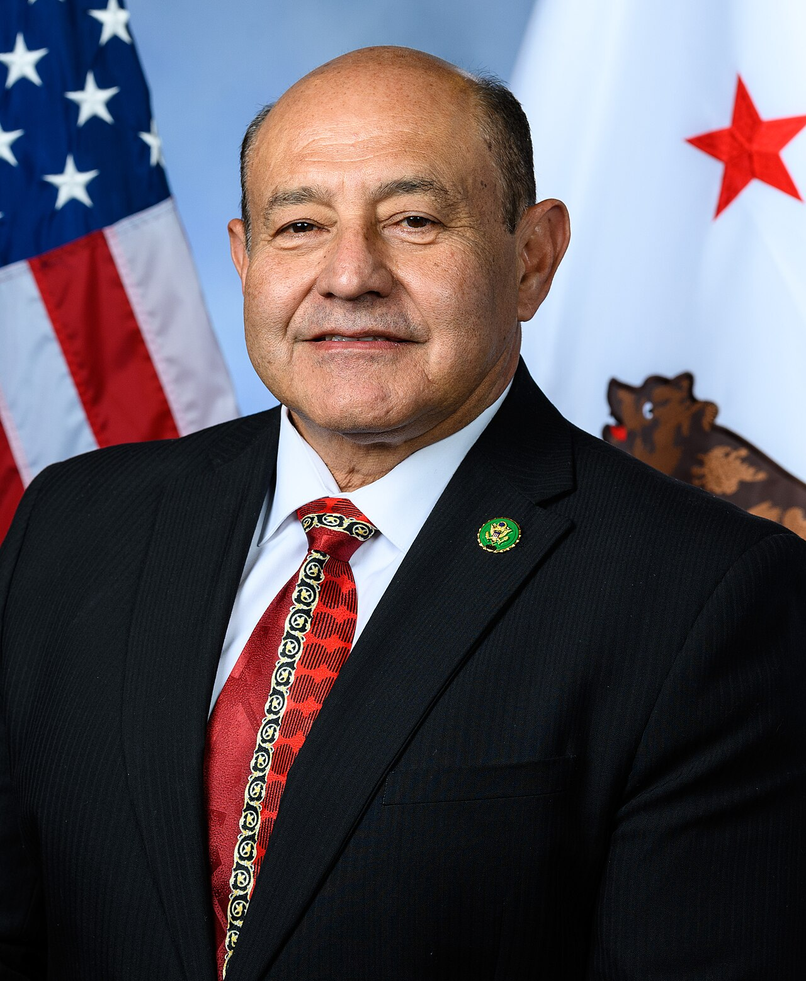
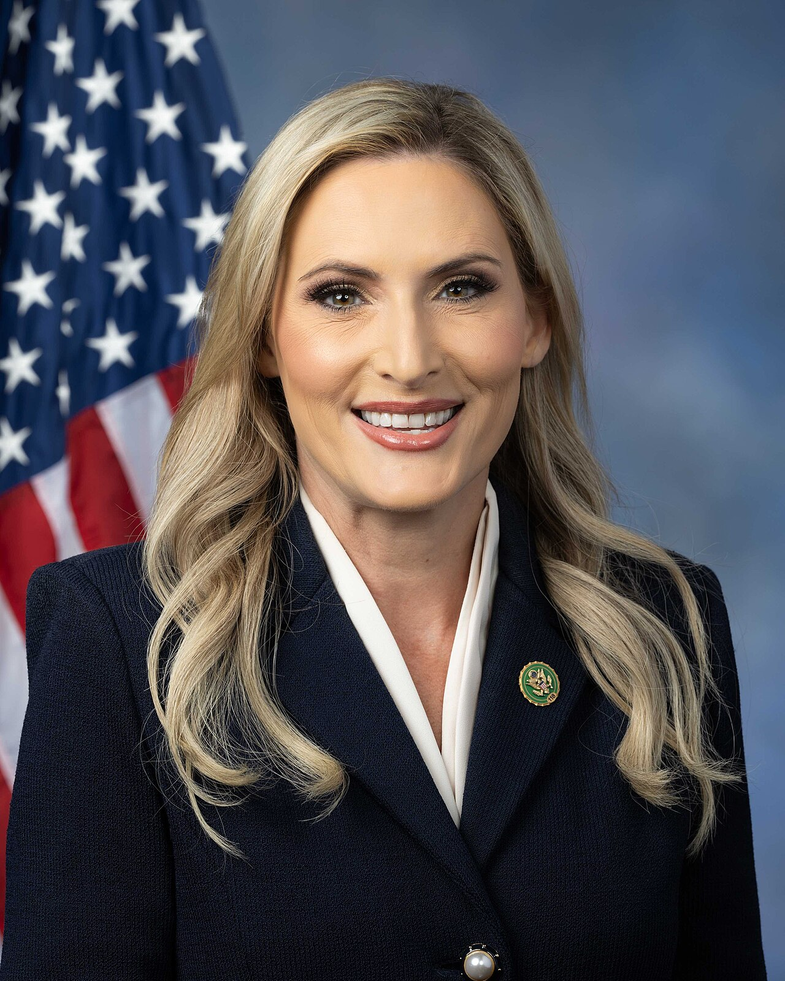
2 bill sponsors
Actions
2 actions
| Date | Action |
|---|---|
| Oct. 05, 2026 | Introduced in House |
| Oct. 05, 2026 | Referred to the House Committee on the Judiciary. |
Corporate Lobbying
0 companies lobbying
None found.
* Note that there can be significant delays in lobbying disclosures, and our data may be incomplete.
Potentially Relevant Congressional Stock Trades
No relevant congressional stock trades found.