H.R. 10712: First Responder Behavioral Health Access Act
This bill would create and fund a new federal pilot program aimed at supporting the mental and behavioral health of first responders and emergency communications workers.
What it changes
The bill amends an existing Public Health Service Act grant program so that qualified emergency response providers can be treated as eligible institutions. In practical terms, this means the program could support training, recruitment, and field placements for clinicians or behavioral health providers who work with first responder organizations.
For this bill, qualified emergency response providers would include:
- Emergency response providers such as firefighters, EMS personnel, and similar responders covered under federal law
- Public safety telecommunicators, such as 911 dispatchers
New 3-year pilot program
The bill would direct the Secretary of Health and Human Services to create a 3-year grant pilot program. The purpose is to help emergency response organizations support the behavioral health needs of their personnel.
Grants could be used for several things, including:
- Placing licensed or certified mental health clinicians within emergency response organizations to provide confidential counseling
- Creating peer-to-peer support programs for responders and telecommunicators
- Operating or managing those programs
- Training peer-to-peer behavioral health providers
How grants would be awarded
To apply, eligible entities would need to describe how they plan to use the money, what behavioral health programs they already have, and how the grant could improve outcomes in their service area.
The bill says the government should give priority to applicants serving emergency response providers that currently have fewer behavioral health resources and peer-support programs. It also directs the Secretary to spread the funding across different geographic areas in an equitable way.
Reporting requirements
After the pilot program ends, HHS would have to report to Congress within one year. The report would need to cover:
- Whether the program improved behavioral health outcomes
- How many peer-to-peer contacts occurred
- How many peer-to-peer behavioral health providers were trained
Who could apply
Eligible applicants would include:
- State, local, county, or regional public health departments
- Local, county, or regional behavioral health agencies
- Nonprofit organizations with experience helping first responders improve behavioral health outcomes
Funding
The bill authorizes $10 million per year for fiscal years 2027 through 2029 to carry out the act.
Relevant Companies
None found
This is an AI-generated summary of the bill text. There may be mistakes.
Sponsors
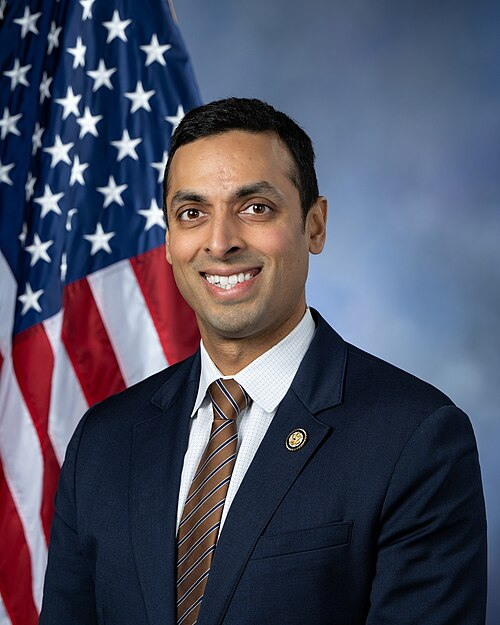
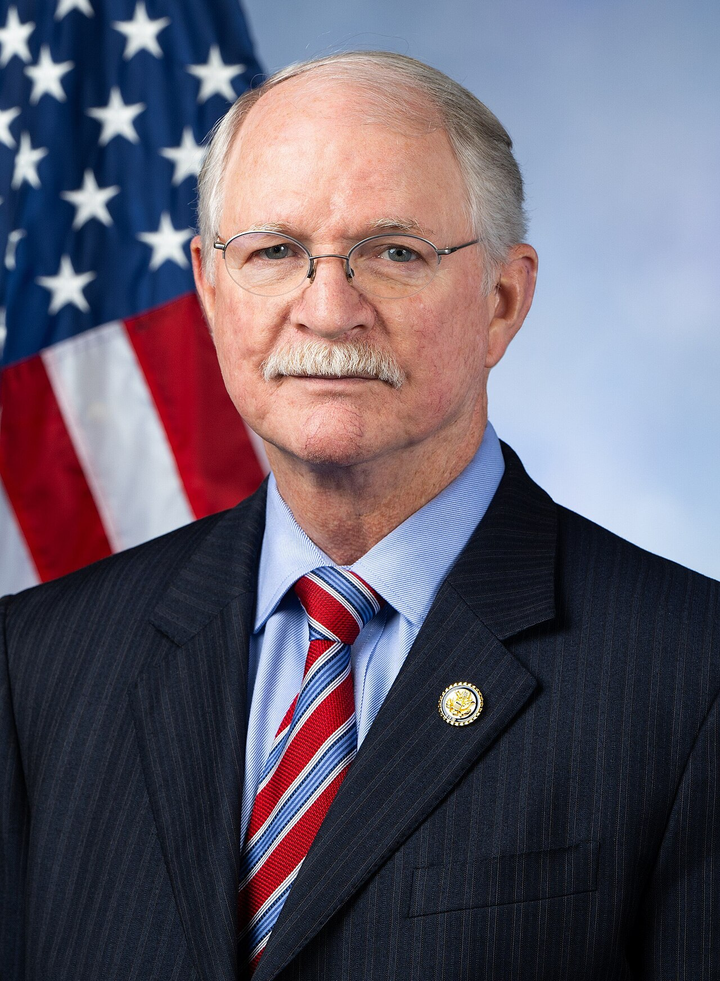
2 bill sponsors
Actions
2 actions
| Date | Action |
|---|---|
| Oct. 01, 2026 | Introduced in House |
| Oct. 01, 2026 | Referred to the House Committee on Energy and Commerce. |
Corporate Lobbying
0 companies lobbying
None found.
* Note that there can be significant delays in lobbying disclosures, and our data may be incomplete.
Potentially Relevant Congressional Stock Trades
No relevant congressional stock trades found.