
H.R. 10707: Internationally Trained Physicians Assistance Act of 2026
This bill would create federal grants for states to develop or expand programs that help certain foreign-trained doctors work in the United States while they are completing the steps needed for full medical licensure.
What the bill is trying to do
The bill is aimed at reducing barriers for immigrants and refugees who trained as physicians outside the U.S. and Canada. It notes that some states already have alternative licensing pathways to help address doctor shortages and improve access to care in underserved areas.
State grant program for supervised practice
The Secretary of Health and Human Services could give grants to states to set up or expand programs allowing eligible internationally trained physicians to provide patient care under the supervision of a fully licensed physician while they complete the three steps of the U.S. Medical Licensing Examination (USMLE).
States would decide how long this supervised practice period lasts. The bill does not create a single national pathway; instead, it encourages state-led programs.
Who would qualify
The bill defines an eligible internationally trained physician as someone who:
- Graduated from a medical school outside the United States or Canada, and
- Is either a lawful permanent resident, a refugee, an asylee, or otherwise authorized to work in the United States.
For this part of the bill, “state” also includes Washington, D.C., and U.S. territories.
Medicare residency cap exception
The bill would change Medicare rules so that certain internationally trained physicians in residency training would not count toward a hospital’s cap on the number of residents eligible for Medicare support.
This exception would apply only if the hospital:
- Has an agreement with a federally qualified health center or with a rural hospital where residents train;
- Is in a state that allows these physicians to practice under the bill’s supervised pathway; and
- Primarily serves medically underserved populations, as determined by the Secretary of Health and Human Services.
Study on broader residency cap changes
Within 180 days after enactment, the Secretary of Health and Human Services would have to send Congress a report studying whether the Medicare resident cap should be removed altogether.
Direct assistance for licensing and employment steps
The bill would also let HHS give grants to states to help internationally trained physicians while they are working through the USMLE steps. This assistance could include:
- Paying USMLE exam costs;
- Career counseling;
- Case management;
- English-as-a-second-language classes;
- Help verifying diplomas; and
- Test preparation courses.
Relevant Companies
None found
This is an AI-generated summary of the bill text. There may be mistakes.
Sponsors
2 bill sponsors
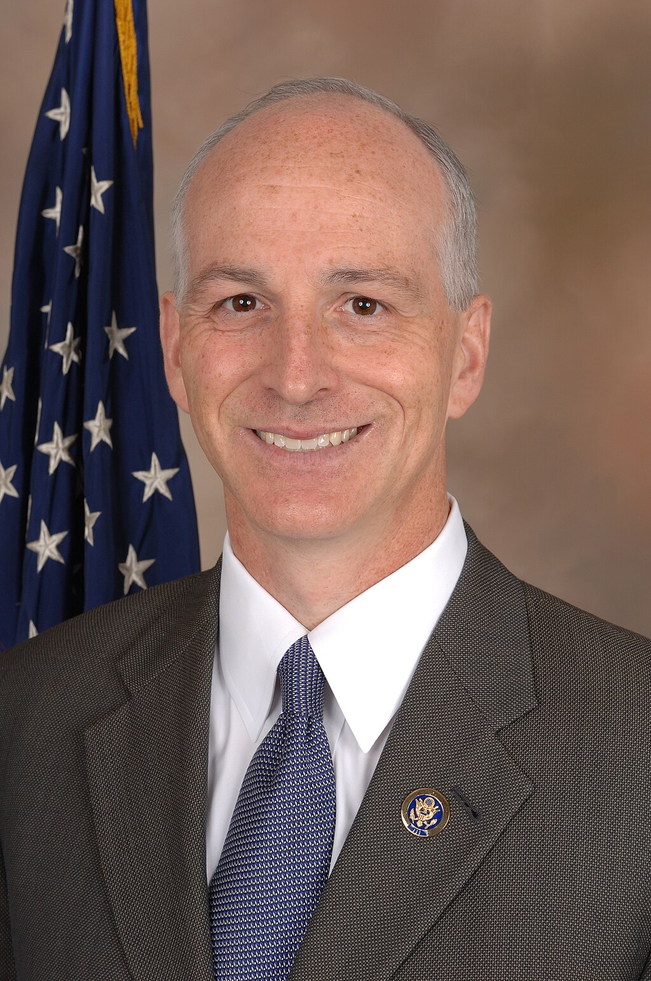
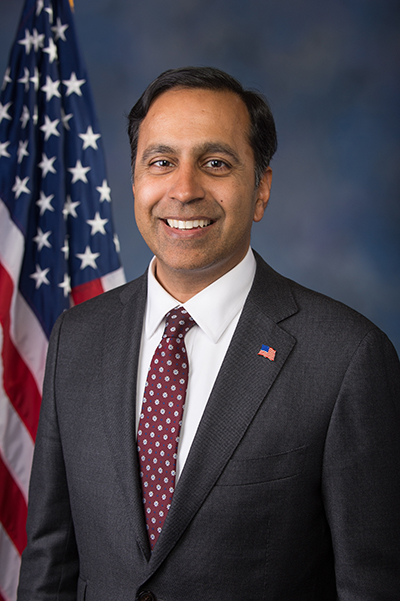
Actions
2 actions
| Date | Action |
|---|---|
| Oct. 01, 2026 | Introduced in House |
| Oct. 01, 2026 | Referred to the Committee on Energy and Commerce, and in addition to the Committee on Ways and Means, for a period to be subsequently determined by the Speaker, in each case for consideration of such provisions as fall within the jurisdiction of the committee concerned. |
Corporate Lobbying
0 companies lobbying
None found.
* Note that there can be significant delays in lobbying disclosures, and our data may be incomplete.
Potentially Relevant Congressional Stock Trades
No relevant congressional stock trades found.