
H.R. 10705: Stop SIM Box Scams Act
This bill would create a federal ban on “SIM boxes” and related tools used to route or disguise mobile communications. In plain terms, it targets devices, software, or services that let someone use multiple SIM cards or equivalent credentials in ways that hide where a call or text is really coming from, defeat caller ID traceback, or get around a mobile carrier’s rules and charging systems.
What would be prohibited
The bill would make it illegal, in interstate or foreign commerce, to:
- make, import, sell, lease, advertise, possess, use, or distribute a SIM box;
- reprogram or modify other equipment or software so it functions as a SIM box; or
- help another person do those things, including by knowingly allowing such activity on property you control.
What counts as a SIM box
The bill defines a SIM box broadly to include devices, equipment, software, systems, or services, including virtual or cloud-based ones, that are meant to:
- automatically pool, rotate, or use multiple SIMs or similar credentials to originate, route, forward, or terminate mobile communications;
- hide or misrepresent where calls or data come from;
- prevent caller identity authentication or traceback; or
- avoid a mobile provider’s lawful controls, such as interconnection agreements, access charges, or numbering policies.
Exceptions
The bill would not treat certain uses as SIM boxes, including:
- tools the FCC authorizes or licenses for a permitted purpose;
- equipment used only by federal, state, tribal, or local governments for official purposes;
- equipment used only in recognized testing labs that is not sold or offered to the public;
- equipment used by a mobile service provider for internal testing; and
- other uses the FCC later decides should be excluded.
FCC rulemaking and coordination
Within 180 days, the FCC would have to issue regulations to implement the law. Those rules would have to clarify the SIM box definition, publish lists of prohibited and permitted items and uses, and create procedures for manufacturers and distributors to show that a product is not covered because it qualifies for an exception.
The FCC would also have to coordinate with Homeland Security, Customs and Border Protection, the Justice Department, the FTC, state attorneys general, and other relevant agencies to help prevent importation, distribution, and use of SIM boxes and to support enforcement and training.
Enforcement
Each illegal SIM box, each modified item, and each day a violation continues could be treated as a separate violation. The FCC could issue temporary cease-and-desist orders requiring an immediate stop to prohibited activity, with the order lasting up to 180 days unless extended after notice and a hearing.
The bill would also let a mobile service provider that is harmed by a violation sue in federal court to stop the conduct, recover damages, or both. Courts could award attorney’s fees to the winning party.
Privacy and carrier cooperation
The bill would add a specific exception to the Communications Act’s customer-information rules so mobile providers may assist a federal agency with SIM box enforcement. It also includes a “safe harbor” stating that providers will not face liability for good-faith actions reasonably believed necessary to detect, locate, mitigate, or disrupt SIM box activity, including monitoring their systems or sharing information with agencies. At the same time, it says providers are not required to monitor their networks or share information, and the law does not remove other legal defenses they may have.
Other legal changes
The bill would also make items involved in violations subject to forfeiture under existing communications law. It says the new law would not limit other FCC powers related to caller ID, robocall mitigation, fraud, equipment authorization, numbering, critical infrastructure protection, radio spectrum monitoring, disaster response, or public safety communications. It would also prevent states from enforcing conflicting rules, while allowing stricter state limits that specifically concern SIM boxes as defined in the bill.
Relevant Companies
- None found
This is an AI-generated summary of the bill text. There may be mistakes.
Sponsors
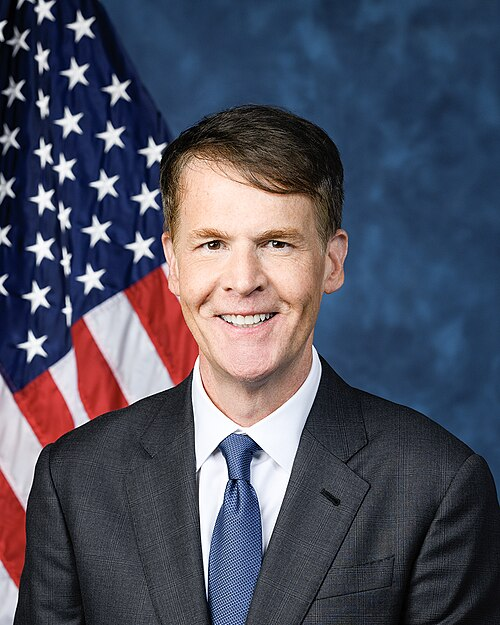
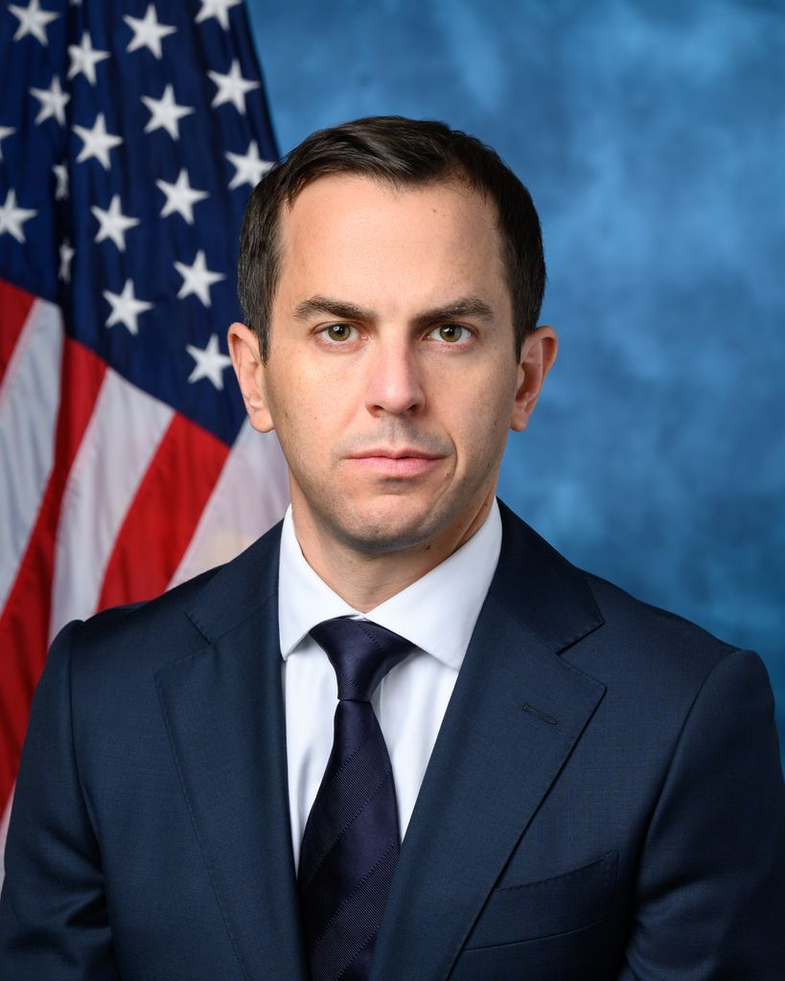
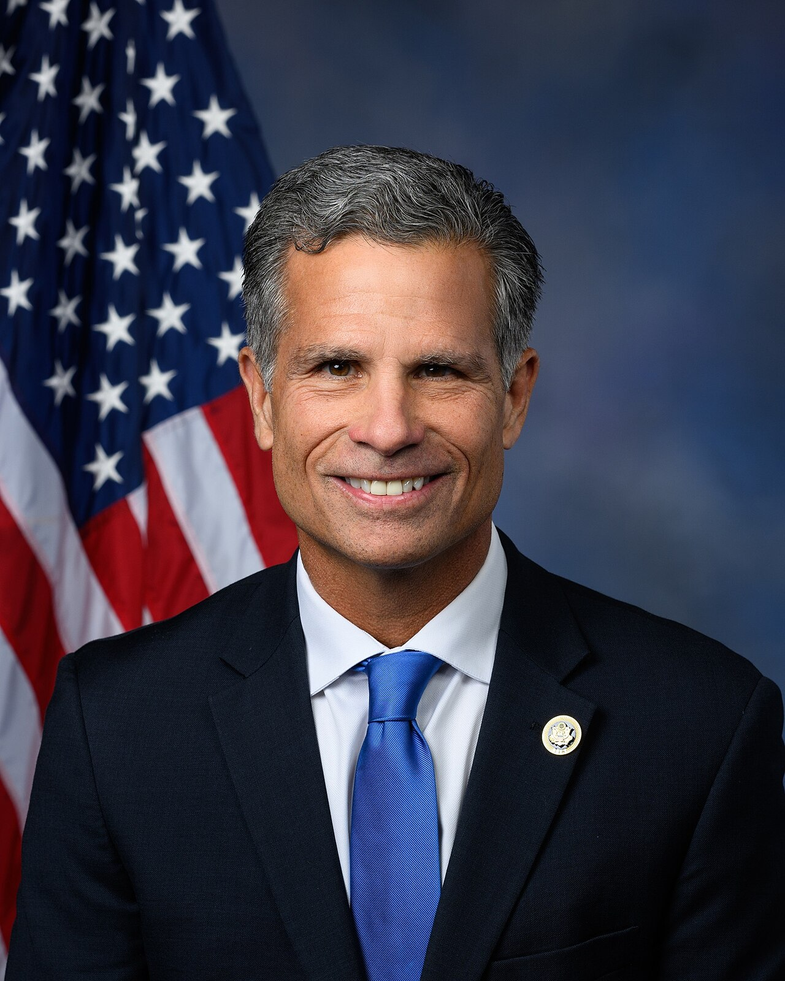
4 bill sponsors

Actions
2 actions
| Date | Action |
|---|---|
| Oct. 01, 2026 | Introduced in House |
| Oct. 01, 2026 | Referred to the House Committee on Energy and Commerce. |
Corporate Lobbying
0 companies lobbying
None found.
* Note that there can be significant delays in lobbying disclosures, and our data may be incomplete.
Potentially Relevant Congressional Stock Trades
No relevant congressional stock trades found.