
H.R. 10689: Remedial Education Improvement Act
This bill would create a new federal grant program to help colleges and other higher education institutions improve remedial education, which is the extra coursework some students take before college-level classes.
What the grant program would do
The U.S. Department of Education, working with the Institute of Education Sciences, would award competitive, five-year grants to eligible institutions or partnerships between colleges and K-12 school systems. Each grant would be at least $500,000.
The goal is to support or redesign remedial education programs so they better prepare students for postsecondary courses and help more students complete degrees or credentials.
What kinds of programs could be funded
Grant recipients would have to use the money for one or more of these approaches:
- Aligning high school and college coursework so students are better prepared before entering college.
- Accelerated remedial coursework that shortens the time students spend in remediation or allows them to move through more than one remedial course in a semester.
- Modular instruction that focuses on specific skills students need, rather than broader courses.
- Co-requisite models that let students take remedial support at the same time as college-level courses.
- Broader support programs that combine academic help with tutoring, advising, and sometimes financial supports.
How schools would be selected and evaluated
Applicants would need to explain how they will use the grant, how they will identify students for remedial education using more than two measures, how they consulted with stakeholders, how they will sustain the program after the grant ends, and how they will track results.
The bill requires an independent evaluator to help advise on grant selection and to study how well the funded programs work. The Department of Education would also have to collect detailed student-level data and publish reports on the programs’ results.
Reporting and data requirements
The bill would require information on things like:
- how many students enroll in remedial programs,
- how long they stay in them,
- how many complete them,
- whether they later take college-level courses,
- whether they earn credentials, and
- whether they finish within 150% of normal program time.
This data would be broken down by categories such as race, gender, income status, Pell Grant eligibility, first-generation status, veteran or active-duty status, and disability status. The bill also includes privacy restrictions on personally identifiable information.
Funding rules
Grants would generally require a 10% non-federal match, though tribal colleges and certain institutions in U.S. territories and associated states would be exempt from that match requirement.
The bill says the grants must supplement, not replace, existing funding.
Student aid eligibility
The bill would let students receive federal loans or grants for up to two academic years while enrolled in a remedial education program under this section.
Authorized funding
The bill authorizes $162.5 million for fiscal year 2027 and each of the five following fiscal years to carry out the program.
Other change
The bill also makes a narrow change to the Higher Education Act’s student unit record ban so that the new remedial education program can function with the required data collection and evaluation.
Relevant Companies
None found
This is an AI-generated summary of the bill text. There may be mistakes.
Sponsors
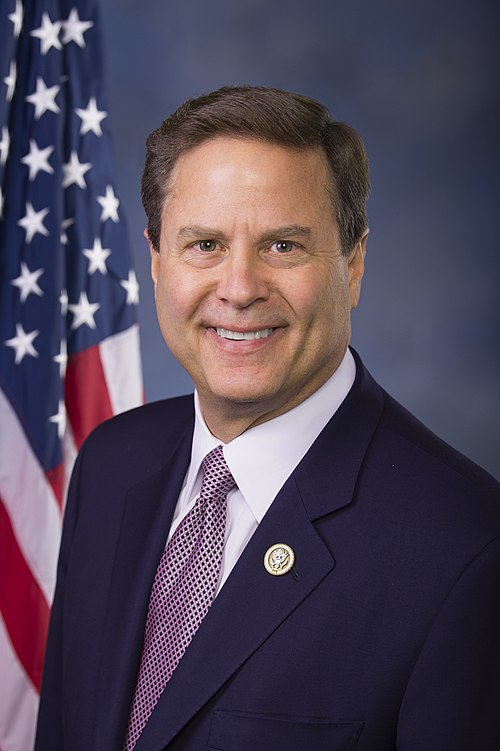
1 sponsor
Actions
2 actions
| Date | Action |
|---|---|
| Oct. 01, 2026 | Introduced in House |
| Oct. 01, 2026 | Referred to the House Committee on Education and Workforce. |
Corporate Lobbying
0 companies lobbying
None found.
* Note that there can be significant delays in lobbying disclosures, and our data may be incomplete.
Potentially Relevant Congressional Stock Trades
No relevant congressional stock trades found.