
H.R. 10688: Family Stability and Opportunity Vouchers Act of 2026
This bill would create a new housing voucher program called Family Stability and Opportunity Vouchers for families with children who are homeless, unstably housed, living in high-poverty areas, or at risk of being displaced from neighborhoods considered good places for children.
What the new vouchers would do
The bill would let the federal government give public housing agencies competitive grants to provide:
- New vouchers for eligible families; and
- Extra funding for services that help families move to neighborhoods with better opportunities for children.
These vouchers would be aimed at helping families move to areas with access to either:
- high-performing schools, or
- high-quality child care and early education.
Who could qualify
An eligible family would generally be one that:
- is expecting a child through birth or adoption within the next 300 days, or has at least one child under age 6;
- meets the program’s other eligibility rules; and
- is homeless, unstably housed, living in a high-poverty area, or at risk of being displaced from an “opportunity area for children.”
The bill defines “unstably housed” to include families who are at risk of homelessness, have moved at least twice in the past year, live in housing that is not accessible to a family member with a disability, are fleeing or experiencing serious violence-related danger, or are living in dangerous or life-threatening conditions.
Services and support
Public housing agencies that receive funds under this program would have to offer mobility-related services to help families move successfully to opportunity areas. These services could include customized counseling and follow-up support. Families could not be forced to use these services as a condition of getting a voucher.
The Department of Housing and Urban Development would set the minimum types of services and policies agencies must offer, and would also define which schools, child care programs, and neighborhoods qualify under the program.
How the program would be run
Agencies would receive funds through a competitive process. Starting in later years, the Secretary of Housing and Urban Development would consider how well agencies are carrying out the program and would give preference to agencies that work with organizations providing home visiting services, if those services are available locally.
If a voucher becomes available again after a family stops using it, the agency would have to give it to another eligible family. If an agency does not use its funding within a reasonable time, the Secretary could take back and reassign the unused money to other agencies.
The bill would require HUD to publish implementation details within 180 days after enactment. It would also set a timeline for distributing funds after they are appropriated.
Funding
The bill would authorize whatever money is needed for fiscal years 2027 through 2032 to support up to 50,000 vouchers per year, plus administrative and mobility-service costs.
Relevant Companies
None found
This is an AI-generated summary of the bill text. There may be mistakes.
Sponsors
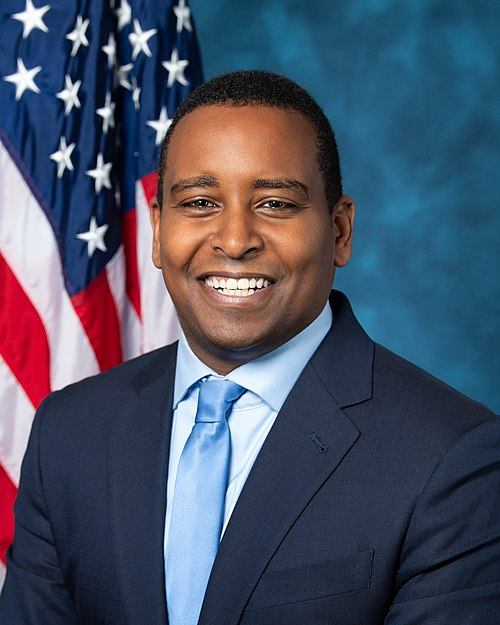
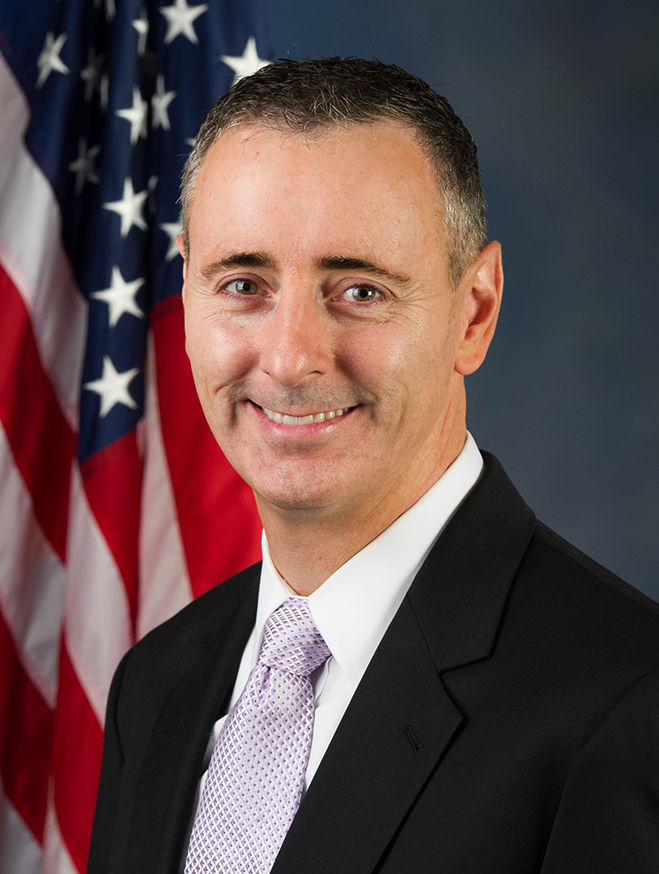
2 bill sponsors
Actions
2 actions
| Date | Action |
|---|---|
| Oct. 01, 2026 | Introduced in House |
| Oct. 01, 2026 | Referred to the House Committee on Financial Services. |
Corporate Lobbying
0 companies lobbying
None found.
* Note that there can be significant delays in lobbying disclosures, and our data may be incomplete.
Potentially Relevant Congressional Stock Trades
No relevant congressional stock trades found.