H.R. 10684: DOE Bioenergy Program Reauthorization Act
This bill would reauthorize and expand the Department of Energy’s bioenergy program. In plain terms, it would direct DOE to continue funding research and development aimed at turning plants, agricultural residues, waste, and other biological materials into fuels, chemicals, materials, and electricity.
What the program would cover
The bill defines a number of terms broadly, but the main idea is to support work involving:
- Biomass and waste streams as feedstocks
- Biofuels, including advanced transportation fuels
- Biobased chemicals and materials
- Biomanufacturing and biorefineries
- Bioenergy and biopower
- “Circular bioeconomy” activities that reuse biological and waste-based materials
It would require DOE to run a program for research, development, demonstration, and commercial application in these areas. The program would focus on things like:
- Finding and solving technical problems that limit the use of biomass and waste-based feedstocks
- Improving technologies that convert biomass into fuel, chemicals, or intermediate products
- Testing and scaling up new processes
- Using data, modeling, and analysis to measure environmental and economic effects
- Studying sustainability impacts, including effects on agriculture and forestry systems
- Supporting workforce training and career development
- Coordinating with other federal agencies, universities, labs, and industry
Facilities and commercialization
The bill would require DOE to support at least four small-scale process development or scale-up facilities within two years. These facilities would help researchers, companies, and agricultural stakeholders test bioenergy technologies and produce small amounts of advanced fuels or products for evaluation.
DOE would also have to issue a request for information within 90 days to assess existing facilities, best practices, and gaps in the current system.
The bill would create an incubator-style grant and cooperative agreement program for innovative technologies that are not already well represented in DOE’s current bioenergy portfolio or roadmaps.
Biorefinery demonstrations
The bill would direct DOE to run a demonstration program for integrated biorefineries. These are facilities that convert biomass into fuels, chemicals, intermediate products, or energy. DOE would be required to seek proposals within six months and select projects that are expected to become profitable without direct federal operating subsidies after construction costs are covered.
The demonstrations would be encouraged to include:
- Different types of feedstocks
- Liquid transportation fuels
- Biobased chemicals
- Biointermediates
- Substitutes for petroleum-based products
- Electricity or useful heat
- Advanced manufacturing tools such as automation, sensors, and digital modeling
University biodiesel program
The bill would establish a demonstration program at colleges and universities to test diesel-electric generators using biodiesel blends, including blends as high as B100. DOE would study performance factors such as fuel reliability, cold-weather operation, and storage stability.
Planning, reporting, and coordination
Within one year, DOE would have to create a strategic plan for the program and update it annually. The plan would cover short-, medium-, and long-term research goals. DOE would also need to report publicly to Congress at least every two years on progress and findings.
The bill would also require coordination with a range of entities, including other federal agencies, national laboratories, universities, historically Black colleges and universities, minority-serving institutions, Tribal Colleges and Universities, tribal governments, rural stakeholders, nonprofit organizations, and international bodies with relevant expertise.
Funding
The bill authorizes appropriations for the program of:
- $318.15 million for fiscal year 2027
- $334.06 million for fiscal year 2028
- $350.76 million for fiscal year 2029
- $368.30 million for fiscal year 2030
- $368.71 million for fiscal year 2031
Relevant Companies
- DAR — Darling Ingredients Inc. could be affected because the bill supports converting waste streams into fuels and chemicals, an area that may involve feedstocks and processing relevant to its business.
- GPRE — Green Plains Inc. could be affected by expanded support for biofuels research, development, and demonstration.
- AMTX — Aemetis, Inc. could be affected by federal support for advanced biofuels and biorefinery demonstration projects.
- GEVO — Gevo, Inc. could be affected by increased federal activity around sustainable aviation fuel, biofuels, and biobased product commercialization.
- MEOH — Methanex Corporation could be indirectly affected if the bill increases development of renewable chemicals and alternative feedstocks used in chemical production markets.
This is an AI-generated summary of the bill text. There may be mistakes.
Sponsors
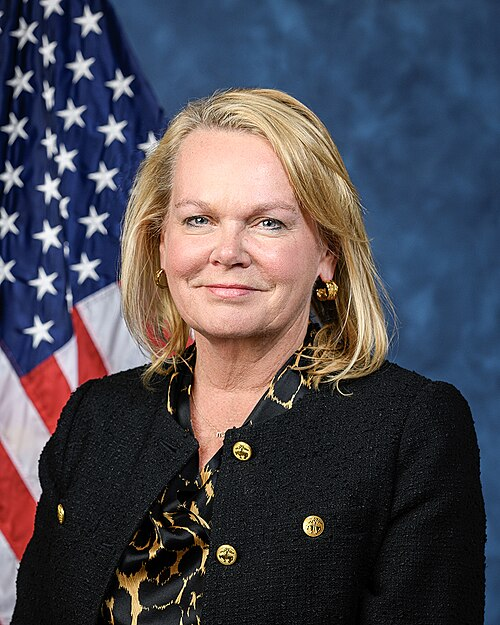
3 bill sponsors


Actions
2 actions
| Date | Action |
|---|---|
| Oct. 01, 2026 | Introduced in House |
| Oct. 01, 2026 | Referred to the House Committee on Science, Space, and Technology. |
Corporate Lobbying
0 companies lobbying
None found.
* Note that there can be significant delays in lobbying disclosures, and our data may be incomplete.
Potentially Relevant Congressional Stock Trades
No relevant congressional stock trades found.