
H.R. 10661: Beyond the Box for Higher Education Act of 2026
This bill would direct the U.S. Department of Education to give colleges and universities guidance on removing criminal and juvenile justice questions from admissions applications. In plain terms, it would encourage schools to stop asking about an applicant’s arrest, conviction, or juvenile record at the point of applying, and instead review whether those questions are actually needed for admission decisions.
What the Department of Education would have to do
- Issue guidance and recommendations to colleges on how to take criminal and juvenile justice questions off admissions forms.
- Work with the Department of Justice and community stakeholders when developing that guidance.
- Use federal funds to provide training and technical assistance to schools that want to update their policies.
- Create a resource center with best practices and research related to students with criminal or juvenile justice histories.
What the guidance would encourage colleges to do
The bill does not directly ban colleges from asking these questions, but it would recommend that schools:
- Decide whether criminal or juvenile justice information is truly necessary for admission decisions.
- If such questions are still needed for some purposes, limit them to the specific parts of the college process where they are relevant.
- Ask questions clearly and narrowly, and explain early in the process how applicants should respond.
- Make clear, when questions are asked outside admissions, that answering them may not affect enrollment decisions.
- Give applicants a chance to explain their history and show their readiness for college.
- Train staff on how to use this information appropriately, including privacy protections and the limits or biases that may affect these records.
If a college keeps asking about this history
If a school decides it still needs to ask about criminal or juvenile justice history as part of admissions, the bill would recommend that it:
- Wait until after an admissions decision is made before requesting or considering that information, to avoid discouraging applicants.
- Give written notice and justification within 30 days if an application is denied or rescinded solely because of that history.
- Use specific, narrowly focused questions.
- Allow applicants to explain their circumstances and preparedness for college.
- Train admissions, registrar, and other relevant staff on proper use of the information, privacy, and limitations.
Training for college staff
The bill would also support training for various campus staff, including admissions and financial aid personnel, registrars, academic counselors, housing staff, student life staff, and career counselors. That training would cover:
- How to evaluate applicants if a school still collects this information.
- How to avoid using proxy questions or substitute factors when a school no longer asks directly.
- How to help formerly incarcerated or adjudicated students access work-study or campus jobs.
- How to support enrolled students who have criminal or juvenile justice histories.
- How to provide career guidance about job or licensing barriers and how to respond to them.
Bottom line
The bill would mainly promote a “remove the box” approach in higher education admissions by encouraging colleges to stop asking about criminal or juvenile justice history on applications, or to limit those questions to later or more specific parts of the process. It would also direct the federal government to help schools adopt related policies, train staff, and share best practices.
Relevant Companies
None found
This is an AI-generated summary of the bill text. There may be mistakes.
Sponsors
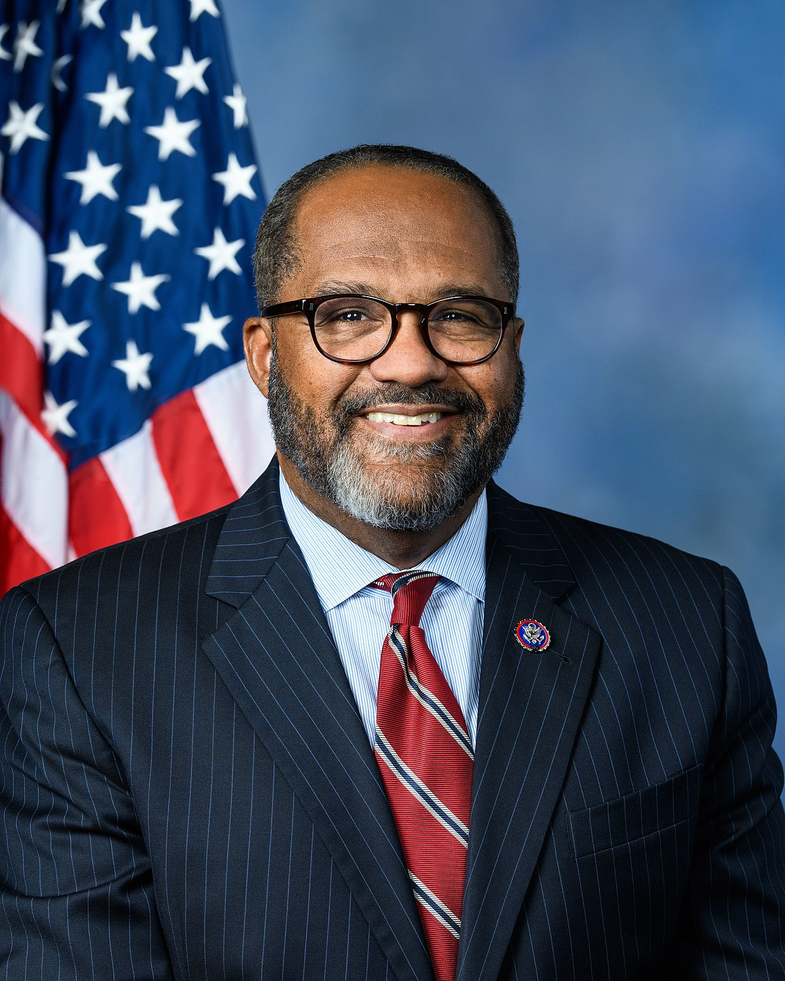
2 bill sponsors

Actions
2 actions
| Date | Action |
|---|---|
| Oct. 01, 2026 | Introduced in House |
| Oct. 01, 2026 | Referred to the House Committee on Education and Workforce. |
Corporate Lobbying
0 companies lobbying
None found.
* Note that there can be significant delays in lobbying disclosures, and our data may be incomplete.
Potentially Relevant Congressional Stock Trades
No relevant congressional stock trades found.