
H.R. 10655: VA Medicinal Cannabis Research Act of 2026
This bill would direct the Department of Veterans Affairs (VA) to study how cannabis use affects health outcomes for covered veterans—that is, veterans enrolled in VA health care—who have chronic pain or post-traumatic stress disorder (PTSD).
What the VA would have to do
- Carry out a large-scale observational study using VA health records, benefits data, interviews, and open-ended surveys.
- Look at both positive and negative outcomes of cannabis use.
- Study topics such as:
- changes in opioid, benzodiazepine, alcohol, and other medication use;
- substance use disorders;
- sleep quality;
- pain levels and pain-related outcomes;
- agitation;
- quality of life;
- mortality, illness, and hospital readmissions;
- new or worsened health conditions, including mental health conditions.
- For PTSD specifically, evaluate symptoms using standard PTSD assessment tools, plus mood, anxiety, social functioning, suicidal thoughts, and sleep issues like nightmares and night terrors.
Timeline for the study
- The VA would have to begin the study within 180 days of enactment.
- The study would run for 18 months.
- Within 90 days after the study ends, the VA would have to report the results to Congress.
- That report would also say whether the VA is ready to move forward with clinical trials.
Possible clinical trials
If the VA says it is able to meet the required standards, the bill would require the VA to begin a series of clinical trials within 180 days after that report.
- The trials would test cannabis that is appropriate for investigational use under FDA rules.
- The VA would study different forms of cannabis, including whole plant material and extracts, and could study different ways of using it.
- The trials would include different cannabis plant types with varying ratios of THC to CBD.
- The VA could also do a longer-term follow-up study of trial participants.
What the trials would measure
For veterans with chronic pain, the trials could examine effects on pain, opioid and benzodiazepine use, alcohol use, substance use disorders, inflammation, sleep, agitation, quality of life, mental health, and suicidal thoughts. For veterans with PTSD, the trials would examine PTSD symptoms, benzodiazepine and alcohol use, substance use disorders, mood, anxiety, social functioning, agitation, suicidal thoughts, and sleep quality, including nightmares and night terrors.
Reporting requirements
- During the first five years after clinical trials begin, the VA would have to send at least annual progress reports to Congress.
- Within one year after that five-year period ends, the VA would have to send a final report.
How the study and trials would be handled
- The VA would need to make sure the participants reflect the demographics of the veteran population.
- Data collected would have to be preserved so it can support future research.
- Study data would have to be anonymized so it cannot be traced back to individual patients.
- Participating veterans would not lose eligibility for other VA or federal benefits because of participation.
- The bill would not change existing federal drug or health laws, or FDA/HHS authority over cannabis-related rules.
Relevant Companies
None found.
This is an AI-generated summary of the bill text. There may be mistakes.
Sponsors
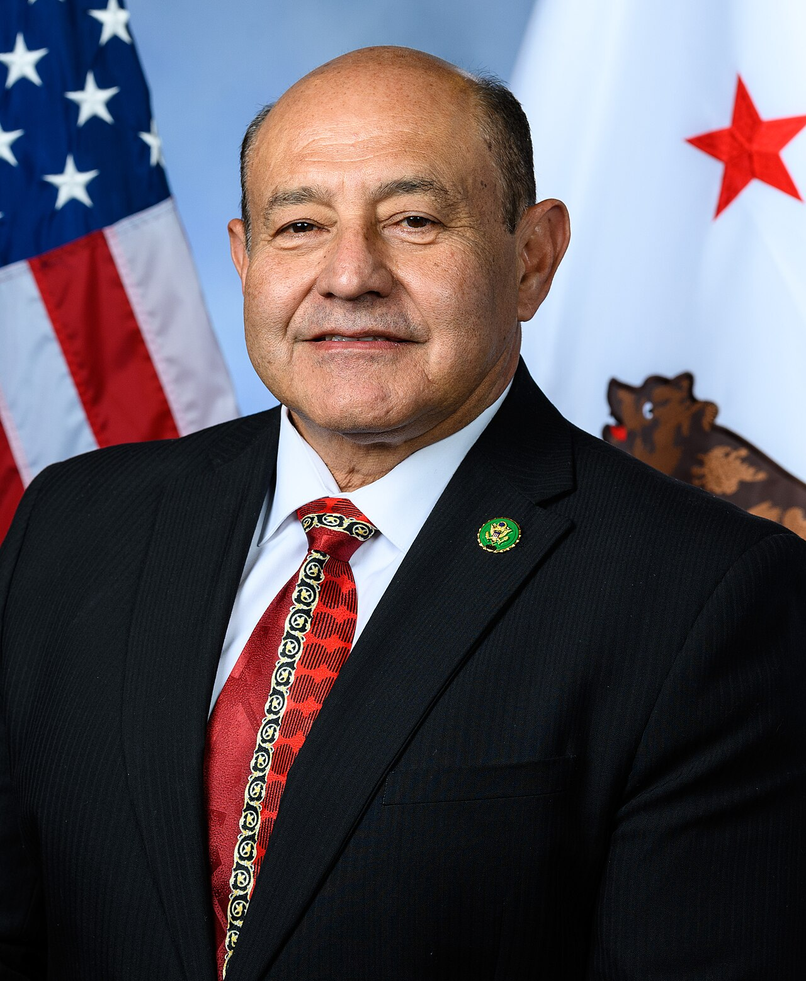
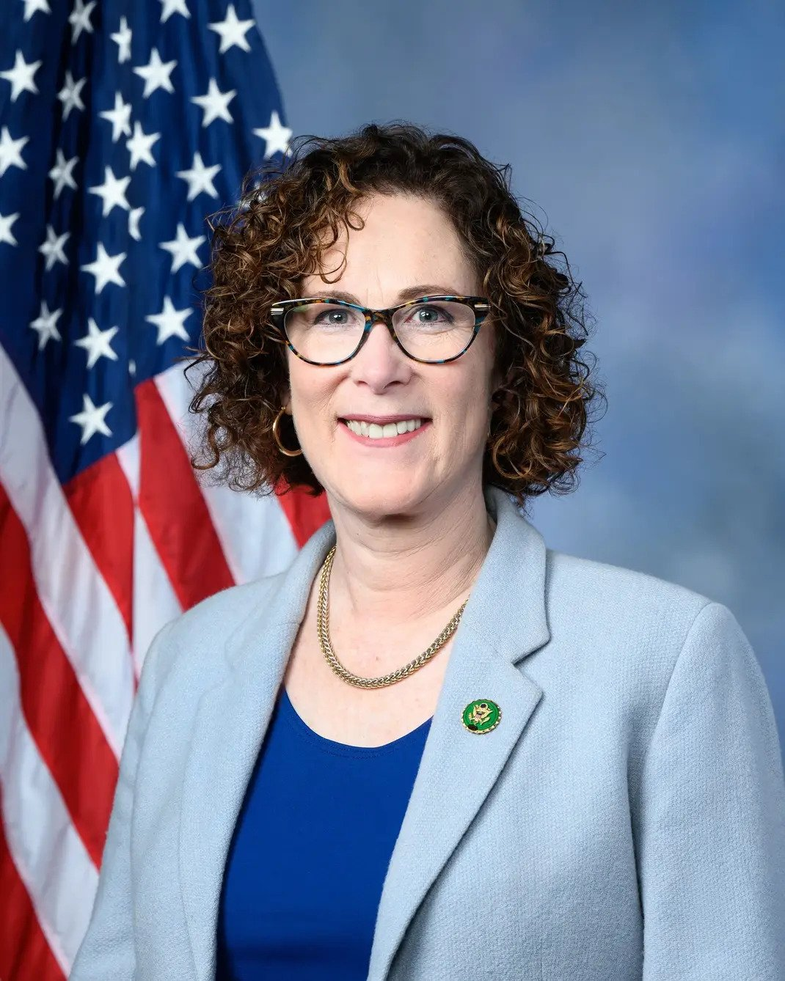
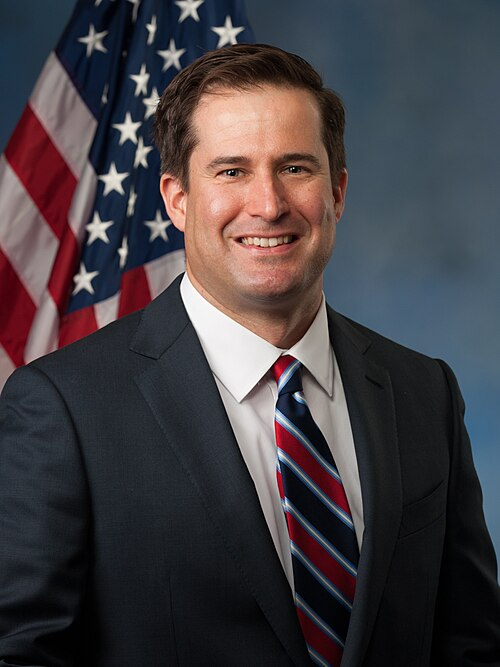
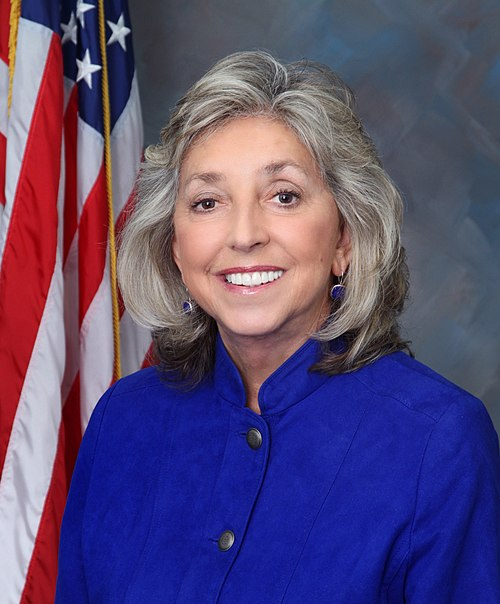
5 bill sponsors

Actions
2 actions
| Date | Action |
|---|---|
| Oct. 01, 2026 | Introduced in House |
| Oct. 01, 2026 | Referred to the House Committee on Veterans' Affairs. |
Corporate Lobbying
0 companies lobbying
None found.
* Note that there can be significant delays in lobbying disclosures, and our data may be incomplete.
Potentially Relevant Congressional Stock Trades
No relevant congressional stock trades found.