
H.R. 10641: Employee and Retiree Access to Justice Act
This bill would change rules under the Employee Retirement Income Security Act of 1974 (ERISA) to limit the use of arbitration and certain other contract terms in disputes involving employee benefit plans, such as retirement or health plans.
What it would generally prohibit
- Mandatory arbitration before a dispute exists: A plan, employer, or plan administrator could not require participants or beneficiaries to agree in advance to arbitrate future disputes about the plan.
- Forced arbitration after a dispute arises: A post-dispute arbitration agreement would only be enforceable if it is truly voluntary and meets several conditions.
- Class action, collective action, and representation waivers: The bill would make unenforceable provisions that prevent a participant or beneficiary from bringing, joining, or supporting individual, class, representative, or collective claims under ERISA-related law.
- Discretionary clauses: For plans other than multiemployer plans, it would bar clauses that give a person discretionary authority over benefit decisions or interpretation of plan language if those clauses would limit a court’s review to anything other than de novo review.
What would be required for a post-dispute arbitration agreement to be valid
After a dispute has already arisen, arbitration could still be used only if:
- the agreement was not required, coerced, or made a condition of participation or benefits;
- the participant or beneficiary received a paper notice explaining the right to refuse without retaliation;
- the person had at least 45 days to consider the final text and notice; and
- the person gave written affirmative consent.
How disputes would be handled
- Questions about whether an arbitration clause is valid and enforceable would be decided by a court, not by an arbitrator.
- The bill says a dispute is considered to arise only when the plaintiff has actual knowledge of the alleged breach or violation.
Other definitions and scope
The bill applies to documents, instruments, or agreements related to a plan or plan benefit, whether they are in the plan document itself or in a separate agreement. It also defines certain terms, such as “covered person” to include plans, plan sponsors, employers, and people hired to administer or operate a plan.
Regulations and timing
- The Secretary of Labor could issue regulations to implement the law, including rules for the required notices.
- The changes would take effect on the date the bill becomes law and would apply to disputes or claims arising on or after that date, even if earlier plan documents contain conflicting terms.
- Plan documents would get a one-year transition period before a violation could be based solely on not yet updating the written documents, so long as the plan is following the new rules in practice during that time.
Relevant Companies
None found
This is an AI-generated summary of the bill text. There may be mistakes.
Sponsors
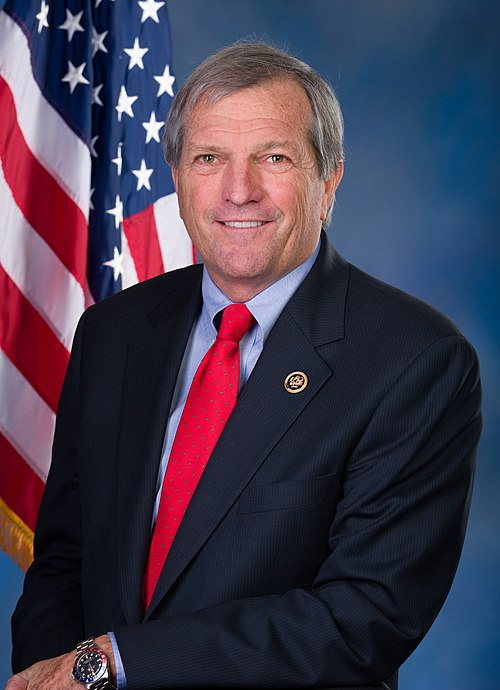
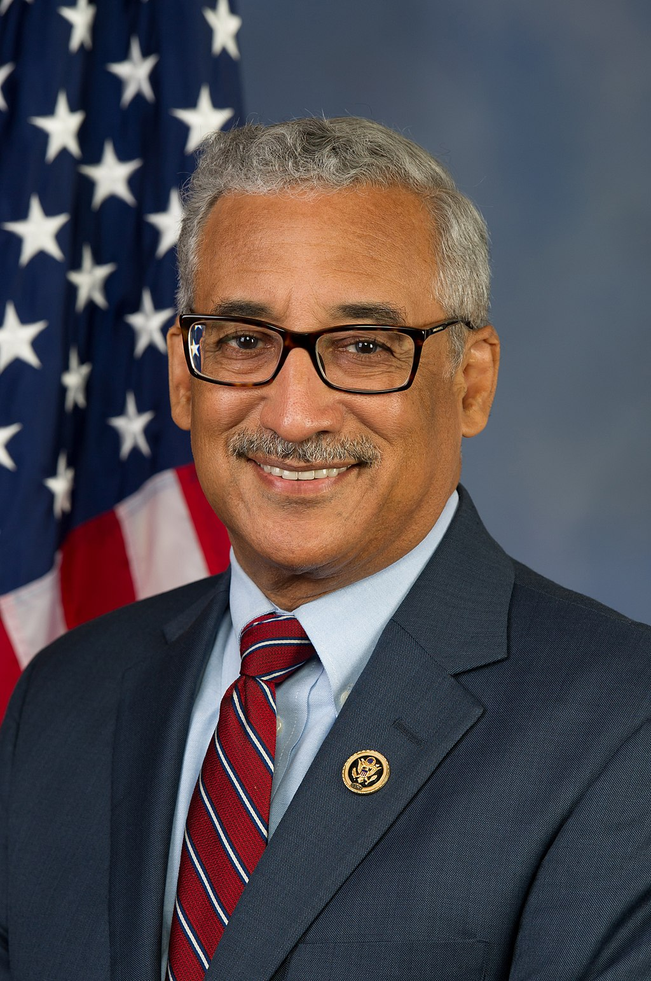
2 bill sponsors
Actions
2 actions
| Date | Action |
|---|---|
| Oct. 01, 2026 | Introduced in House |
| Oct. 01, 2026 | Referred to the House Committee on Education and Workforce. |
Corporate Lobbying
0 companies lobbying
None found.
* Note that there can be significant delays in lobbying disclosures, and our data may be incomplete.
Potentially Relevant Congressional Stock Trades
No relevant congressional stock trades found.