
H.R. 10640: Urban Health Transformation Act of 2026
This bill would create a new federal grant program called the Urban Health Transformation Program within the Social Security Act, administered by the Centers for Medicare & Medicaid Services (CMS).
What the program does
The program would give money to states so they can support health care in large urban areas. To qualify, a state would have to submit a plan to CMS explaining how it would use the money to improve access to care and health outcomes for people living in cities with populations of 1 million or more.
The state’s plan would need to focus on at least three allowed activities, such as:
- improving prevention and chronic disease management;
- paying health care providers for certain services;
- supporting technology-based tools for patients and providers;
- training and technical help for technologies like remote monitoring, robotics, and artificial intelligence;
- recruiting and keeping doctors, nurses, and other clinical workers in urban areas;
- upgrading information technology and cybersecurity;
- helping communities adjust the mix of services offered by hospitals and other facilities;
- expanding access to opioid use disorder treatment, substance use disorder treatment, and mental health services;
- supporting value-based care and alternative payment models.
Who could receive funds
States, the District of Columbia, Puerto Rico, Guam, the Virgin Islands, the Northern Mariana Islands, and American Samoa could apply. The bill also defines the types of facilities and providers that count as “urban health facilities,” including certain hospitals, federally qualified health centers, community mental health centers, opioid treatment programs, substance use disorder treatment programs, and certified community behavioral health clinics in urban areas.
How the money would be distributed
The bill would appropriate $10 billion per year for fiscal years 2027 through 2031, for a total of up to $50 billion. Half of each year’s money would be divided equally among the approved states, and the other half would be distributed based on factors such as:
- how much of the state’s population lives in urban areas;
- how many urban health facilities are in the state compared with other states;
- other factors CMS considers appropriate.
At least one-quarter of the approved states would have to receive funds from the portion distributed based on these factors. States would not have to provide matching funds.
Limits and oversight
States could use no more than 10% of their allotment for administrative costs. They would also have to submit annual reports. CMS would be allowed to withhold, reduce, or recover funds if a state uses the money in a way that does not match its approved plan.
Funds would generally be available through the end of the next fiscal year, and any unspent money left over by October 1, 2033, would go back to the Treasury.
Implementation funding
The bill would also provide $200 million in fiscal year 2026 for CMS to carry out the program and its related changes, available until spent.
Relevant Companies
None found.
This is an AI-generated summary of the bill text. There may be mistakes.
Sponsors
13 bill sponsors
-
TrackMaxine Waters
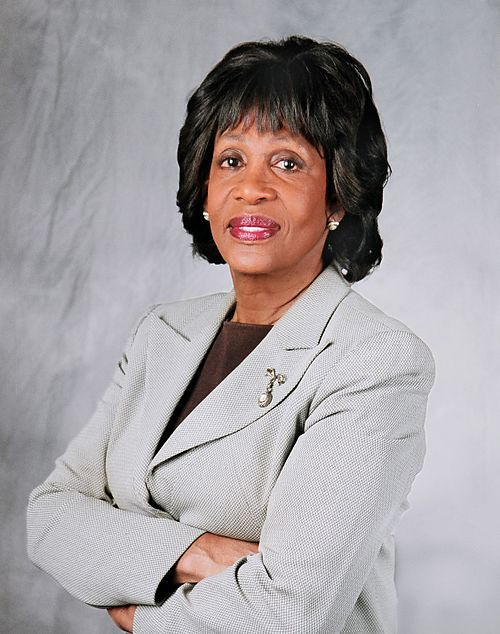
Sponsor
-
TrackWesley Bell
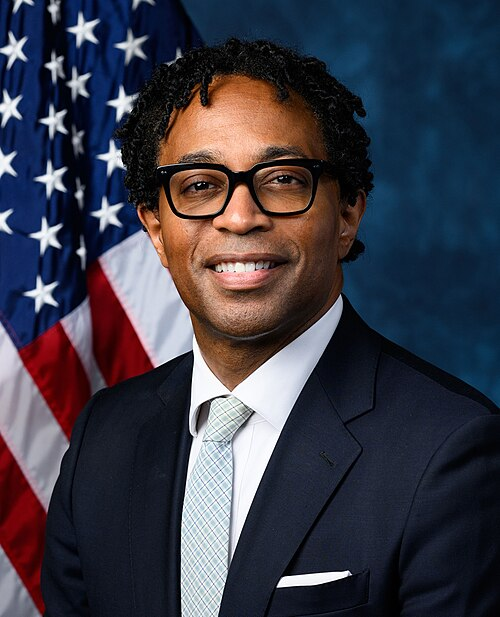
Co-Sponsor
-
TrackAndré Carson
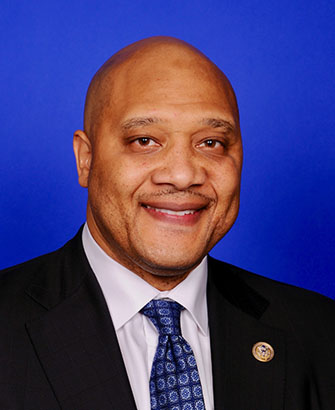
Co-Sponsor
-
TrackYvette D. Clarke
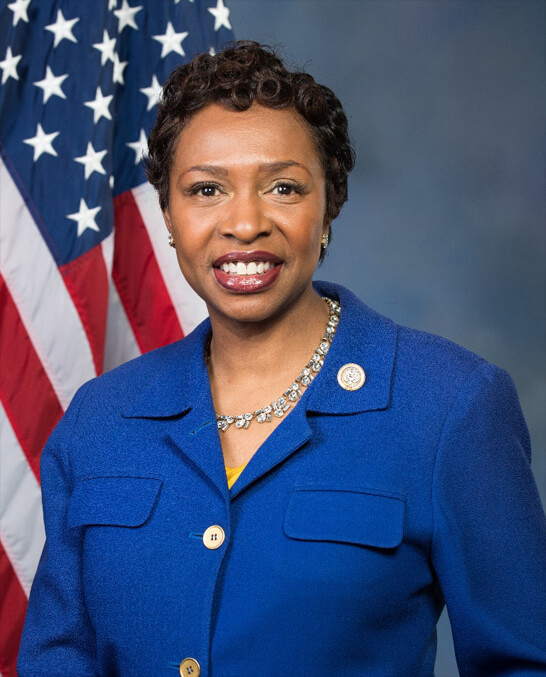
Co-Sponsor
-
TrackJ. Luis Correa
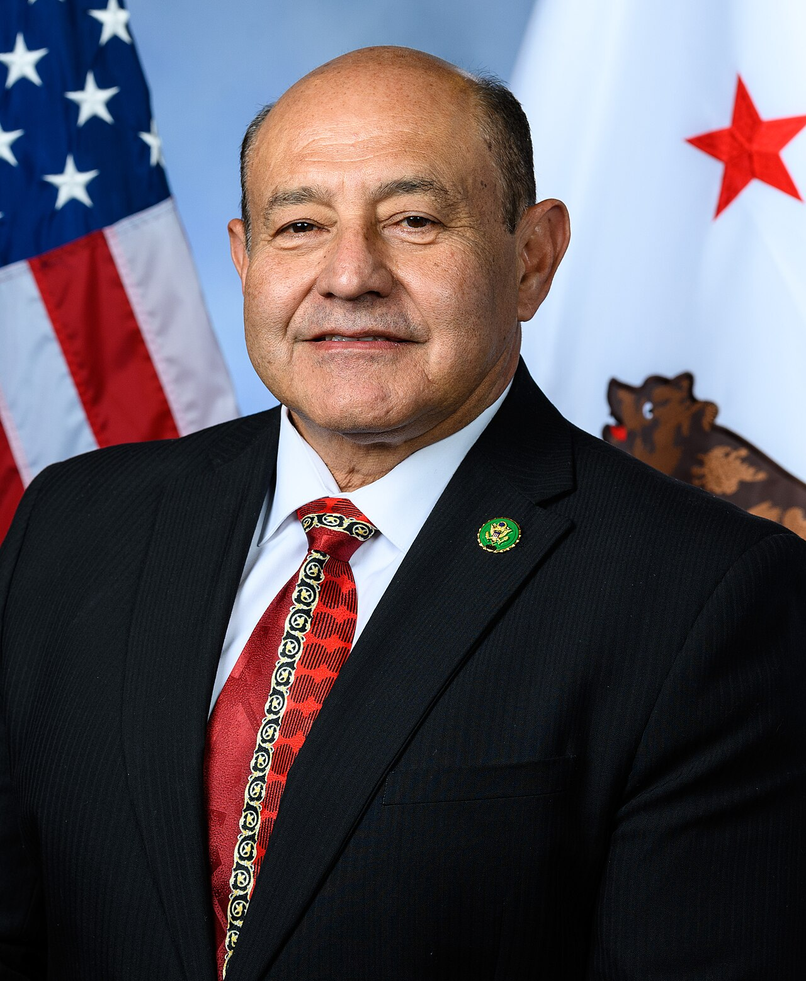
Co-Sponsor
-
TrackJim Costa
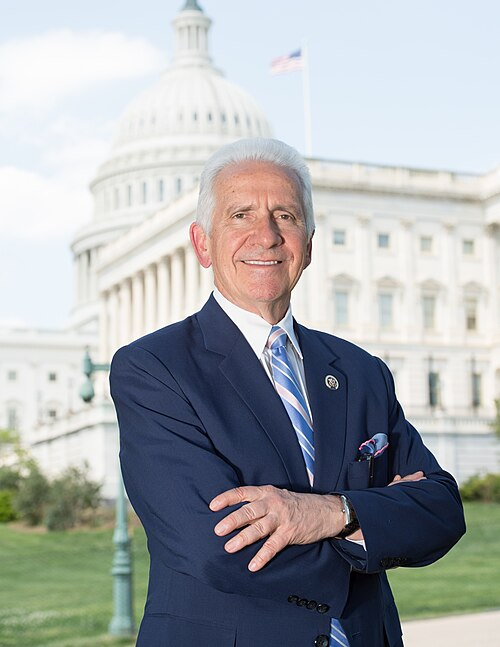
Co-Sponsor
-
TrackDanny K. Davis
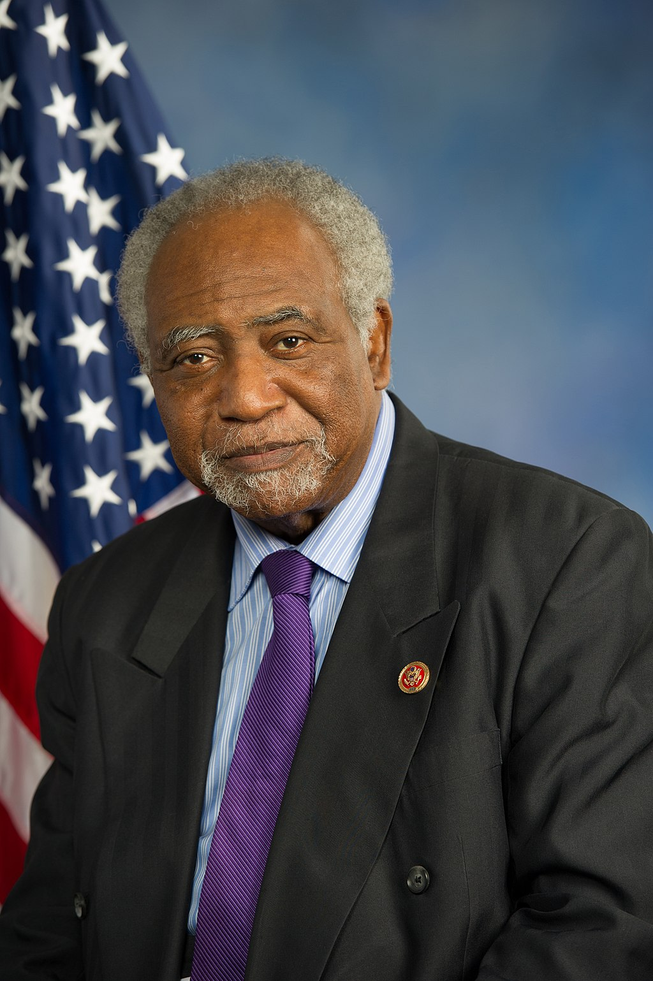
Co-Sponsor
-
TrackSylvia R. Garcia
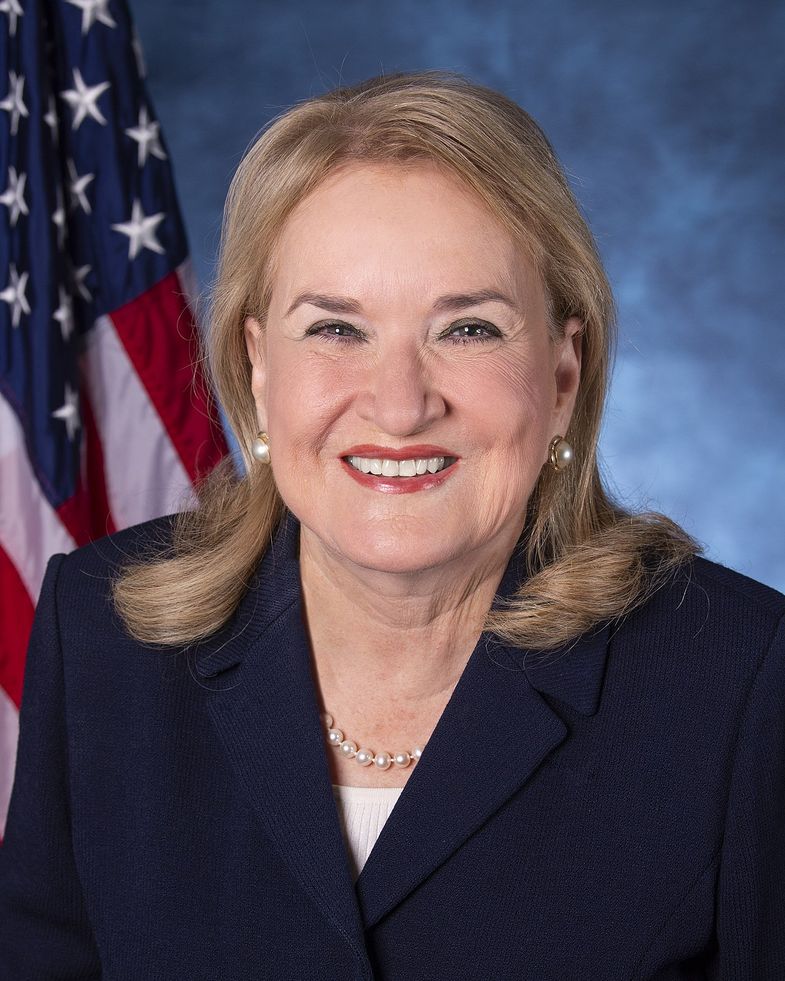
Co-Sponsor
-
TrackJonathan L. Jackson
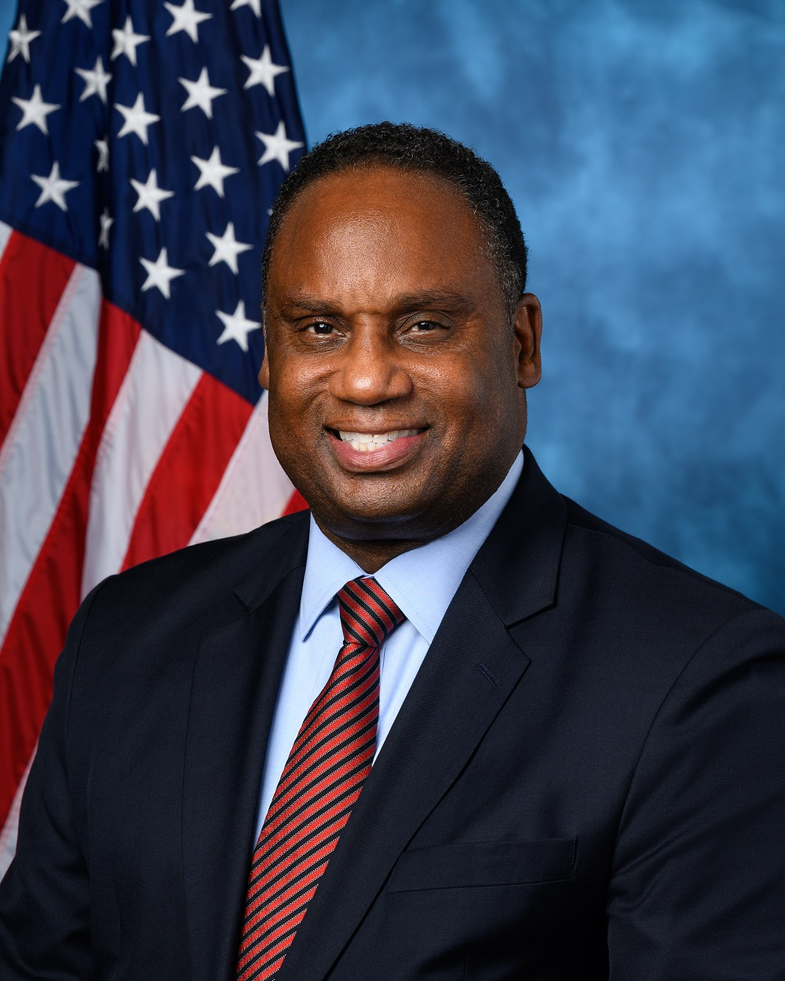
Co-Sponsor
-
TrackRobin L. Kelly
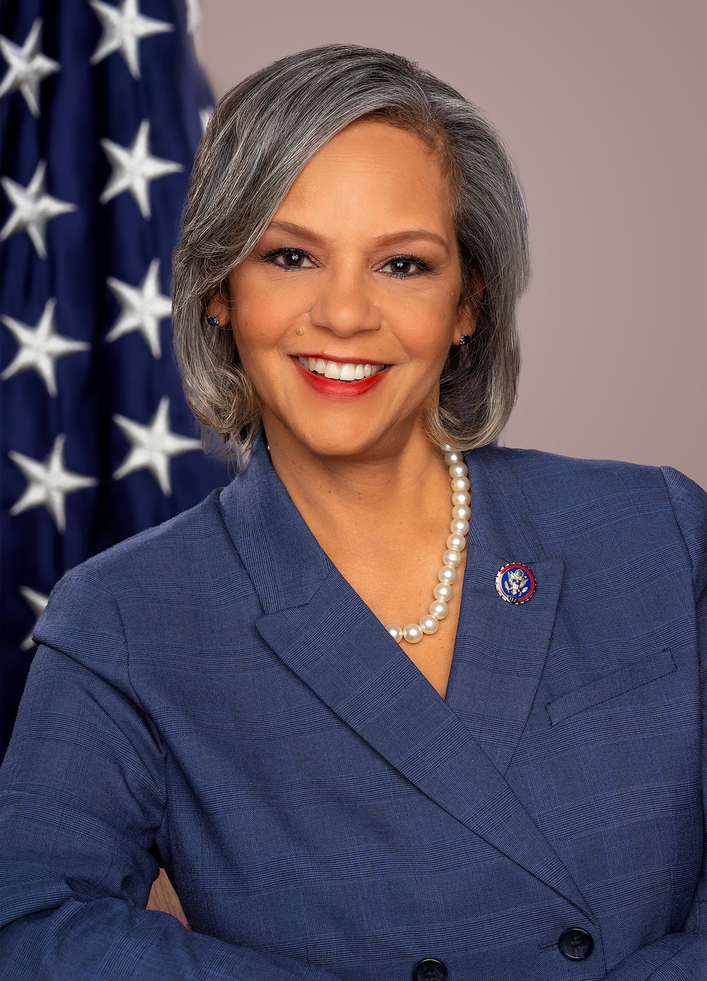
Co-Sponsor
-
TrackStephen F. Lynch
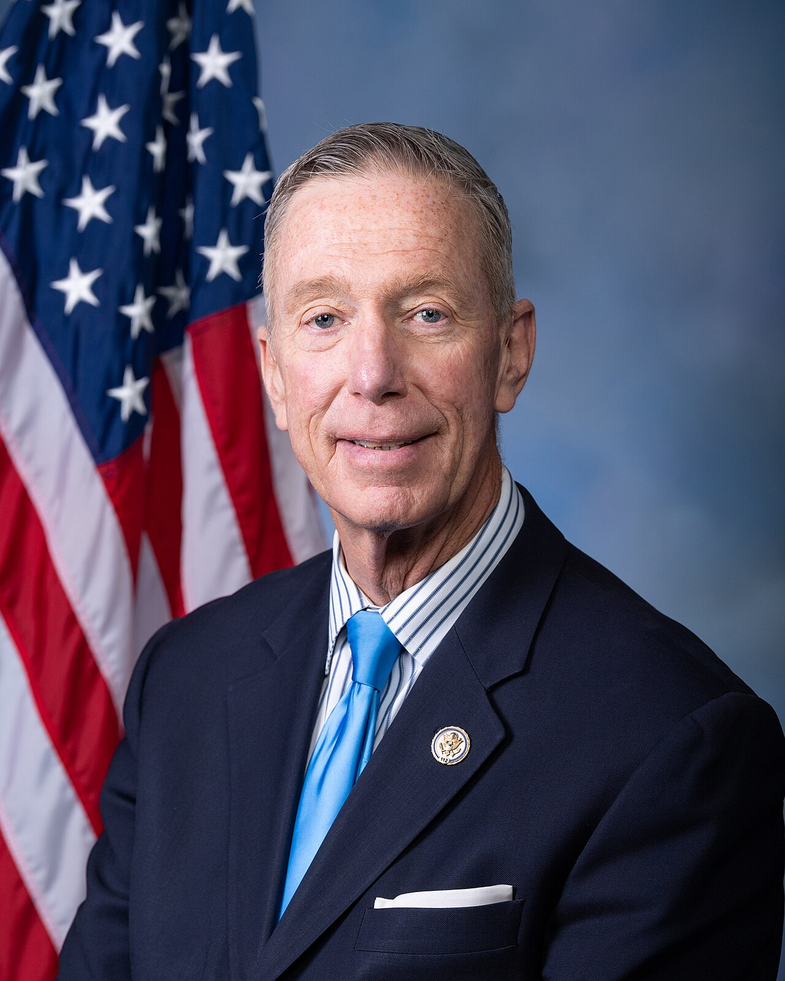
Co-Sponsor
-
TrackEleanor Holmes Norton

Co-Sponsor
-
TrackDelia C. Ramirez
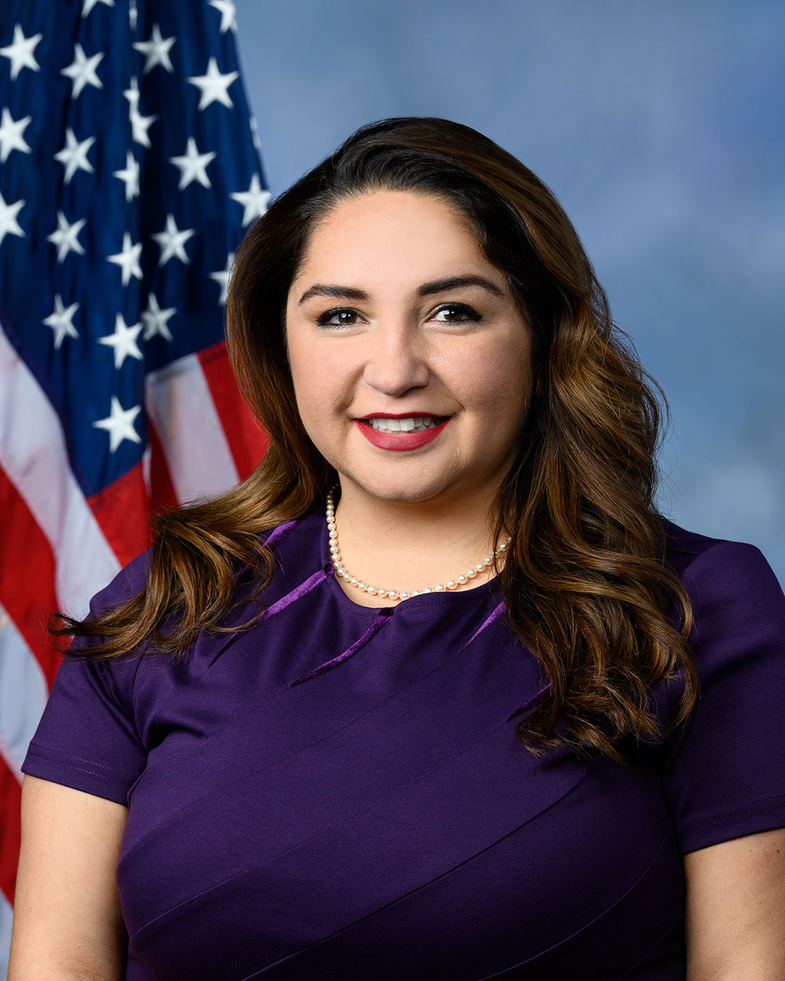
Co-Sponsor
Actions
2 actions
| Date | Action |
|---|---|
| Oct. 01, 2026 | Introduced in House |
| Oct. 01, 2026 | Referred to the Committee on Energy and Commerce, and in addition to the Committee on Ways and Means, for a period to be subsequently determined by the Speaker, in each case for consideration of such provisions as fall within the jurisdiction of the committee concerned. |
Corporate Lobbying
0 companies lobbying
None found.
* Note that there can be significant delays in lobbying disclosures, and our data may be incomplete.
Potentially Relevant Congressional Stock Trades
No relevant congressional stock trades found.