
H.R. 10620: Trucking Safety and Accountability Act of 2026
This bill would change federal trucking rules in several ways aimed at commercial motor vehicle safety, carrier accountability, and enforcement.
Immigration and work authorization checks for commercial drivers
The bill would require commercial drivers to be either U.S. citizens, lawful permanent residents, or otherwise federally authorized to work in the U.S. in a job that includes driving a commercial motor vehicle. States would only be allowed to issue or renew a commercial driver’s license (CDL) or commercial learner’s permit if the applicant meets those immigration and work authorization requirements.
It would also require the commercial driver licensing information system to include an indicator showing whether a driver meets those requirements. The bill says the underlying immigration documents themselves could not be stored in that system. The Department of Transportation and the Department of Homeland Security would have to create a process to keep that indicator updated.
The Secretary of Transportation would also have to issue rules to disqualify people from driving commercial motor vehicles for a set period if they do not meet the immigration and work authorization requirements.
English proficiency testing for CDL applicants
The bill would require states to make CDL and commercial learner’s permit applicants pass one or more standardized English proficiency tests approved by the Federal Motor Carrier Safety Administration before a license or permit is issued or renewed.
The test would have to measure whether an applicant can:
- read and understand road signs and safety instructions,
- understand and respond to spoken instructions and emergency communications, and
- complete driver logs, reports, and other required documents.
The test standards would need to include a passing score tied to safe operation of a commercial motor vehicle, and procedures for applicants who use American Sign Language. States would also have to provide aggregate testing and compliance information to the federal government.
New rules to stop “chameleon carriers”
The bill would create tighter rules for trucking companies, brokers, freight forwarders, and related entities that try to avoid safety sanctions by changing names, ownership structures, or corporate identities. These are referred to in the bill as “chameleon carriers.”
It would require applicants for motor carrier registration to disclose relationships under penalty of perjury, and would let federal officials focus on relationships that involve real common ownership, management, control, operation, or financing. The Secretary of Transportation would have to deny registration to a chameleon carrier whose registration was revoked within the prior three years, unless a waiver is granted for a bona fide independent entity that is not being used to evade safety rules.
The Department of Transportation would also have to update its registration systems to collect information needed to identify such carriers.
Penalties for evading safety sanctions and using ineligible drivers
The bill would make it a federal crime to knowingly make false statements or hide material relationships in order to evade motor carrier safety sanctions. Penalties could include a fine of up to $25,000 per violation, up to one year in prison, or both.
It would also create a new civil penalty for motor carriers that knowingly employ or contract with a driver who is not legally eligible to operate a commercial motor vehicle. The penalty would be at least $25,000 per offense, or at least $100,000 if the conduct results in serious injury or death.
Stronger enforcement against cabotage violations
The bill would add new federal rules against cabotage, which is domestic point-to-point trucking within the United States by foreign motor carriers or drivers operating under international transportation authority, unless specifically allowed by federal law.
Violations could result in civil penalties of up to $100,000 per vehicle for each day the violation occurs. The Department of Transportation, working with Homeland Security and state authorities, would have to set up enforcement procedures, including referrals for possible immigration or visa violations and out-of-service orders where appropriate.
States would be required to cooperate with enforcement efforts by conducting or assisting inspections, reporting suspected violations, giving access to inspection facilities where allowed, and keeping enforcement records. States that do not comply could lose 10 percent of certain federal highway funds until they return to compliance.
Tracking pilot program and data-sharing report
The bill would direct Homeland Security, working with Transportation, to run a pilot program at one or more high-volume land ports of entry. The program would test whether electronic logging, GPS, geofencing, and similar technologies can identify unlawful domestic trucking by foreign-domiciled carriers.
The pilot would have to include data security and privacy safeguards, and the agencies would have to report to Congress within two years on effectiveness, costs, feasibility, and whether the program should be expanded.
Within 180 days, Homeland Security would also have to report on gaps in cross-border data sharing with Mexico related to entry, exit, immigration status, and commercial motor carrier information, and identify ways to improve enforcement.
Reporting and oversight
The Transportation and Homeland Security departments would have to provide annual reports to Congress on implementation, including CDL suspensions and revocations tied to immigration and work authorization, English testing compliance, chameleon carrier enforcement, cabotage violations, penalties assessed, and progress on updating information systems. The Government Accountability Office would also have to review the law’s implementation and effectiveness within three years.
Relevant Companies
- None found
This is an AI-generated summary of the bill text. There may be mistakes.
Sponsors
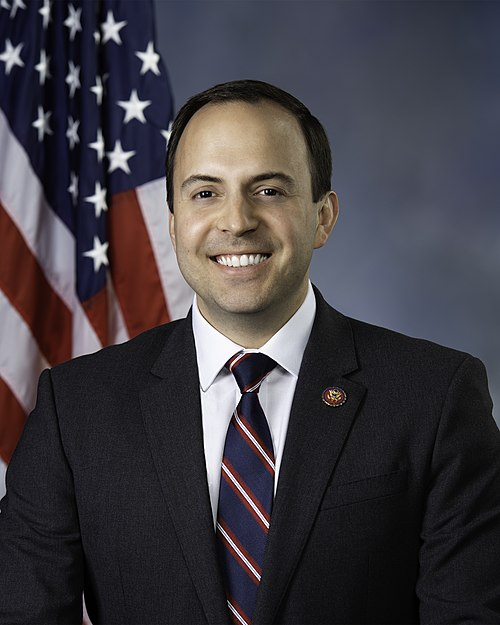
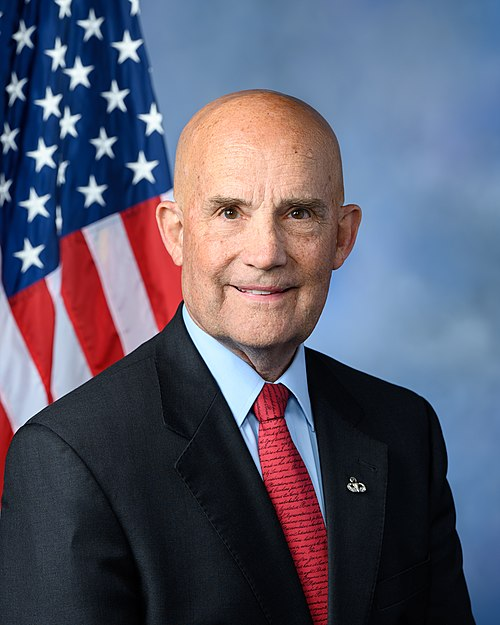
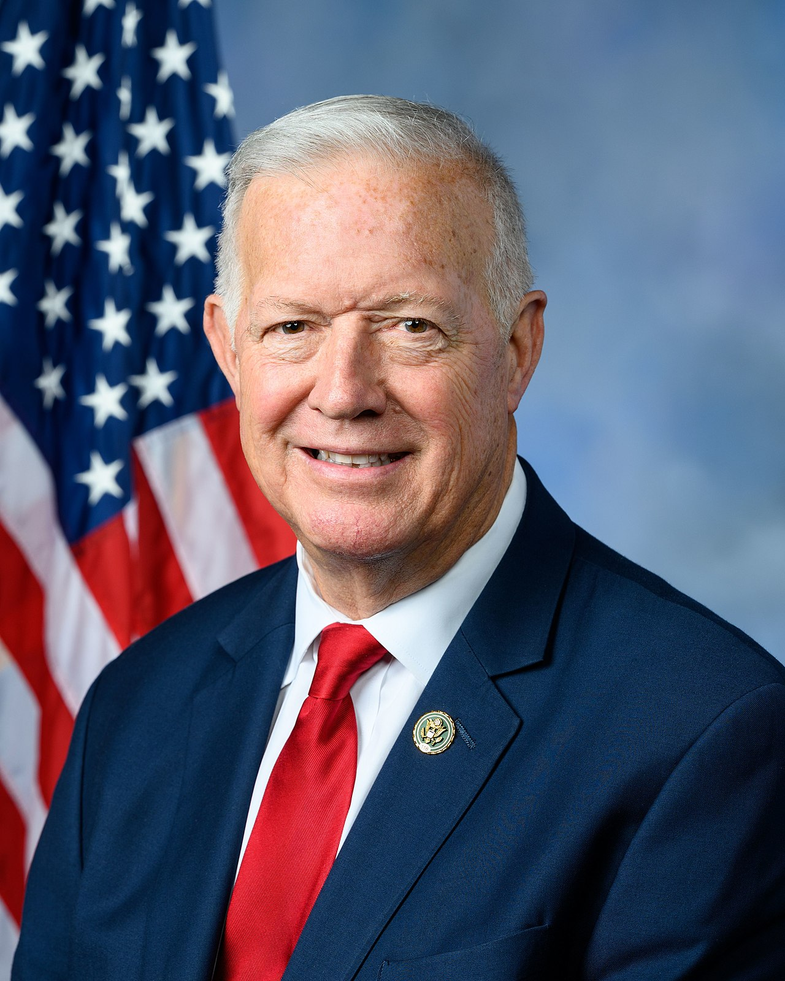
6 bill sponsors



Actions
2 actions
| Date | Action |
|---|---|
| Sep. 28, 2026 | Introduced in House |
| Sep. 28, 2026 | Referred to the House Committee on Transportation and Infrastructure. |
Corporate Lobbying
0 companies lobbying
None found.
* Note that there can be significant delays in lobbying disclosures, and our data may be incomplete.
Potentially Relevant Congressional Stock Trades
No relevant congressional stock trades found.