
H.R. 10617: Veterinary Expansion and Training for Comprehensive Animal Resources and Education Act
This bill would create a new federal grant program to support work-based learning in veterinary medicine for high school students in places that have a veterinarian shortage.
What the grants would fund
The U.S. Secretary of Agriculture would be allowed to award competitive grants to eligible organizations to create, expand, or improve high school programs that give students hands-on exposure to veterinary medicine. The bill says these programs should help students learn about and prepare for careers connected to:
- cooperative extension programs
- 4-H and FFA organizations
- school districts and career-technical centers
- community and technical colleges
- veterinary clinics and hospitals
- animal shelters and humane organizations
- state veterinary associations, veterinary boards, and animal health offices
- workforce development boards
The grants could also support exposure to careers in diagnostics, epidemiology, food safety, animal husbandry, and other related areas the Secretary chooses.
Who could apply
Eligible applicants would include:
- accredited veterinary colleges or universities
- cooperative extension programs
- 4-H and FFA organizations
- school districts and career-technical centers
- community and technical colleges or institutes
- veterinary clinics and hospitals
- state veterinary organizations and animal health offices
- workforce development boards
- Tribal organizations
How grants would be prioritized
When deciding which projects to fund, the Secretary could give priority to programs in areas with documented veterinary shortages, including rural, urban, and suburban areas. The bill says special priority should go to programs that:
- provide substantial hands-on experience with livestock, equine animals, or other large animals
- create a pathway for students to continue into postsecondary education, training, or long-term work in large-animal or food-animal veterinary medicine
Reporting requirements
Organizations receiving grants would have to report yearly data to the Secretary, including:
- how many students enrolled and graduated
- attendance and truancy information
- graduation rates
- how many students went on to college or training
- how many students entered the workforce
- how many students participated in large-animal work-based learning and, if possible, what happened to them afterward
The Secretary could require additional information to evaluate how well the grants are working.
Funding
The bill would authorize whatever sums are necessary to run the program, but it does not set a specific dollar amount.
Relevant Companies
None found
This is an AI-generated summary of the bill text. There may be mistakes.
Sponsors
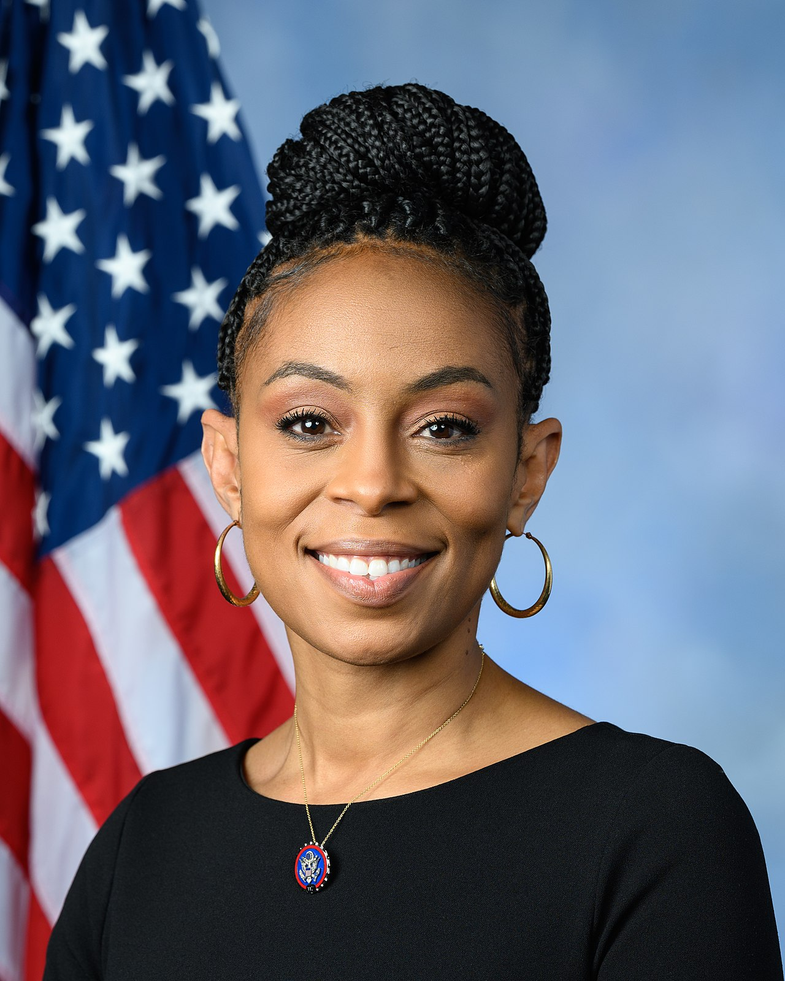
1 sponsor
Actions
2 actions
| Date | Action |
|---|---|
| Sep. 28, 2026 | Introduced in House |
| Sep. 28, 2026 | Referred to the House Committee on Agriculture. |
Corporate Lobbying
0 companies lobbying
None found.
* Note that there can be significant delays in lobbying disclosures, and our data may be incomplete.
Potentially Relevant Congressional Stock Trades
No relevant congressional stock trades found.