
H.R. 10606: Facilitating Liberty and Accountability for Flock Observations Act
This bill would restrict the federal government’s use of certain automated license plate reader, or ALPR, surveillance systems. In plain terms, it would largely bar federal agencies from buying, using, accessing, or sharing data from networked systems that collect and store vehicle location information across multiple jurisdictions.
What counts as a covered system
The bill defines a covered system as an ALPR system that:
- stores or transmits vehicle-location data in a centralized or shared database across multiple jurisdictions;
- lets users search past vehicle-location information across jurisdictions; or
- uses artificial intelligence or machine learning to identify, classify, track, or search vehicles using characteristics other than a full or partial license plate number.
The definition is broad and can include systems that capture not only plate numbers, but also vehicle images, location, date, time, and other identifying characteristics.
General federal prohibition
As a general rule, federal agencies would not be allowed to:
- purchase, lease, operate, or access a covered system;
- ask another government, public, or private entity to provide information from a covered system; or
- provide information to a covered system.
Warrant requirement and exceptions
The bill says a federal agency could access information from a covered system, or request it from another entity, only with a warrant. There are a few exceptions where a warrant would not be required if the agency head determines the information is reasonably necessary to:
- locate a missing or endangered person;
- respond to an imminent threat of death, serious bodily injury, kidnapping, or another immediate emergency; or
- investigate terrorism, espionage, sabotage, or activity involving a foreign agent.
Penalties
The bill would create penalties for violating these rules:
- Federal officers or employees who knowingly violate the law could face up to 5 years in prison, fines, or both.
- They could also face civil penalties of up to $100,000.
- People harmed by a violation could sue for damages, attorney’s fees, costs, and court orders stopping the conduct. The bill says sovereign immunity and qualified immunity could not be used as defenses in those cases.
Operators of covered systems who knowingly give federal agencies access to the systems or to data from them, outside the bill’s rules, could also face up to 5 years in prison, fines, or both, along with civil penalties and private lawsuits.
Agencies and activities excluded
The bill would not apply to certain federal activities, including:
- U.S. Secret Service activities tied to its protective duties;
- Customs and Border Protection activities related to border security, immigration or customs enforcement, ports of entry, and certain cross-border criminal activity;
- Defense, Homeland Security, or Energy Department operations tied to military or Coast Guard installations, nuclear facilities, or other national security facilities, for access control, force protection, physical security, counterespionage, counterintelligence, or counterterrorism; and
- information sharing among those exempt agencies when it is for those exempt purposes.
Effect on state and local funding
To receive certain Justice Department federal funds, states, local governments, and Indian tribes would have to adopt rules that are substantially similar to this bill’s restrictions. The Attorney General would have to certify each year whether they are in compliance.
Relevant Companies
- FLOCK (Flock Safety; privately held, no public ticker) — likely to be directly affected through reduced federal access to its license-plate-reader systems and related data-sharing arrangements. None found for a publicly traded ticker.
- None found
This is an AI-generated summary of the bill text. There may be mistakes.
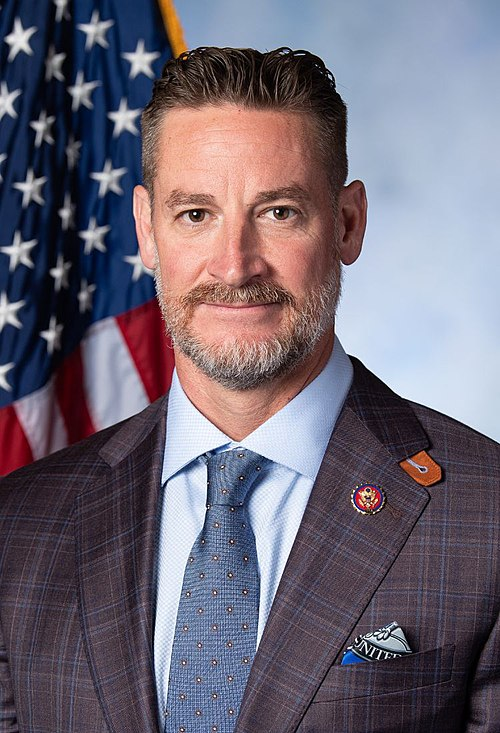
Sponsors
1 sponsor
Actions
2 actions
| Date | Action |
|---|---|
| Sep. 24, 2026 | Introduced in House |
| Sep. 24, 2026 | Referred to the Committee on Oversight and Government Reform, and in addition to the Committee on the Judiciary, for a period to be subsequently determined by the Speaker, in each case for consideration of such provisions as fall within the jurisdiction of the committee concerned. |
Corporate Lobbying
0 companies lobbying
None found.
* Note that there can be significant delays in lobbying disclosures, and our data may be incomplete.
Potentially Relevant Congressional Stock Trades
No relevant congressional stock trades found.