H.R. 10591: Safer Choice Program Authorization Act of 2026
This bill would formally authorize the Environmental Protection Agency’s Safer Choice program and related Design for the Environment labeling activities, which already exist in practice. It would make the program a continuing, voluntary EPA program for identifying and promoting products that meet specified safety standards for human health and the environment.
What the program would do
The bill says the program’s purpose is to encourage the design, manufacture, purchase, and use of products made with chemical ingredients considered safer, while still requiring the products to work for their intended purpose. Participation would remain voluntary, so companies would choose whether to seek certification.
The EPA would be responsible for deciding whether a product qualifies and for authorizing use of either the Safer Choice label or the Design for the Environment label.
How products would be evaluated
The bill requires the EPA to use a science-based review process. In deciding whether a product qualifies, the agency would consider factors such as:
- human health risks, including cancer, reproductive harm, developmental toxicity, nerve toxicity, and endocrine effects;
- environmental hazards, such as how long a substance persists, whether it builds up in living organisms, and whether it is toxic to aquatic life;
- whether the product still performs its intended function;
- packaging sustainability and responsible disposal, where practical; and
- ingredient disclosure requirements.
The bill also requires the EPA to maintain and update its Safer Chemical Ingredients List, which identifies ingredients that may be used in products meeting the standard.
Ingredient disclosure and outside reviewers
To be certified, products would have to provide enough ingredient information for the EPA to evaluate the full product, including intentionally added ingredients, ingredients contained within those ingredients, and certain residual substances above a threshold set by the EPA. The bill says this information must be protected as confidential business information when appropriate.
The EPA would also be allowed to use qualified third-party profilers to help review products and ingredients. These outside reviewers would have to be independent, avoid financial conflicts of interest, and not be paid based on the outcome of the review. The EPA would set the qualifications and oversee these profilers.
Labels and enforcement
Only products approved by the EPA could use the program’s labels. The bill treats the labels as EPA marks and prohibits false, misleading, or unauthorized use. If someone misuses a label, the EPA could require corrective action, suspend or end authorization to use the label, or refer the matter to the Attorney General for civil action.
Transparency and public reporting
The bill would require the EPA to publish an annual report to Congress and the public describing how the program is working. The report would include the number of certified products, major changes to standards or procedures, outreach and technical assistance efforts, and any recommendations for improvement.
The EPA would also have to maintain a public database of products authorized to use the labels.
Funding
The bill authorizes $12 million per year for fiscal years 2028 through 2034 to carry out the act.
Relevant Companies
- PG — Procter & Gamble may be affected because many of its household and cleaning products could seek or display Safer Choice certification.
- CL — Colgate-Palmolive sells consumer and cleaning products that may be eligible for or marketed with the labels.
- CHD — Church & Dwight has household cleaning and consumer products that could be subject to the program’s standards and labeling rules.
- EL — Estee Lauder and other personal care companies could be indirectly affected if product categories expand or if ingredient disclosure expectations influence formulations.
- RDWR — Radware? None found.
This is an AI-generated summary of the bill text. There may be mistakes.
Sponsors
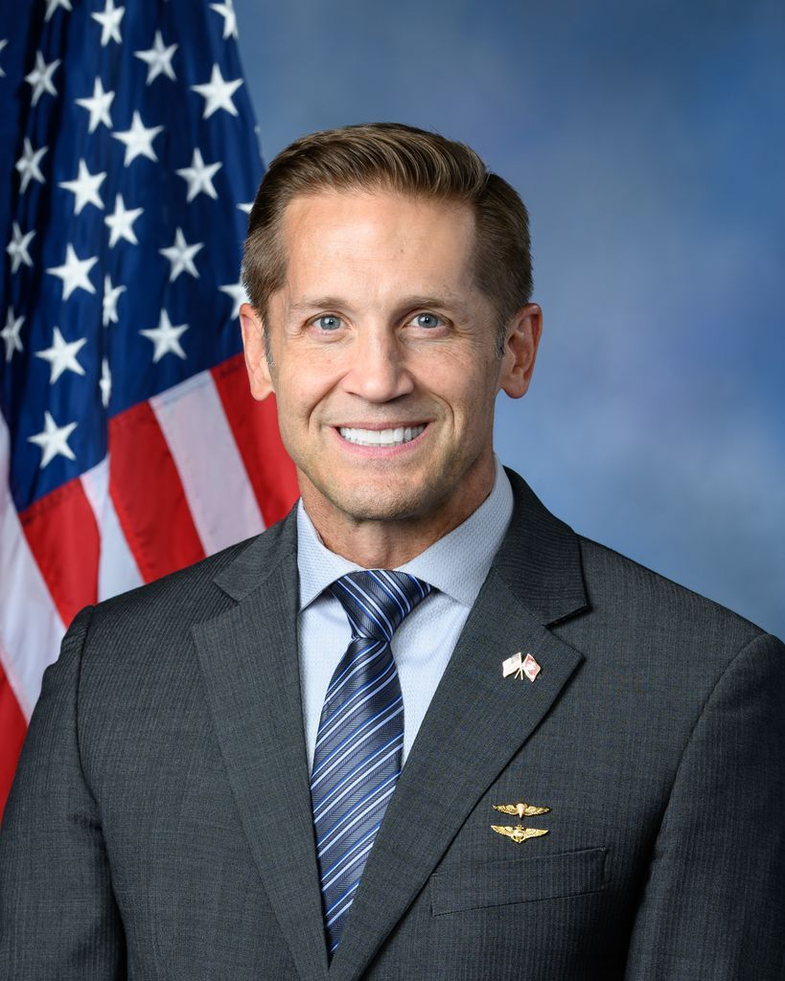
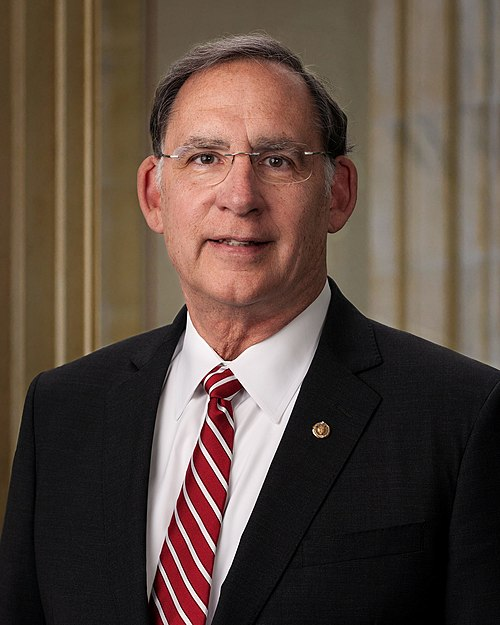
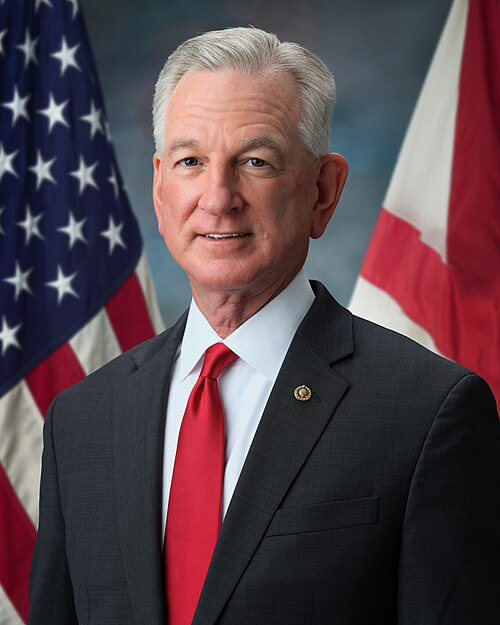
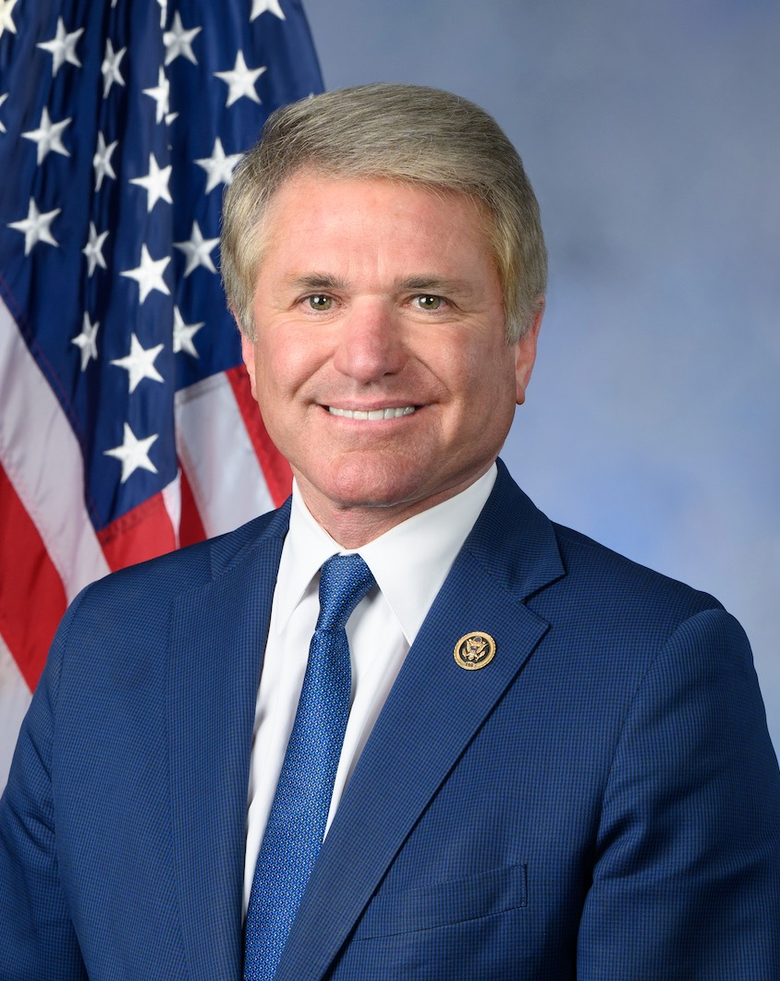
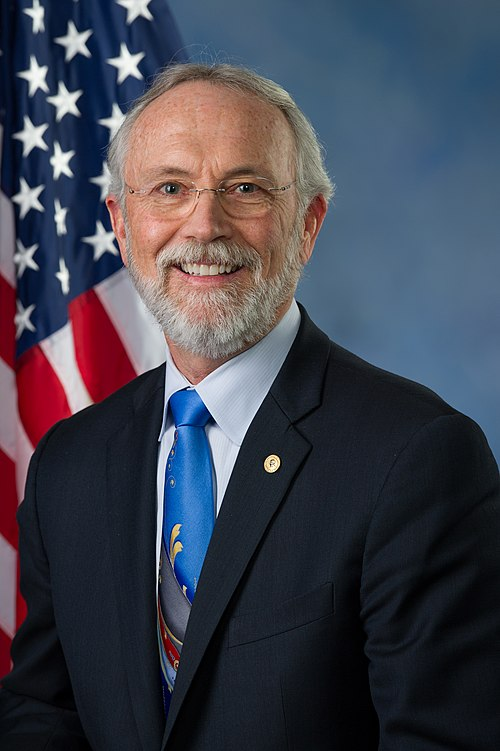
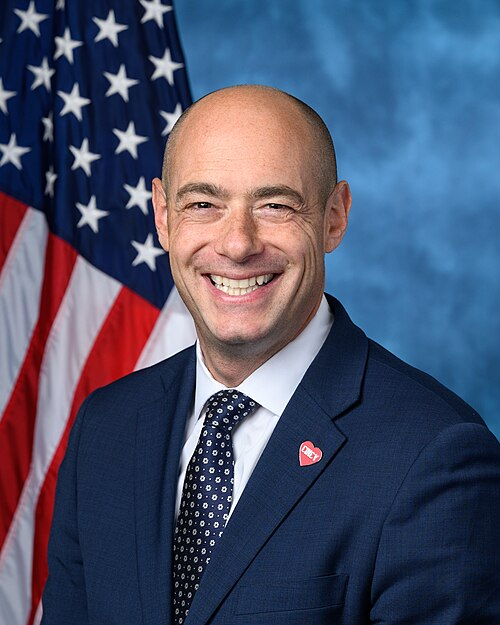
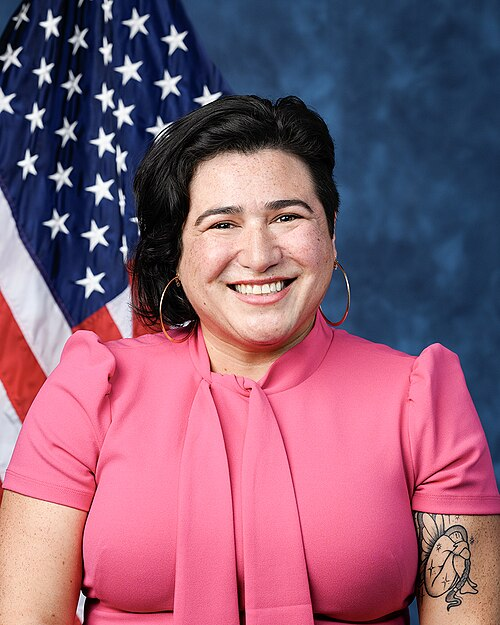
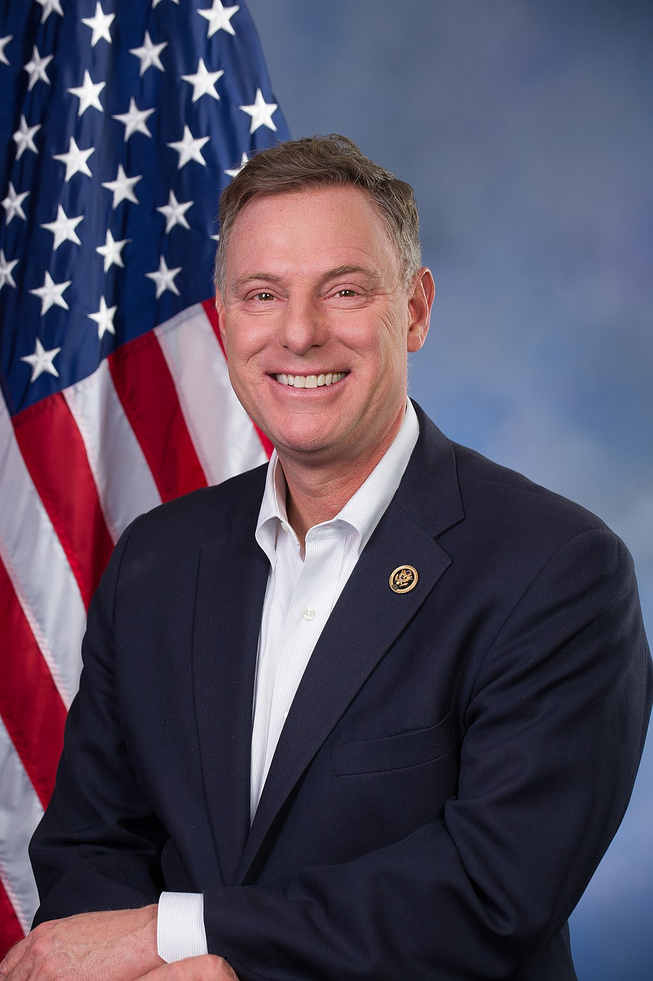
3 bill sponsors
Actions
2 actions
| Date | Action |
|---|---|
| Sep. 24, 2026 | Introduced in House |
| Sep. 24, 2026 | Referred to the House Committee on Energy and Commerce. |
Corporate Lobbying
0 companies lobbying
None found.
* Note that there can be significant delays in lobbying disclosures, and our data may be incomplete.