
H.R. 10575: Deterring Extraterritorial Foreign Exploitation of Networks Damaging Intellectual Property (DEFEND IP) Act of 2026
This bill would create a new legal process for copyright holders to target certain foreign-run websites that are accused of piracy. In plain terms, it would let a copyright owner or exclusive licensee ask a federal court to label a foreign website or online location as a foreign digital piracy site if the site is likely infringing their copyright and causing them irreparable harm.
What counts as a target site
The bill defines a target as a publicly accessible website or other identifiable online location that is operated from outside the United States, or whose location cannot be determined to be in the United States. The site must be identifiable through a domain name, IP address, or similar online identifier.
How a site could be designated
A court could issue a designation order if the copyright owner shows, among other things, that:
- they own or hold an exclusive copyright right at issue;
- the foreign site is likely violating that right;
- they are likely to suffer irreparable harm;
- they made a reasonable effort to notify the site operator; and
- after a reasonable search, they could not determine that the operator is in the United States.
The bill also allows designation if the site is primarily designed for piracy, has no commercially significant purpose other than piracy, or is intentionally marketed to promote piracy.
What happens after designation
Once a site is designated, the copyright holder can go back to the same court and ask for an order requiring certain large internet service providers to take reasonable measures to keep U.S. users from accessing that site using their networks.
The companies that can be covered include:
- broadband providers with at least 50,000 subscribers; and
- domain name resolution providers with more than $100 million in annual revenue, unless they only provide encrypted DNS, only provide VPN services, or are premises operators like coffee shops, libraries, airlines, or universities that simply offer internet access to customers or patrons.
How service providers would respond
A covered service provider would have to take reasonable measures to block access from users in the United States. The bill does not dictate a specific technical method, and the court cannot require a particular blocking tool or process.
Service providers could also choose to notify subscribers that access was denied because of a court order.
The bill says providers would not be treated as violating the order if they temporarily pause compliance when needed to fix interference with other sites, maintain network quality, perform maintenance, or respond to security issues.
Procedures and safeguards
The foreign site operator would have 20 days to appear and contest the designation, though the court could act sooner on an ex parte basis in some cases. Service providers would also have 20 days to contest being included in a blocking order.
The court would have to weigh several factors before issuing a blocking order, including:
- how much the order would burden the provider;
- how serious the harm to the copyright holder is;
- whether the order is technically feasible and effective;
- whether it would interfere with access to lawful content; and
- whether less burdensome alternatives exist.
Duration, updates, and extensions
A designation order would generally last up to 360 days unless extended by the court. A blocking order would last one year, with the option for yearly extensions. The petitioner would have to keep checking whether the site information remains accurate and update the court and providers if the site changes domain names, IP addresses, or otherwise tries to evade the order.
If a blocked site reappears under a different domain or IP address, or uses circumvention techniques, the court could amend the order.
Liability protections
The bill would give service providers immunity from liability for good-faith actions taken to comply with these orders, including reliance on information provided under the order. It would also protect them if a site later turns out to have been incorrectly identified.
Public access and court oversight
The Copyright Office would have to post notices of these orders publicly on its website. Courts would retain oversight of compliance, and if an order accidentally blocks access to a lawful site, the operator of that other site could ask the court to modify or rescind the order.
Effective date
The new section would take effect 180 days after enactment.
Relevant Companies
- None found
This is an AI-generated summary of the bill text. There may be mistakes.
Sponsors
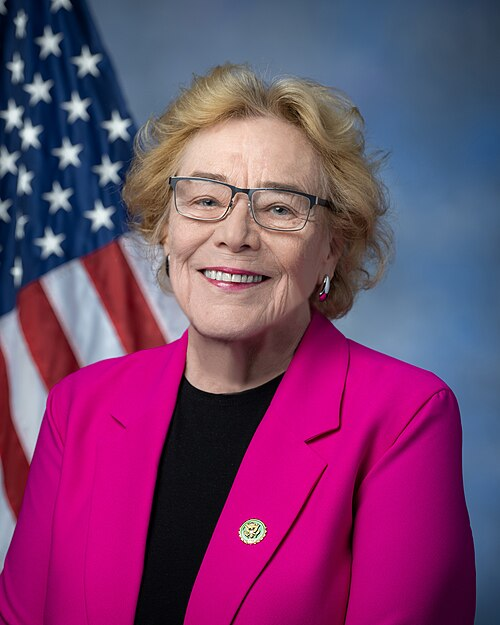
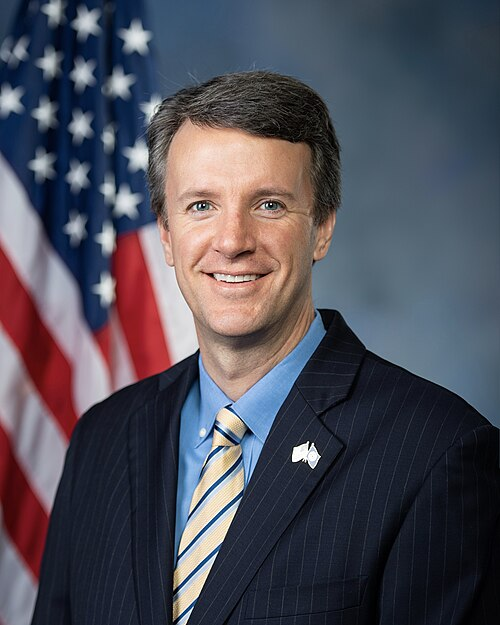
2 bill sponsors
Actions
2 actions
| Date | Action |
|---|---|
| Sep. 24, 2026 | Introduced in House |
| Sep. 24, 2026 | Referred to the House Committee on the Judiciary. |
Corporate Lobbying
0 companies lobbying
None found.
* Note that there can be significant delays in lobbying disclosures, and our data may be incomplete.
Potentially Relevant Congressional Stock Trades
No relevant congressional stock trades found.