
H.R. 10563: Facial Recognition and Biometric Technology Moratorium Act of 2026
This bill would place a broad limit on how the federal government can use facial recognition and related biometric identification tools, and it would tie certain federal law enforcement grants to similar limits at the state and local level.
What counts as biometric surveillance
The bill defines “biometric surveillance system” as software that does facial recognition or other biometric identification in real time or from a photo or recording. It also covers some related technologies, including systems that:
- identify or track people based on facial features;
- match someone to a watchlist or other list;
- infer a person’s emotion, activities, associations, or location from facial, head, or body characteristics;
- use voice recognition; or
- identify people from gait or other hard-to-change physical traits seen from a distance.
It excludes fingerprint or palm-print identification if those are not collected from a distance.
Federal government restrictions
As a general rule, federal agencies and federal officials would be barred from acquiring, possessing, accessing, or using biometric surveillance systems in the United States, or from using information produced by those systems if another entity gathered it.
There is one major exception: the ban would not apply if Congress specifically passes another law authorizing a particular biometric use and spells out details such as:
- who may use the technology;
- what kind of biometric data may be used;
- what the technology may be used for and what it may not be used for;
- rules for storing, sharing, accessing, and auditing the data;
- accuracy standards, including by gender, skin color, and age; and
- privacy, due process, speech, association, and anti-discrimination protections, plus compliance mechanisms.
Effect on evidence and enforcement
If the federal government obtained information in violation of the bill, that information generally could not be used in any criminal, civil, administrative, or other proceeding, except in a case about the alleged violation itself.
People harmed by a violation could sue the federal government. State attorneys general or other authorized state officials could also bring lawsuits on behalf of residents. Courts could award damages, attorneys’ fees, costs, and injunctive relief.
Federal officials found to have violated the law could face retraining, suspension, termination, or other penalties, subject to due process.
Federal spending limits
Federal law enforcement agencies would be prohibited from using federal funds to buy or use biometric surveillance systems. Federal agencies also could not use unallocated appropriated funds for that purpose.
State and local grant condition
Starting with the first fiscal year after enactment, states and local governments would become ineligible for Byrne grant funding unless they comply with a law or policy that is substantially similar to the federal ban on biometric surveillance.
What the bill would not do
The bill would not stop NIST from testing or researching biometric surveillance technologies used commercially. It also would not override stronger federal, state, or local restrictions that already exist.
Relevant Companies
This is an AI-generated summary of the bill text. There may be mistakes.
Sponsors
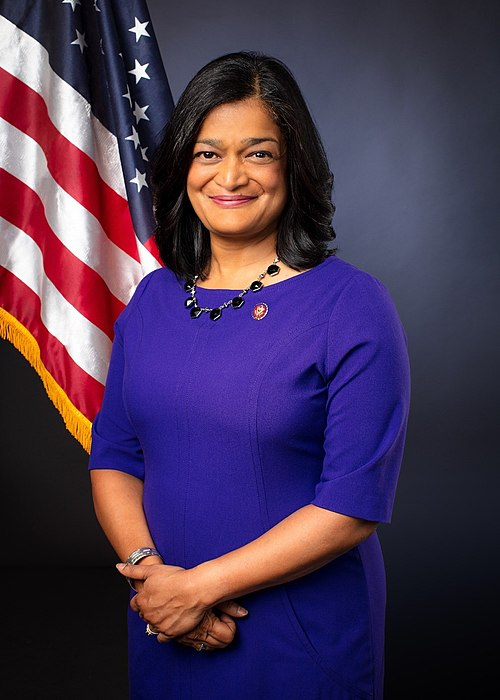
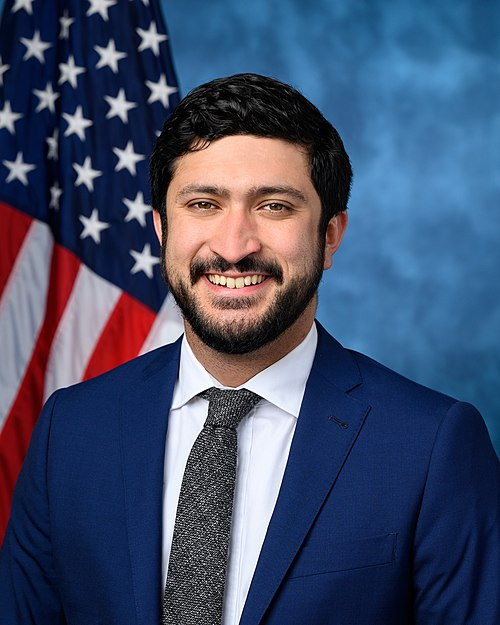
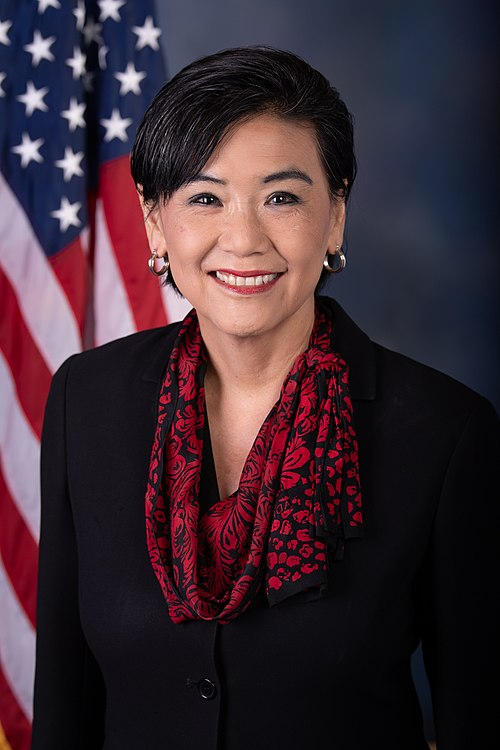
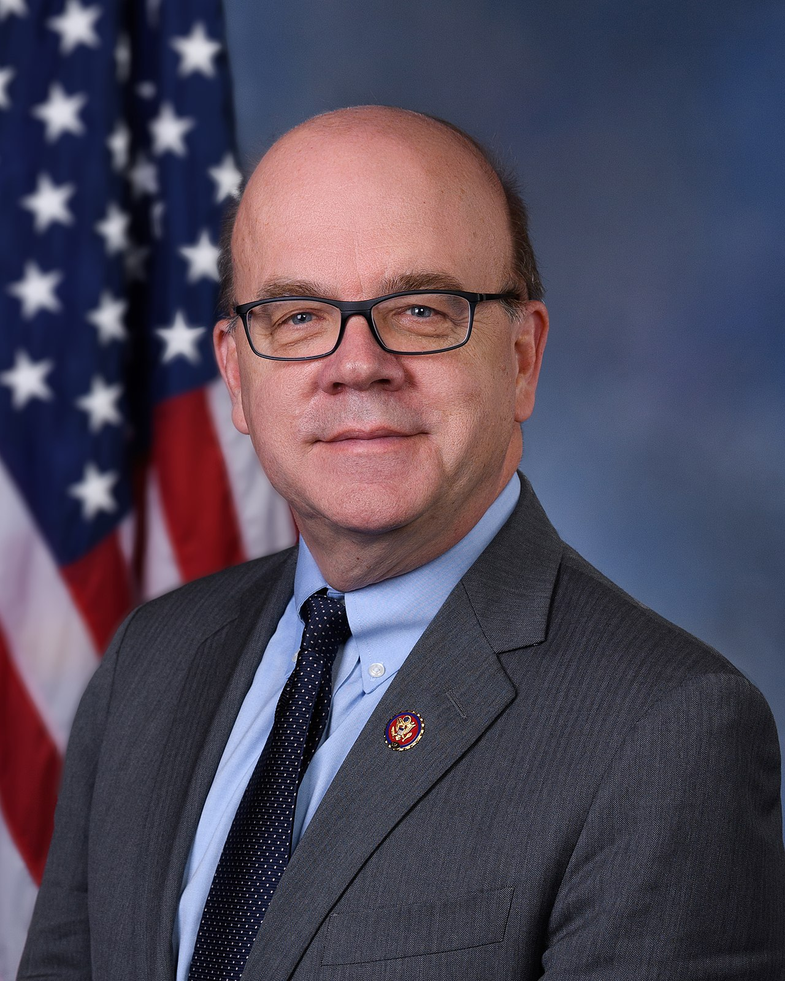
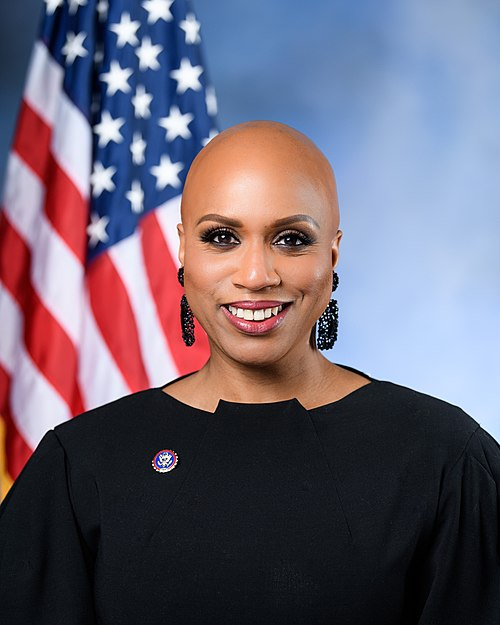
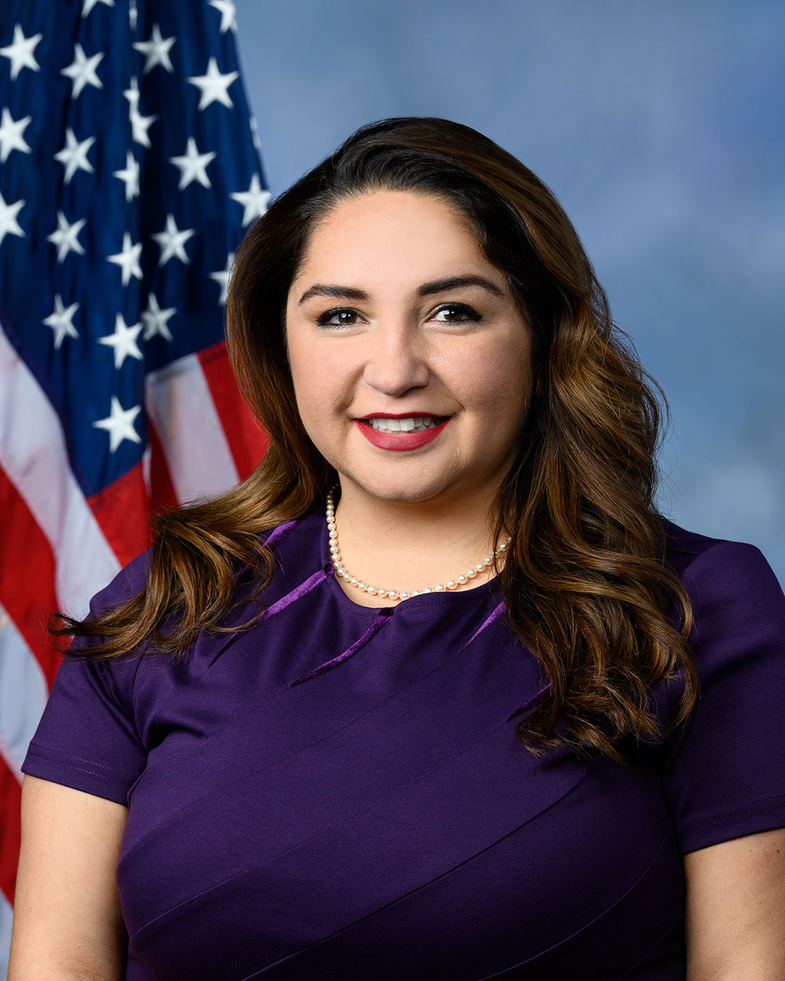
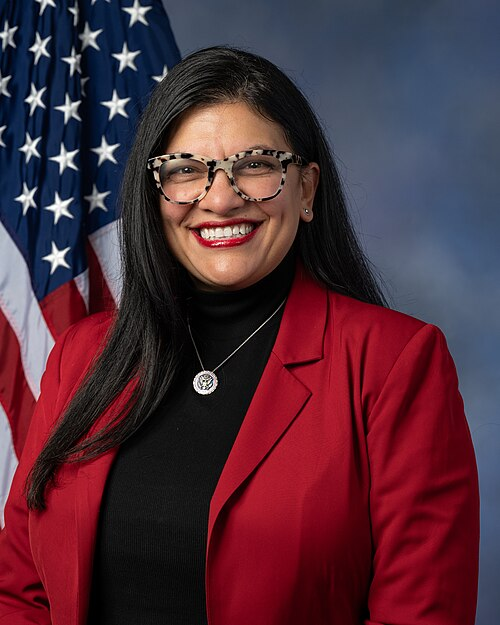
9 bill sponsors


Actions
2 actions
| Date | Action |
|---|---|
| Sep. 24, 2026 | Introduced in House |
| Sep. 24, 2026 | Referred to the Committee on the Judiciary, and in addition to the Committee on Oversight and Government Reform, for a period to be subsequently determined by the Speaker, in each case for consideration of such provisions as fall within the jurisdiction of the committee concerned. |
Corporate Lobbying
0 companies lobbying
None found.
* Note that there can be significant delays in lobbying disclosures, and our data may be incomplete.
Potentially Relevant Congressional Stock Trades
No relevant congressional stock trades found.