
H.R. 10543: Promoting Reentry through Education in Prisons Act of 2026
This bill would create a new Office of Prison Education inside the Federal Bureau of Prisons and give it the job of improving education programs in federal prisons. It is aimed at helping incarcerated people gain basic skills, finish high school or an equivalent credential, and access job training and higher education while in prison, with the broader goal of improving reentry after release.
What the new office would do
The Bureau of Prisons would have to set up an Office of Prison Education led by an Assistant Director. That office would be responsible for making sure all federal prisons offer quality educational services, including:
- adult literacy and basic skills programs
- high school diploma or equivalent programs
- postsecondary education
- workforce training tied to industry credentials, certificates, or associate degrees
- pre-apprenticeships, registered apprenticeships, and career and technical education
- expanded educational opportunities for people with disabilities
The office would also coordinate with other federal agencies, collect and report data, conduct research, and issue reports on what education approaches work best in prisons.
Federal Prison Education Program
The bill would create a new Federal Prison Education Program. Under that program, the Bureau of Prisons would partner with outside education providers, such as colleges, school districts, nonprofits, faith-based organizations, literacy groups, and employer partnerships, to run prison education programs.
The program would focus on providers with a record of helping students complete programs and, where possible, improve outcomes like employment, housing stability, and lower recidivism. The bill also says the Bureau should block “diploma mills” from participating.
Rules for the programs
Education providers that join the program would have to work with the prison on logistics such as scheduling, space, and security. They would also have to make sure people without a high school diploma get basic education and diploma-equivalent instruction.
The bill directs providers to prioritize job training for occupations that make sense for formerly incarcerated people, and to warn students in advance about possible licensing or employment limits they may face after release.
Providers would also have to give students information about:
- which parts of a program cannot be finished while incarcerated
- how to continue the program after release
- how to transfer credits
- financial aid options
- academic advising, financial aid counseling, career counseling, and job placement help
Data collection and evaluation
The bill would require annual reporting on program operations and outcomes, including enrollment, completions, credentials earned, costs, staffing, challenges, and demographic data. It would also require a formal evaluation of the program over time, including in-custody effects and post-release outcomes such as education, employment, housing, and recidivism. That evaluation would be shared with Congress and made public.
Other activities
The bill would create a clearinghouse of research, policies, and best practices on prison education, available on the Bureau of Prisons’ public website. It would also direct the Bureau to provide training and technical assistance to state prisons, and allow federal and state institutions to partner on improving prison education.
Veterans in prison
For incarcerated veterans, the bill would require outreach about available VA education benefits and related services. It would also require coordination to help eligible incarcerated veterans connect with prison education programs and to provide information about post-release job training and placement resources. At the same time, it would bar incarcerated veterans with felony convictions from receiving certain monthly housing or subsistence payments while in custody, and would reduce VA education payments by amounts already covered by other government programs.
Funding
The bill would set aside $170 million per year from Bureau of Prisons appropriations for fiscal years 2027 through 2033 to carry out the new education program. The federal share of any program’s cost could not exceed 75 percent, meaning non-federal partners would need to cover at least part of the cost.
Relevant Companies
None found
This is an AI-generated summary of the bill text. There may be mistakes.
Sponsors
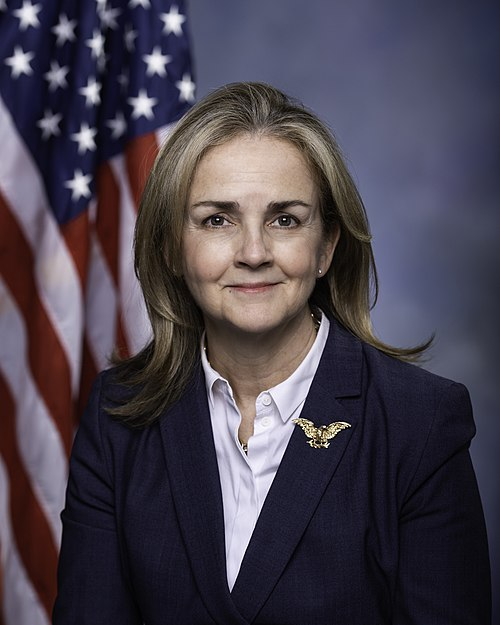
1 sponsor
Actions
3 actions
| Date | Action |
|---|---|
| Sep. 30, 2026 | Referred to the Subcommittee on Economic Opportunity. |
| Sep. 24, 2026 | Introduced in House |
| Sep. 24, 2026 | Referred to the Committee on the Judiciary, and in addition to the Committee on Veterans' Affairs, for a period to be subsequently determined by the Speaker, in each case for consideration of such provisions as fall within the jurisdiction of the committee concerned. |
Corporate Lobbying
0 companies lobbying
None found.
* Note that there can be significant delays in lobbying disclosures, and our data may be incomplete.
Potentially Relevant Congressional Stock Trades
No relevant congressional stock trades found.