
H.R. 10534: Affordable Housing Preservation and Protection Act of 2026
This bill would create a HUD-run program to help preserve and repair older or distressed multifamily housing properties that receive federal housing assistance or related HUD-backed financing.
What the program would do
The bill would let the Secretary of Housing and Urban Development (HUD) provide capital assistance, mainly in the form of low-interest loans, to owners, housing sponsors, or HUD-approved buyers of eligible apartment buildings with five or more units. The goal is to keep these properties in decent, safe, and sanitary condition over the long term.
Which properties could qualify
The program would apply to certain multifamily housing projects that are assisted by, insured by, or financed through HUD-related federal housing programs, including:
- Section 8 properties
- Section 202 and Section 811 housing projects
- Section 236 housing
- Certain properties converted under HUD’s Rental Assistance Demonstration (RAD) program
To qualify, a property would need to have significant physical problems, such as safety or accessibility deficiencies, that put it at risk of becoming unusable or financially unviable. The owner also would have to show that rent revenue alone is not enough to pay for the needed repairs.
How the assistance would work
HUD could provide loans to pay for necessary physical improvements, including new construction or major capital repairs. These loans could be forgivable in whole or in part, and HUD could modify loan terms if doing so would help preserve affordability.
The bill sets the loan interest rate at 1 percent. The repayment period would generally run for as long as the property remains under the required affordability period.
Affordability requirements
In exchange for the assistance, the owner, sponsor, or approved buyer would have to agree to keep the property affordable for 30 years. They would also have to accept renewal of rental assistance contracts when HUD offers them, so long as the renewal terms meet the bill’s requirements.
Matching funds
As a general rule, recipients would need to provide at least 20 percent of the repair cost from non-federal sources. HUD could reduce or waive that requirement if an applicant makes commercially reasonable efforts but still cannot raise the money.
Other HUD powers and duties
The bill would allow HUD to:
- Pay costs related to modifying mortgages it insures or holds
- Use funds for administration, outreach, and consultation with residents and community stakeholders
- Set additional implementation requirements by notice, if needed
- Oversee compliance and make sure rehabilitation work is completed on time
Funding
The bill would authorize whatever funding is necessary to carry out the program, subject to future appropriations by Congress.
Relevant Companies
None found
This is an AI-generated summary of the bill text. There may be mistakes.
Sponsors
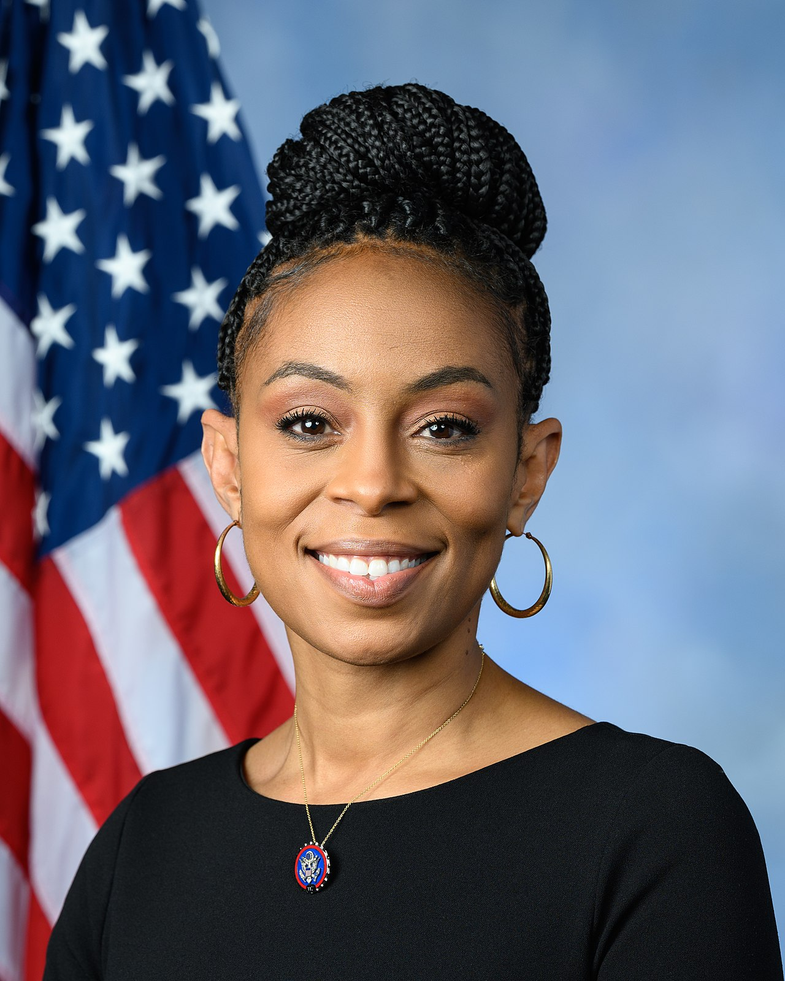
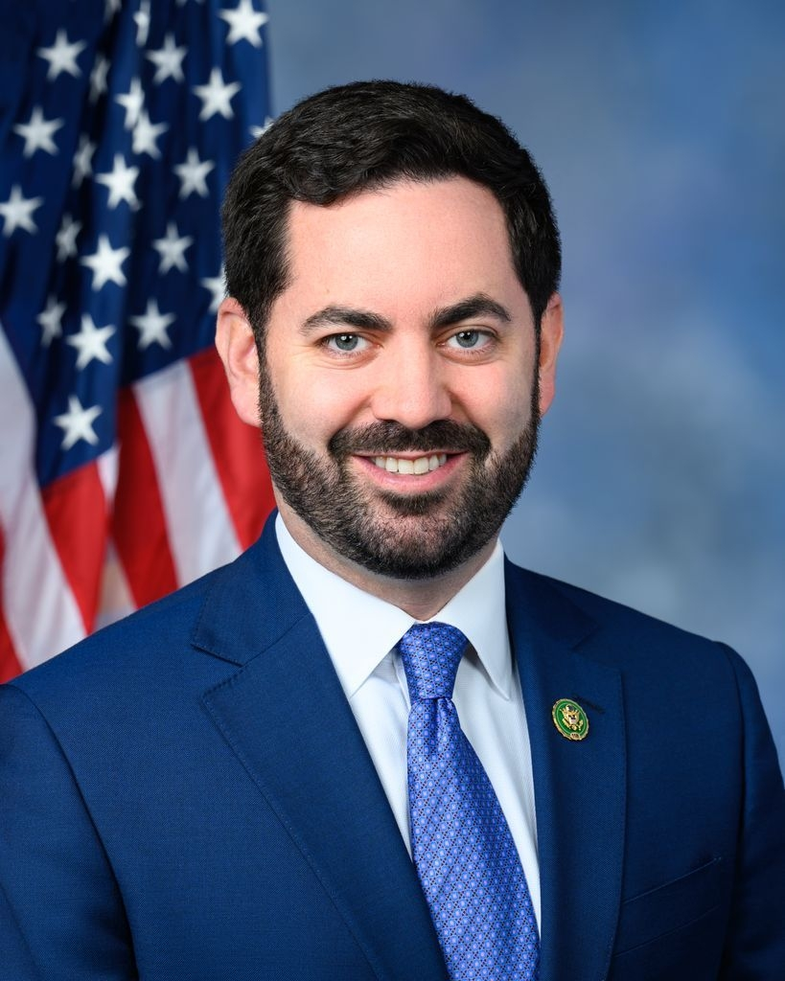
3 bill sponsors

Actions
2 actions
| Date | Action |
|---|---|
| Sep. 24, 2026 | Introduced in House |
| Sep. 24, 2026 | Referred to the House Committee on Financial Services. |
Corporate Lobbying
0 companies lobbying
None found.
* Note that there can be significant delays in lobbying disclosures, and our data may be incomplete.
Potentially Relevant Congressional Stock Trades
No relevant congressional stock trades found.