H.R. 10522: Companion Animal Protection Against Cruel Testing Act
This bill would bar the Department of Health and Human Services (HHS) and several related agencies from using federal funds for biomedical research involving live dogs or live cats. In plain terms, it would stop HHS-funded research activities that use living dogs or cats in experiments or testing, unless a narrow waiver applies for certain emergencies.
What counts as prohibited research
The bill defines “biomedical research” broadly. It covers research aimed at understanding or improving human health, including work on drugs, medical devices, vaccines, chemicals, gene therapies, and similar products. Under the bill, federal funds could not be used for activities such as:
- buying, breeding, or acquiring live dogs or cats for research;
- housing, feeding, transporting, or caring for them as part of research;
- conducting experiments, surgery, imaging, sample collection, or other interventions on them;
- supporting breeding colonies or colonies kept for future research use;
- paying related overhead, facilities costs, salaries, or administrative expenses tied to such research.
The prohibition would also apply indirectly, meaning recipients of HHS funds could not avoid it by using contractors, subcontractors, consortium partners, affiliated entities, or by splitting the work across funding sources.
What is excluded
The bill would not cover certain activities, including:
- routine veterinary care for the animal’s own health or welfare;
- ordinary animal care not connected to research;
- simple observation without intervention;
- research done solely to understand or treat diseases of dogs or cats themselves;
- some clinical research using client-owned dogs or cats with naturally occurring disease, including certain comparative cancer research.
What happens to dogs and cats no longer needed for research
If dogs or cats are no longer needed for research, recipients of HHS funding would have to make reasonable efforts to retire, adopt, or transfer them to sanctuaries, rescue groups, adoption programs, or similar entities, so long as that is consistent with animal welfare, veterinary judgment, public safety, and other laws. Euthanasia would be allowed only when a licensed veterinarian determines it is necessary because of the animal’s medical condition, behavioral condition, or other serious welfare or safety concerns.
Waivers in emergencies
The Secretary of HHS could issue a limited waiver, but only if it is needed to respond to a public health emergency, national emergency, or national security emergency; no scientifically valid alternative exists; the waiver is narrowly limited in time and scope; and not granting it would likely create a significant and immediate threat. A waiver could last no longer than 180 days unless renewed. Congress would have to be notified within 15 days with details about the reason, the research, the number and species of animals, the cost, and why alternatives are not feasible.
Compliance, reporting, and enforcement
Anyone receiving covered HHS funding would have to certify before getting the money, and then annually, that they are not using the funds for prohibited dog or cat research and that they have internal controls to stay compliant. If they discover a violation or false certification, they would have to report it to HHS within 30 days.
Recipients would need to keep records for six years and give access to HHS, the HHS Inspector General, and the Comptroller General for oversight. If a violation is found, HHS could withhold future funding, recover misspent funds, and use other authorized administrative remedies. Knowingly or repeatedly violating the law could also lead to suspension or debarment from receiving covered federal funds.
Whistleblower protections and transparency
The bill would prohibit retaliation against employees, contractors, students, trainees, or others who report suspected violations, cooperate with investigations, or refuse to take part in conduct they reasonably believe would violate the law. It would also require HHS to submit annual reports to Congress and make them public, with information about applications reviewed, certifications, enforcement actions, audits, and the status of dogs and cats previously used in research.
Review and timing
The Government Accountability Office would review how the law is implemented and report back to Congress within three years. The bill would take effect 180 days after enactment and would apply only to federal funds obligated or spent on or after that date.
Relevant Companies
- None found
This is an AI-generated summary of the bill text. There may be mistakes.
Sponsors
21 bill sponsors
-
TrackNicholas A. Langworthy
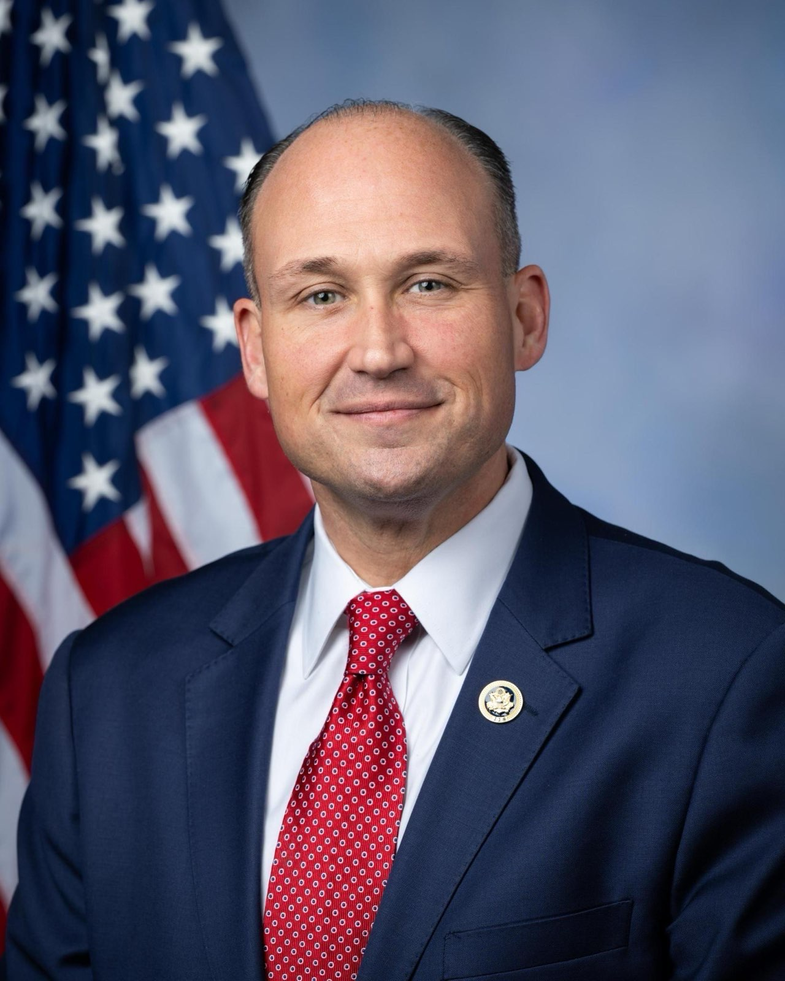
Sponsor
-
TrackJ. Luis Correa
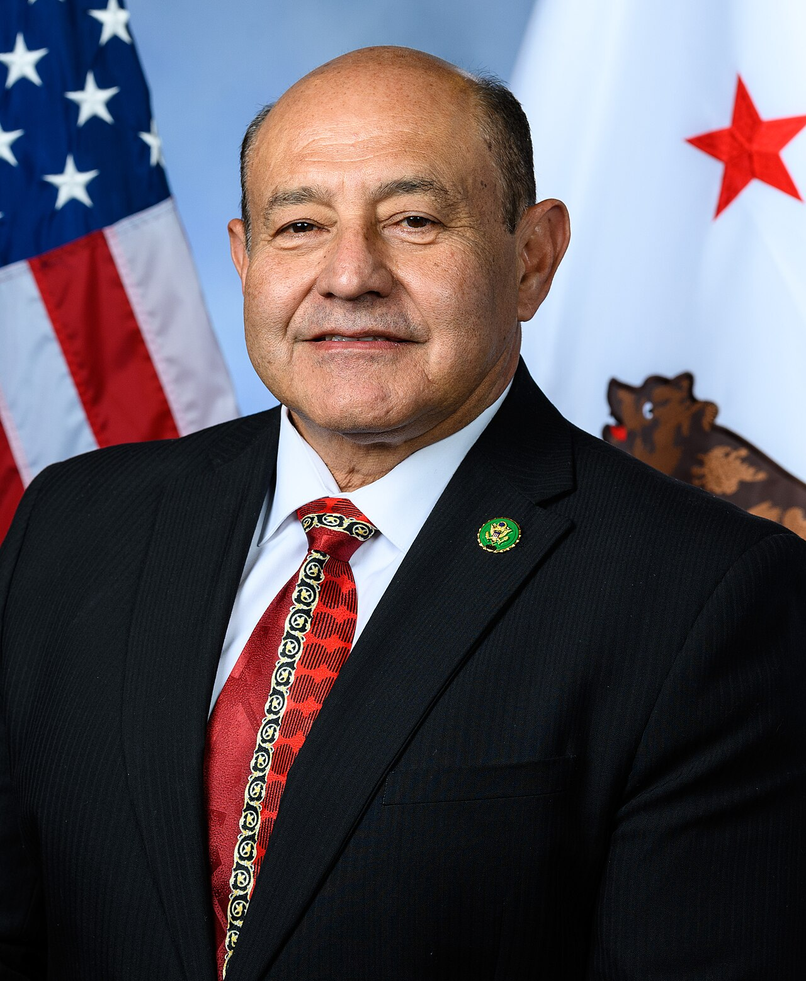
Co-Sponsor
-
TrackLloyd Doggett

Co-Sponsor
-
TrackVeronica Escobar
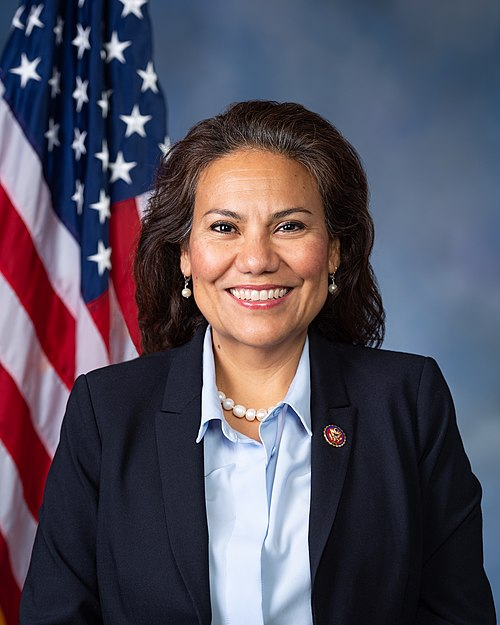
Co-Sponsor
-
TrackRandy Fine

Co-Sponsor
-
TrackPaul A. Gosar

Co-Sponsor
-
TrackRo Khanna
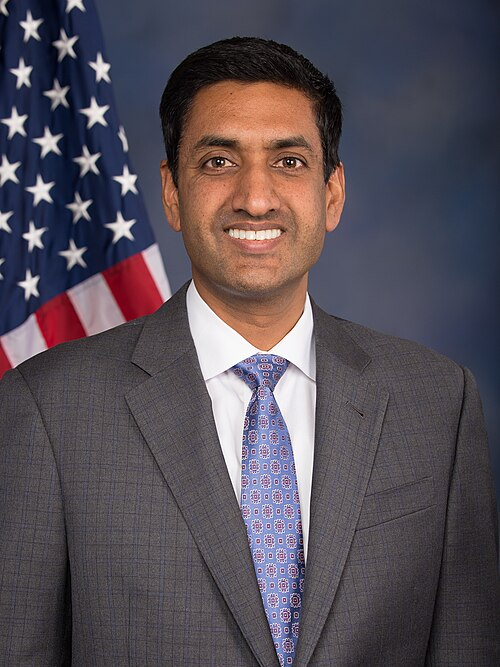
Co-Sponsor
-
TrackYoung Kim

Co-Sponsor
-
TrackMichael Lawler
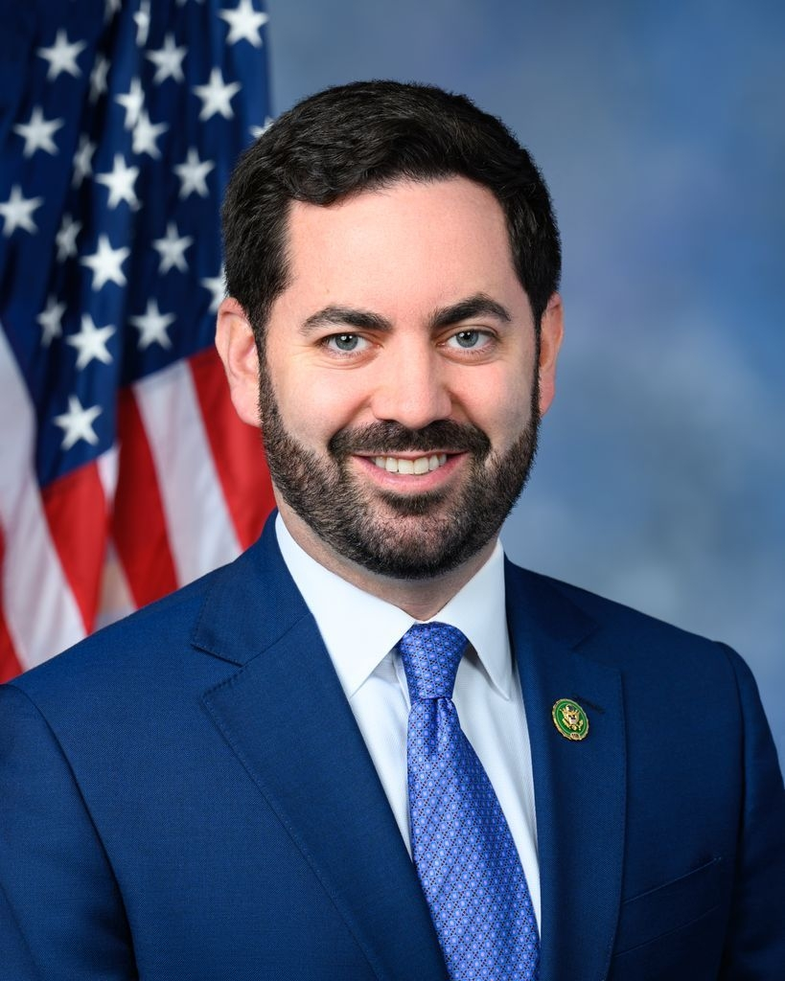
Co-Sponsor
-
TrackAnna Paulina Luna
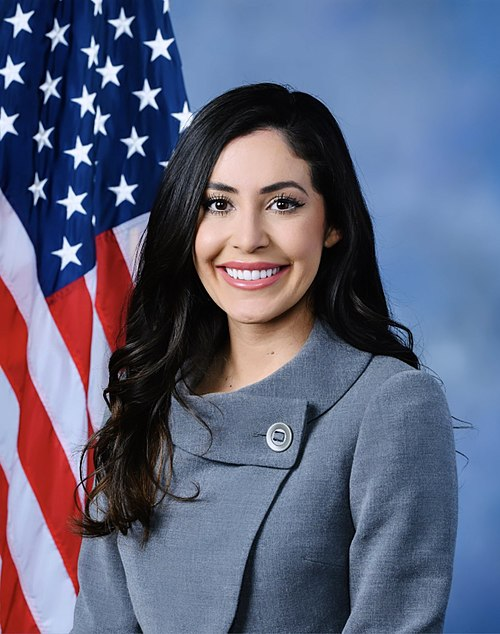
Co-Sponsor
-
TrackJames P. McGovern
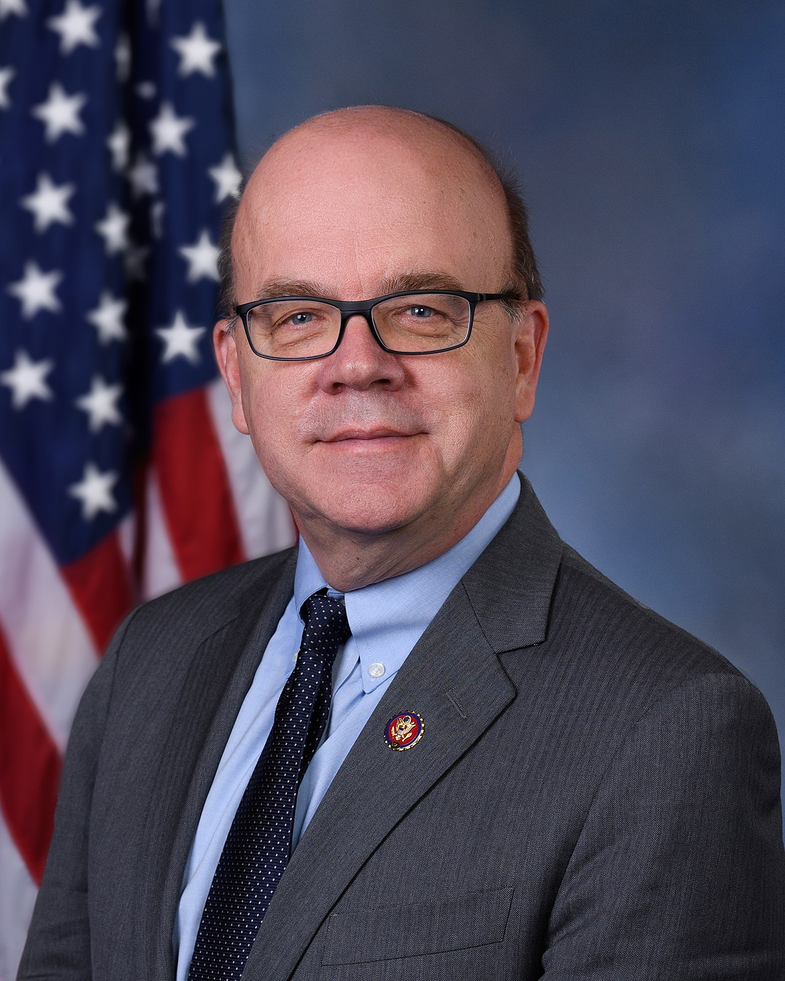
Co-Sponsor
-
TrackEleanor Holmes Norton

Co-Sponsor
-
TrackMark Pocan
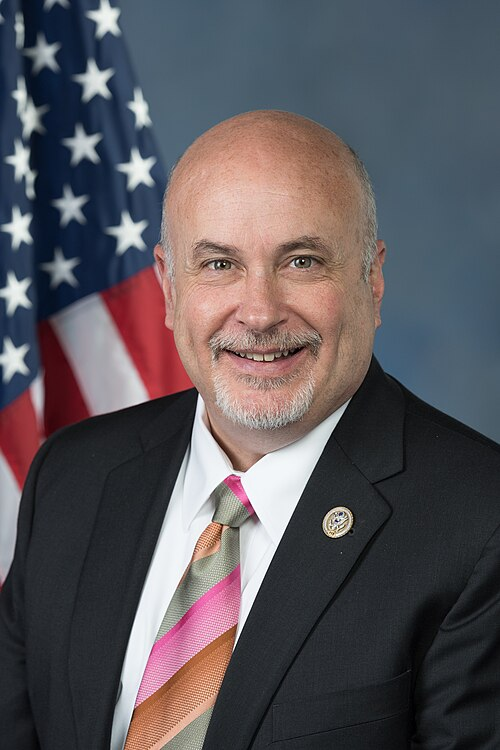
Co-Sponsor
-
TrackMike Quigley
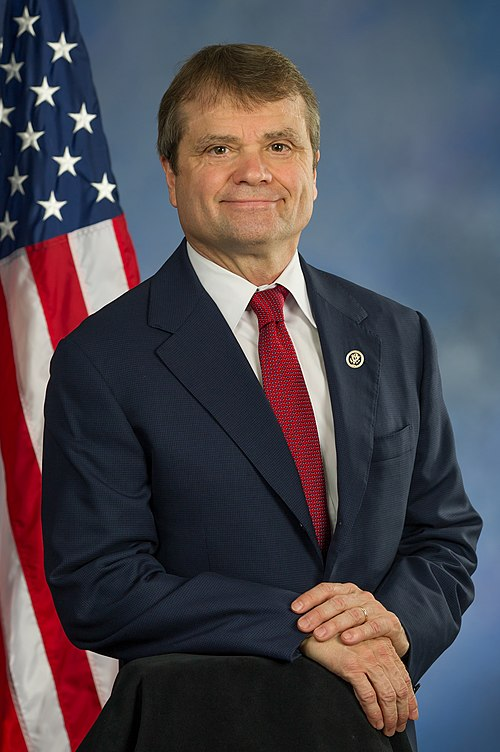
Co-Sponsor
-
TrackPatrick Ryan
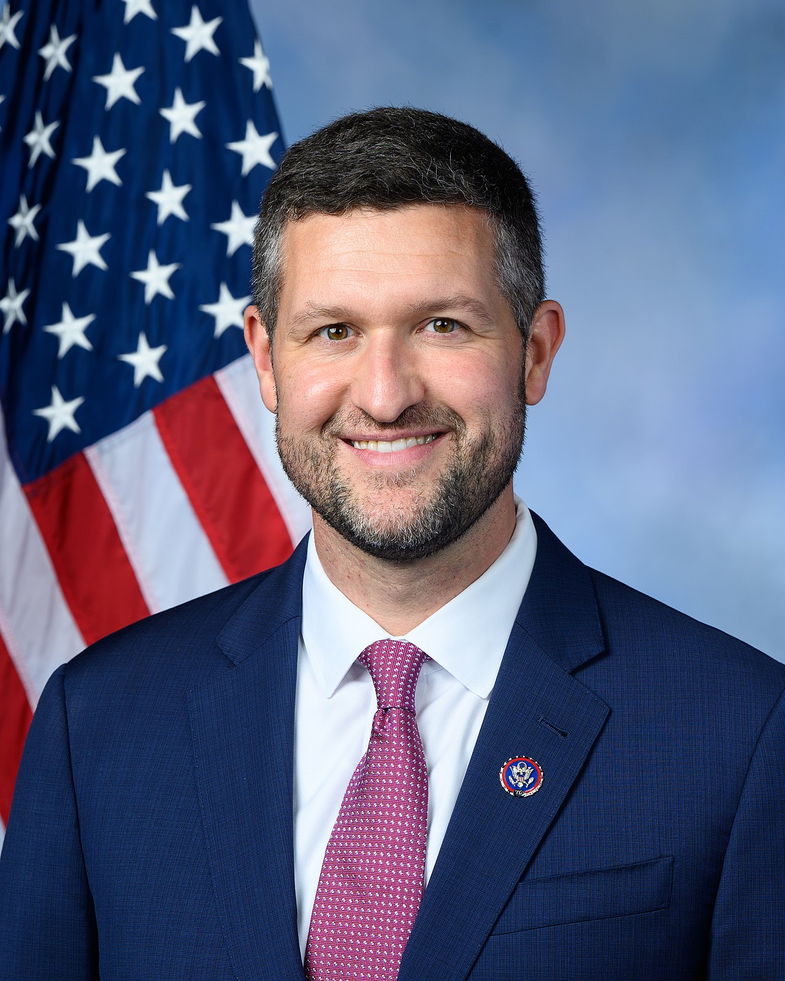
Co-Sponsor
-
TrackClaudia Tenney
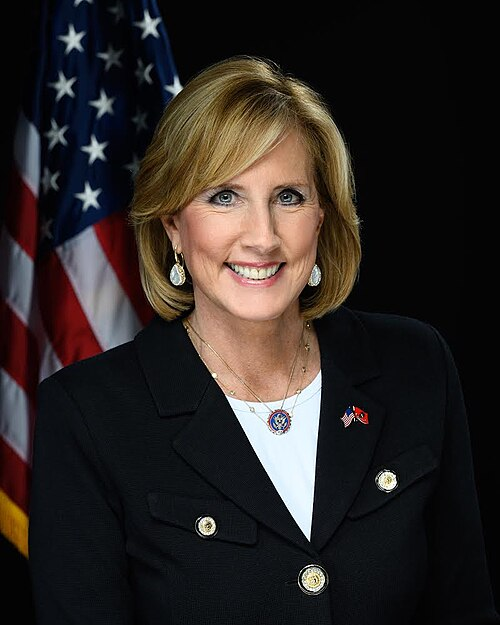
Co-Sponsor
-
TrackDina Titus
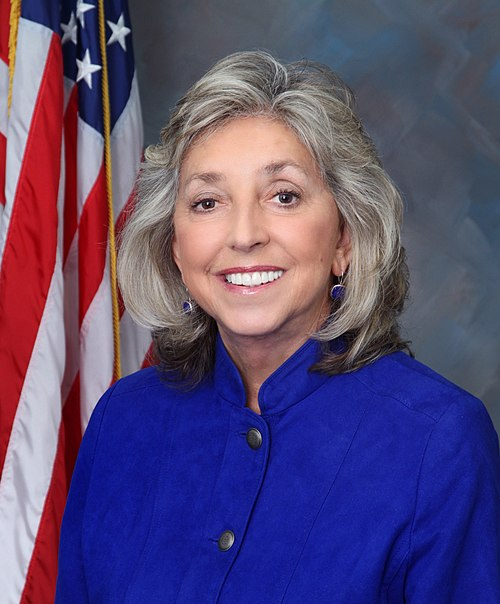
Co-Sponsor
-
TrackRashida Tlaib
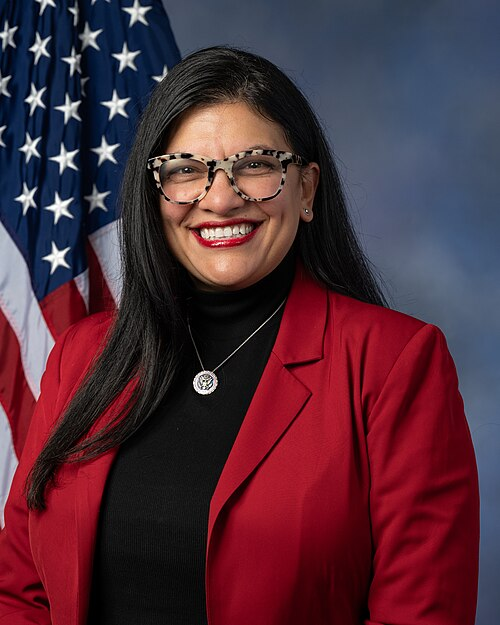
Co-Sponsor
-
TrackJefferson Van Drew
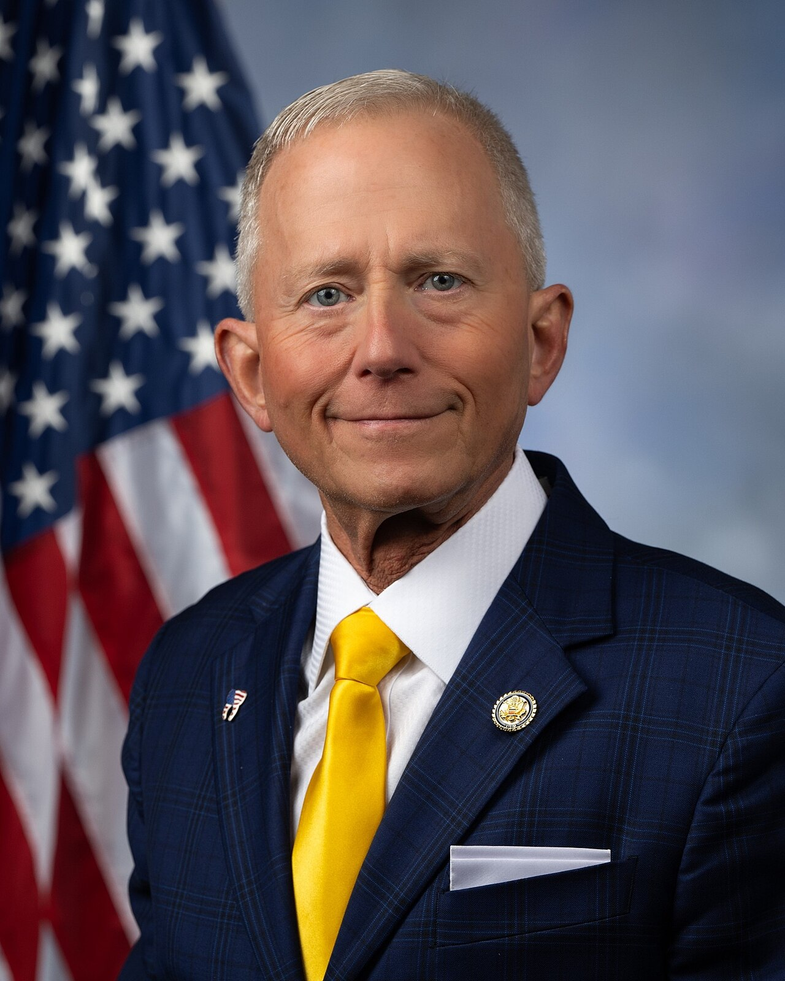
Co-Sponsor
-
TrackEugene Vindman
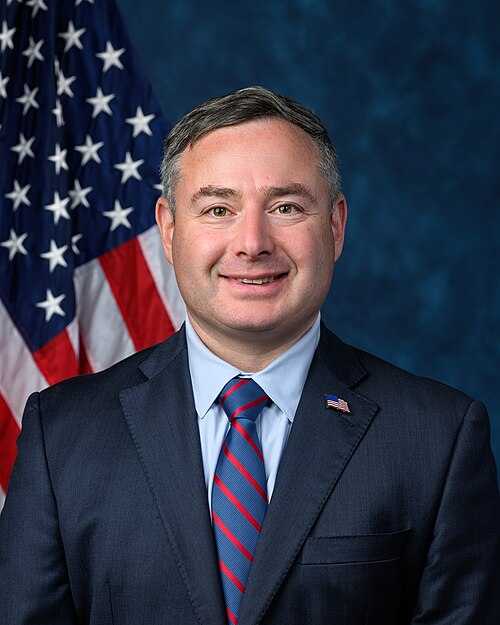
Co-Sponsor
-
TrackDebbie Wasserman Schultz
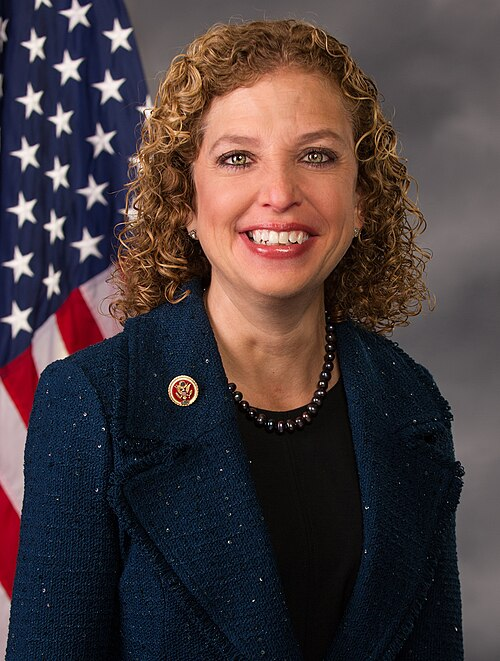
Co-Sponsor
Actions
2 actions
| Date | Action |
|---|---|
| Sep. 21, 2026 | Introduced in House |
| Sep. 21, 2026 | Referred to the House Committee on Energy and Commerce. |
Corporate Lobbying
0 companies lobbying
None found.
* Note that there can be significant delays in lobbying disclosures, and our data may be incomplete.
Potentially Relevant Congressional Stock Trades
No relevant congressional stock trades found.