
H.R. 10515: Artificial Intelligence Education and Workforce Readiness Act of 2026
This bill would create a broad federal framework for AI education, workforce development, and certain privacy and transparency rules tied to the use of AI in employment, education, and other covered decisions.
Workforce training and education
The bill would set up federal grants and programs to help states, schools, colleges, employers, and training providers prepare workers and students for jobs affected by AI. This includes support for:
- AI literacy programs in schools and colleges
- Apprenticeships, reskilling, and retraining for workers whose jobs are disrupted by AI
- Stackable micro-credentials that can be earned in stages and applied toward AI-related career pathways
- Fellowships, mentorship programs, and accessibility support for people entering or advancing in AI-related fields
- Programs aimed at improving access and participation for underrepresented groups, including at minority-serving institutions
Planning, research, and reporting
The bill would require annual updates and the creation of an interagency council to coordinate federal efforts. It would also require the government to identify occupations likely to be affected by AI and to publish information on those jobs and pathways.
In addition, the Secretary would collect and publish annual, anonymized, aggregated data on program outcomes, including:
- Who participated in the programs
- Completion rates
- Employment and retention outcomes
- Income changes after participation
The bill also includes open-access research and measurement standards to help track how AI affects education and work. Funding would be authorized through 2031.
Privacy, student data, and oversight
The bill would place limits on how student data can be used in AI-related programs and includes privacy safeguards for participants. It would also add oversight requirements related to the environmental effects of AI systems and disclosure rules connected to AI research and implementation.
Use of AI in covered decisions
For organizations using AI in covered decisions, the bill would require notice to affected people, including an explanation that AI is being used and what kinds of data are involved. It would also require:
- Meaningful human review of AI-assisted decisions
- An appeals process for participants
- Staff training on the limits and potential bias of AI systems
Federal agencies would be required to coordinate enforcement. Violations could lead to penalties and referral to the FTC. The bill authorizes $100 million per year through 2031 for these efforts.
Relevant Companies
- None found
This is an AI-generated summary of the bill text. There may be mistakes.
Sponsors
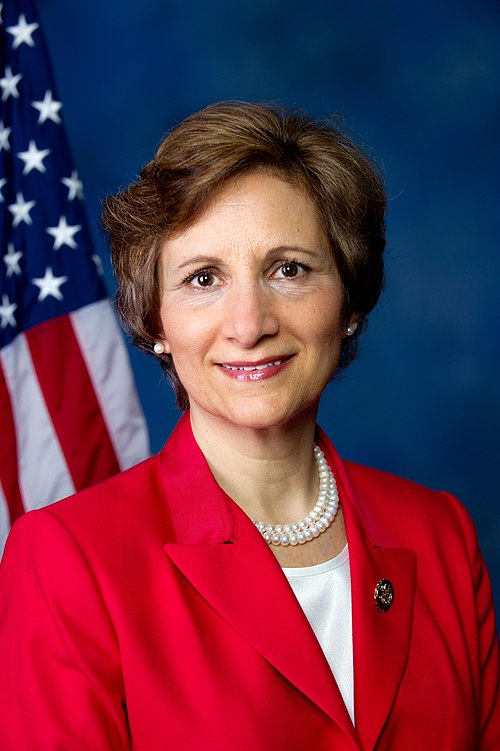
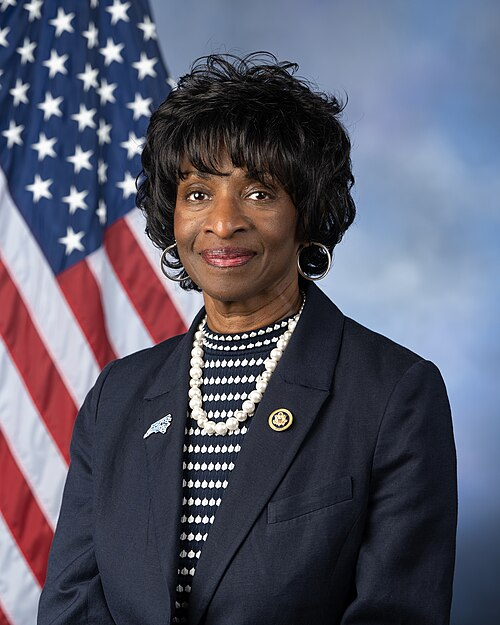
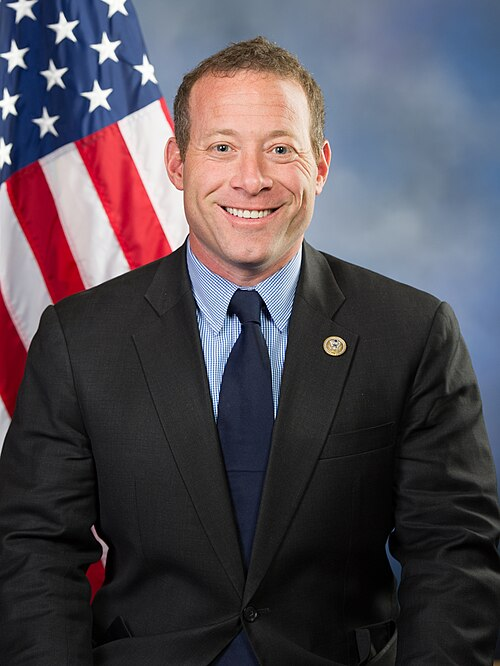
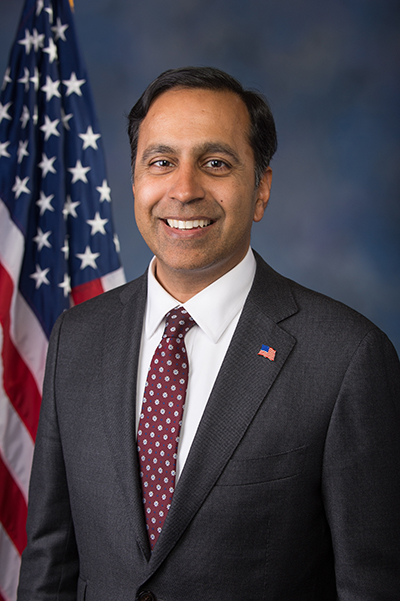
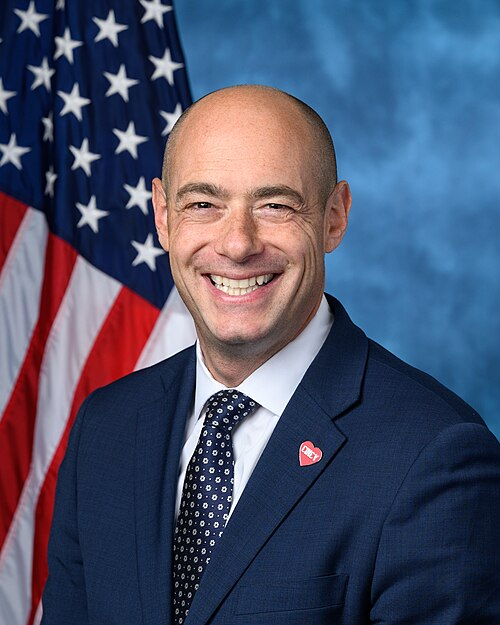
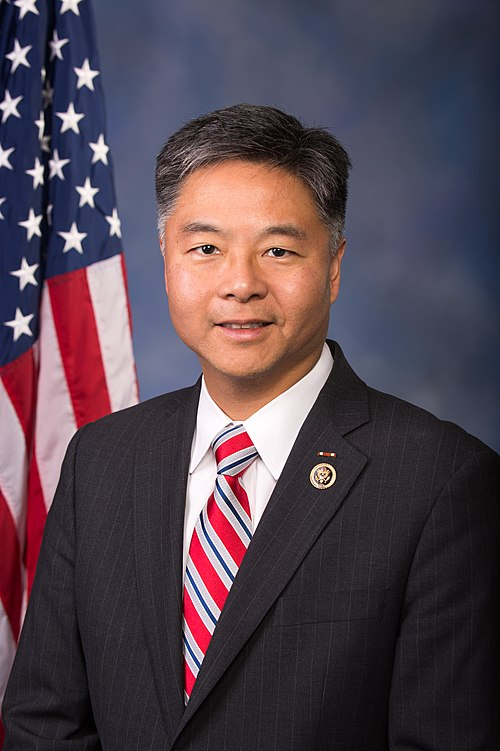
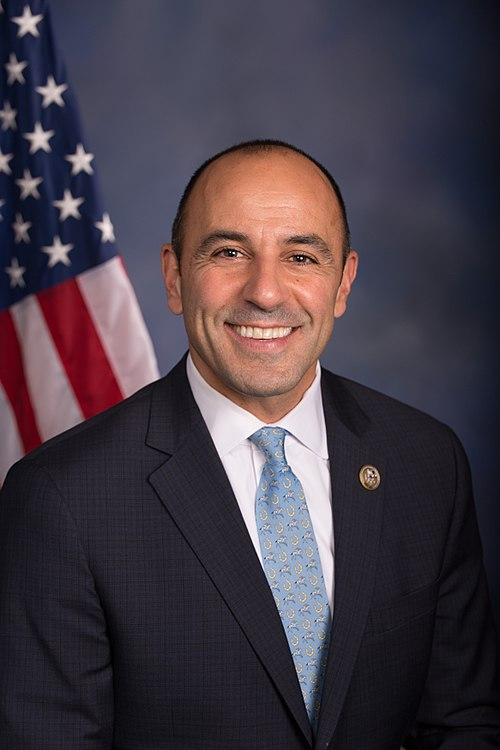
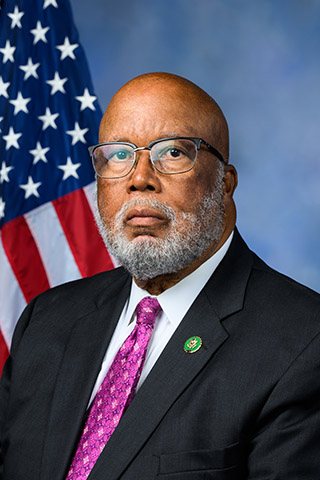
9 bill sponsors
Actions
2 actions
| Date | Action |
|---|---|
| Sep. 21, 2026 | Introduced in House |
| Sep. 21, 2026 | Referred to the Committee on Education and Workforce, and in addition to the Committees on Science, Space, and Technology, and Ways and Means, for a period to be subsequently determined by the Speaker, in each case for consideration of such provisions as fall within the jurisdiction of the committee concerned. |
Corporate Lobbying
0 companies lobbying
None found.
* Note that there can be significant delays in lobbying disclosures, and our data may be incomplete.
Potentially Relevant Congressional Stock Trades
No relevant congressional stock trades found.